Semuliki
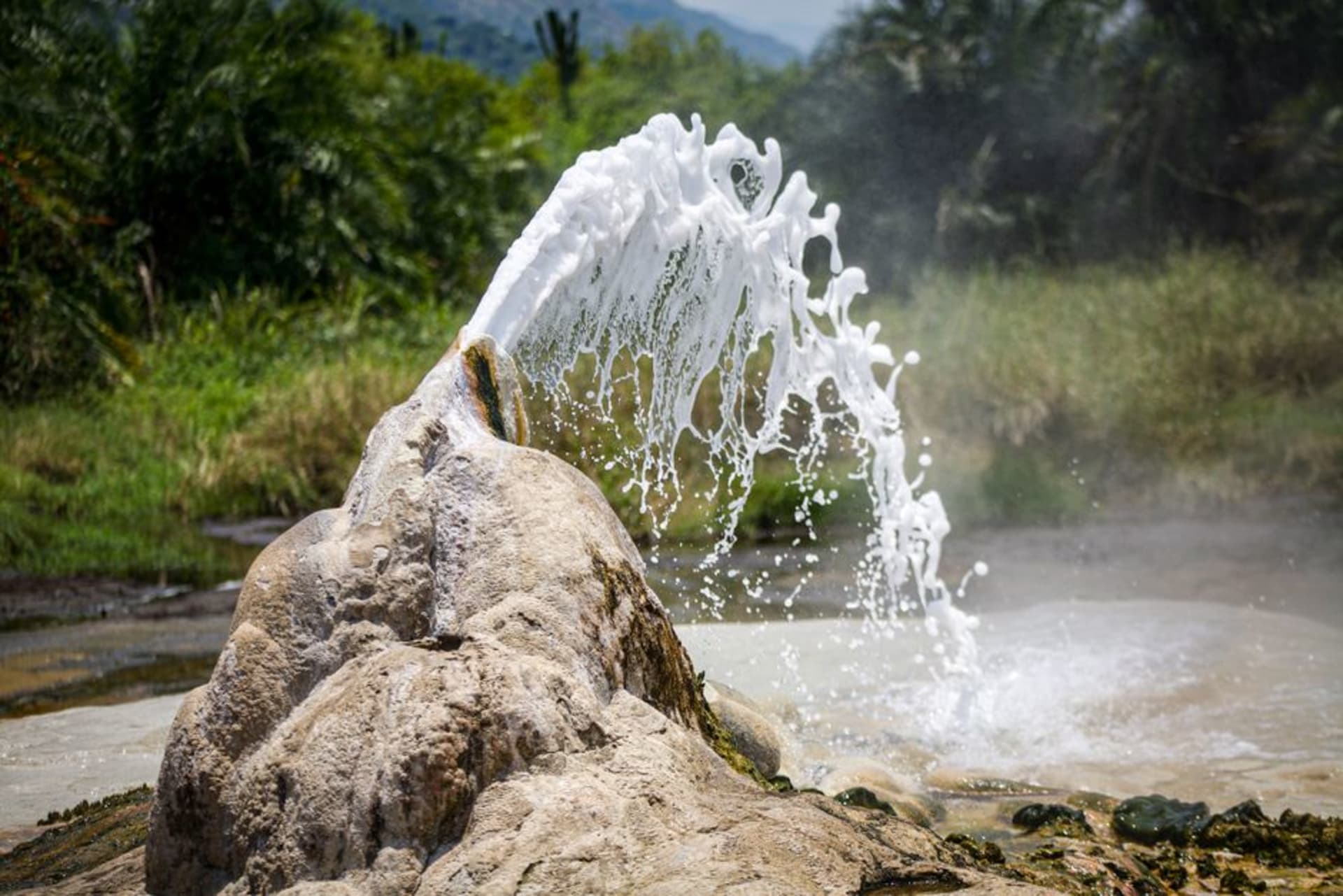
"Our guide boiled an egg in the hot springs while I stood there trying not to sweat through my shirt."
A steamy lowland rainforest on the DR Congo border where boiling hot springs hiss out of the ground and rare Congo-basin birds call from the canopy.

Semuliki felt different the moment we crossed into it — thicker air, a lower canopy pressing down, that particular hush of true lowland rainforest instead of the highland forests I’d gotten used to elsewhere in Uganda. It sits right against the DR Congo border in the Semliki Valley, part of the same Ituri forest system that stretches west into the Congo basin, and you can feel that geographic fact in the birdlife and the heat before anyone even tells you.
The hot springs at Sempaya are the park’s signature stop, and they’re stranger than photos suggest. There are two sites, a “male” and a “female” spring according to local tradition, and the female one is this open, bubbling pool that genuinely boils — locals demonstrate by dropping in eggs or bananas wrapped in leaves and pulling them out cooked a few minutes later. Our guide did exactly that with an egg while sulfurous steam rolled off the pool’s surface and I stood there sweating from the ambient heat alone. The smell sticks with you a little.

But it’s the birding that draws the serious visitors, and I say this as someone who is not a serious birder and still got pulled in. Semuliki has species you genuinely can’t see reliably anywhere else in East Africa — Congo-basin specialists at the eastern edge of their range, things like the yellow-throated nicator or various hornbills that birders fly in specifically to tick off a list. We hired a local guide with an ear sharper than any equipment I’ve used, identifying calls from deep in the canopy that I never even registered as separate sounds. Lia, who has more patience for standing still than I do, got more out of it than me, but even I came away impressed.

We stayed at a simple community-run camp near the park entrance, no frills, cold showers, generator power for a few hours in the evening — and honestly it suited the place. Semuliki doesn’t get the visitor numbers of Uganda’s bigger parks, and there’s a rawness to it that I appreciated after weeks of more polished lodges elsewhere. The Batwa and Bamba communities living around the park’s edges also run cultural walks, and one evening a group came to camp to sing and explain some of the forest’s traditional uses, which felt like a genuine exchange rather than a staged performance, though your mileage on that kind of thing always varies.
When to go: December to February or June to August, in the drier months when the forest trails to the hot springs are more manageable and less mosquito-heavy.
Keep exploring
More from Uganda
 uganda
 Sipi Falls
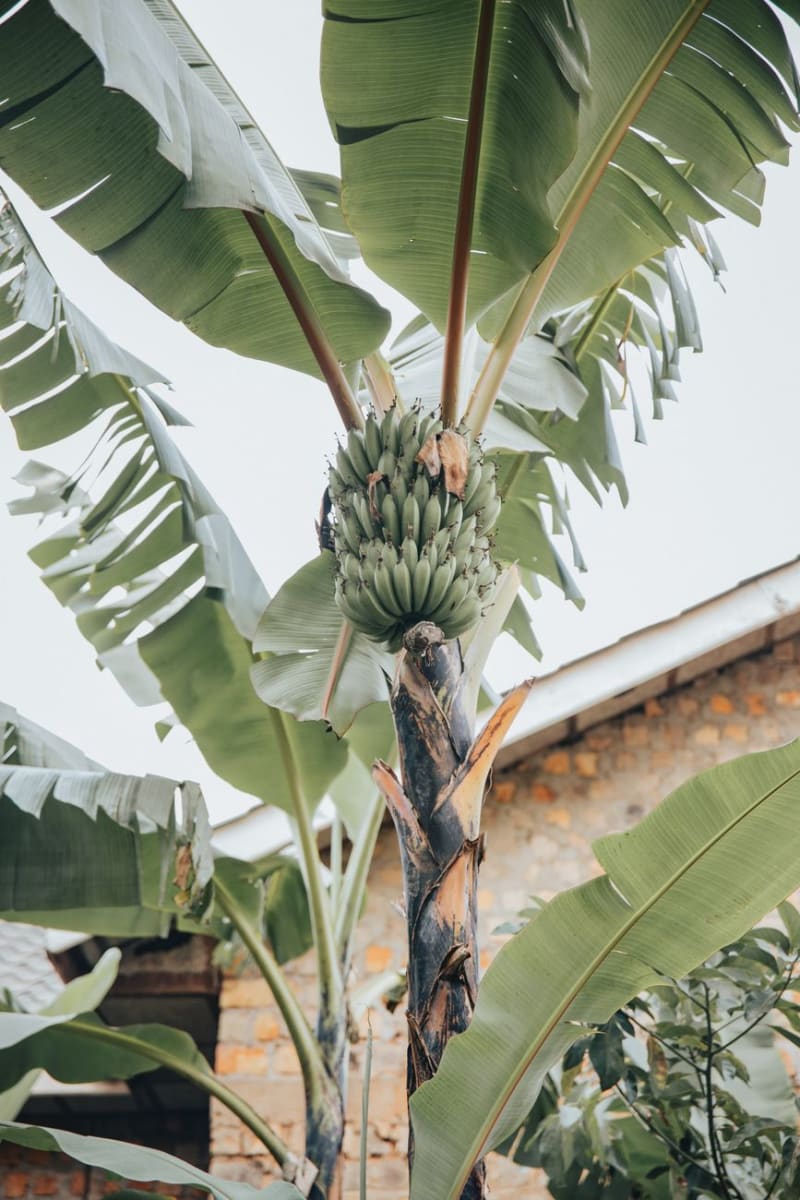
A trio of waterfalls tumbling off the green foothills of Mount Elgon in eastern Uganda, ringed by Arabica coffee farms and some of the friendliest walking country I have found in Africa.
Explore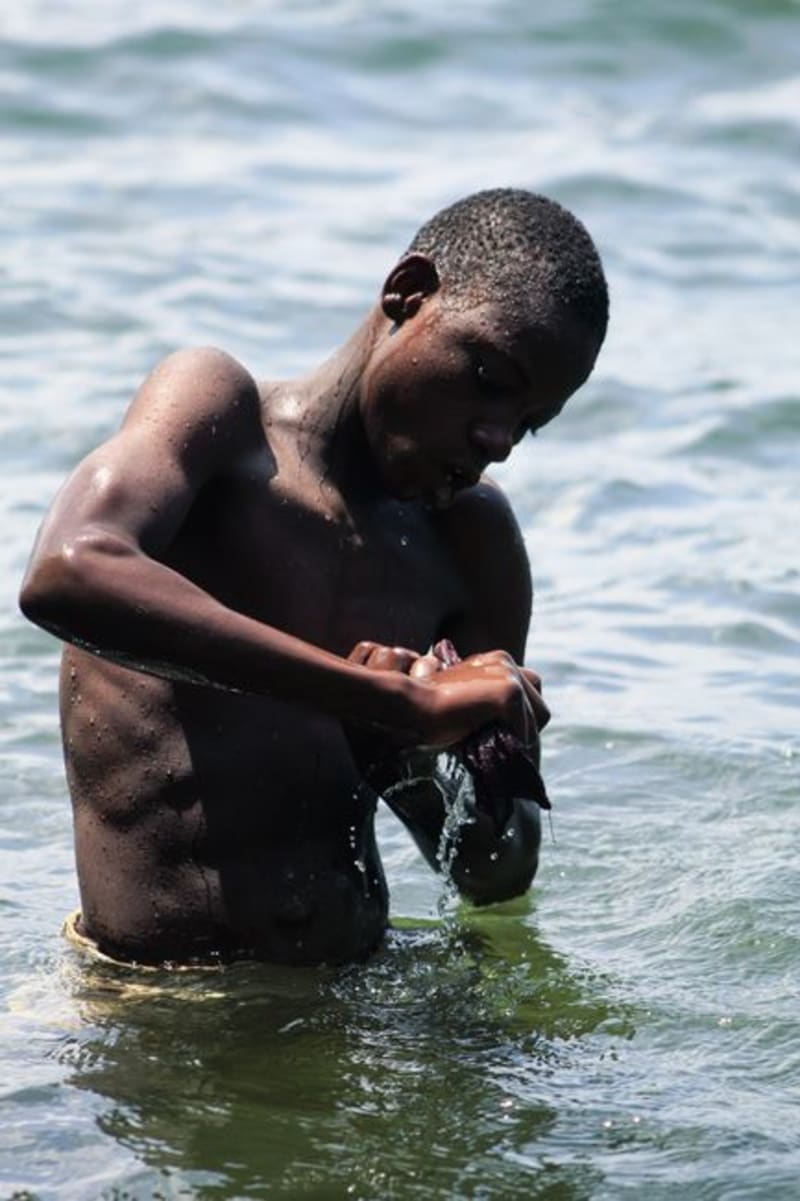 uganda
 Ssese Islands
An archipelago of 84 islands scattered across Lake Victoria, where palm-lined beaches meet forest trails and centuries of quiet history.
Explore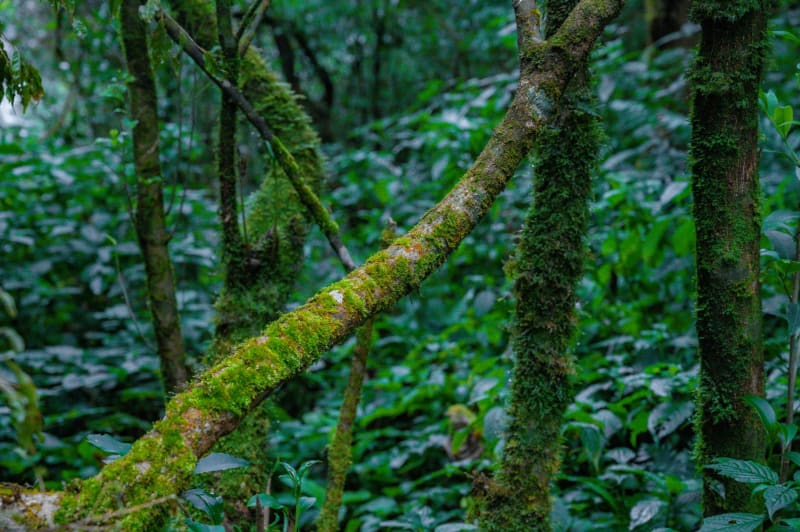 uganda
 Bwindi Impenetrable Forest
A mountain gorilla encounter in this ancient rainforest strips away every cliché you brought with you and replaces it with something harder to name.
Explore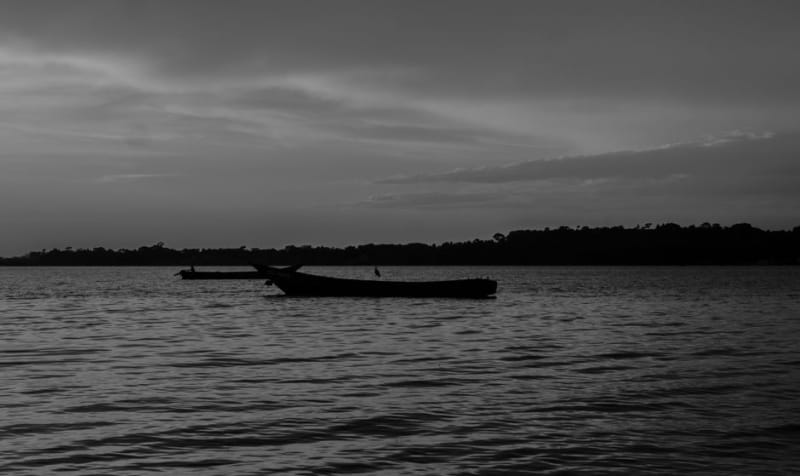 uganda
 Entebbe
A relaxed lakeside town on Lake Victoria's shore, home to Uganda's main airport, lush botanical gardens, and a slower pace than Kampala.
Explore uganda
 Fort Portal
A green, hilly town ringed by dozens of volcanic crater lakes at the foot of the Rwenzori's snow-capped ridgeline.
Explore uganda
 Jinja
The town where the Nile officially begins draws everyone from rafters to pilgrims to people who just want to sit above the world's longest river and have a quiet beer.
Explore