Asia
Thailand
"The country that ruined pad thai everywhere else for me."
Thailand is the most visited country in Southeast Asia for a reason, and that reason is not the beaches. It is the food. Specifically, it is what happens when a culture decides that a bowl of noodle soup sold from a cart on a side street should be as complex and balanced as anything served on white linen. Bangkok alone has more culinary depth than most countries — from the fire-wok hei of Chinatown’s Yaowarat Road to the southern curries at restaurants the Michelin inspectors took decades to notice. Every neighborhood has its own micro-economy of flavor, and the only reliable strategy is to follow the longest queue of locals and order what they are having.
But the mistake most travelers make is stopping at the coast. Northern Thailand is a different country in all but passport stamps. Chiang Mai is the quieter cultural capital — temple-dense, surrounded by mountains, home to a food tradition built on earthy curries, fermented sausages, and sticky rice eaten by hand. Beyond it, Chiang Rai, Pai, and the hill towns of Mae Hong Son province offer landscapes that look like northern Laos and a pace that makes Bangkok feel like a fever dream. The north is where Thailand goes from enjoyable to essential.
When to go: November to February is cool and dry across most of the country — the ideal window. March to May is brutally hot, especially in Bangkok and the central plains. The rainy season (June to October) brings afternoon downpours but also green landscapes, empty beaches, and significantly lower prices.
What most guides get wrong: They overindex on islands and underindex on food. Skip the full-moon party. Spend those three days eating your way through Bangkok instead, then take the overnight train north. Thailand rewards the hungry far more generously than it rewards the tanned.
Explore
Places in Thailand
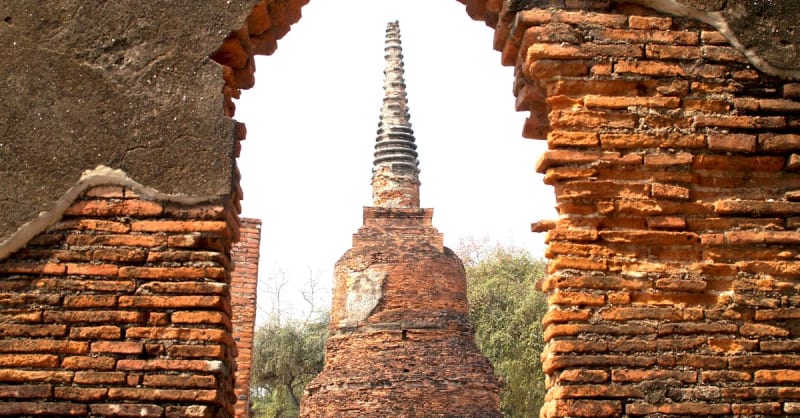
Ayutthaya
The crumbling temples of a former capital that once rivalled Paris in size, now standing in quiet, photogenic ruin.
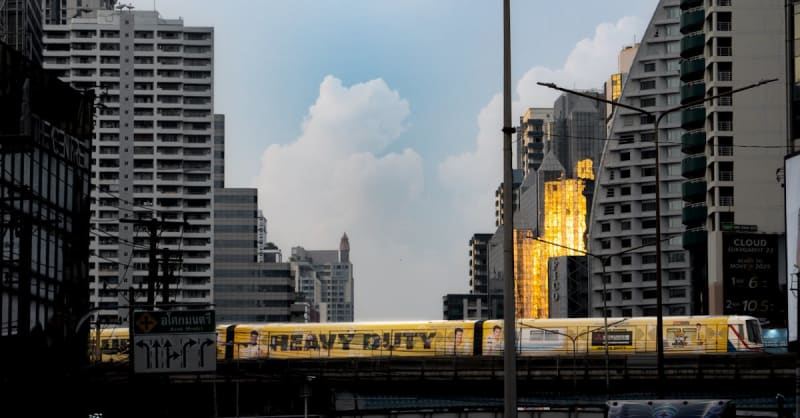
Bangkok
A city of golden spires and neon-lit street stalls where the sacred and the chaotic exist in perfect, sweaty harmony.
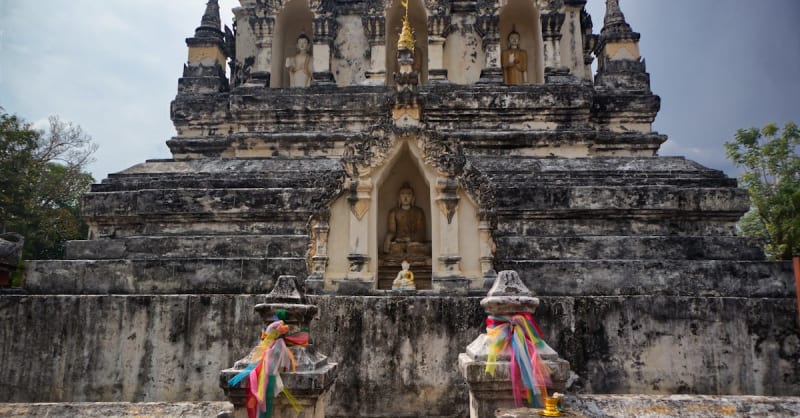
Chiang Mai
A mountain city wrapped in temple smoke and creative energy, where the pace of life slows to something almost meditative.
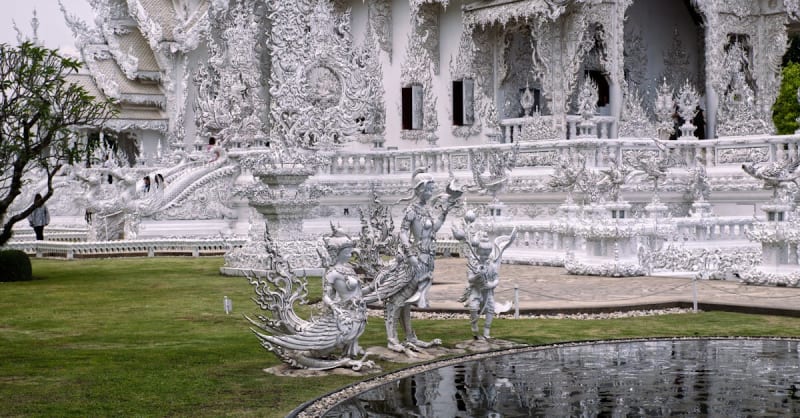
Chiang Rai
Thailand's northernmost province where visionary temples meet misty mountains and the borders of three countries converge.
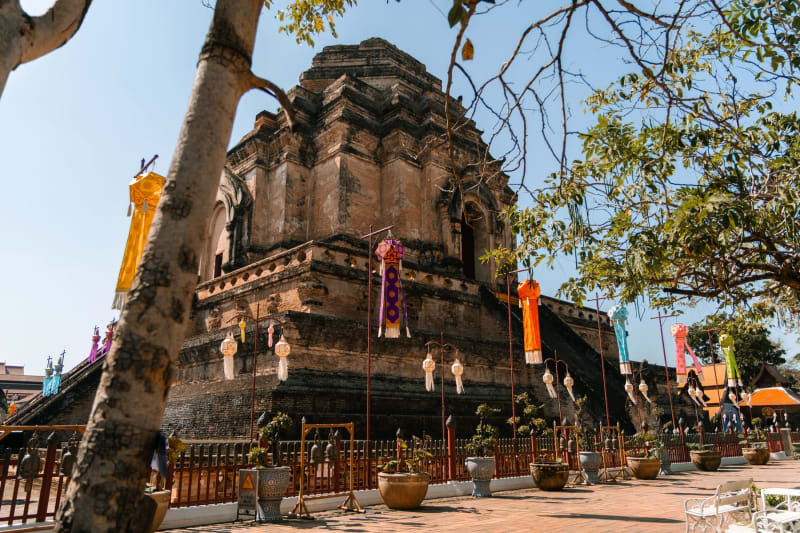
Chiang Rai Night Bazaar
Northern hill-tribe crafts, Lanna street food, and lantern glow after dark in Thailand's coolest city.
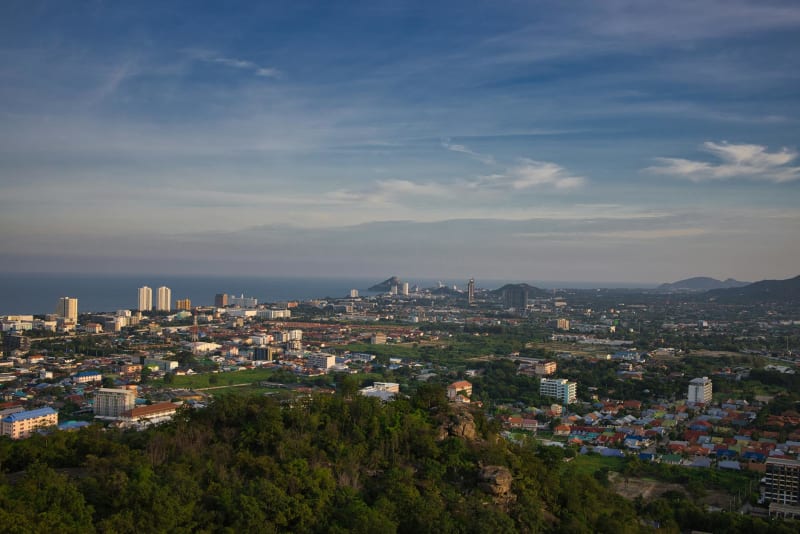
Hua Hin
Thailand's oldest beach resort, beloved by royals, with night markets stretching to the sea.
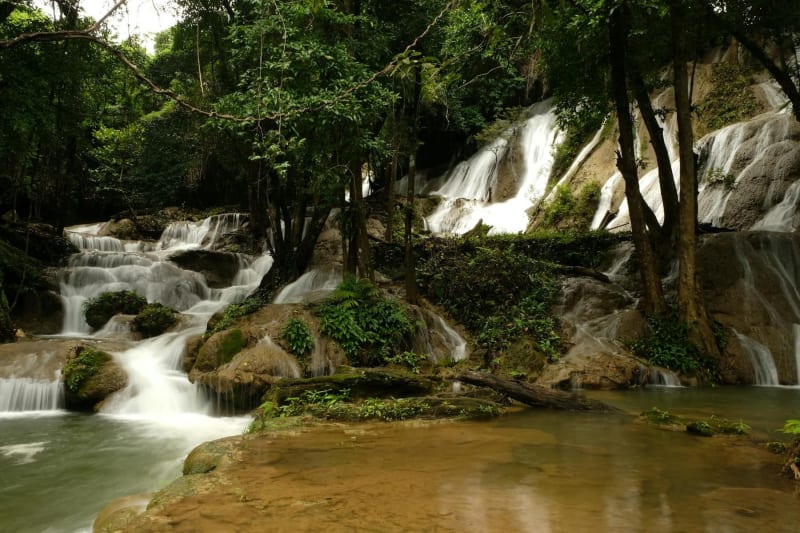
Kanchanaburi
The Bridge on the River Kwai and WWII history woven into jungle waterfall landscapes.
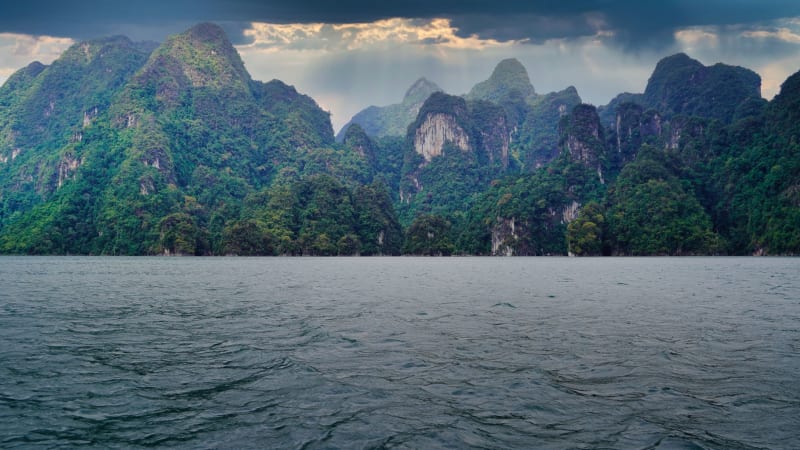
Khao Sok National Park
A rainforest older than the Amazon folded around the emerald flood-lake of Cheow Lan, where limestone karsts rise straight from the water and the dawn comes wrapped in mist and gibbon song.
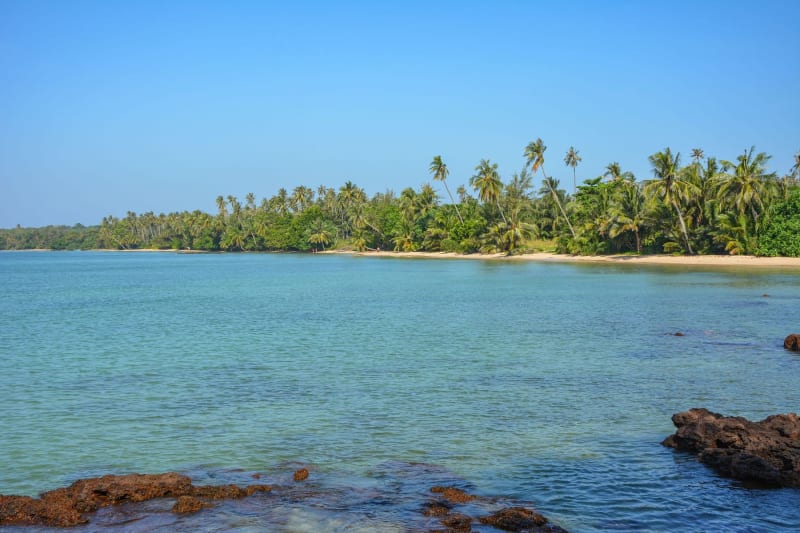
Koh Kood
Thailand's fourth-largest island in the Gulf, with waterfalls, fishing villages and turquoise water almost untouched by resorts.

Koh Lanta
A long, quiet island where the beaches get emptier the further south you drive and the sunsets never disappoint.
Koh Samui
A palm-fringed island in the Gulf of Thailand where luxury resorts and backpacker bungalows share the same impossible sunsets.
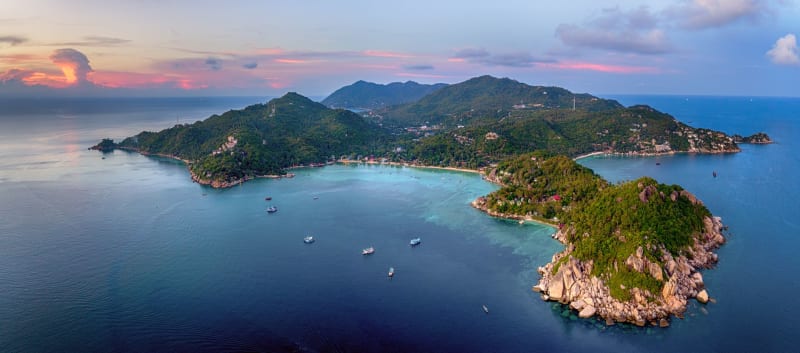
Koh Tao
The world's most-dived island, where beginners earn their PADI cert in warm, clear Gulf waters.

Krabi
Limestone towers erupting from emerald water, where every beach feels like it was carved by a sculptor with a taste for the dramatic.
Mu Ko Surin
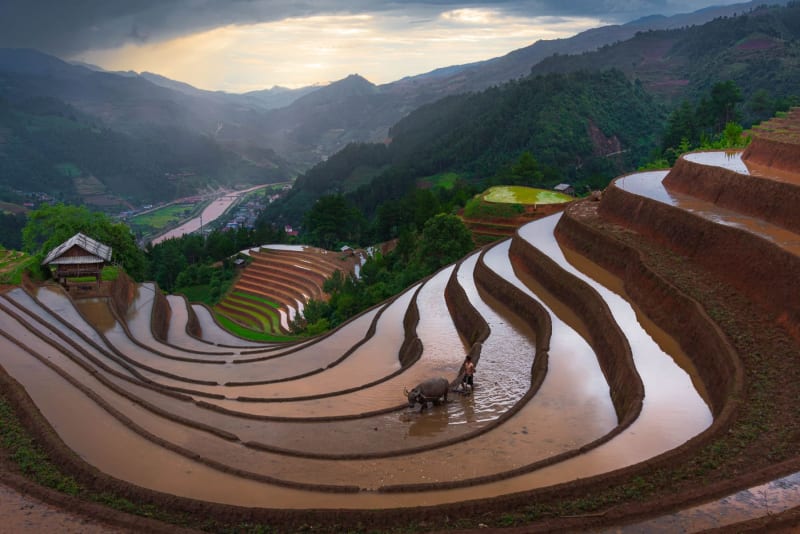
Remote marine park near the Burmese border with pristine coral and Moken sea-nomad culture.
Pai
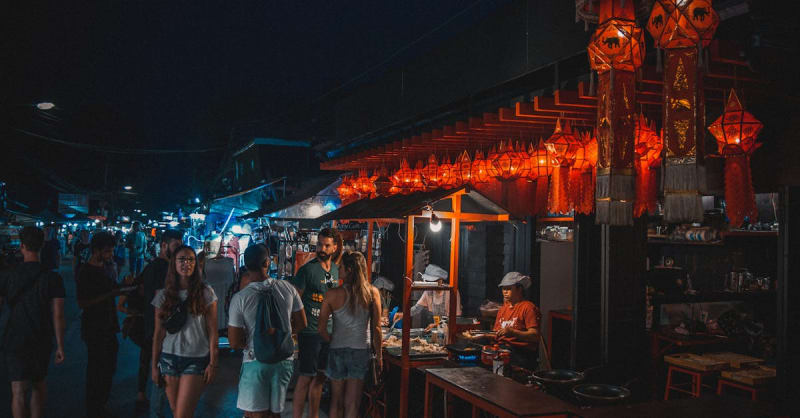
A tiny mountain town with hot springs, canyon walks, and the kind of bohemian calm that makes people extend their stay indefinitely.
Pai Canyon
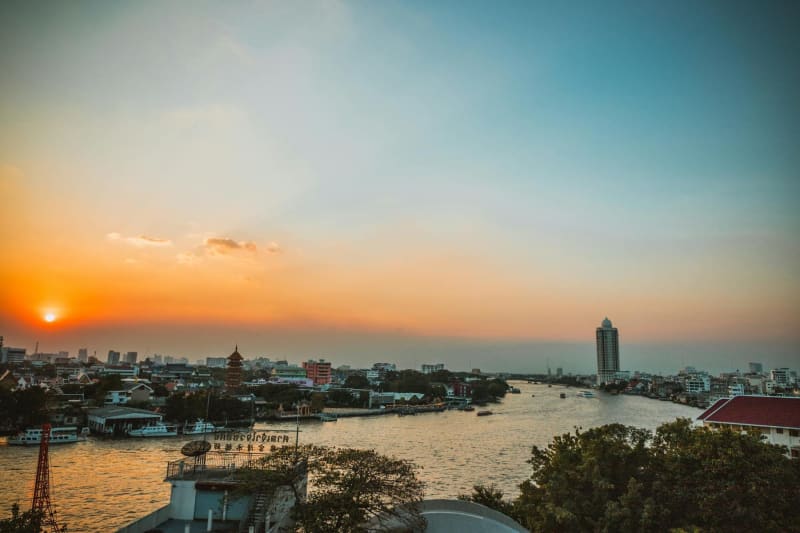
Narrow red-earth ridges above the Pai valley, walked at sunset for views across the mountains to Burma.
Phang Nga Bay
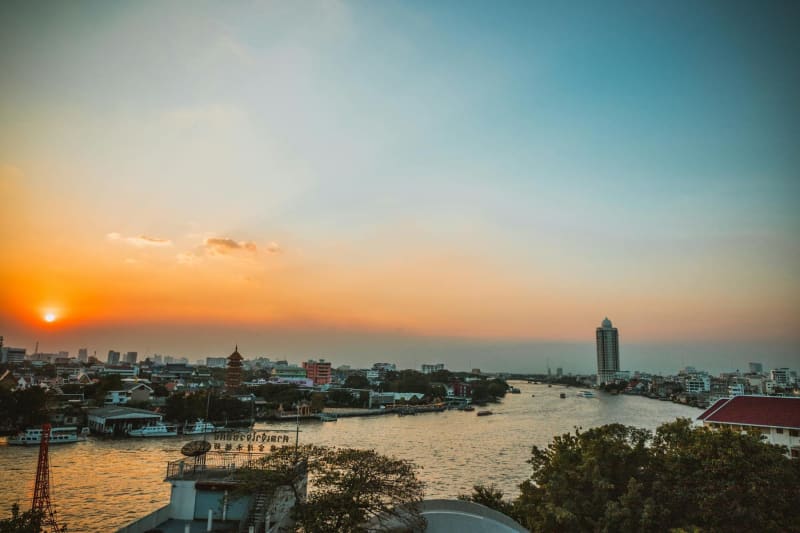
Vertical limestone islands rising from opaque jade water, most famously the tilted rock of James Bond Island.
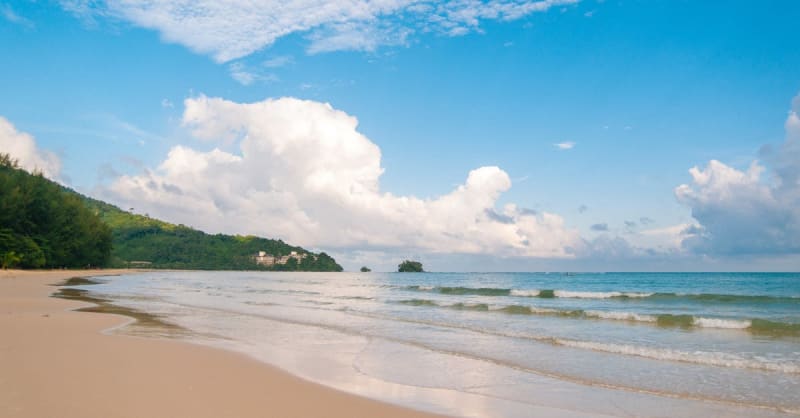
Phuket
Thailand's largest island delivers everything from rowdy beach parties to hidden coves where the only sound is the Andaman Sea.
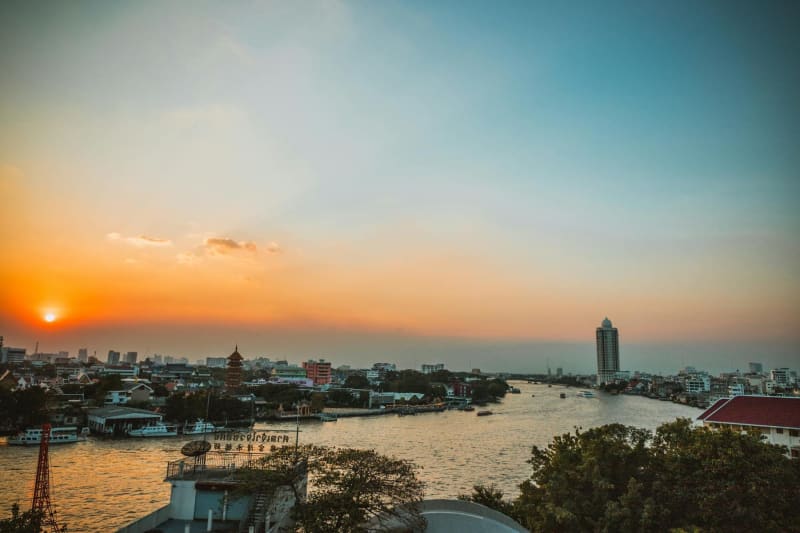
Phuket Old Town
Sino-Portuguese pastel shophouses and excellent coffee in the old tin-mining quarter the beaches overshadowed.
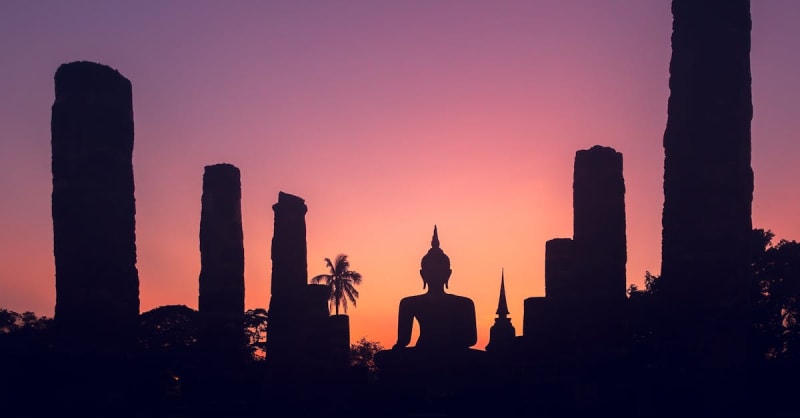
Sukhothai
The birthplace of Thai civilisation, where ancient temple ruins sit among lotus ponds in a silence that feels intentional.
Free download
Get the Thailand Guide
A curated PDF itinerary with honest picks, real restaurants, and the details that matter — the kind you'd actually print and bring.
Download the guide