Koh Samui
"The island that taught me the difference between a vacation and actually resting."
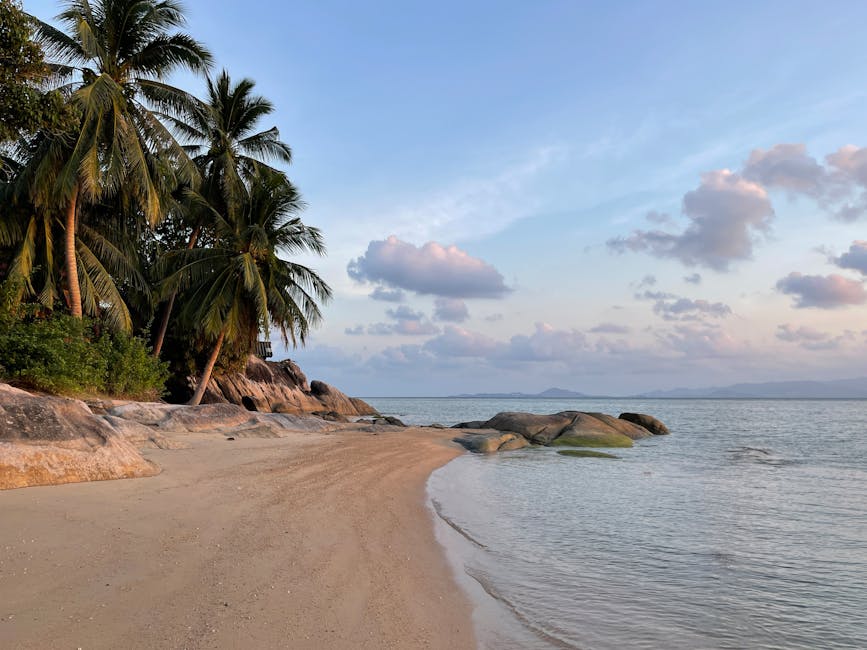
Koh Samui has the rare ability to be all things without being nothing. Chaweng Beach is the main act — a long, wide stretch of sand backed by bars, restaurants, and the kind of energy that keeps you out past midnight. But cross the island to Lamai or head south to the quieter bays of Taling Ngam, and the volume drops to something approaching silence. Fisherman’s Village in Bophut is a strip of converted shophouses serving excellent seafood on the waterfront, with a Friday night market that has genuine character — not the manufactured kind, but the kind that comes from fishermen grilling what they caught that afternoon while their kids run between the tables.
I came to Koh Samui expecting a resort island and found something more interesting. The coconut plantations that once covered the interior are still worked by trained macaques — a tradition that is controversial but that the local farmers defend as centuries-old practice. The jungle roads that cut through the island’s hilly centre lead to secret viewpoints, the Na Muang waterfalls, and a handful of temples that tourists rarely visit because the beaches have a gravitational pull that is, admittedly, difficult to resist.
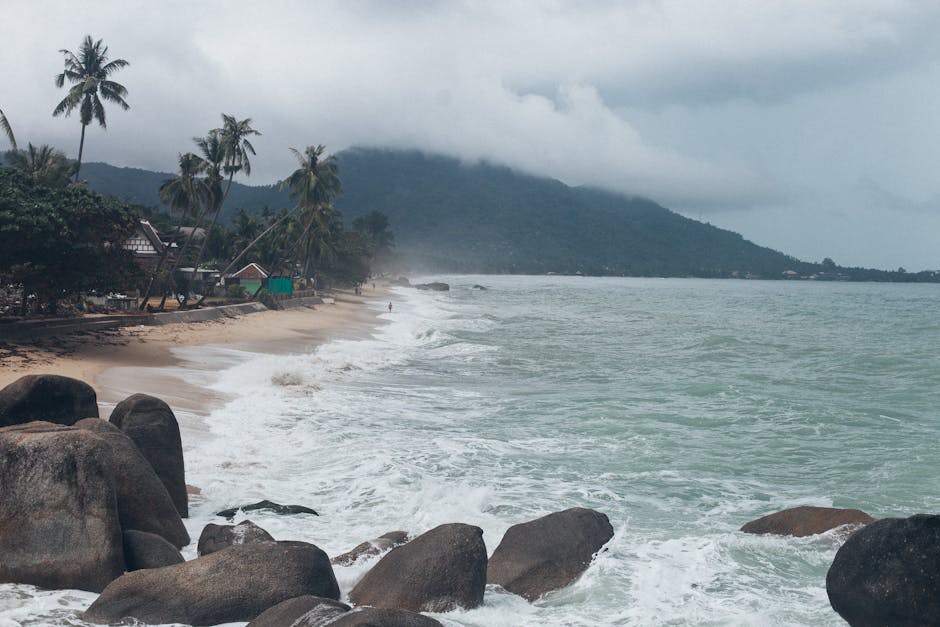
The interior is hillier and wilder than most visitors expect. Waterfalls hide in the jungle. The Big Buddha at Wat Phra Yai sits on a small island connected by causeway, catching the morning light in a way that makes the kitsch suddenly feel sacred — twelve metres of gilded concrete that somehow, at the right hour, transcends its own tackiness and becomes genuinely moving. The mummified monk at Wat Khunaram is another thing entirely — a former abbot who died in meditation and whose body, seated in a glass case in his saffron robes, has barely decomposed. It is Thailand at its most unsettling and its most honest about the relationship between life and death.
And the day trip to Ang Thong National Marine Park — a scattered archipelago of forty-two islands with kayaking, viewpoints, and lagoons — is worth every minute of the boat ride. The emerald lake in the centre of Mae Koh island, ringed by jungle-covered limestone, is a colour I have not seen anywhere else on earth. I kayaked through sea caves where the water was so clear the kayak appeared to float on air, and I ate lunch on a beach where the only other visitors were a family of monitor lizards who regarded us with tolerant boredom.
When to go: December to April offers the best weather. Koh Samui’s microclimate means its rainy season peaks in November, later than the rest of southern Thailand. The Friday night market at Fisherman’s Village runs year-round and is worth timing your visit around.