Phuket
"An island big enough to contain both paradise and chaos -- you choose which one you find."
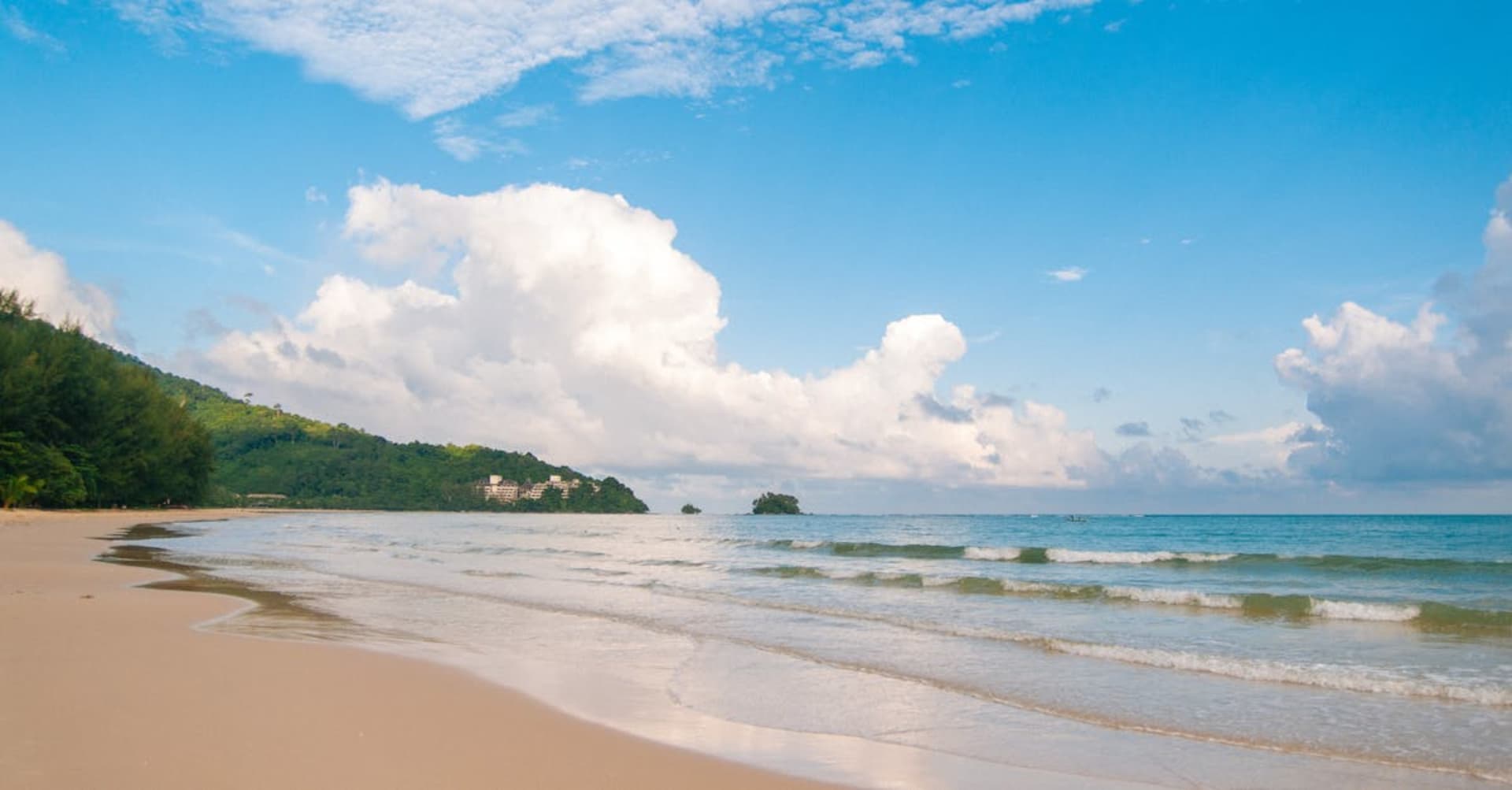
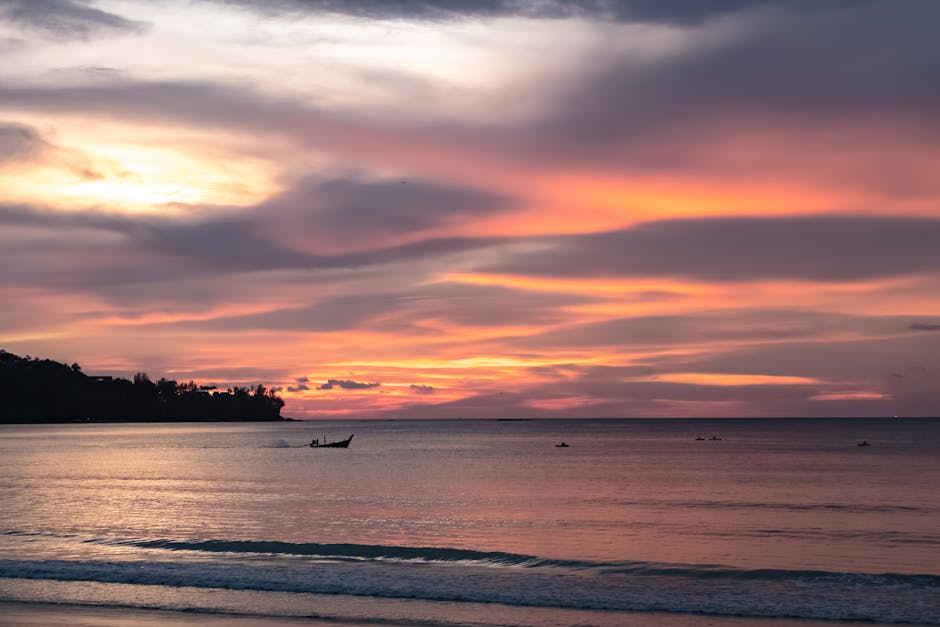
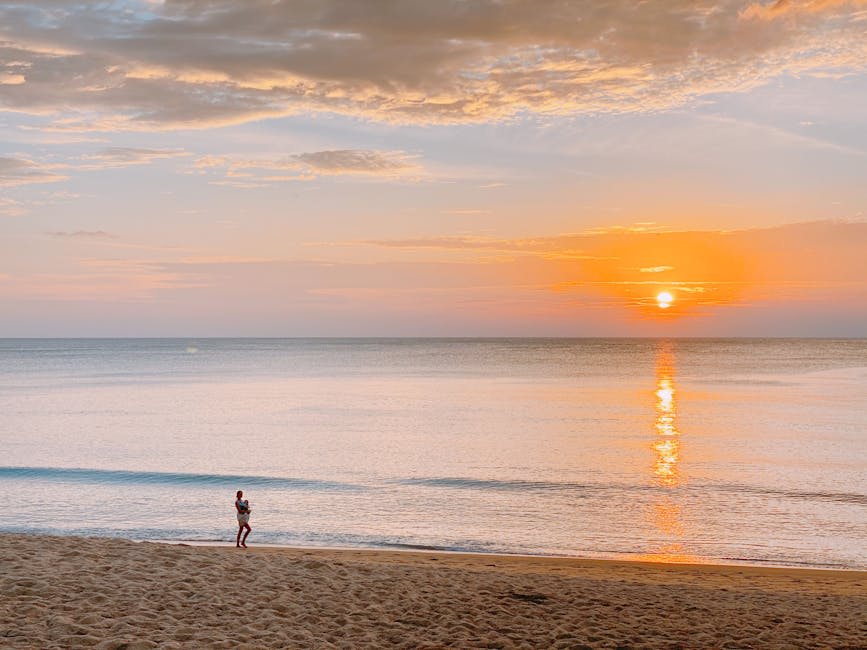
Phuket is an island of contradictions. Patong Beach pulses with neon and noise, a carnival of go-go bars and tailored suit shops that is either irresistible or unbearable depending on your temperament. But drive twenty minutes south and you reach Kata Noi, a crescent of sand so calm and blue it feels like a secret the rest of the island forgot to share. The west coast collects sunsets the way other places collect postcards — every evening, without fail, the sky turns absurd shades of orange. I stood at Promthep Cape on my first evening and watched the sun drop into the Andaman Sea while a crowd of Thai families and tourists and monks all fell silent at the same moment, as if the sky had given a command.
The beaches on the northwest coast — Nai Thon, Nai Yang, and Mai Khao — are where I would stay next time. They are long, quiet, backed by casuarina trees instead of concrete hotels, and Mai Khao’s eleven kilometres of unbroken sand make it the longest beach on the island. Planes landing at Phuket airport pass directly overhead with an intimacy that is thrilling the first time and merely amusing the fifth. Surin Beach, on the central west coast, is where the island’s upscale restaurants cluster — Beach Club culture, good cocktails, and seafood grilled at the water’s edge.
Beyond the beaches, Phuket Old Town offers Sino-Portuguese shophouses painted in pastels, excellent local food, and the kind of quiet, lived-in charm that the coastal resorts have traded for swimming pools. I spent a morning walking Thalang Road and its side streets — the architecture dates from the tin mining boom of the nineteenth century, when Chinese immigrants built homes that blended Hokkien and colonial European styles into something unique to this island. The street art scene has exploded in recent years, with murals covering entire building facades, and the local food market on Dibuk Road serves some of the best Hokkien noodles and dim sum I have found outside of Penang.
The island is also a launchpad for some of the best excursions in Southeast Asia. Phang Nga Bay — the James Bond island landscape of limestone pillars erupting from flat, green water — is most impressive by kayak, threading through sea caves and hongs (collapsed cave lagoons) where the water is still and the only sound is dripping limestone. The Similan Islands, a ninety-minute speedboat ride northwest, offer some of the best diving in the Indian Ocean — granite boulders the size of buildings underwater, manta rays in season, and visibility that stretches forty metres. I dived Christmas Point and saw a leopard shark resting on the sand below me, utterly unconcerned by my presence, and it was the kind of encounter that reminds you why people cross oceans to put their heads underwater.
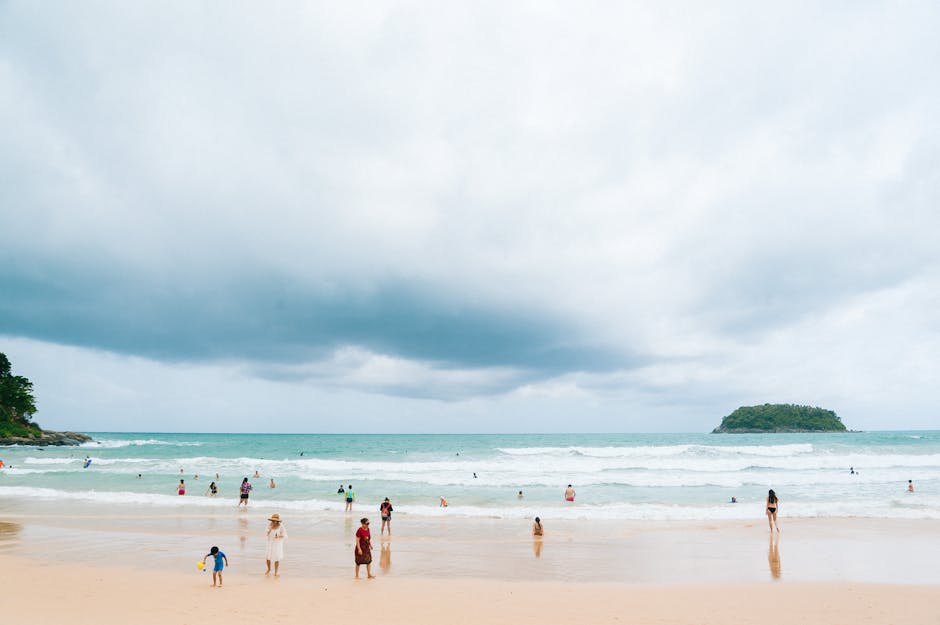
When to go: November to April for dry skies and calm seas. The monsoon season from May to October brings rain and rougher water, but also dramatic landscapes, far fewer crowds, and hotel rates that drop by half. The Similan Islands are only open from October to May.