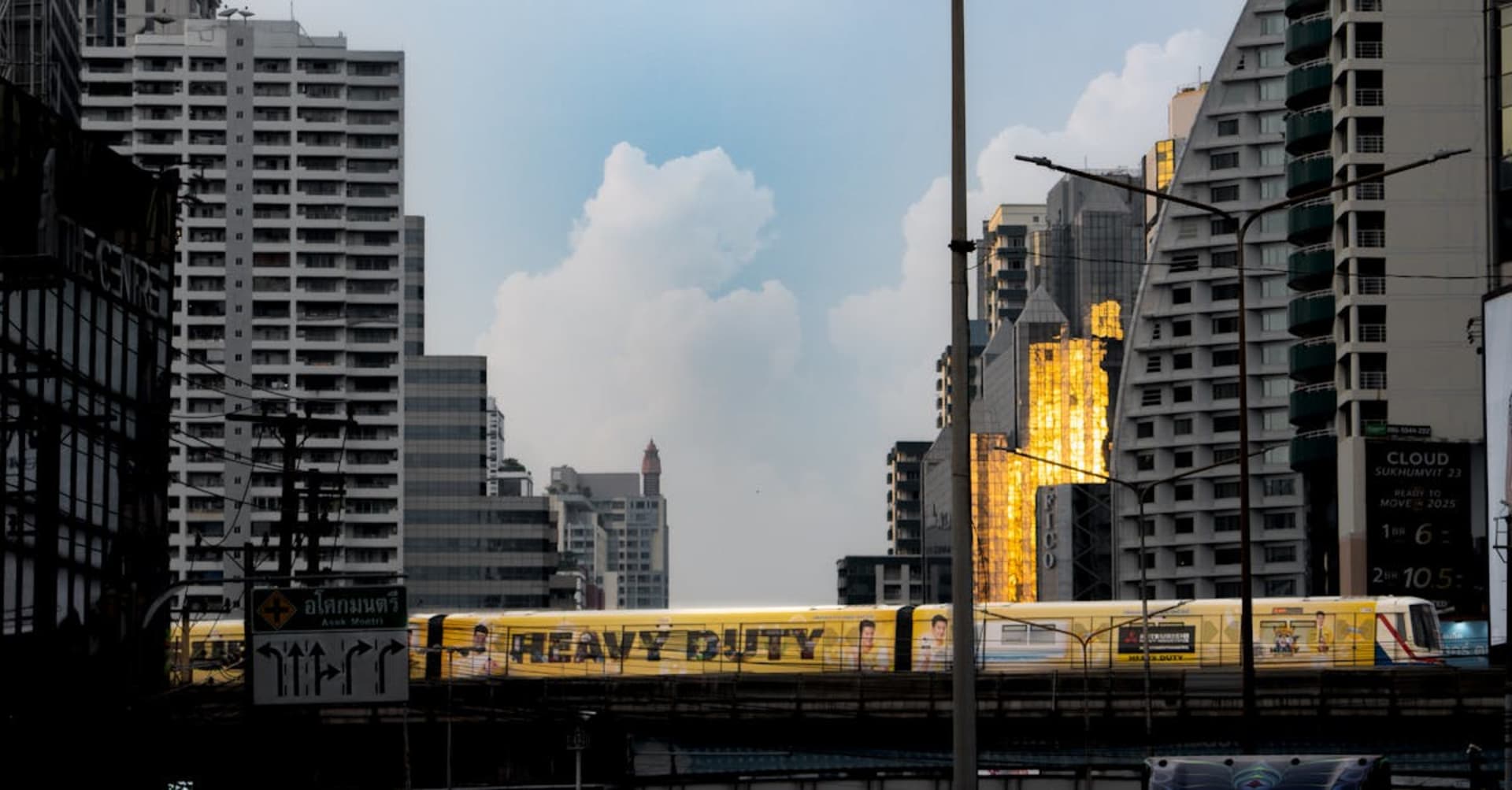
Bangkok
"A city that never sleeps, never stops eating, and never lets you leave unchanged."
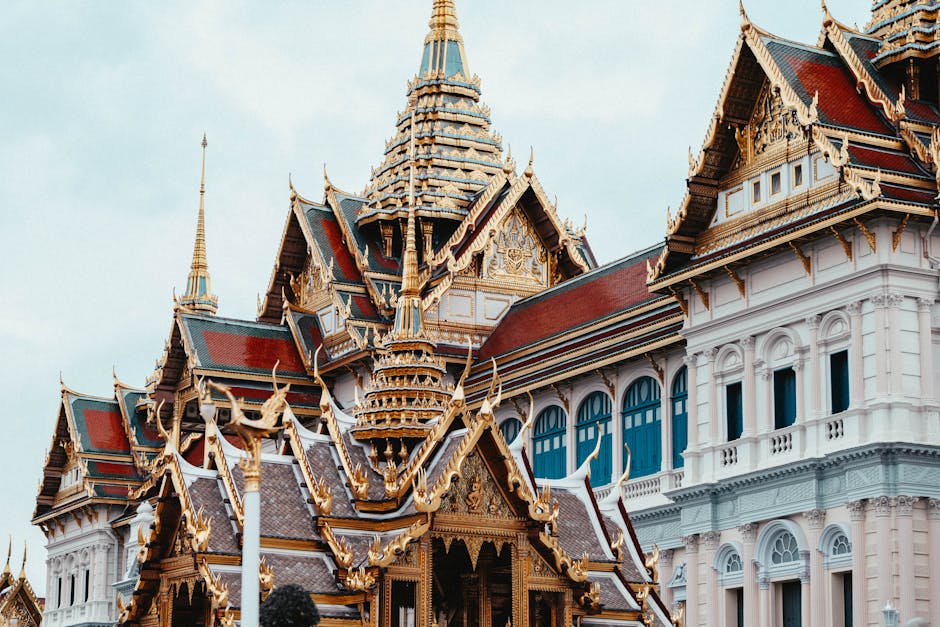
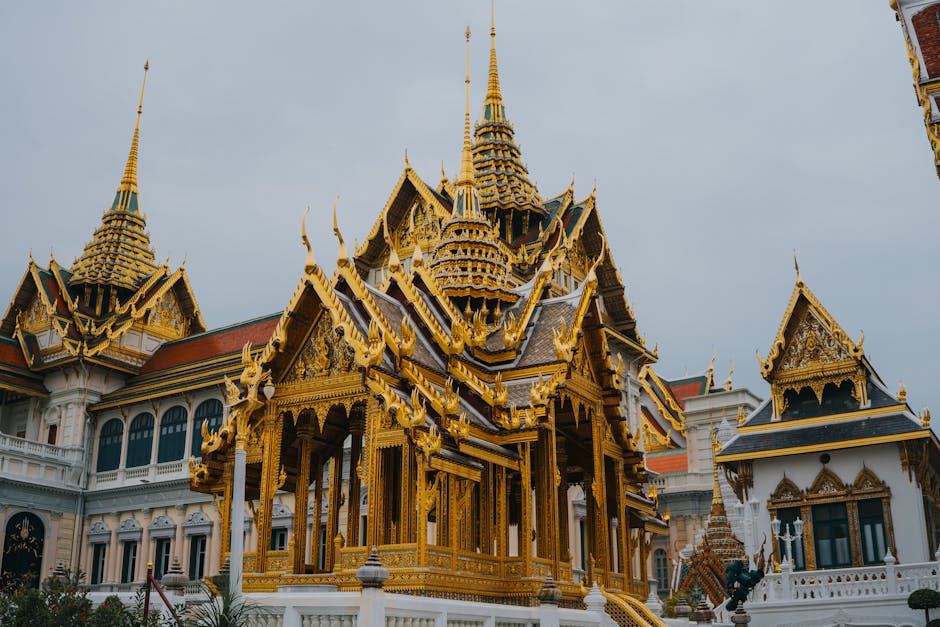
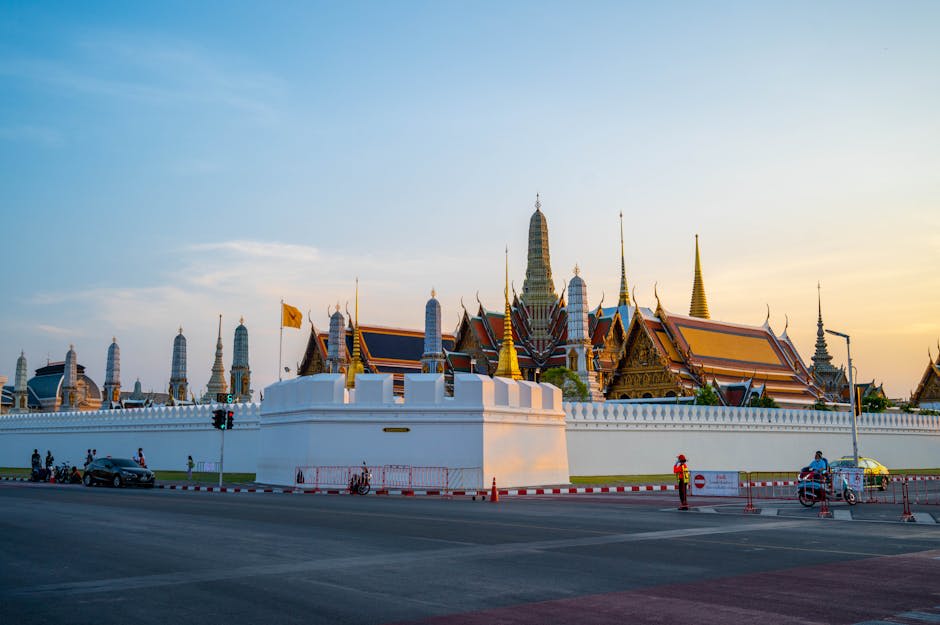
Bangkok hits you like a wall of heat and jasmine the moment you step outside the airport. The city is an assault on every sense — tuk-tuks weaving through traffic, the smell of pad thai sizzling on charcoal, monks in saffron robes collecting alms beside a 7-Eleven. The Grand Palace gleams under a punishing sun while longboat taxis carve through the Chao Phraya River below. Nothing here is subtle, and that is entirely the point. I have been to Bangkok four times now, and each visit I discover a neighbourhood that makes me feel like I have never been here at all.
The food is the reason to come, and the reason to stay longer than you planned. Yaowarat Road in Chinatown comes alive after dark — the wok flames leap from the street carts, the oyster omelettes crisp at the edges, and Jay Fai, the street cook who earned a Michelin star while wearing ski goggles against the smoke, is still the hardest reservation in the city. But you do not need reservations in Bangkok. You need curiosity and a tolerance for sweat. The best pad kra pao I have ever eaten came from a nameless stall near Saphan Taksin station, the holy basil so fresh it numbed my lips, served over rice with a fried egg that had edges like lace.
The magic of Bangkok is in the contrasts. You can spend a morning in the reverent silence of Wat Pho, tracing the reclining Buddha’s gold leaf with your eyes, then lose an afternoon in the chaos of Chatuchak Weekend Market, bargaining for vintage band tees and eating mango sticky rice from a plastic bag. Wat Arun across the river — the Temple of Dawn — is best seen from the Tha Tien pier at sunset, when the porcelain tiles that cover its prang catch the last light and the whole structure seems to vibrate between solid and liquid. I sat on the pier steps with a bottle of Chang beer and watched the longboats cut across the orange water, and I understood why people come to this city and never manage to leave.
The rooftop bars offer skyline views that make you forget you spent the afternoon drenched in sweat. But the real Bangkok nightlife is not on rooftops — it is in the jazz bars of Thonglor, the craft cocktail dens of Charoenkrung, and the late-night noodle shops where the broth has been simmering since morning and the clientele is entirely Thai. Soi Rambuttri, the quieter parallel to Khao San Road, has the backpacker energy without the chaos, and the Chao Phraya express boat is the best public transport in any city I know — fast, cheap, and scenic in a way that makes the BTS Skytrain feel like a compromise.
When to go: November to February brings cooler, drier weather and the most comfortable sightseeing conditions. Avoid April if you dislike extreme heat — unless Songkran’s citywide water fight appeals to you. Budget at least four nights. Bangkok punishes rushed itineraries and rewards those who stay long enough to find their own rhythm.