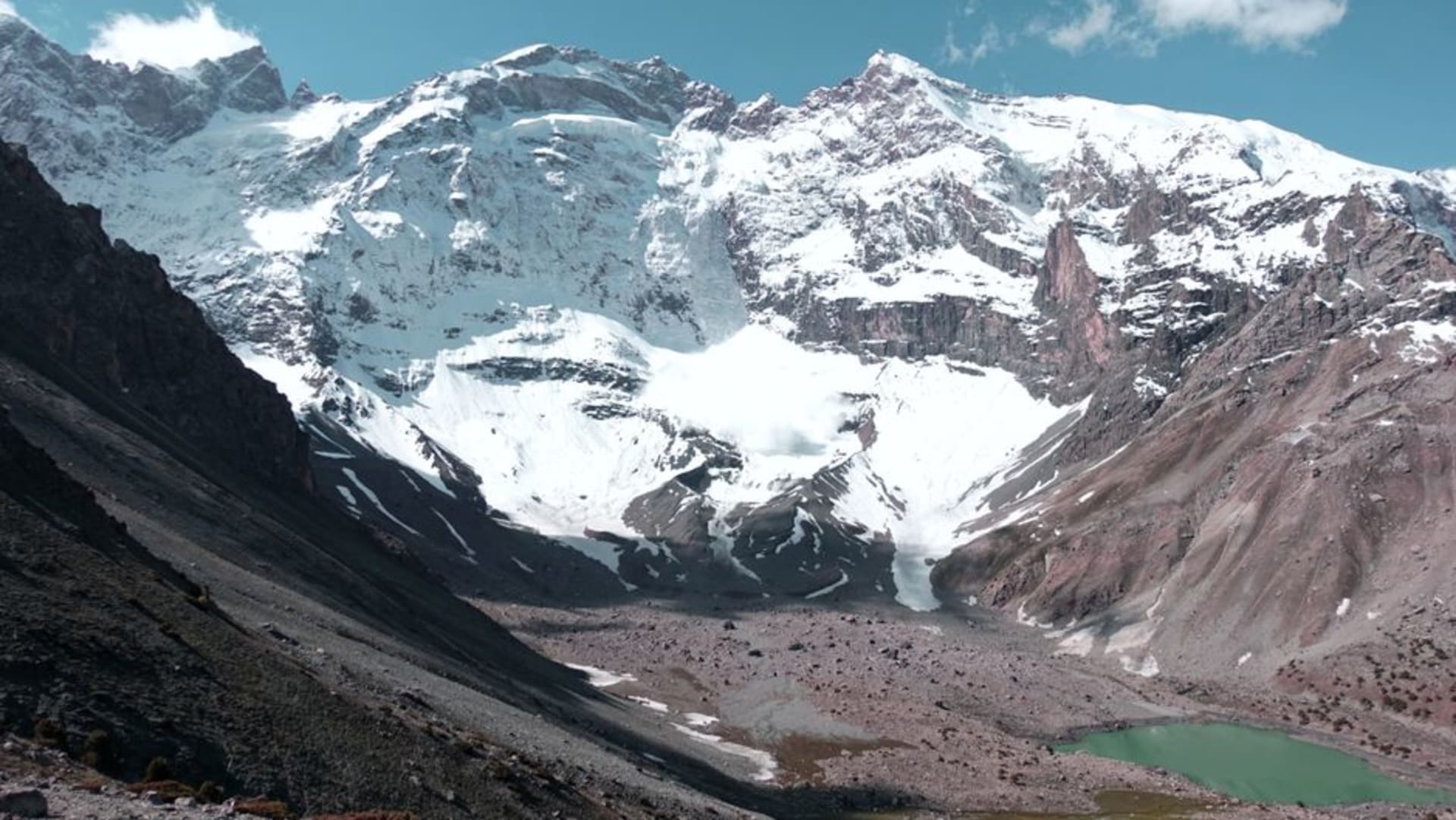
Bulunkul Lake
"I zipped my jacket to my chin in July and still felt like the wind was looking for a way in."
A wind-flattened alpine lake on the Alichur Plateau where the water freezes solid and the nearby village claims the region's cruelest winters.

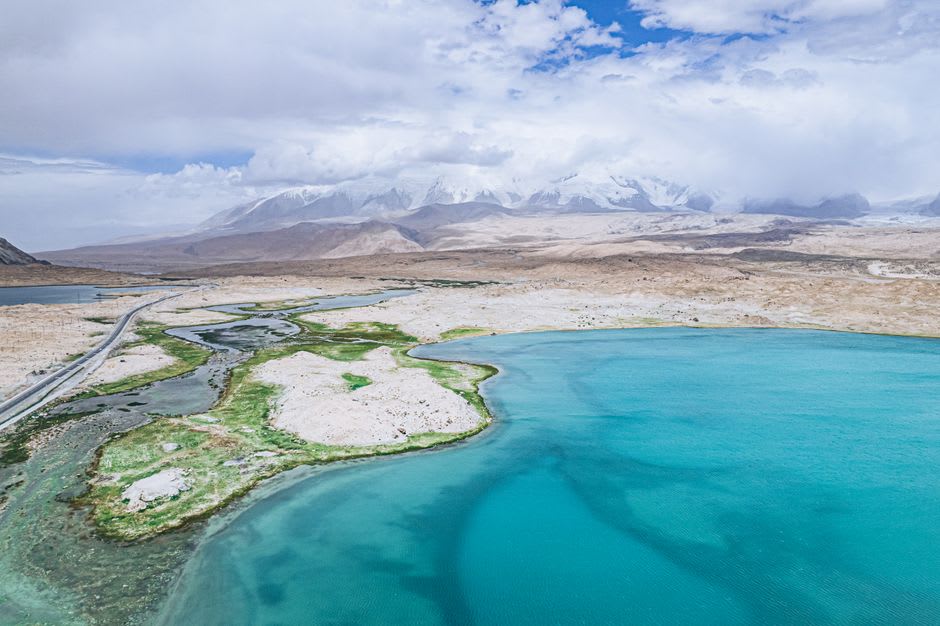
We reached Bulunkul in the late afternoon, which in the Pamirs at almost 3,900 meters means the light goes thin and metallic even before the sun actually sets. Lia had read that the village nearby holds some kind of unofficial record for the coldest inhabited place in the former Soviet Union, and standing on the lakeshore in a summer jacket that suddenly felt useless, I believed it completely. The lake itself is not dramatic in the postcard sense — no glaciers spilling into it, no forest at the edges — just a flat pale sheet of water surrounded by scrubby brown plateau that goes on in every direction until it hits a ridge of mountains that look close enough to touch and are actually a two-day walk away.
What got me was the silence. Not the absence of sound exactly, because the wind was constant and had a kind of low howl to it, but the absence of anything human competing with it. No cars, no music leaking from a shop, no generator hum. A shepherd passed us on the track with a small flock of sheep and didn’t say a word, just nodded, and the nod felt like the loudest social interaction available at that altitude.
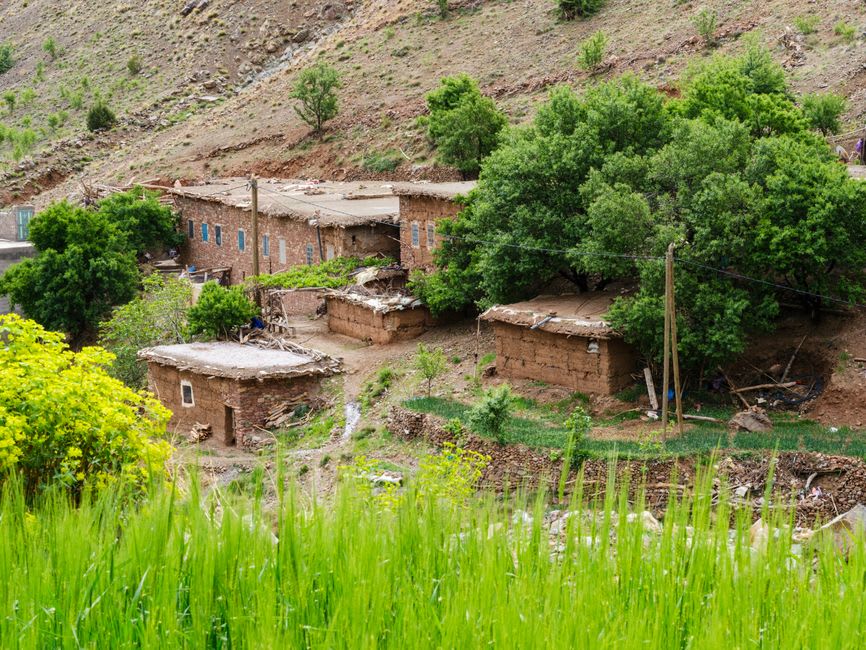
We stayed the night in a homestay that was really one family’s spare room, heated by a small stove that the daughter fed with dried dung because there’s no wood for hundreds of kilometers up here. She brought us tea and bread and yak butter and sat with us for a while, switching between Tajik and a few words of Russian, and told us — half proud, half resigned — that the lake freezes so thick in winter that trucks can drive across it. I don’t doubt her. Even in July the wind coming off the water at dusk had a bite that made me understand why the trees simply give up trying to grow this high.
In the morning the lake had gone completely still, mirror-flat, and the color shifted from gray to a strange milky turquoise as the sun climbed. We didn’t do much there beyond walk the shore and drink more tea — there isn’t a “there” there in the touristic sense, no sight to check off — but it’s one of the places on the Pamir Highway that has stayed with me precisely because nothing was arranged for us to look at. It was just a lake, a village, and a lot of sky, and somehow that combination felt like the most honest version of the Pamirs I saw on the whole trip.
When to go: Visit between June and September; the road to Bulunkul is only reliably passable in the warmer months, and even then expect near-freezing nights regardless of the calendar.
Keep exploring
More from Tajikistan
 tajikistan
 Dushanbe
A Soviet-built capital where tea houses and Cyrillic signs share space with Persian poetry carved into marble facades.
Explore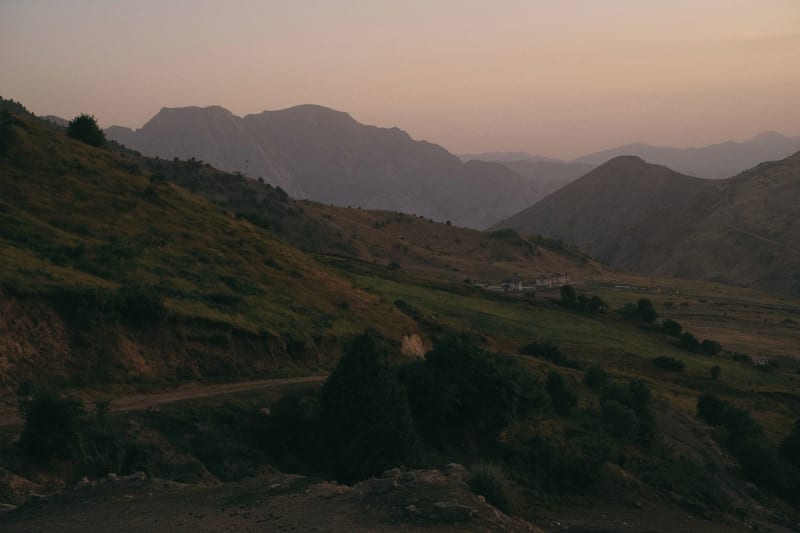 tajikistan
 Fan Mountains
A compact alpine world of turquoise lakes, 5,000-meter peaks, and trails that reward the effort with some of the most photogenic terrain in Central Asia.
Explore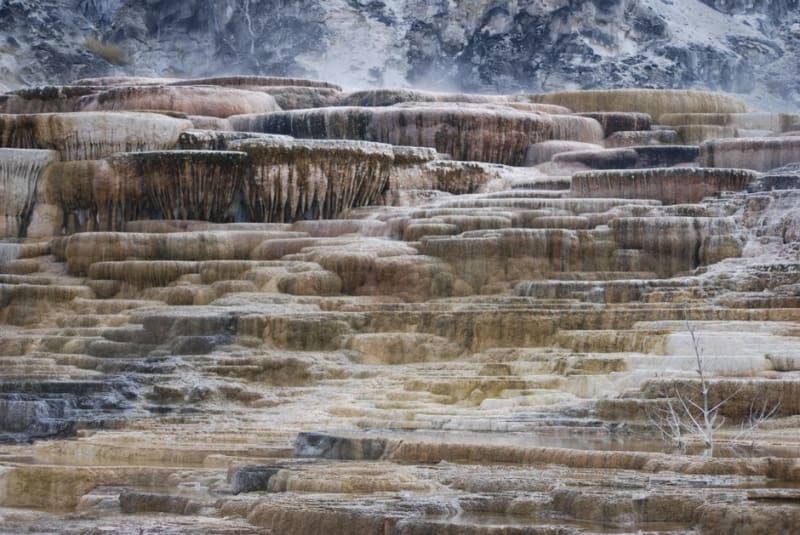 tajikistan
 Garm Chashma
Mineral-laden hot springs pouring down chalky travertine terraces in a narrow Pamir side valley, steaming even in a bitter wind.
Explore tajikistan
 Hisor Fortress
A rebuilt citadel on a bluff outside Dushanbe whose foundations reach back to pre-Islamic Central Asia, now framed by gardens and a bazaar.
Explore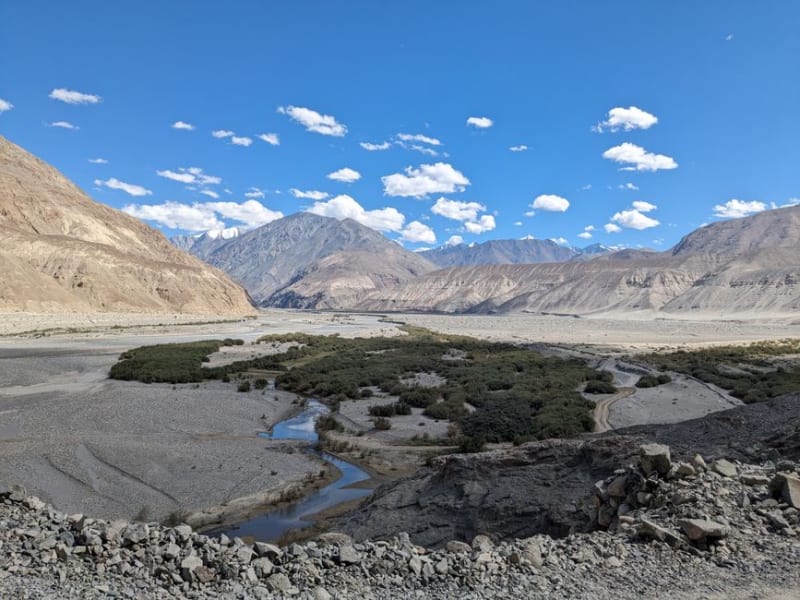 tajikistan
 Ishkashim
A quiet Wakhan border town whose weekly island market lets Tajik and Afghan traders sell to each other without either side needing a visa.
Explore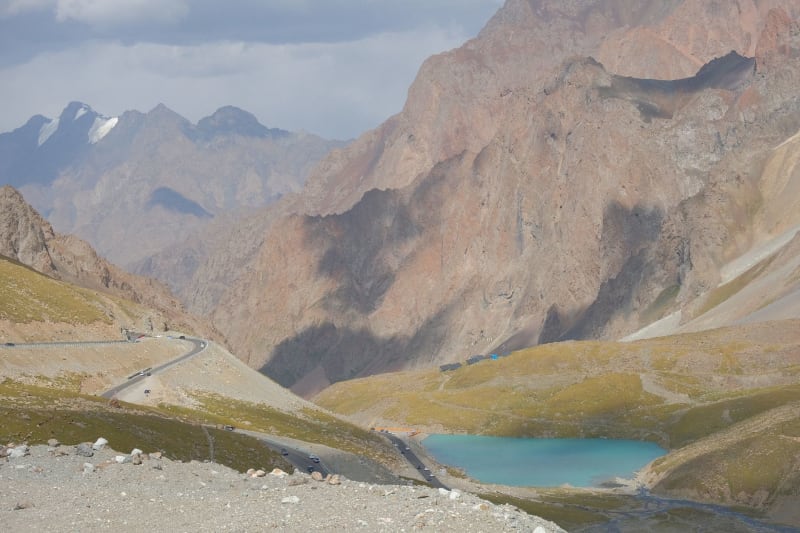 tajikistan
 Iskanderkul
A glacier-fed lake in the Fan Mountains with water so improbably blue it looks like someone made a decision about it.
Explore