Garm Chashma
"We sat chest-deep in water hot enough to sting while snow was still sitting on the ridge above us."
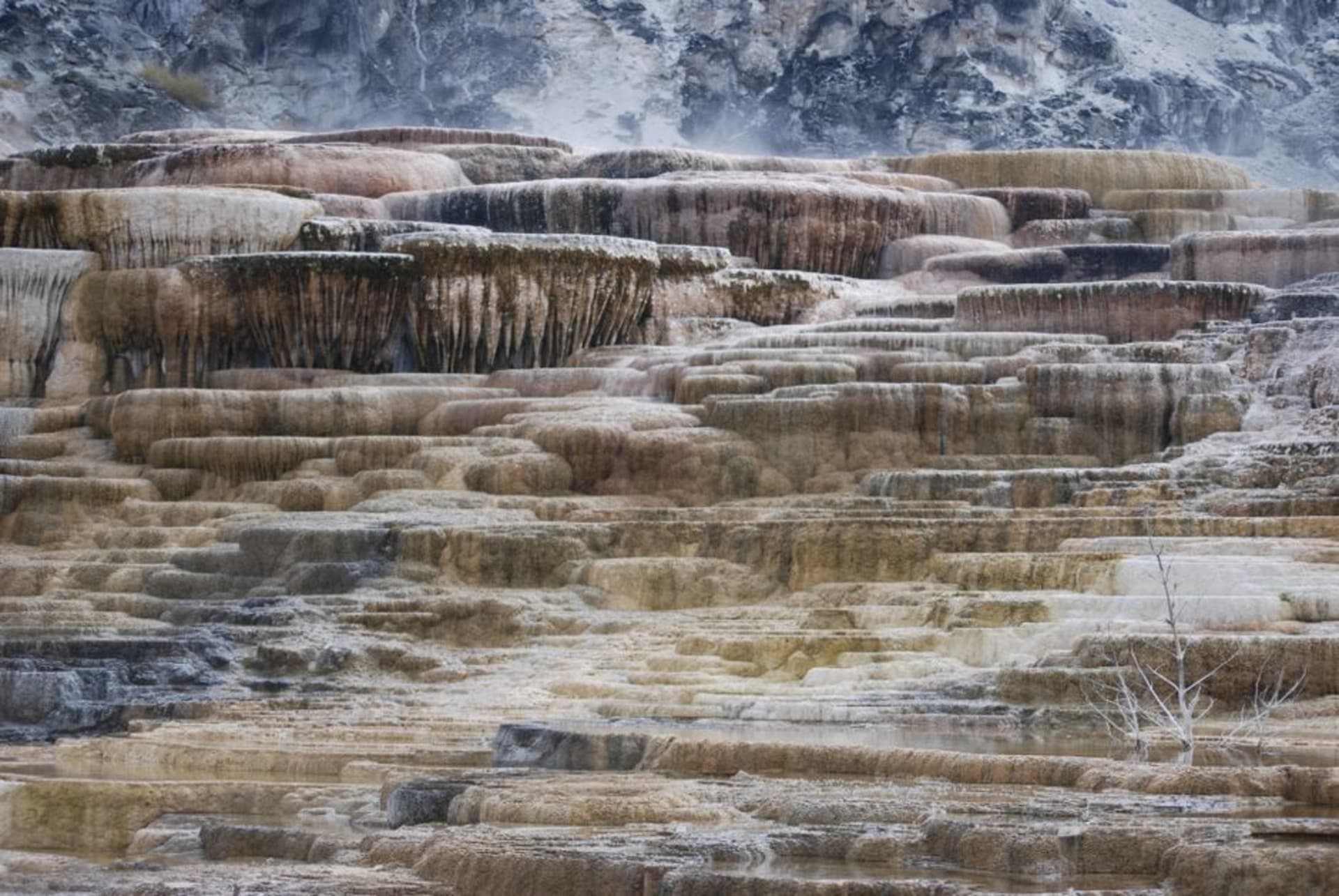
Mineral-laden hot springs pouring down chalky travertine terraces in a narrow Pamir side valley, steaming even in a bitter wind.

Garm Chashma means “hot spring” in Tajik, which is about as literal a name as a place can have, and after the bone-rattling side road it takes to get there — a detour off the main Pamir Highway near Khorog that climbs a narrow gorge for nearly an hour — I was ready for whatever heat it could offer. What I wasn’t ready for was the color. The mineral water has been depositing calcium and other minerals here for so long that it’s built up a series of travertine terraces, pale orange and white and streaked with green algae, cascading down the hillside like something between a waterfall and a wedding cake left out in the rain.
The main bathing structure is a slightly institutional Soviet-era building with a domed pool inside, tiled and steamy, where locals come for what they genuinely believe are medicinal properties — skin conditions, joint pain, that kind of folk-remedy faith that I’ve learned not to dismiss too quickly after a decade of watching it work for people. Lia and I paid a small entrance fee, changed in a concrete side room that had definitely seen better decades, and lowered ourselves into water that was hot enough to make me gasp, mineral-heavy and faintly sulfurous, with a mica-flecked sediment covering the pool floor.

Outside, though, is where the place really earns the detour. The terraces spill down the mountainside in open air, smaller pools forming naturally in the travertine where the runoff cools just enough to be bearable, and we climbed between them barefoot on mineral crust that had a strange soft crunch underfoot, like walking on compacted chalk. Steam kept rising off the whole hillside even as the wind coming down the gorge stayed cold enough to fog my breath, and that contrast — freezing air on my shoulders, scalding water around my legs — is the thing I keep coming back to when I think about the Pamirs.

We ended up staying almost two hours longer than planned, partly from the water itself and partly because an older Tajik man soaking near us insisted on explaining, in patient fragments of Russian, exactly which mineral did what for exactly which ailment. I understood maybe a third of it. It didn’t matter. There’s a specific kind of contentment that comes from sitting in hot water at 2,300 meters with snow visible on the peaks above you, and Garm Chashma delivers it without any pretense of being a spa resort.
When to go: Open year-round, but spring through autumn makes the access road manageable; a snowy winter visit is possible with the right vehicle and adds real drama to the steam-versus-cold contrast.
Keep exploring
More from Tajikistan
 tajikistan
 Hisor Fortress
A rebuilt citadel on a bluff outside Dushanbe whose foundations reach back to pre-Islamic Central Asia, now framed by gardens and a bazaar.
Explore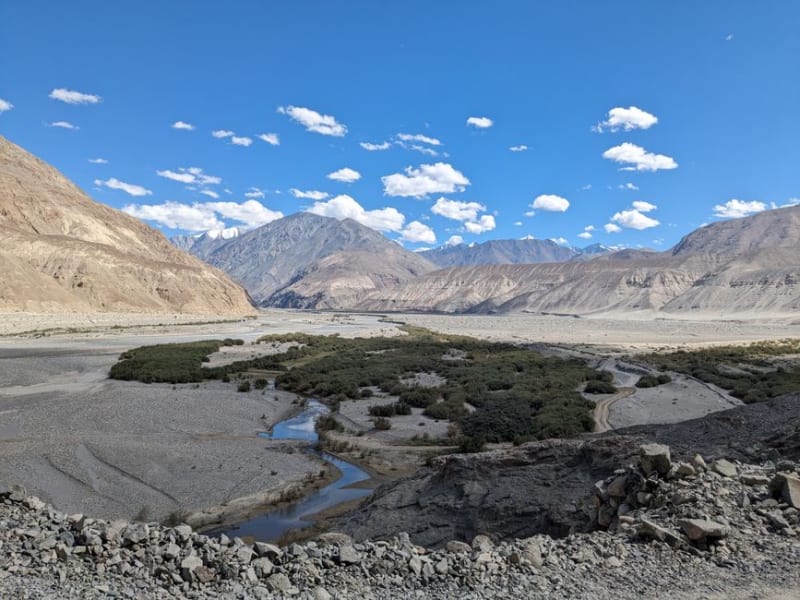 tajikistan
 Ishkashim
A quiet Wakhan border town whose weekly island market lets Tajik and Afghan traders sell to each other without either side needing a visa.
Explore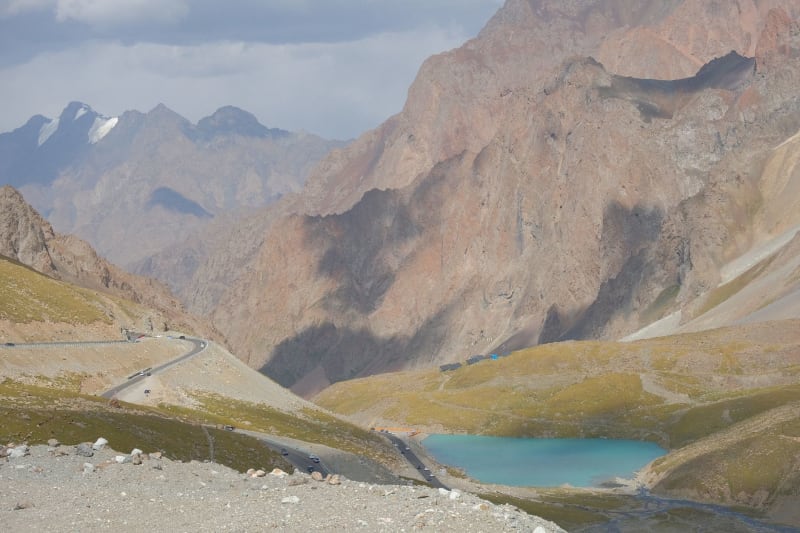 tajikistan
 Iskanderkul
A glacier-fed lake in the Fan Mountains with water so improbably blue it looks like someone made a decision about it.
Explore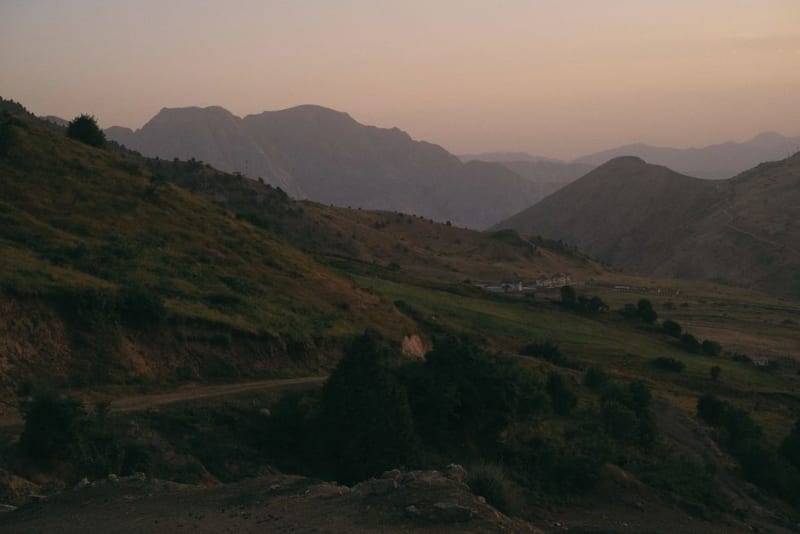 tajikistan
 Kalai-Khumb
A dusty riverside town on the Panj where the Pamir Highway stops pretending to be a normal road and starts climbing into the mountains.
Explore tajikistan
 Karakul Lake
A vast, fiercely blue salt lake sitting at nearly 4,000 metres inside an ancient meteorite crater on the high Pamir, where a single windblown village clings to the shore beneath the thinnest sky I have ever breathed.
Explore tajikistan
 Khorog
The unlikely capital of Gorno-Badakhshan sits in a deep river gorge where two rivers meet, and where the Aga Khan's development projects have created something quietly extraordinary.
Explore