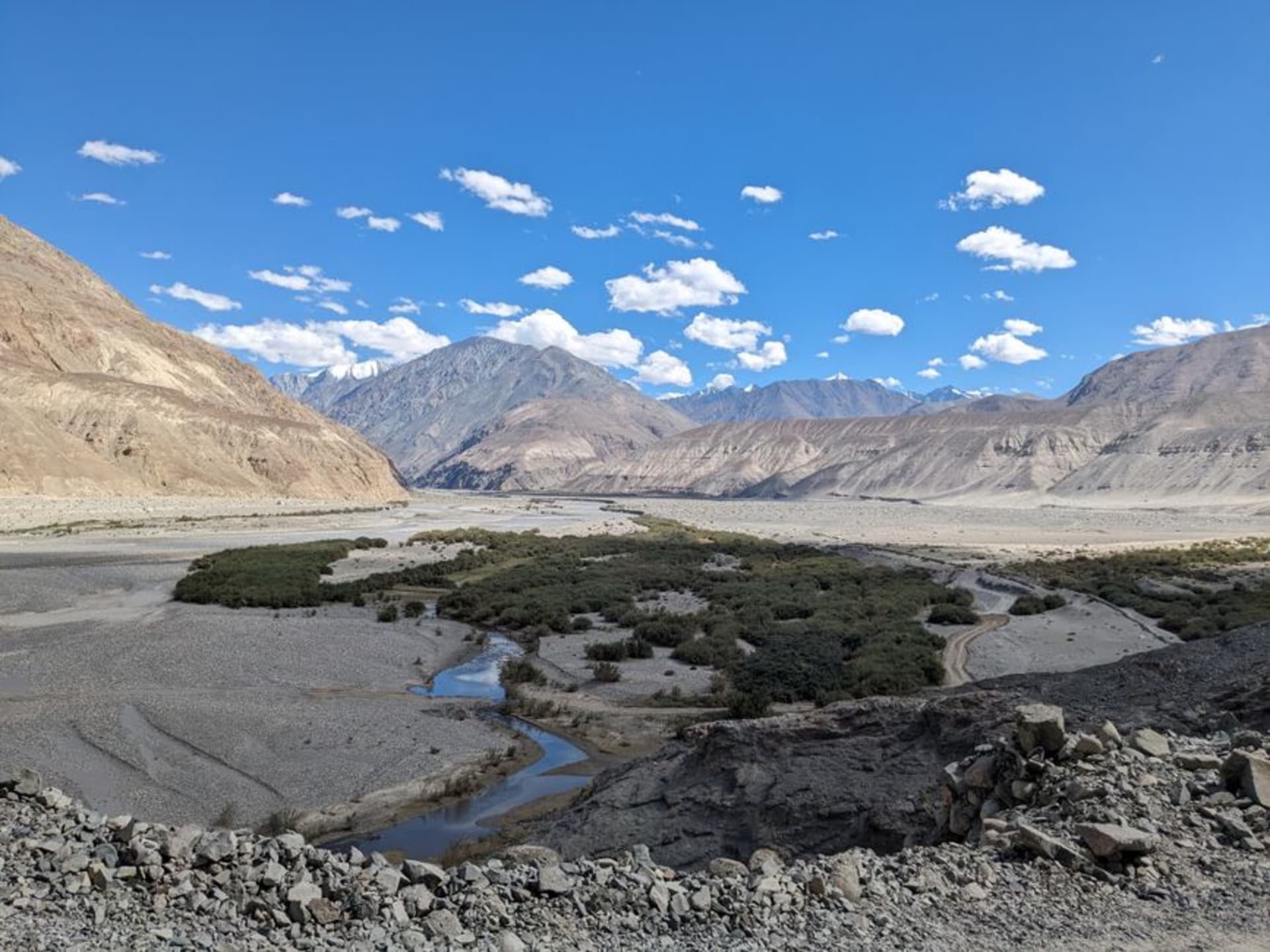
Ishkashim
"I bought a scarf from an Afghan trader standing on a river island neither of us technically had to cross a border to reach."
A quiet Wakhan border town whose weekly island market lets Tajik and Afghan traders sell to each other without either side needing a visa.

The reason we detoured to Ishkashim was the Saturday market, the one everyone talks about on the Pamir Highway grapevine — a strip of land on an island in the Panj River, halfway between Tajikistan and Afghanistan, where traders from both countries set up stalls without either group formally entering the other’s territory. It sounded almost too neat to be true, but there it was: Tajik vendors selling dried fruit, honey, and Chinese-made household goods on one row, Afghan traders across the way with pakol hats, scarves, and semi-precious stones, and a loose no-man’s-land feeling to the whole thing that I haven’t experienced anywhere else.
Lia spent a long time negotiating for a lapis lazuli pendant with a trader who spoke maybe six words of English and about the same in Russian, and we settled the price mostly through fingers and a shared laugh when we both landed on the same number at the same time. Nobody checked our passports to get onto the island. A soldier stood near the bridge looking bored, and that was about the extent of the border formality for the day.
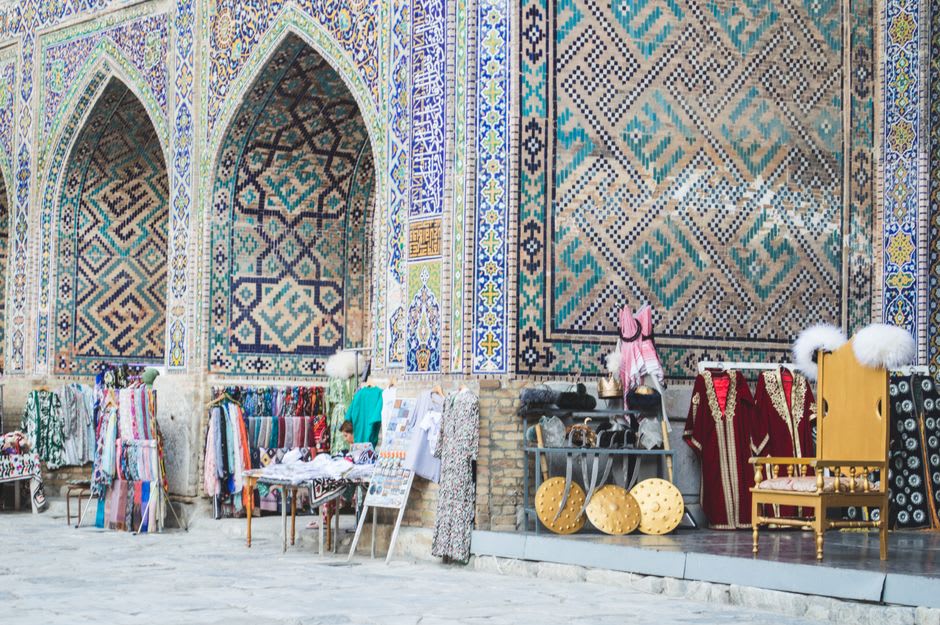
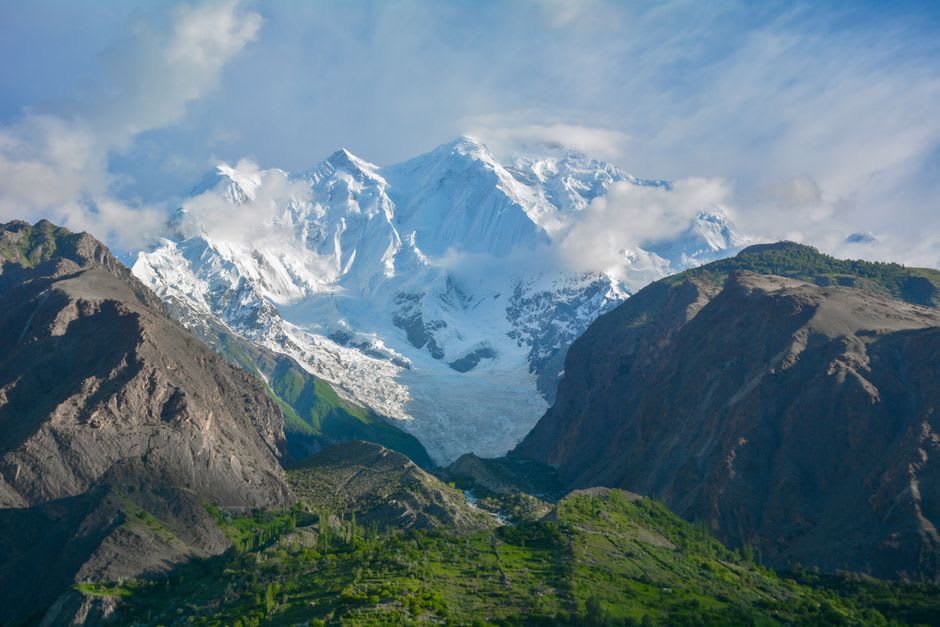
The town of Ishkashim itself, on the Tajik side, is low-key past the market — a scatter of houses, a bazaar street, and views across the Wakhan Corridor toward the snowy wall of the Hindu Kush that made the whole Afghan side of the valley look almost close enough to walk to by evening. We stayed at a homestay run by a family who’d hosted travelers on the Pamir route for years, and the father, over dinner, talked about the corridor’s strange geography — a strip of Afghanistan barely ten kilometers wide at points, wedged there deliberately by nineteenth-century empires so Russia and British India wouldn’t share a direct border. It’s the kind of history that suddenly makes sense of a landscape you’re sitting inside.
What stuck with me wasn’t a single dramatic moment but the accumulation of small ones — a kid on the Afghan side of the island waving at us, a trader insisting we try dried mulberries before buying any, the low murmur of Dari and Tajik mixing over the stalls. Ishkashim doesn’t try to be a sight. It’s just a place where an ordinary weekly market happens to sit on one of the more unusual borders in the world, and for a couple of hours that felt like enough.
When to go: The market runs on Saturdays, roughly May through October when the road and border crossing are open; check locally since it can shift with weather or politics.
Keep exploring
More from Tajikistan
 tajikistan
 Iskanderkul
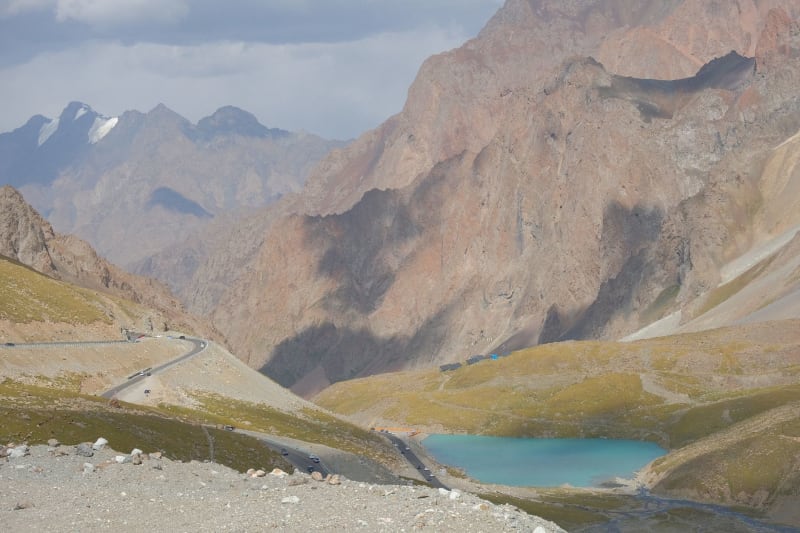
A glacier-fed lake in the Fan Mountains with water so improbably blue it looks like someone made a decision about it.
Explore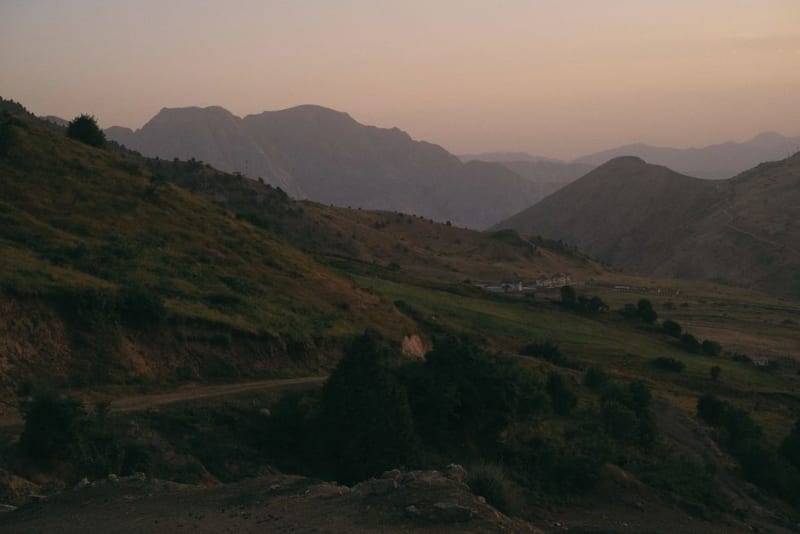 tajikistan
 Kalai-Khumb
A dusty riverside town on the Panj where the Pamir Highway stops pretending to be a normal road and starts climbing into the mountains.
Explore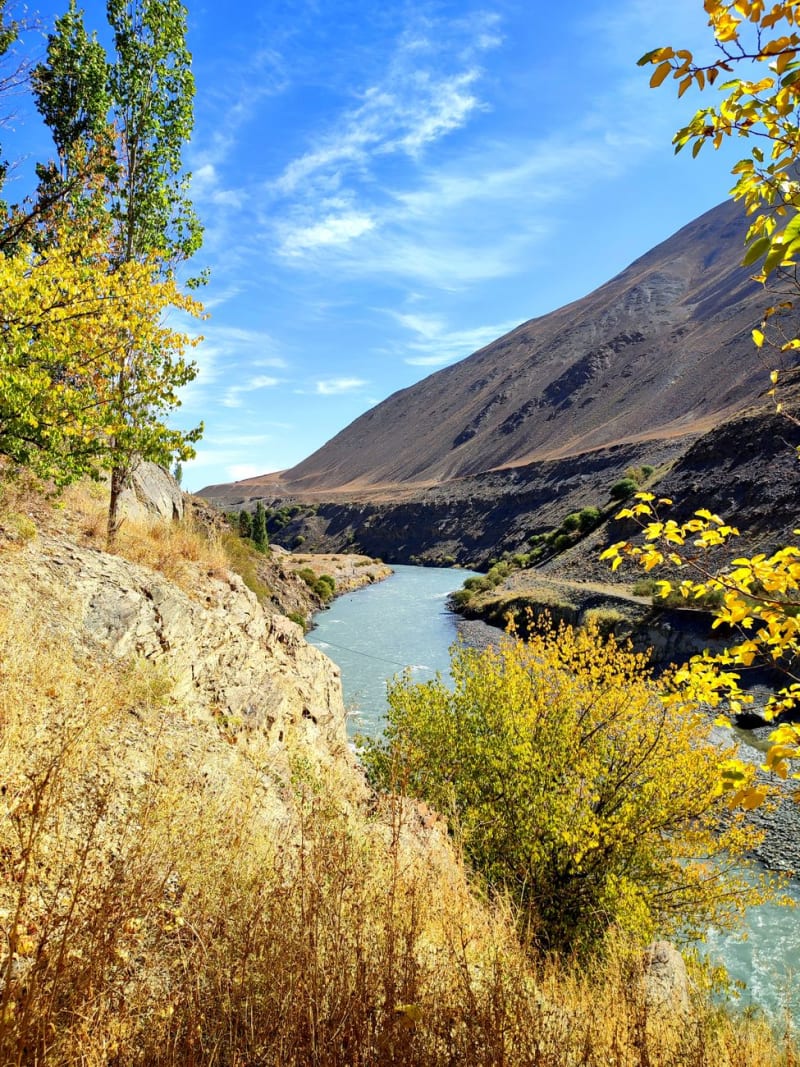 tajikistan
 Karakul Lake
A vast, fiercely blue salt lake sitting at nearly 4,000 metres inside an ancient meteorite crater on the high Pamir, where a single windblown village clings to the shore beneath the thinnest sky I have ever breathed.
Explore tajikistan
 Khorog
The unlikely capital of Gorno-Badakhshan sits in a deep river gorge where two rivers meet, and where the Aga Khan's development projects have created something quietly extraordinary.
Explore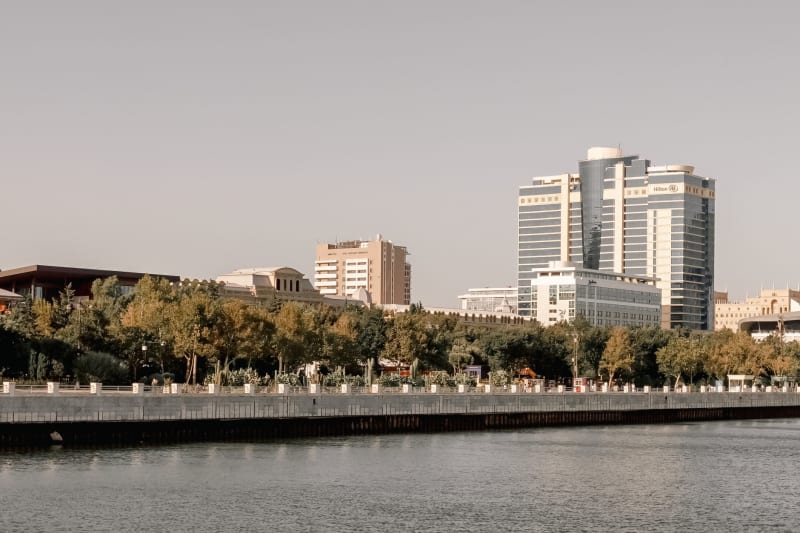 tajikistan
 Khujand
Tajikistan's second city sits in the fertile Fergana Valley where Silk Road merchants once stopped and where the bazaar still runs on the same logic.
Explore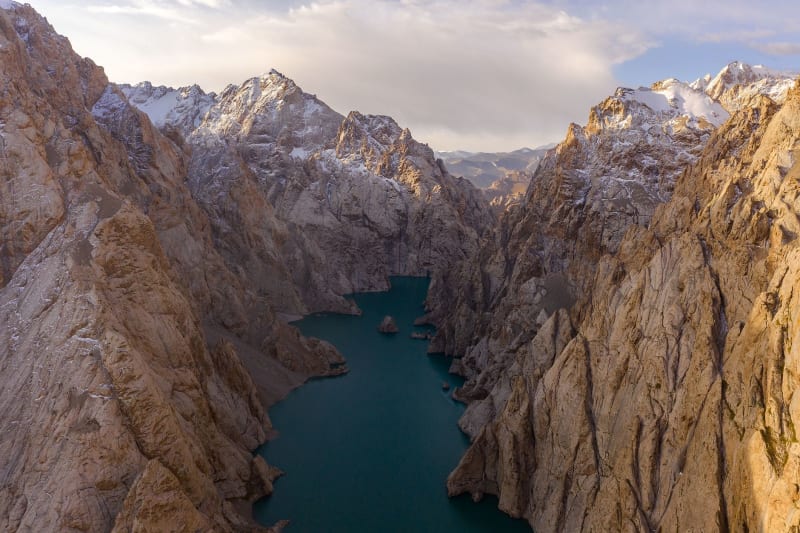 tajikistan
 Murghab
A Kyrgyz market town at 3,600 meters on the Pamir Plateau, where the sky is closer than anywhere I've been and the wind never quite stops.
Explore