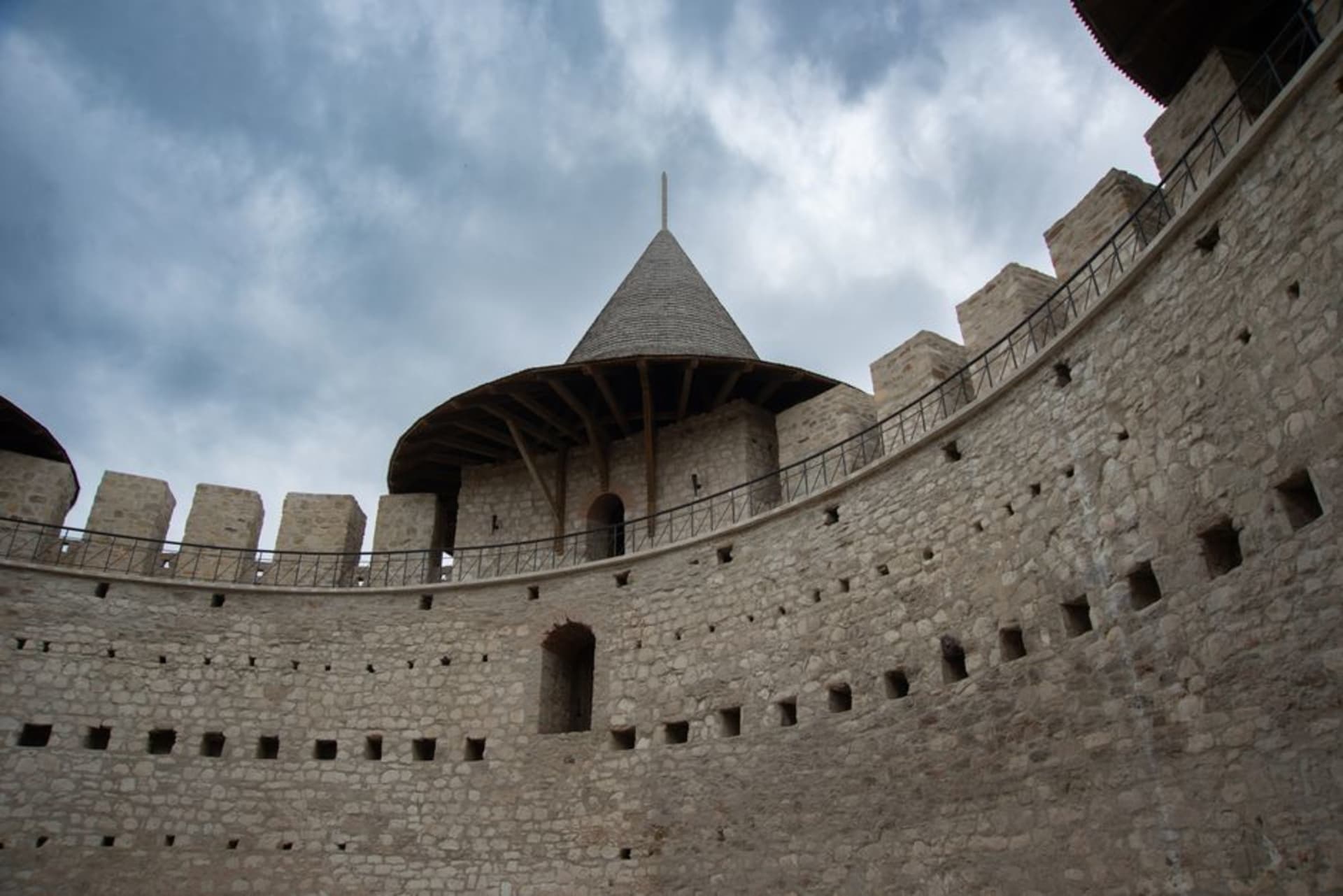
Hisor Fortress
"It's an obvious rebuild, and I still stood at the gate longer than I meant to, trying to picture two and a half thousand years stacked under my feet."
A rebuilt citadel on a bluff outside Dushanbe whose foundations reach back to pre-Islamic Central Asia, now framed by gardens and a bazaar.

We took a shared taxi out to Hisor almost as an afterthought, a half-day trip from Dushanbe before our flight into the Pamirs, and I went in expecting a minor detour and came out thinking about it more than I expected to. The current fortress is a reconstruction — most of what you see was rebuilt in the twentieth century after the original citadel had crumbled through centuries of use and disuse — but the site itself has been fortified in some form since well before Islam reached this part of Central Asia, sitting on a strategic bluff that controlled routes between what’s now Uzbekistan and the mountains to the east.
Walking up the ramp toward the twin gate towers, thick mudbrick walls the color of the surrounding hills, I kept having to remind myself that the rebuild doesn’t erase the layers underneath it. Archaeologists have found traces going back roughly two and a half thousand years on this hill, through Sogdian, Arab, Timurid, and Uzbek khanate control, each one adding or knocking down a piece of what stood here before. Standing at the crenellated walls looking out over the Hisor valley, green and irrigated below the dry hillside, it wasn’t hard to see why every power that passed through wanted this particular vantage point.
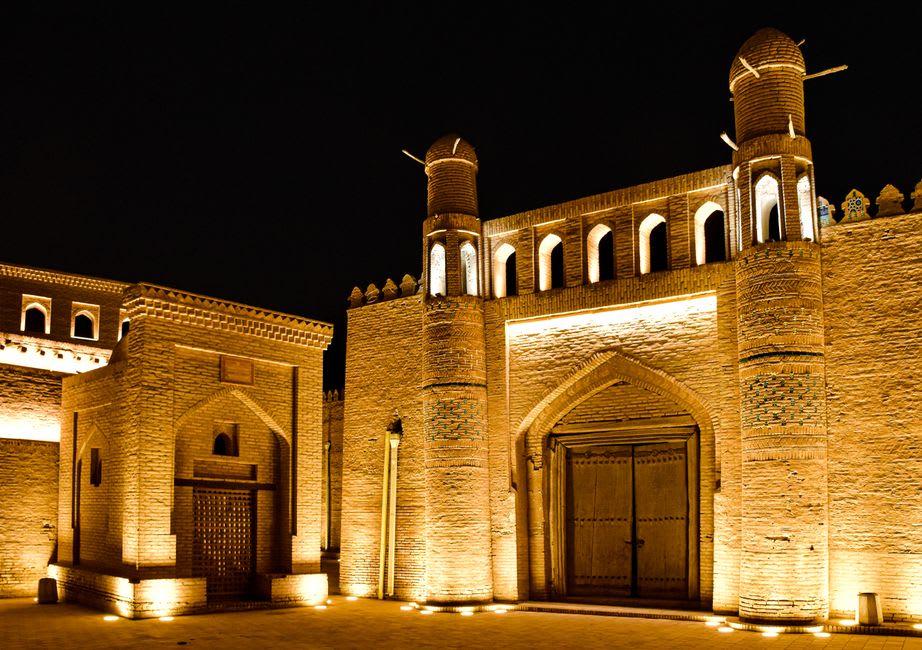
Inside the grounds there’s a small museum, a couple of restored madrasas from the seventeenth and eighteenth centuries with carved wooden pillars, and a garden that locals clearly treat as a normal park — families having picnics on the grass, teenagers taking photos by the walls, an ice cream cart doing steady business near the entrance. Lia pointed out, correctly, that it has almost none of the hushed reverence you’d expect at a monument this old, and I think that’s actually the best thing about it. Nobody’s pretending this is a museum piece behind glass; it’s a citadel that got knocked down and rebuilt and is now just part of how a nearby town spends its Sunday.

We finished at the little bazaar just below the fortress walls, buying dried apricots and a cone of sunflower seeds from a woman who barely looked up from her scale, and I remember thinking that this combination — an ancient, half-rebuilt citadel with a working market at its feet — is a pretty honest snapshot of how history actually survives in this part of the world. Not preserved in amber, just kept in use.
When to go: Spring or early autumn, when the valley below is green and the midday heat outside Dushanbe hasn’t turned brutal yet.
Keep exploring
More from Tajikistan
 tajikistan
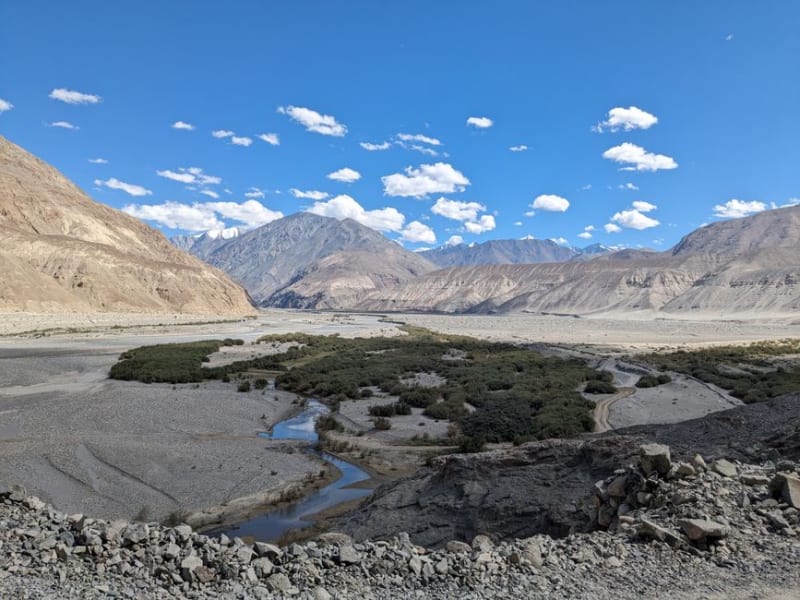
 Ishkashim
A quiet Wakhan border town whose weekly island market lets Tajik and Afghan traders sell to each other without either side needing a visa.
Explore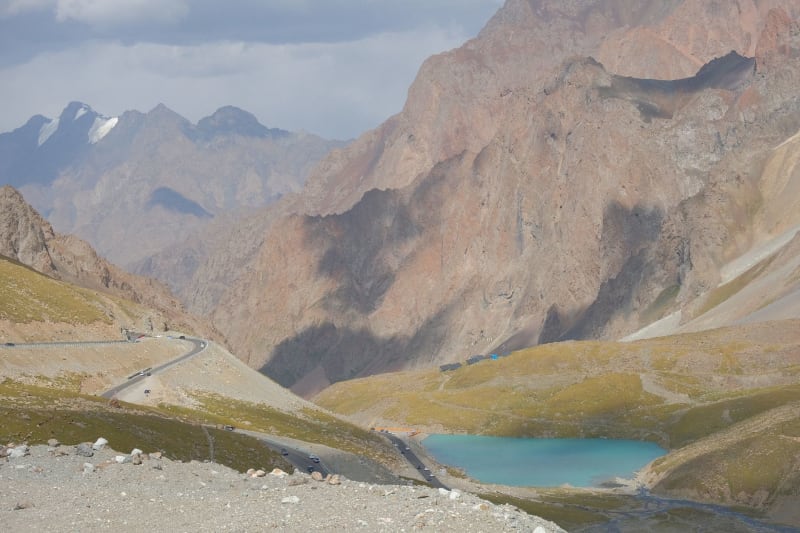 tajikistan
 Iskanderkul
A glacier-fed lake in the Fan Mountains with water so improbably blue it looks like someone made a decision about it.
Explore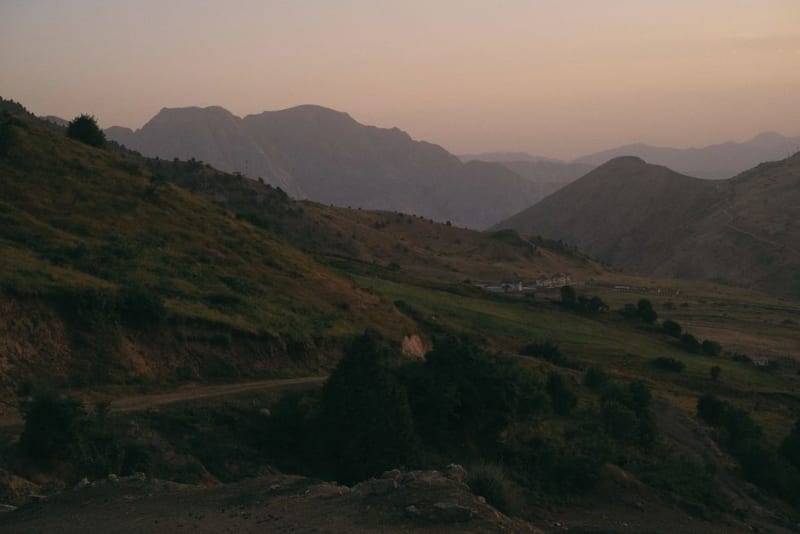 tajikistan
 Kalai-Khumb
A dusty riverside town on the Panj where the Pamir Highway stops pretending to be a normal road and starts climbing into the mountains.
Explore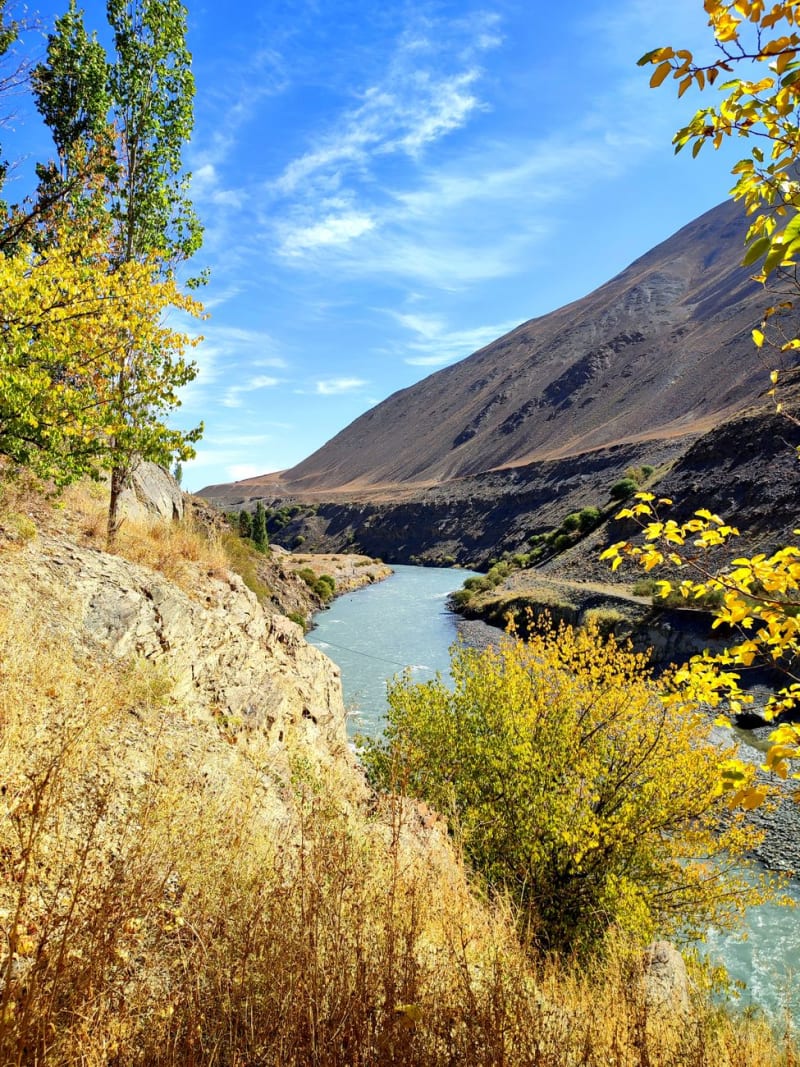 tajikistan
 Karakul Lake
A vast, fiercely blue salt lake sitting at nearly 4,000 metres inside an ancient meteorite crater on the high Pamir, where a single windblown village clings to the shore beneath the thinnest sky I have ever breathed.
Explore tajikistan
 Khorog
The unlikely capital of Gorno-Badakhshan sits in a deep river gorge where two rivers meet, and where the Aga Khan's development projects have created something quietly extraordinary.
Explore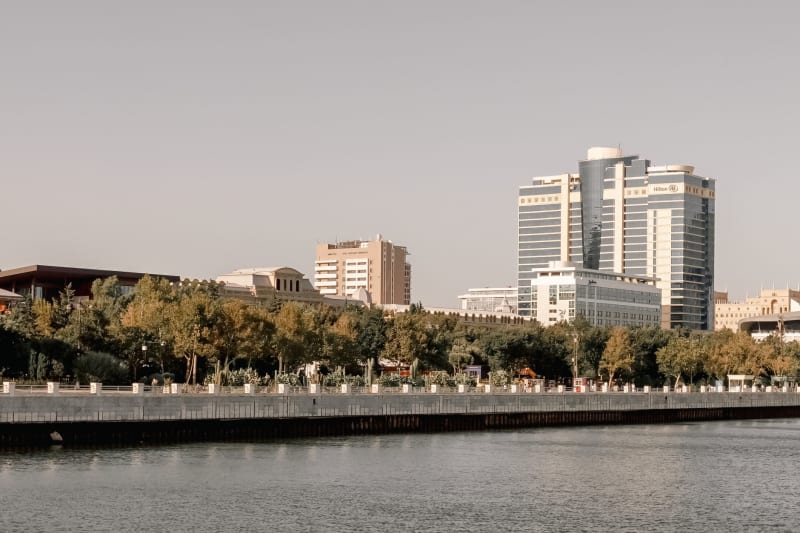 tajikistan
 Khujand
Tajikistan's second city sits in the fertile Fergana Valley where Silk Road merchants once stopped and where the bazaar still runs on the same logic.
Explore