Europe
Spain
"Spain doesn't want your itinerary. It wants your afternoon."
Spain operates on a different clock, and not just because dinner starts at ten. There is a fundamental unhurriedness here that seeps into everything — the way a bartender in San Sebastián will describe each pintxo as though nothing else in the world requires his attention, the way an afternoon in Seville’s Santa Cruz quarter can dissolve into three hours of wandering without purpose or regret. This is a country that invented the siesta not out of laziness but out of a correct understanding of priorities. The heat will pass. The wine will not drink itself.
Andalucía alone could occupy a lifetime. Granada’s Alhambra is justly famous, but the white villages of the Alpujarras, draped across the Sierra Nevada like spilled sugar, are where the south reveals its quieter self. The Basque Country is another nation entirely — green, coastal, rain-washed, with a food culture so concentrated it feels almost unfair. A single street in San Sebastián’s old town holds more extraordinary cooking per square meter than most capital cities manage in total. Barcelona gets the headlines, and Gaudí deserves them, but the city’s deeper pleasures lie in the Gothic Quarter at dusk, in the vermouth bars of Poble-sec, in the Romanesque murals of the MNAC that most visitors never reach.
When to go: April to June or September to October. July and August bring crushing heat to the interior and south, and coastal resorts overflow. Late September in Andalucía or the Basque Country is close to perfect — warm, unhurried, and thinning of crowds.
What most guides get wrong: They route you through Madrid, Barcelona, and maybe Seville, then call it done. Spain’s genius is regional. The difference between Galicia and Valencia, between Asturias and Extremadura, is not just geographic but cultural, culinary, and temperamental. The country rewards those who pick a region and stay.
Explore
Places in Spain
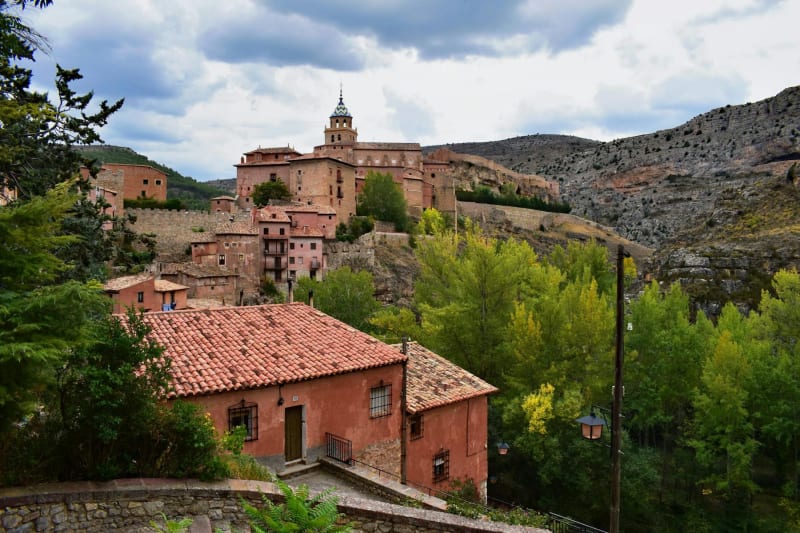
Albarracín
Pink-red medieval walls clinging to a cliff loop in Aragon, considered the most beautiful small town in Spain by those who find it.
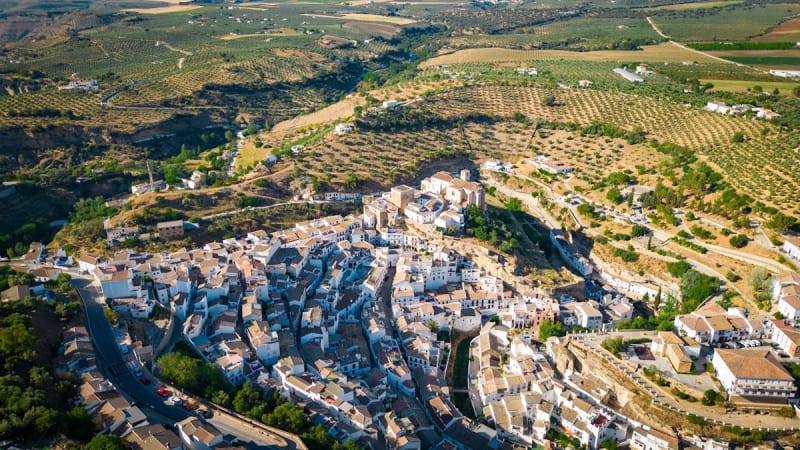
Andalucía
The soul of Spain lives here — in whitewashed villages, flamenco rhythms, and the scent of orange blossoms.
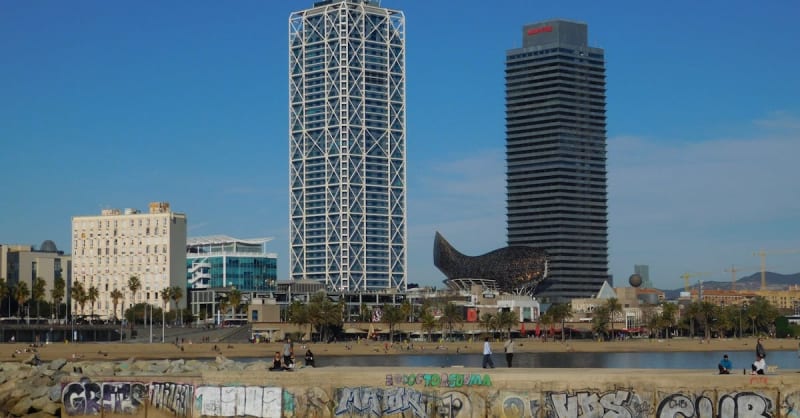
Barcelona
A city where Gaudí's impossible architecture meets Mediterranean beaches and tapas bars that never close.
Basque Country
A fiercely independent region where the cuisine rivals anywhere on earth and the coastline is wild and green.
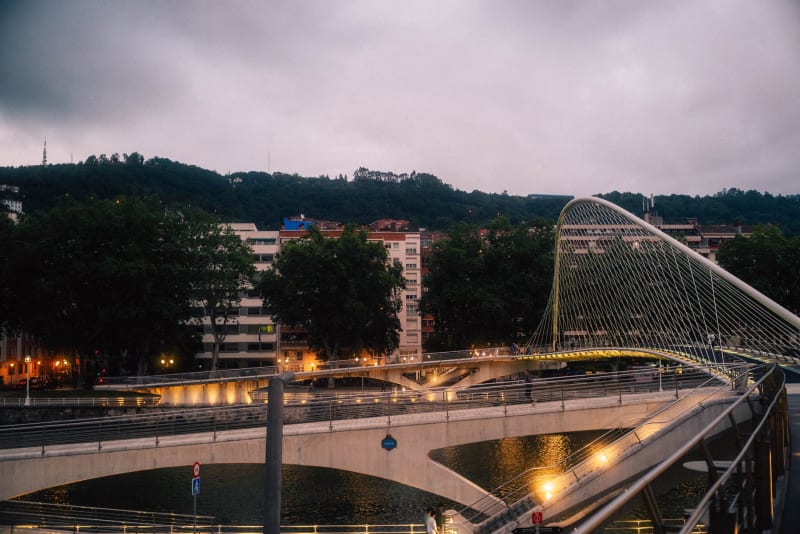
Bilbao
The Guggenheim transformed a post-industrial port city into a global art destination — and then Bilbao surprised everyone by having great food too.
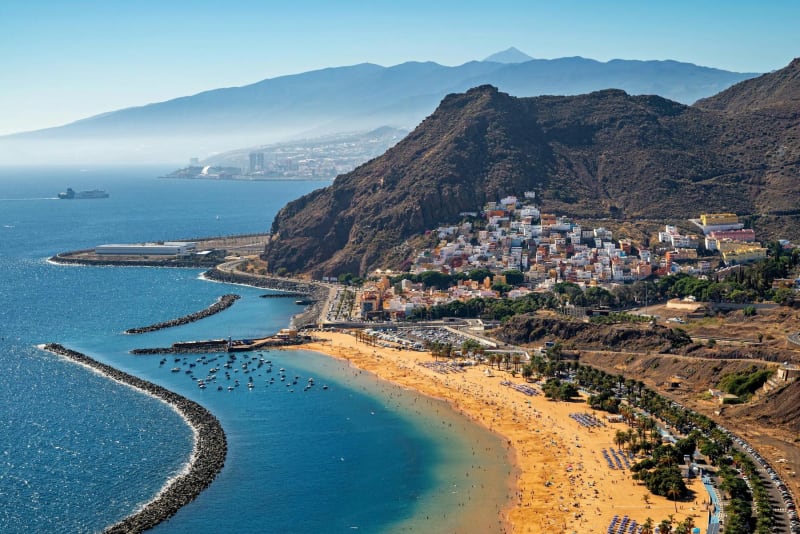
Canary Islands
Spain's African archipelago offers volcanic moonscapes, eternal spring climate, and a cultural layering of Guanche, Spanish, and Atlantic influences.

Córdoba
The city where three civilizations coexisted and created the Mezquita — a mosque-cathedral of impossible beauty that defies a single explanation.

Cova Galdana
A horseshoe cove on Menorca's south coast encircled by limestone cliffs and pine forest with no large resort development.
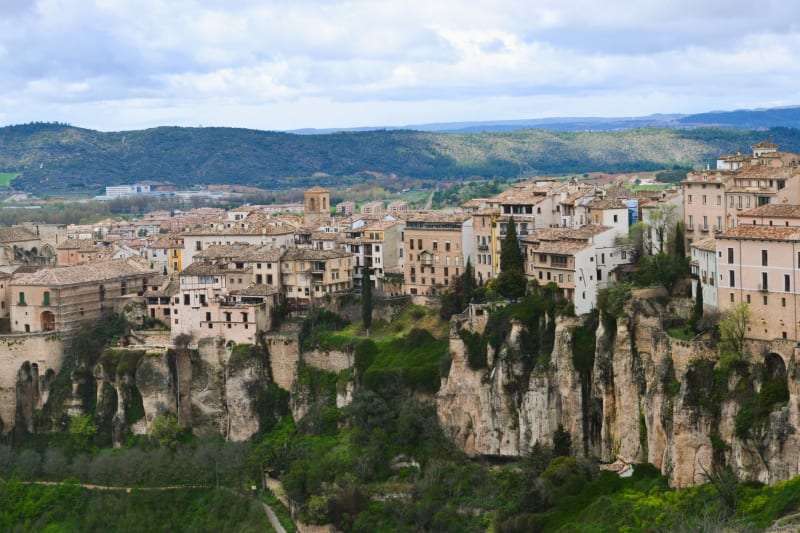
Cuenca
A medieval city stacked on a knife-edge of rock between two river gorges, famous for the casas colgadas — houses that hang over the void.
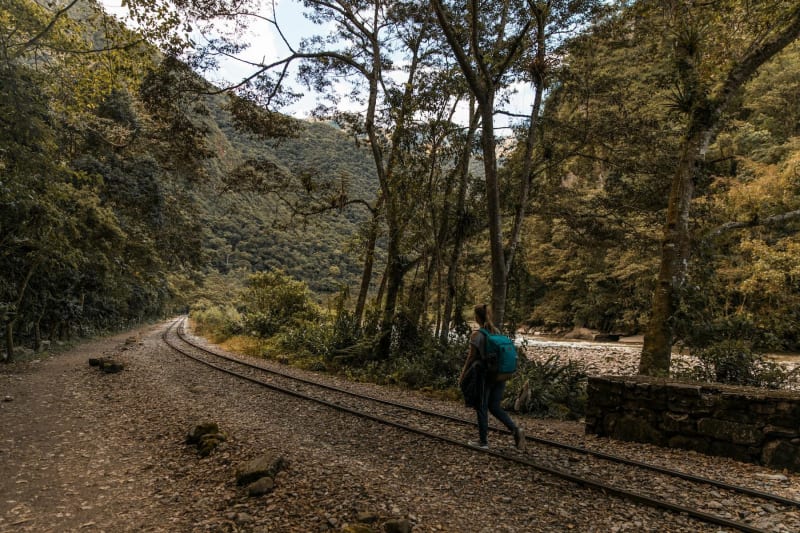
Frias
Spain's smallest officially titled city, stacked on a rock above the Ebro with a hanging quarter that defies gravity.
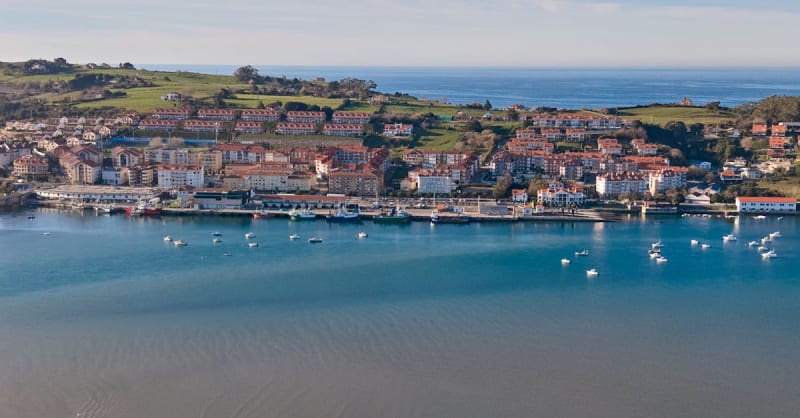
Galicia
Spain's green, misty northwest corner where Celtic roots run deep and the seafood is the best in Europe.
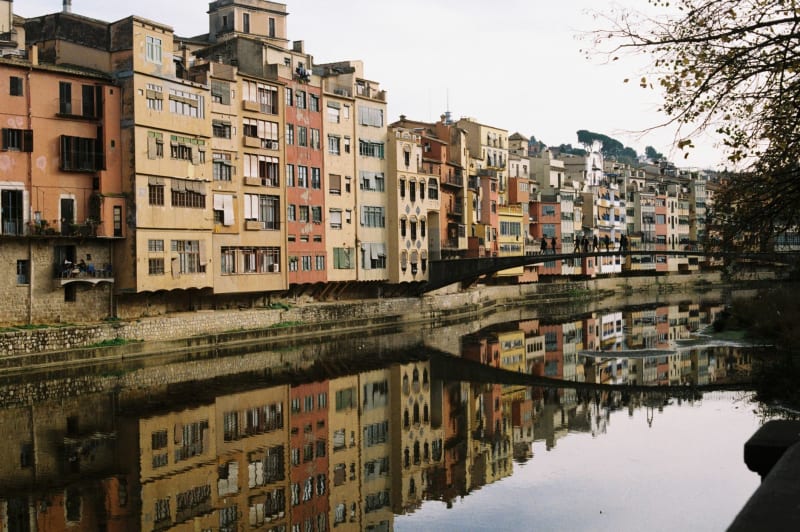
Girona
Game of Thrones filmed in its medieval Jewish Quarter for good reason — Girona's colored river houses and ancient walls compose a natural set of rare beauty.

Barcelona's Gothic Quarter
Two thousand years compressed into labyrinthine Roman lanes beneath a Gothic cathedral — Barcelona's ancient heart beats loudest here after dark.
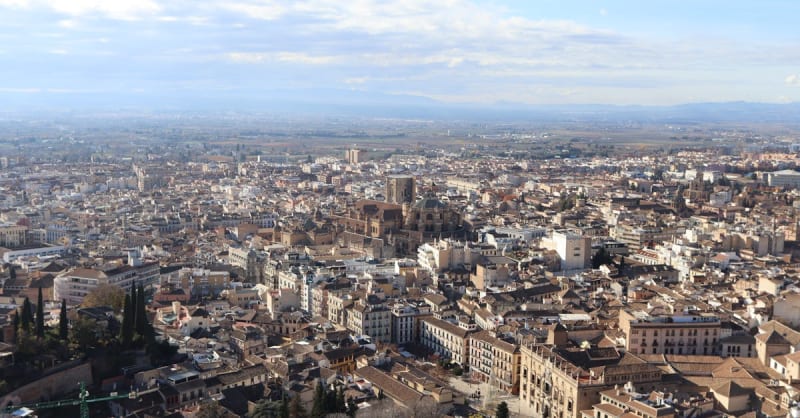
Granada
A city where the Alhambra watches over gypsy caves, snow-capped peaks, and the last breath of Moorish Spain.
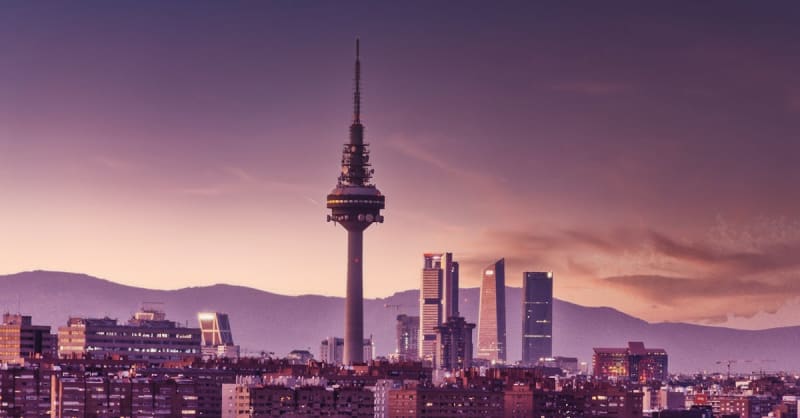
Madrid
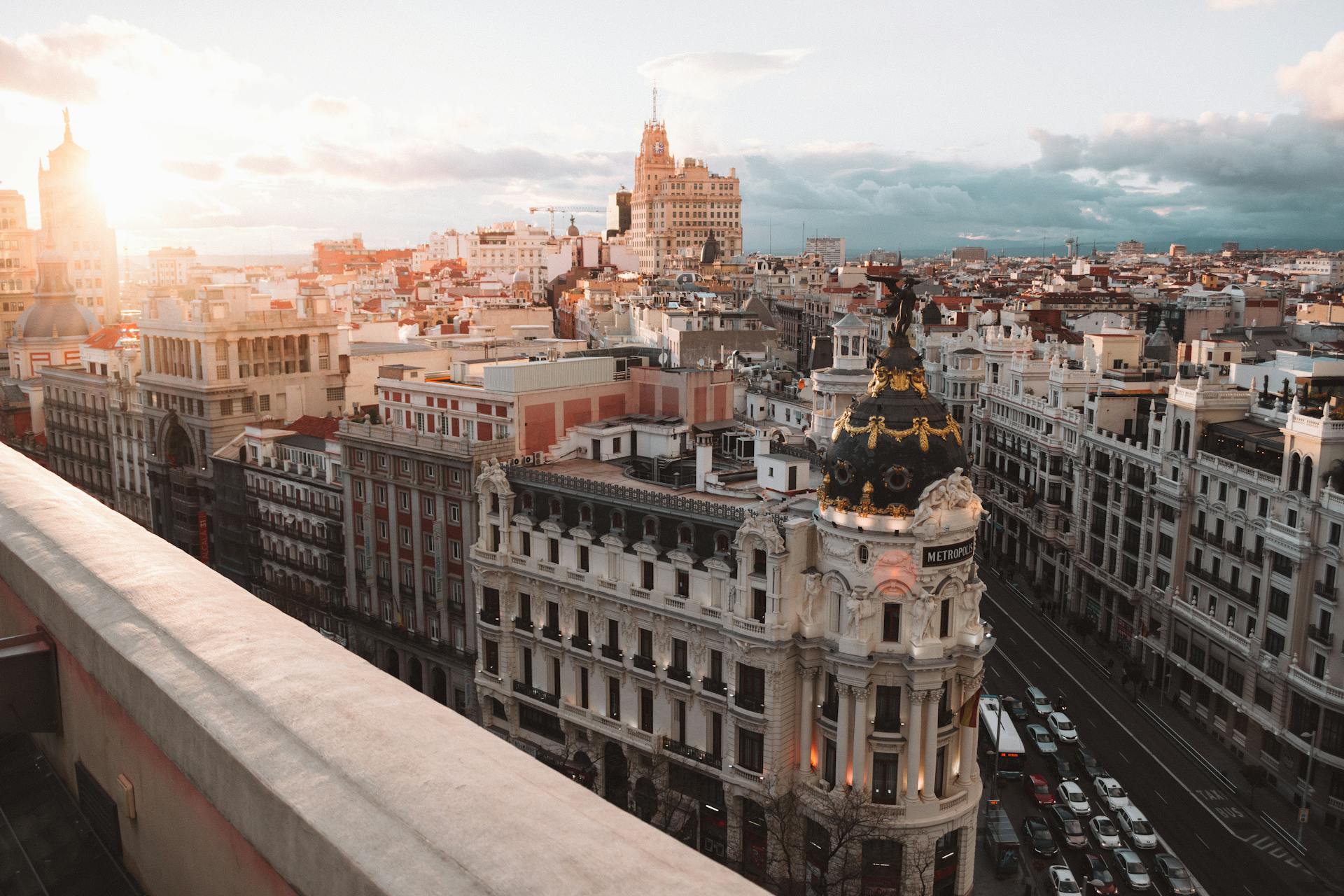
Spain's capital thrives on late nights, world-class art, and a fierce devotion to living well.
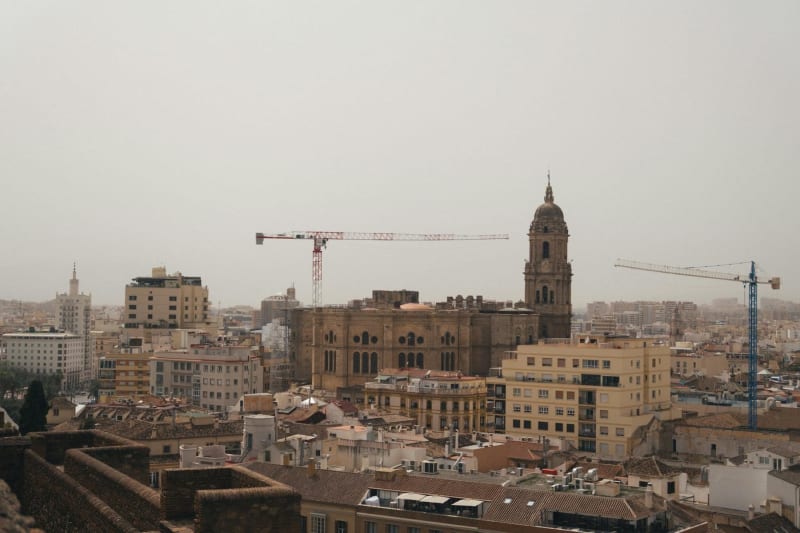
Malaga
Picasso's birthplace is the Costa del Sol's cultured heart: Phoenician port, Moorish Alcazaba, and a tapas bar culture that embarrasses the rest of Andalusia.

Mallorca
Far more than a beach resort — an island of limestone mountains, hidden coves, and ancient olive groves.

Menorca
The calmest of the Balearics: a UNESCO Biosphere Reserve of prehistoric monuments, crystalline coves, and a character Mallorca's crowds never interrupted.
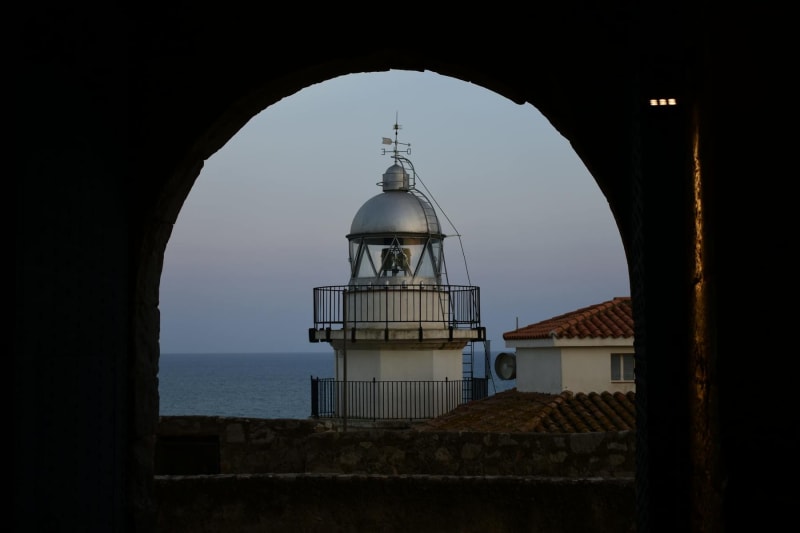
Peñíscola
A walled papal city rising from a rocky promontory into the Mediterranean, overshadowed by its own beach resort sprawl.
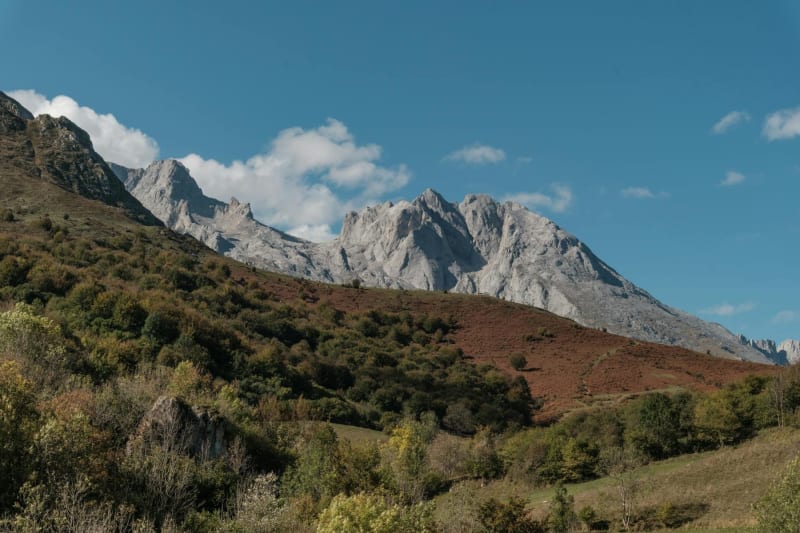
Picos de Europa Potes
A medieval market village at the confluence of four rivers beneath the limestone towers of the Picos de Europa in Cantabria.
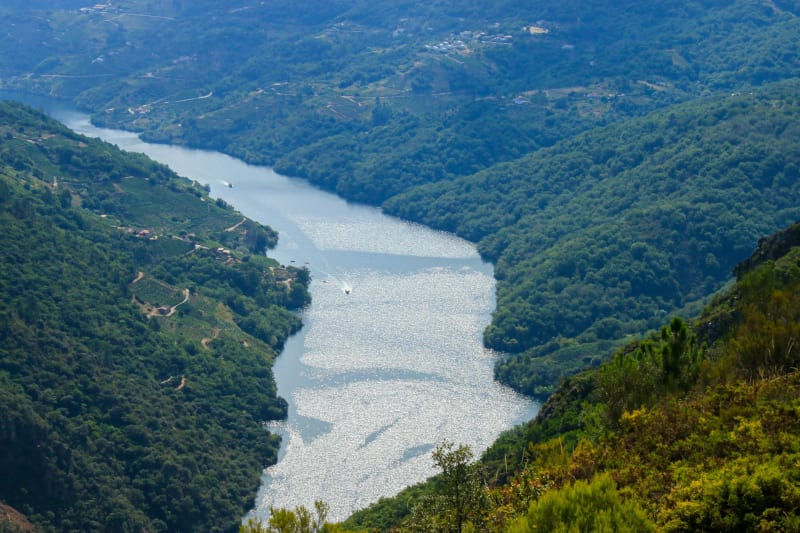
Ribeira Sacra
Heroic viticulture on near-vertical slate terraces above the Sil and Miño river gorges in inland Galicia.
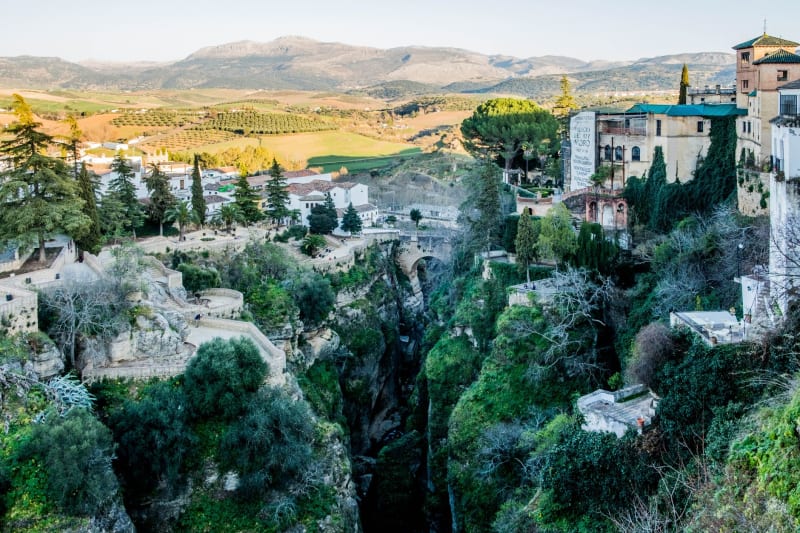
Ronda
A white town balanced on the edge of a spectacular gorge, its 18th-century bridge spanning 120 meters of sheer Andalusian air.
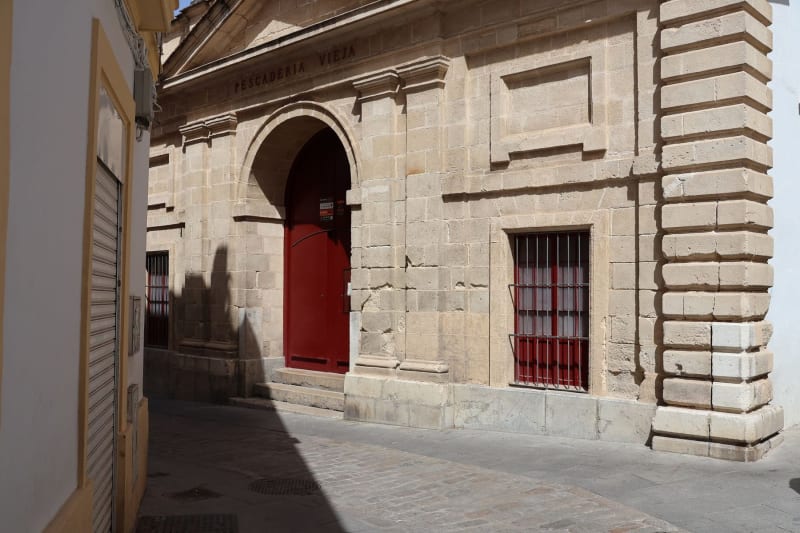
Ronda La Vieja
The ruins of a Roman city above modern Ronda, set in grasslands with an aqueduct and views to the Sierra de Ronda.
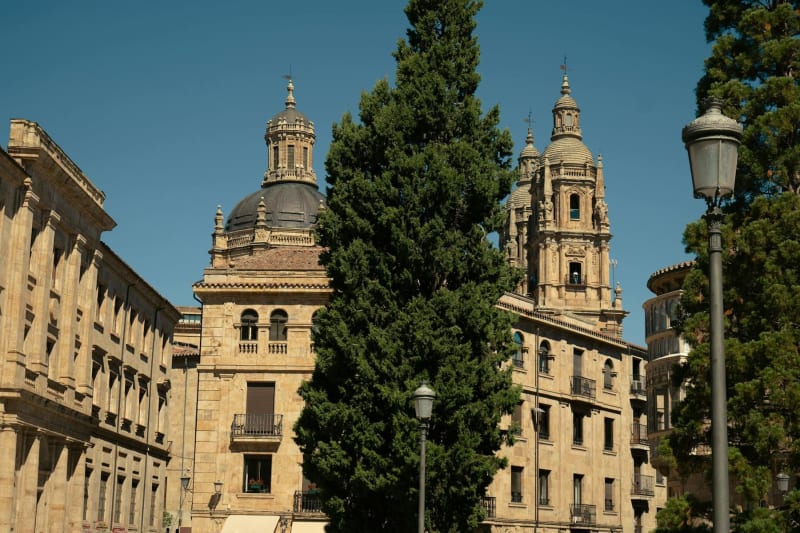
Salamanca
A UNESCO university city of golden sandstone glowing like amber at sunset — the Plaza Mayor alone ranks among Spain's greatest urban achievements.
San Sebastián
A crescent bay backed by green hills where the world's best food scene fits inside a few cobblestone blocks.
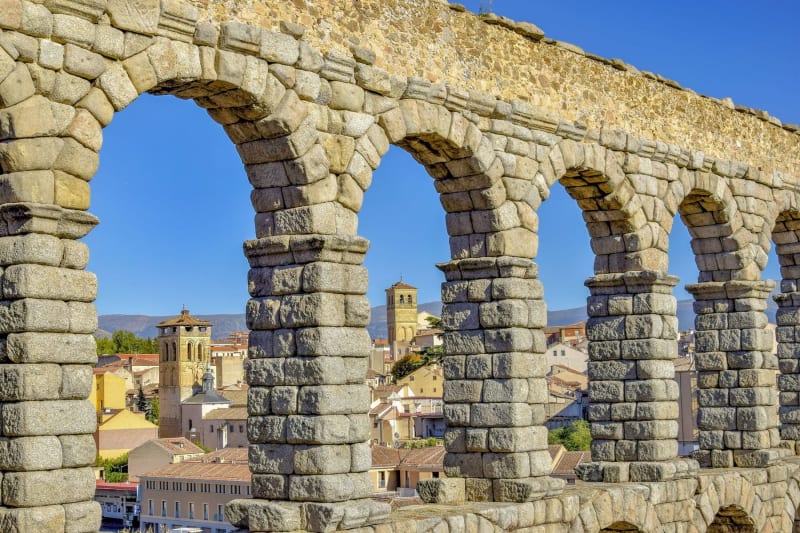
Segovia
A Roman aqueduct, a Disneyesque Alcázar, and a cathedral converge in a city set on a rocky outcrop above the Castilian plain.
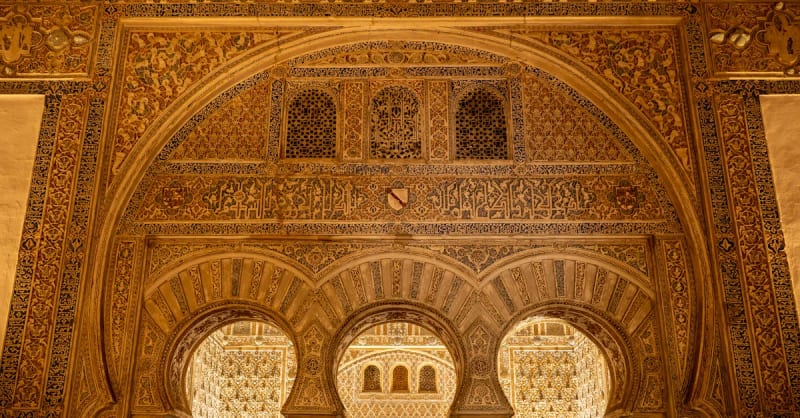
Seville
Andalucía's passionate capital — a city of flamenco, azulejos, and orange trees lining every street.
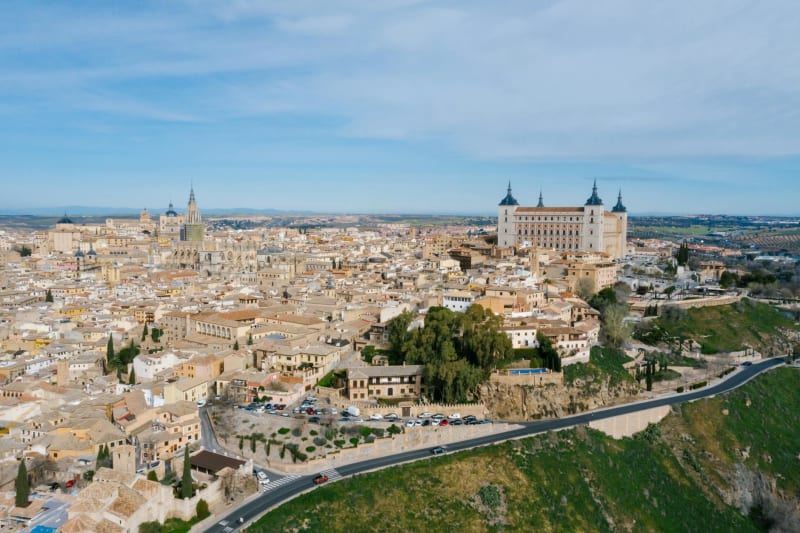
Toledo
The 'City of Three Cultures' rises on a Tagus river bend where Jewish, Moorish, and Christian civilizations built their masterworks side by side.
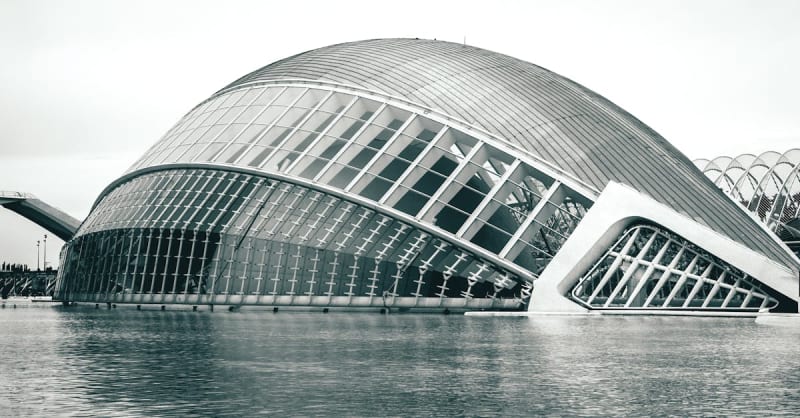
Valencia
The birthplace of paella, a city of futuristic architecture and old-quarter charm on the Mediterranean coast.

Free download
Get the Spain Guide
A curated PDF itinerary with honest picks, real restaurants, and the details that matter — the kind you'd actually print and bring.
Download the guide