Barcelona is a city that refuses to choose between art and pleasure, so it simply excels at both. I have known this since my first visit at twenty, when I stepped off a night train from Paris and walked straight into the Gothic Quarter at dawn, the narrow medieval alleys still wet from a street-cleaning truck, the stone walls catching the first light in shades of honey and smoke. I have been back four times since, and each time the city reveals something I missed — a Romanesque chapel behind a construction site, a vermouth bar in Poble-sec that has been pouring since 1903, a rooftop in the Eixample where someone has planted a garden among the chimneys and you can see the Sagrada Família framed between two satellite dishes like something out of a Dalí painting.
Gaudí and the Madness of Modernisme
The Sagrada Família is the building that makes atheists reconsider, or at least pause. Gaudí spent forty-three years on it and died before the nave was half-finished, hit by a tram in 1926, dressed so shabbily that bystanders mistook him for a vagrant. Nearly a century later, the basilica is still under construction, still being built according to his plans, and still the most extraordinary piece of architecture most visitors will ever stand inside. The interior is a forest of branching columns designed to distribute weight the way a tree distributes wind — Gaudí studied nature the way other architects studied textbooks, and the result is a space that feels grown rather than built. The stained glass throws colour across the stone in shifting bands of blue and gold and red, and in the late afternoon the whole nave ignites.
Beyond the Sagrada Família, the Eixample district is a grid of modernisme architecture — Gaudí’s Casa Batlló and La Pedrera, Domènech i Montaner’s Palau de la Música Catalana with its inverted dome of stained glass, the lesser-known Casa Amatller next door that most visitors walk past without entering. The balconies drip with wrought iron and broken tile. The rooflines undulate. The entire neighbourhood feels like the product of architects who were given unlimited budgets and absolutely no restraint, and it is glorious.
The Gothic Quarter and El Born
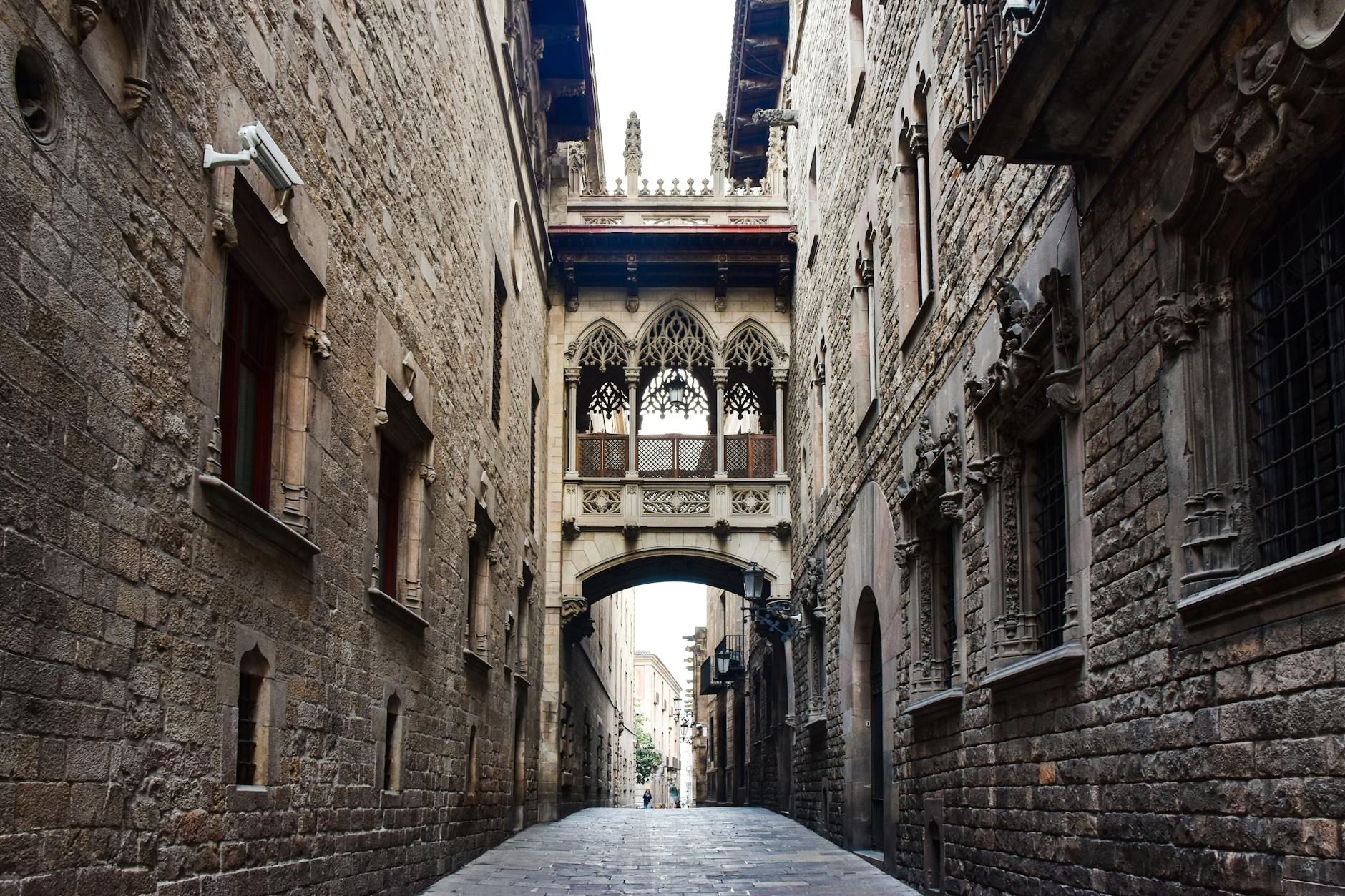
The Barri Gòtic is where Barcelona’s medieval bones show through the modern skin. The cathedral — not the Sagrada Família, but the older, quieter one — sits in a square where geese wander the cloister and street musicians play Bach cello suites against walls that have been standing since the fourteenth century. The narrow streets around Plaça del Rei still follow Roman lines, and if you look carefully you can find sections of the original Roman wall embedded in later buildings, two thousand years of construction layered like geological strata.
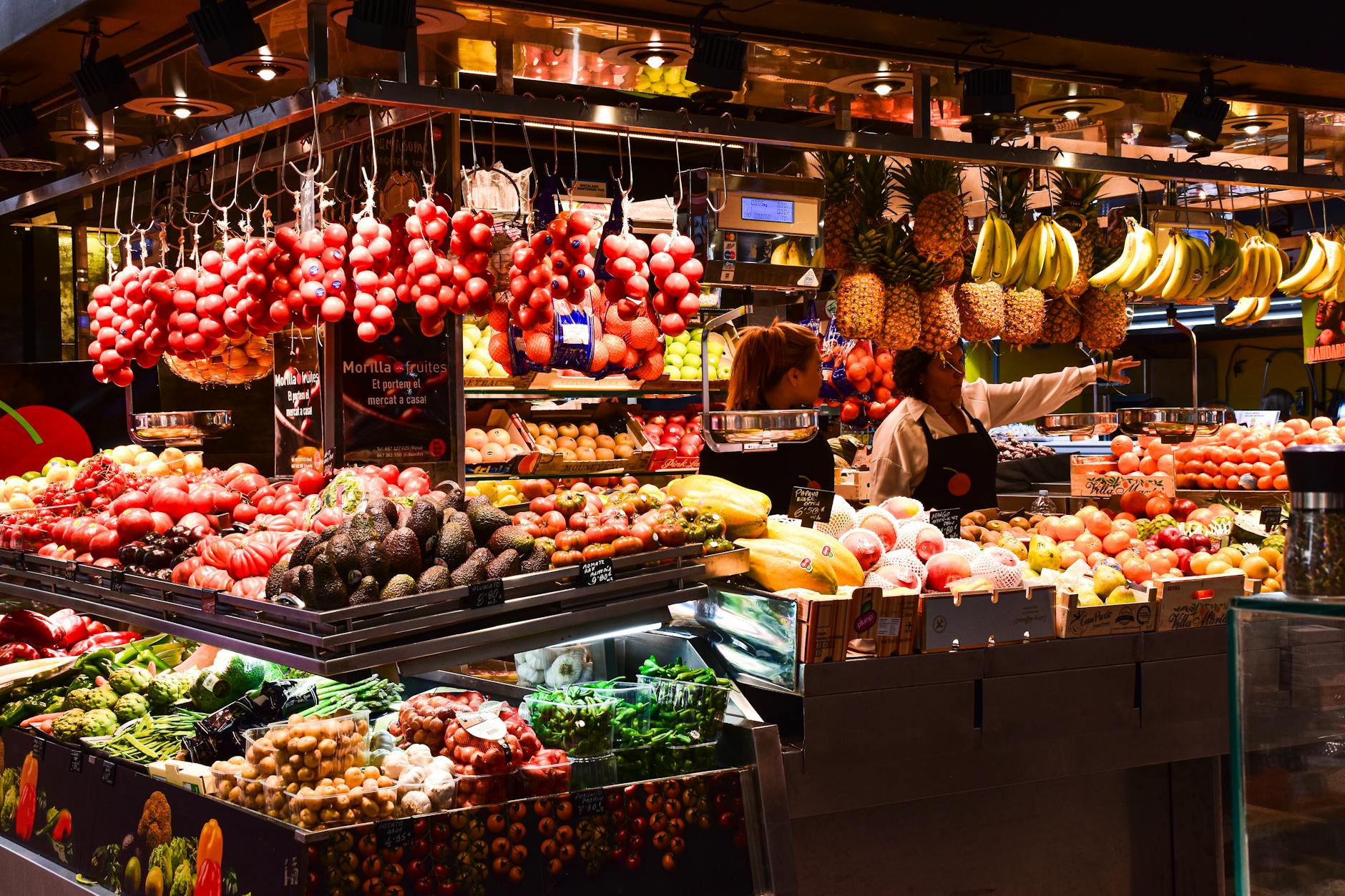
El Born, just east, is where the food scene concentrates. The Mercat de Santa Caterina with its undulating mosaic roof, the tapas bars along Passeig del Born that stay open past midnight, the wine bars in the back streets where the pours are natural and the plates are small and perfect — anchovies from L’Escala, pa amb tomàquet with oil so green it stains the bread, croquetas that shatter at the first bite and dissolve into something approaching religious experience.

Barceloneta and the Sea
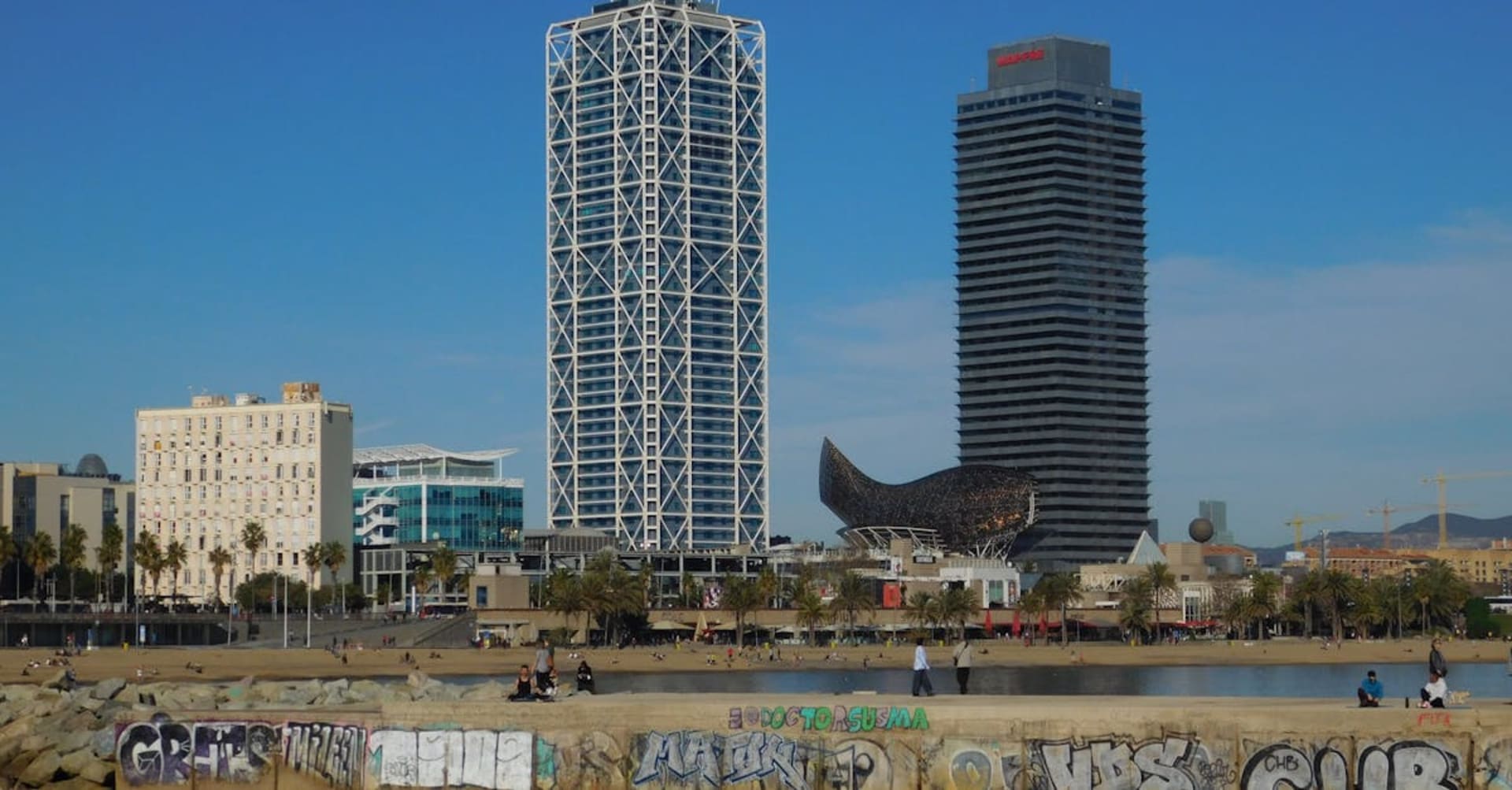
Barcelona is a Mediterranean city that spent centuries with its back to the sea — the waterfront was industrial, closed, hostile. The 1992 Olympics changed that. Now the beach at Barceloneta stretches golden and wide, backed by seafood restaurants where the fideuà — a Catalan noodle paella — comes in iron pans the size of bicycle wheels. On summer evenings the chiringuitos serve cold beer and patatas bravas to a crowd that is equal parts local and visiting, and the light on the water at seven o’clock is the particular shade of amber that makes people fall in love with cities.
Walk past the beach to the port, where the old fishing quarter still holds a few bars that serve the day’s catch grilled over charcoal — no menu, no choice, just whatever came off the boat, and it is invariably magnificent. The cable car to Montjuïc offers a view that explains everything: the sea to one side, Gaudí’s spires to the other, and between them the dense, beautiful, chaotic grid of a city that has been reinventing itself for two thousand years and shows no sign of stopping.
When to go: May or October for warm weather without the crushing summer crowds. September brings the wild Festa de la Mercè — human towers, fire runs, and sardana dances in the cathedral square. Avoid August, when half the city is on holiday and the other half is trying to navigate tourists on the Ramblas.