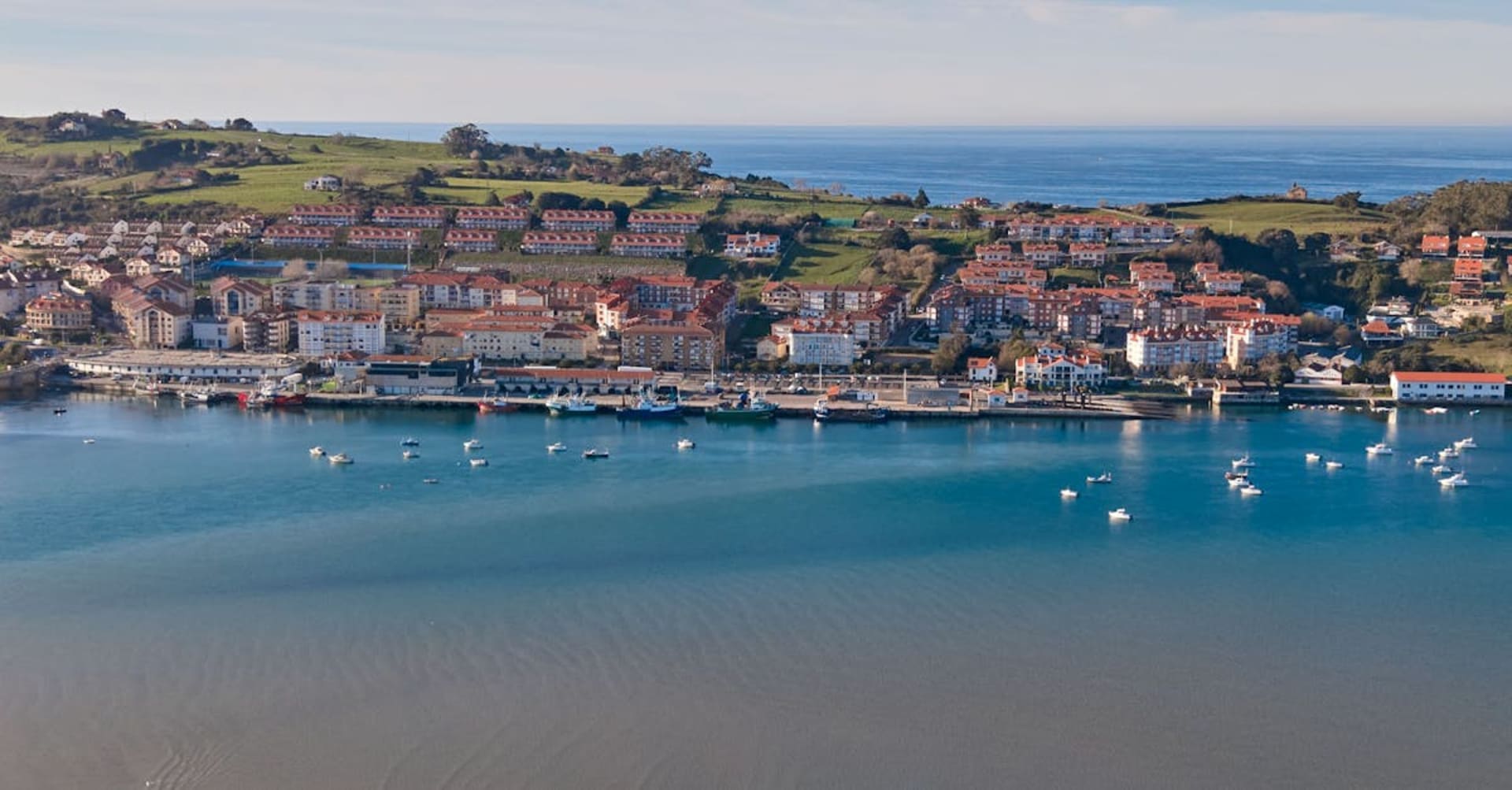
Galicia feels like a different country — and in many ways, it is. The landscape is Ireland transplanted to Iberia: green hills, granite villages, mist rolling in off the Atlantic, bagpipes played at festivals by musicians who look like they could have walked out of a Celtic pub session in Galway. The language — Gallego — sounds closer to Portuguese than to Castilian Spanish, and the temperament is Atlantic rather than Mediterranean: introspective, rain-soaked, shaped by the sea and the centuries of waiting for fishing boats to return from it. I drove here from Madrid once, and the transition was so complete it felt like crossing a border. The dry meseta gave way to green valleys, the tile roofs to granite, the flamenco on the radio to gaita — the Galician bagpipe — and by the time I reached Santiago the rain had started and I felt, absurdly, at home.
Santiago de Compostela
Santiago is the spiritual heart, its cathedral the end point of the Camino de Santiago and one of Europe’s great pilgrimage sites. The old town in rain is impossibly atmospheric — stone arcades dripping, candle-lit taverns glowing through steamed windows, pilgrims arriving with their scallop shells and their thousand-yard stares and their blistered feet. The cathedral’s Pórtico de la Gloria, a twelfth-century sculptural masterpiece recently restored to its original painted splendour, is the work of Master Mateo, a man who carved two hundred figures with an expressiveness that makes them feel like portraits rather than types. The Botafumeiro — the enormous incense censer that swings through the transept on feast days, requiring eight men to operate and reaching speeds that would alarm a health inspector — is one of the great theatrical experiences in European religion.

The food market beside the cathedral sells the produce that makes Galician cooking what it is: pimientos de Padrón (small green peppers fried in oil, most mild, some treacherous), tetilla cheese shaped like a breast, empanadas filled with tuna or scallops or whatever the fishermen brought in that morning. Eat under the stone arcades of the old town with a bottle of Albariño — the white wine of the Rías Baixas, crisp and mineral and salted by the Atlantic air — and the rain becomes not an inconvenience but an atmosphere.
The Rías and the Coast
The coastline is a succession of rías — deep inlets where the ocean pushes into the land and the water is cold and clean and teeming with shellfish. The Rías Baixas in the south produce the Albariño grapes and the mussels and oysters that arrive at your table so fresh they flinch when you squeeze lemon on them. The Rías Altas in the north are wilder, less visited, backed by eucalyptus forests and granite cliffs.
The seafood is extraordinary and it is not expensive. Pulpo á feira — boiled octopus, sliced and dressed with olive oil, paprika, and coarse salt, served on a wooden plate — is the regional dish, and every town has a pulpería that does it perfectly. Percebes — goose barnacles, plucked from wave-battered rocks at genuine risk to the divers who harvest them — are the delicacy, ugly as a dinosaur’s toenail and tasting like the concentrated essence of the Atlantic. Razor clams. Spider crab. Zamburiñas — small scallops grilled in their shells. The Galician relationship with the sea is not romantic but practical, built on centuries of harvesting and the knowledge that the ocean gives and takes in equal measure.

The Costa da Morte
North of Santiago, the Costa da Morte — the Coast of Death — earns its name. This is where the Atlantic hits hardest, where ships have wrecked for centuries, where the lighthouse at Finisterre marks what the Romans believed was the end of the world. I drove the coast road on a grey October afternoon and stopped at every headland, each one offering a view of cliffs and spray and the particular violence of an ocean that has been carving this coastline since before anyone was here to watch. The beaches are empty and enormous — Praia de Carnota stretches for seven kilometres — and the villages behind them are granite-built and quiet, the kind of places where the bar has three tables and the owner remembers every foreigner who has ever walked in.
At Fisterra — Finisterre — the road ends. The lighthouse stands on a promontory above the Atlantic, and beyond it there is nothing but ocean until Newfoundland. Pilgrims who have walked the Camino come here to burn their boots and watch the sunset, and even if you have not walked eight hundred kilometres to reach this point, the view has a finality to it that is hard to explain and impossible to forget. This is where Europe stops. The rest is water and wind and the conviction that you have reached somewhere that matters.
When to go: June through September for the driest weather, though sunshine is never guaranteed. October brings the wine harvest in the Rías Baixas and the chestnut festivals in the interior. Winter is rain and storms and the kind of dramatic coastal weather that makes the Costa da Morte feel earned.