Valencia is Spain’s great underrated city — overshadowed by Barcelona and Madrid yet arguably more livable than either. It is cheaper, smaller, sunnier, and possesses a self-assurance that comes not from competing with its louder siblings but from knowing that it has the best rice dishes in the country, the most spectacular urban park, and a waterfront that Barcelona spent decades and billions trying to match. I spent a week here last spring and found myself doing the calculation that every traveller does when a city surprises them: could I live here? The answer, which came faster than expected, was yes.
The Turia Gardens and the City of Arts and Sciences
The Turia riverbed — drained after a catastrophic flood in 1957 and converted into a nine-kilometre park — is Valencia’s masterstroke. Where other cities build highways through their centres, Valencia built gardens, playgrounds, football pitches, cycling paths, and a botanical garden. The park cuts through the city like a green ribbon, and the Valencians use it the way Parisians use the Seine banks: for running, for picnics, for lying in the shade reading a novel, for the particular pleasure of being outdoors in a city that understands outdoor space.

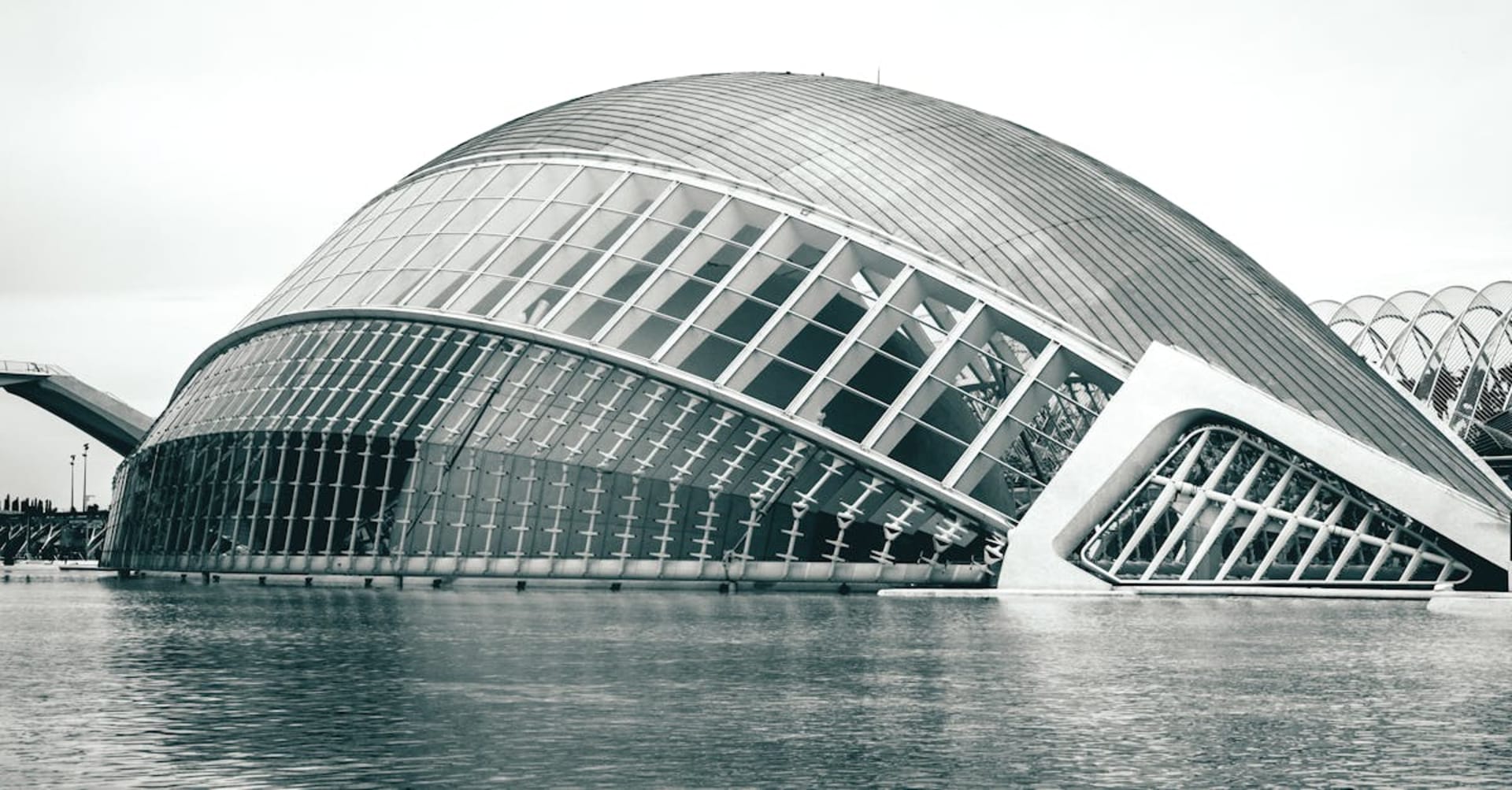
At the park’s eastern end, the City of Arts and Sciences rises in white curves and reflecting pools — Santiago Calatrava’s vision of the future, built on reclaimed land, containing an opera house shaped like an opening eye, an IMAX cinema inside a sphere, an aquarium, and a science museum that children refuse to leave. The complex is spectacular and divisive — Valencians either love it or resent the cost overruns — but walking through it at dusk, when the structures glow against the darkening sky and the reflecting pools turn the whole thing into a Rorschach test, I found it impossible to be cynical. This is a city that bet on beauty and won.
The Old Town and the Markets
The old town is a tangle of narrow streets opening onto sudden plazas — the Plaza de la Virgen with its fountain and its basilica and the cathedral behind, whose Miguelete tower offers the best view of the city if you are willing to climb two hundred and seven steps. The Central Market is a cathedral of food beneath stained-glass windows and mosaic domes — one of the largest fresh-food markets in Europe, where vendors sell saffron by the gram, tiger nuts for horchata, and the particular Valencian tomatoes that are essential for a proper paella socarrat.

The Barrio del Carmen is the nightlife quarter, its graffitied walls and converted warehouses home to bars and galleries and the creative energy that always clusters in the parts of a city where rent is cheap and the buildings are old enough to have character. On Thursday nights the terraces fill and the noise level rises and the city demonstrates its talent for the kind of easy, unpretentious social life that requires warm air, cold beer, and the absence of any plan more ambitious than being where you are.
The Rice
Valencia’s soul lives in its rice. This is where paella was invented — not the tourist version with chorizo and frozen peas, but the original, paella valenciana, cooked over a wood fire in a wide, shallow pan, the rice absorbing a broth of rabbit, chicken, snails, green beans, and saffron until the bottom layer caramelizes into the socarrat — the crunchy, golden crust that is the whole point and the test by which Valencians judge every paella cook on earth. It is served only at lunch. It is never reheated. And it is, when done properly by someone who learned from their grandmother who learned from hers, one of the great rice dishes in the world.
The beach neighbourhoods of El Cabanyal and La Malvarrosa are where you eat it — at long tables on terraces facing the Mediterranean, with a jug of agua de Valencia (orange juice, cava, and vodka, a combination that sounds frivolous and is) and the sea glittering just beyond the railing. Order the arroz a banda — rice cooked in fish stock with aioli on the side — or the arroz negro — black with squid ink, served with a squeeze of lemon — and understand that Valencia’s relationship with rice is not culinary but existential. The rice paddies of the Albufera lagoon, just south of the city, have been cultivated since the Moors, and the grain that comes from them is the foundation on which the city’s identity rests.
When to go: March for Las Fallas, the explosive fire festival where enormous papier-mâché sculptures are paraded through the streets and then burned in a citywide conflagration that lights up the sky and singes your eyebrows. May through June for beach weather and manageable crowds. September for the grape harvest and the return of the locals from summer holidays.