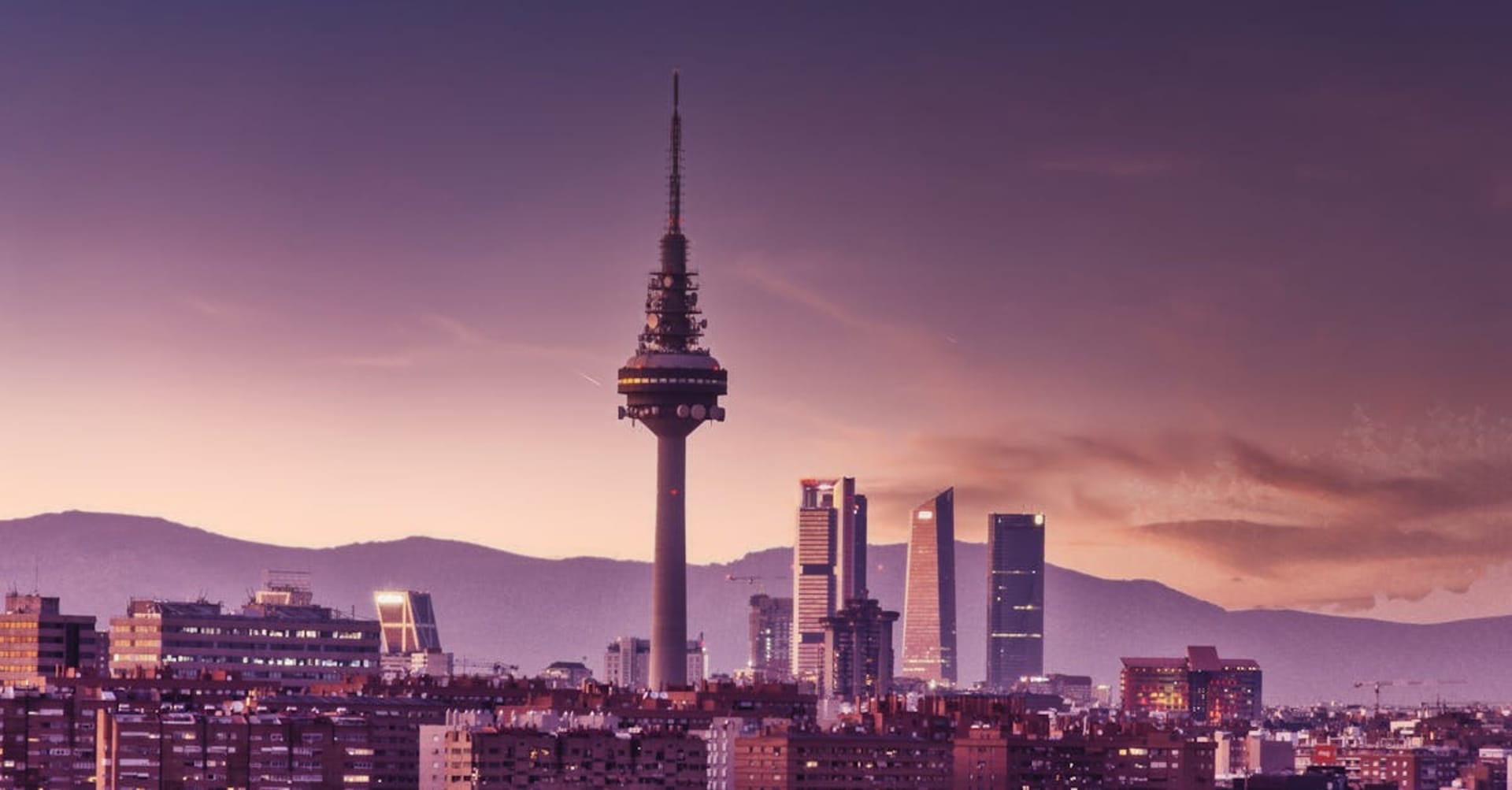
Madrid operates on its own clock. The city wakes slowly, lunches extravagantly, naps unapologetically, and then stays out until hours that would alarm most other European capitals. This rhythm is not laziness — it is a philosophy, refined over centuries, that insists pleasure should not be rushed. I understood this the first night I arrived, when I sat down for dinner at ten and the restaurant was half-empty, and the waiter, noticing my confusion, smiled and said: la gente viene a las once — people come at eleven. By midnight the place was roaring.
The Art Triangle
The Prado is one of the world’s great museums, and I do not say that lightly. Velázquez’s Las Meninas hangs in a room at the end of a long gallery, and the painting does something that four centuries of reproduction have failed to capture: it watches you. The eyes of the Infanta, the eyes of the painter, the eyes of the king and queen reflected in the mirror at the back of the scene — they create a space you enter rather than observe. Goya’s Black Paintings are upstairs, executed directly onto the walls of his country house in the grip of madness and deafness, and they are among the most disturbing and powerful works of art I have ever encountered. Saturn devouring his son, painted at three in the morning by a seventy-five-year-old man who could no longer hear thunder — this is not art history. This is a confrontation.

The Reina Sofía holds Picasso’s Guernica in a room that is kept deliberately quiet — no photographs, no audio guides, just the painting and the people looking at it. It is eleven feet tall and twenty-five feet wide and it depicts the bombing of a Basque town by fascist warplanes in 1937, and standing before it you feel the painting’s argument enter your body through your eyes. The Thyssen-Bornemisza, across the boulevard, completes the triangle with a collection that ranges from medieval altarpieces to Hopper to Rothko, assembled by a single family over two generations with taste that borders on the supernatural.
The Neighbourhoods
Malasaña was punk before punk existed — a neighbourhood of record shops, vintage stores, tattoo parlours, and vermouth bars where the aperitivo hour stretches from noon to night. La Latina comes alive on Sundays when the Rastro flea market fills the streets from Plaza de Cascorro down to the river, and the bars along Cava Baja pour cañas of cold beer to a crowd that has been browsing antiques and eating croquetas since nine in the morning.
Lavapiés is Madrid’s most multicultural quarter — Indian restaurants beside Senegalese barber shops beside traditional tabernas where the wine comes from Ribera del Duero and the tortilla is cooked to that perfect punto of just-set egg that Madrileños argue about the way the French argue about cheese. The Retiro Park is the city’s green lung, with rowboats on the lake, the Crystal Palace glinting through the trees, and late-afternoon runners circling paths lined with sculptures that most cities would put in museums but Madrid leaves out in the weather, because art here is not precious — it is part of the furniture.

Eating Late
The food in Madrid is not subtle. It is direct, generous, and built on the assumption that you have been walking all day and plan to stay out all night. A bocadillo de calamares — a fried squid sandwich on white bread — from a bar near the Plaza Mayor is the city’s unofficial dish, and it costs three euros and tastes like everything good about unpretentious cooking. The croquetas at Casa Labra have been drawing queues since 1860. The cocido madrileño — a three-course stew of chickpeas, vegetables, and every part of the pig — is served in winter at tabernas where the waiters have been working since Franco and the decor has not changed since the Republic.
At night, the terrazas fill. The rooftop bars in the Chueca and Sol neighbourhoods pour gin-tonics in goblets the size of fishbowls, and the city spreads below in a warm sprawl of lights and noise and the particular Madrid conviction that the night is young at one in the morning and will remain so until the metro reopens at six.
When to go: April through June for blue skies and comfortable temperatures. September and October are equally fine, with warm evenings perfect for terraza life. Avoid August, when locals flee the heat and half the restaurants close.