
Asia
Singapore
"The country where a two-dollar meal can be the best thing you eat all year."
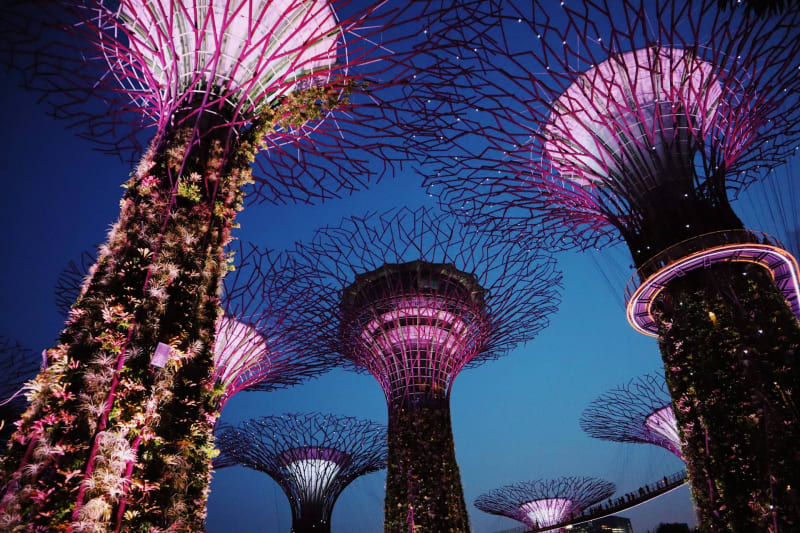
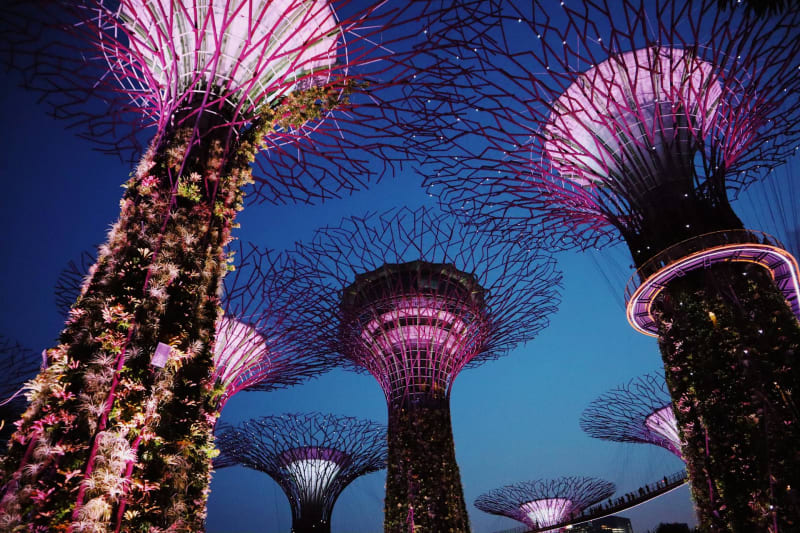
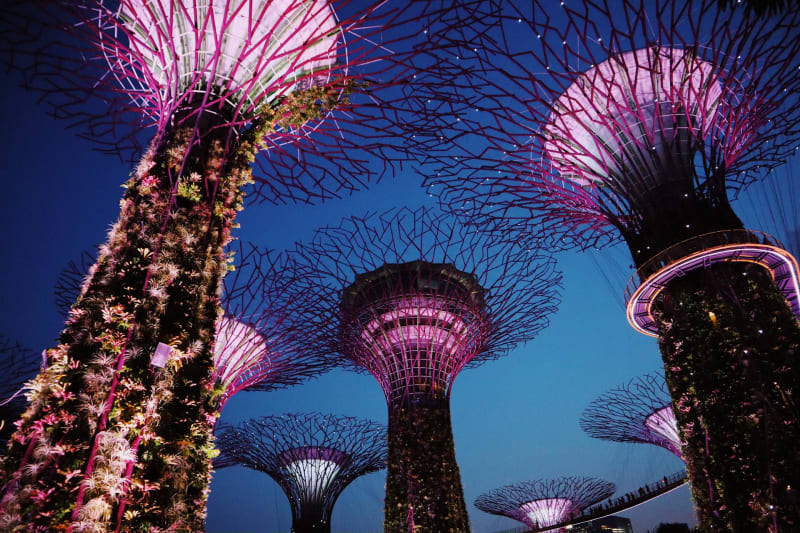
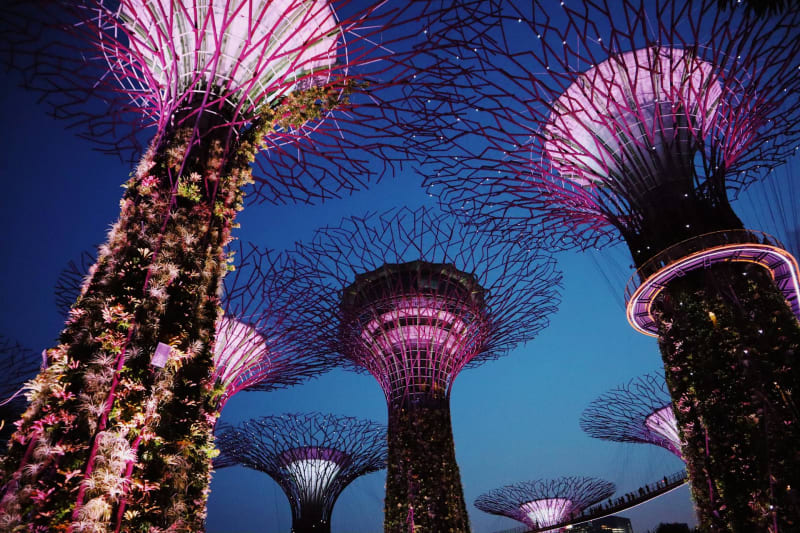
Singapore is a city that should not work on paper. A tropical island-state with no natural resources, four official languages, and a land area smaller than most national parks — yet it functions with a precision that borders on the uncanny. The streets are clean, the transit is flawless, the architecture oscillates between colonial shophouses and buildings that look like they were designed for a civilization a century ahead of ours. Gardens by the Bay is a genuine marvel — a park that makes nature and technology feel like the same thing. Marina Bay Sands is absurd and magnificent in equal measure. But none of this is why you come to Singapore. You come for the food.
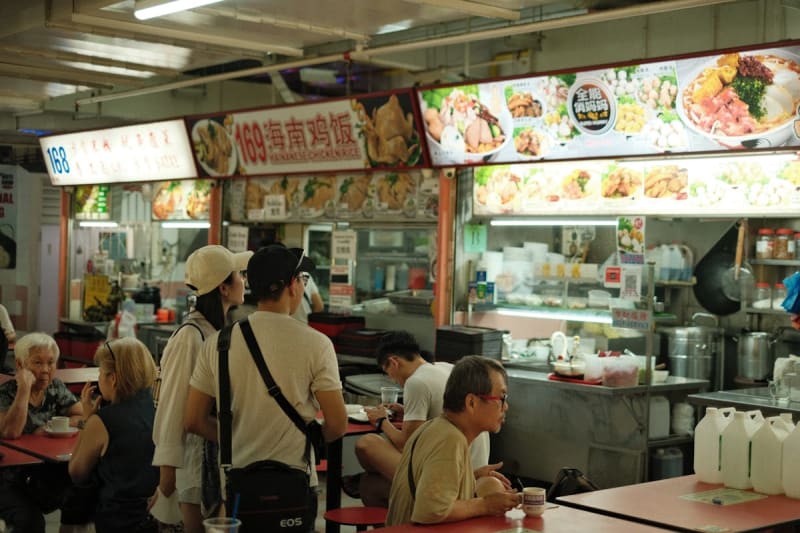
The hawker centers are the soul of the country. These are open-air food courts — government-built, rigorously maintained — where individual stalls serve single dishes perfected over decades. Tian Tian’s chicken rice at Maxwell Food Centre. Hill Street Tai Hwa’s bak chor mee. The char kway teow at Old Airport Road. Each stall is a life’s work operating at a price point that makes fine dining feel like a misallocation of resources. The UNESCO inscription of Singapore’s hawker culture in 2020 was not symbolic — it was an acknowledgment that this is one of the great culinary systems the world has produced.
When to go: Singapore is equatorial — hot and humid year-round with afternoon thunderstorms that arrive like clockwork and depart just as quickly. There is no bad time to visit. December to January is marginally wetter. The real consideration is events: the Formula One night race in September and Chinese New Year festivities in January or February add energy and crowds.
What most guides get wrong: They suggest Singapore is a two-day stopover. It can be, but three to four days lets you eat properly — and eating properly means visiting a different hawker center for every meal. Also, the neighborhoods tell the story: Little India, Kampong Glam, Tiong Bahru, Katong. Walk them. The texture is in the streets, not the attractions.
Explore
Places in Singapore

Chinatown
A heritage district where ornate temples, shophouse bars, and some of the island's best hawker food coexist beautifully.

Clarke Quay
A restored riverside warehouse district that becomes Singapore's liveliest nightlife strip after dark.
East Coast
A beachside park and hawker trail where Singaporeans cycle, barbecue, and eat some of the island's best laksa.

Gardens by the Bay
A futuristic botanical park where supertrees glow at night and a cloud forest lives inside a glass mountain.

Hawker Centres
Singapore's open-air food courts are a UNESCO-recognised culinary tradition where a world-class meal costs three dollars.

Kampong Glam
Singapore's Malay-Arab quarter, where a golden-domed mosque presides over streets of perfume, textiles, and Turkish lamps.
Little India
The most sensory neighbourhood on the island — all jasmine garlands, spice shops, and technicolour temples.
Marina Bay
Singapore's architectural showpiece — a waterfront where supertrees, sky pools, and laser shows define a city's ambition.

Pulau Ubin
A scruffy, green island ten minutes by bumboat from the city's eastern edge, where Singapore's last surviving kampong holds out against the skyline and a rusty bicycle is still the only sensible way to get around.
Sentosa
A resort island off the southern tip where theme parks, beaches, and rainforest trails share improbable real estate.

Sentosa Beaches
Three connected city beaches with a cable car approach, watching tankers queue for the world's busiest port.

Tiong Bahru
Singapore's oldest housing estate reborn as the island's most charming neighbourhood for coffee, books, and slow mornings.
Free download
Get the Singapore Guide
A curated PDF itinerary with honest picks, real restaurants, and the details that matter — the kind you'd actually print and bring.
Download the guide