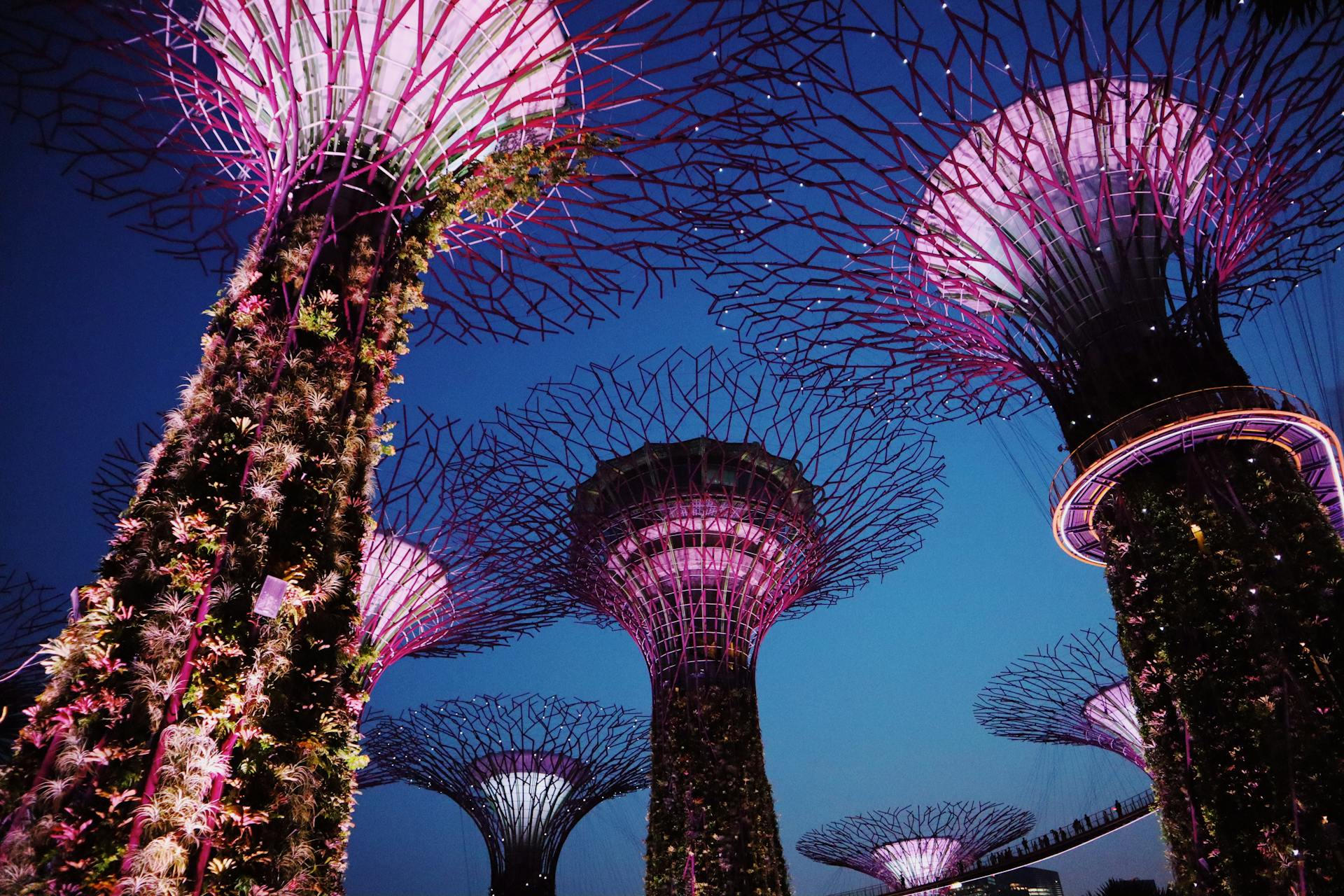
Little India is Singapore at its most unfiltered. Step out of the MRT station and the air changes — jasmine, cumin, incense, and the sweet funk of fresh flower garlands hit you simultaneously, and for a moment you are not in the most controlled city in Southeast Asia but in something wilder, louder, more insistent. Serangoon Road and its tributaries are a riot of colour: sari shops with fabrics spilling onto the pavement in rivers of silk, gold jewellers with displays so dense the light bounces between them, produce stalls where the vegetables are things I could not name and the spices are things I could smell from across the street.
I grew up in a country that claims to understand food and colour and sensory experience, and I have lived in Mexico for years now, surrounded by markets that operate at full volume. Little India still overwhelmed me. Not unpleasantly — the way a wave overwhelms you when you have chosen to swim in it. The neighbourhood does not accommodate your pace. You accommodate its.
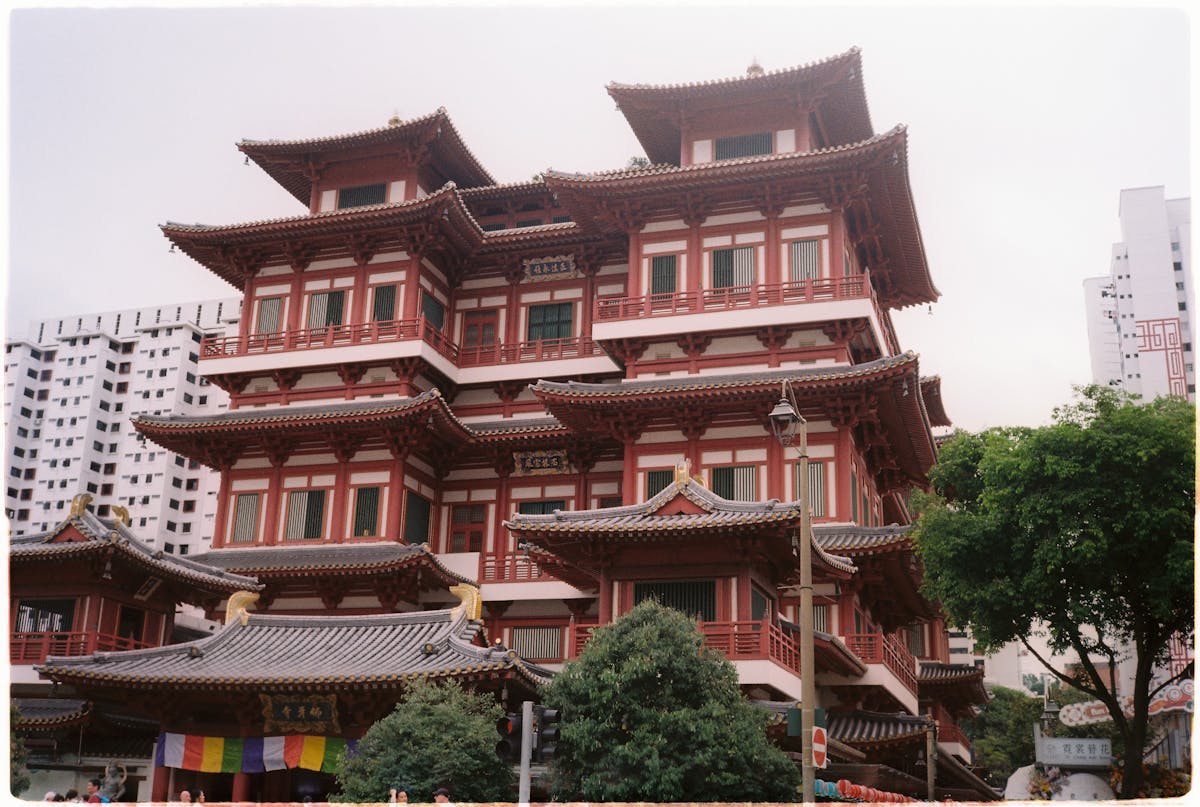
The Sri Veeramakaliamman Temple is a gopuram of painted gods and goddesses, every surface covered in sculptures so detailed and so vivid they seem to be in motion. We stood outside for ten minutes before entering, just trying to absorb the visual density of the facade. Inside, the prayer hall was cool and fragrant, devotees moving between shrines with offerings of flowers and fruit, and I felt the particular kind of respect that comes from witnessing faith practiced with total sincerity in a public space.
The Tekka Centre is the neighbourhood’s hawker heart, and it is where I had one of the best meals of the entire Singapore trip. The fish-head curry at a corner stall — a massive red snapper head in a thick, sour, spicy gravy that I mopped up with roti until the plate was clean — cost six dollars and was worth a plane ticket. The biryani from the stall next door was fragrant with saffron and cardamom. The fresh-squeezed sugarcane juice, cold and sweet and slightly grassy, cost a dollar and made me recalculate every beverage I have ever paid for.
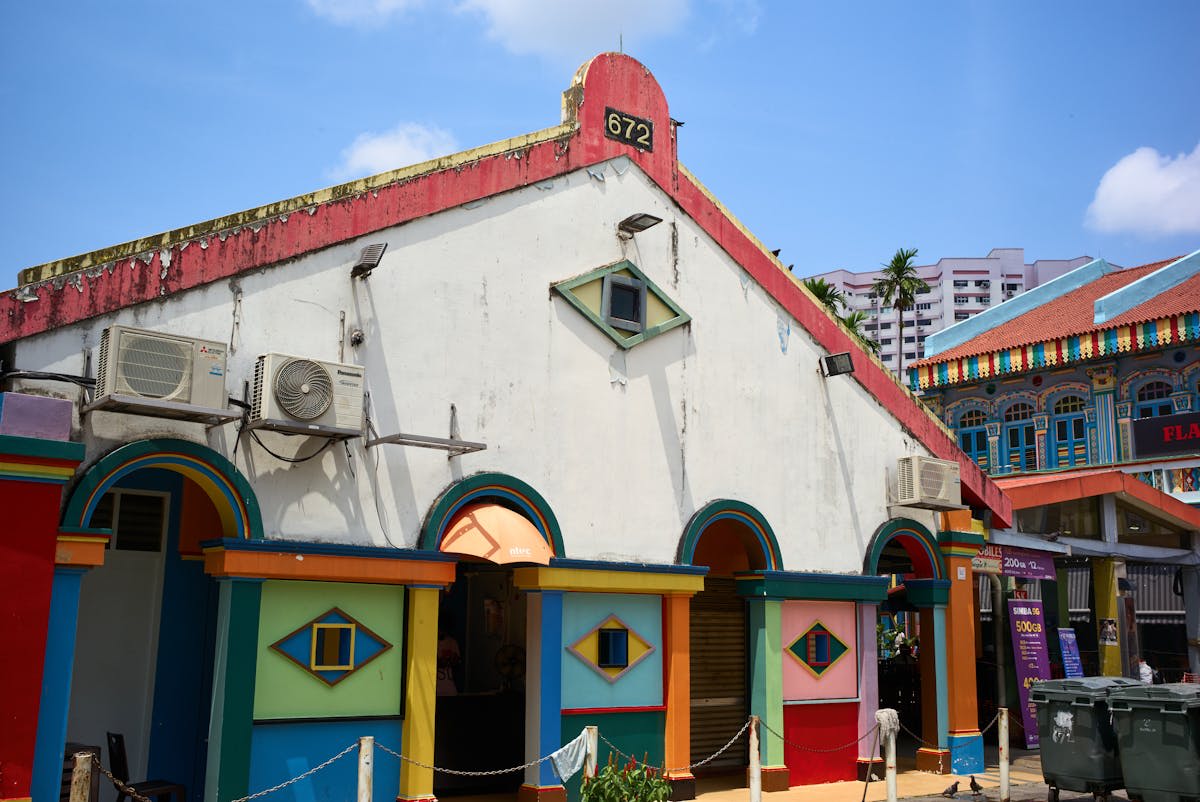
We wandered through the Mustafa Centre, a 24-hour department store that sells literally everything — electronics, spices, gold, luggage, snacks from every corner of South Asia — and emerged two hours later with bags of cardamom, a phone charger, and a mild case of sensory overload that felt like an accomplishment. The building is labyrinthine, the aisles are narrow, and the pricing is aggressive in the best sense. It is shopping as adventure sport.
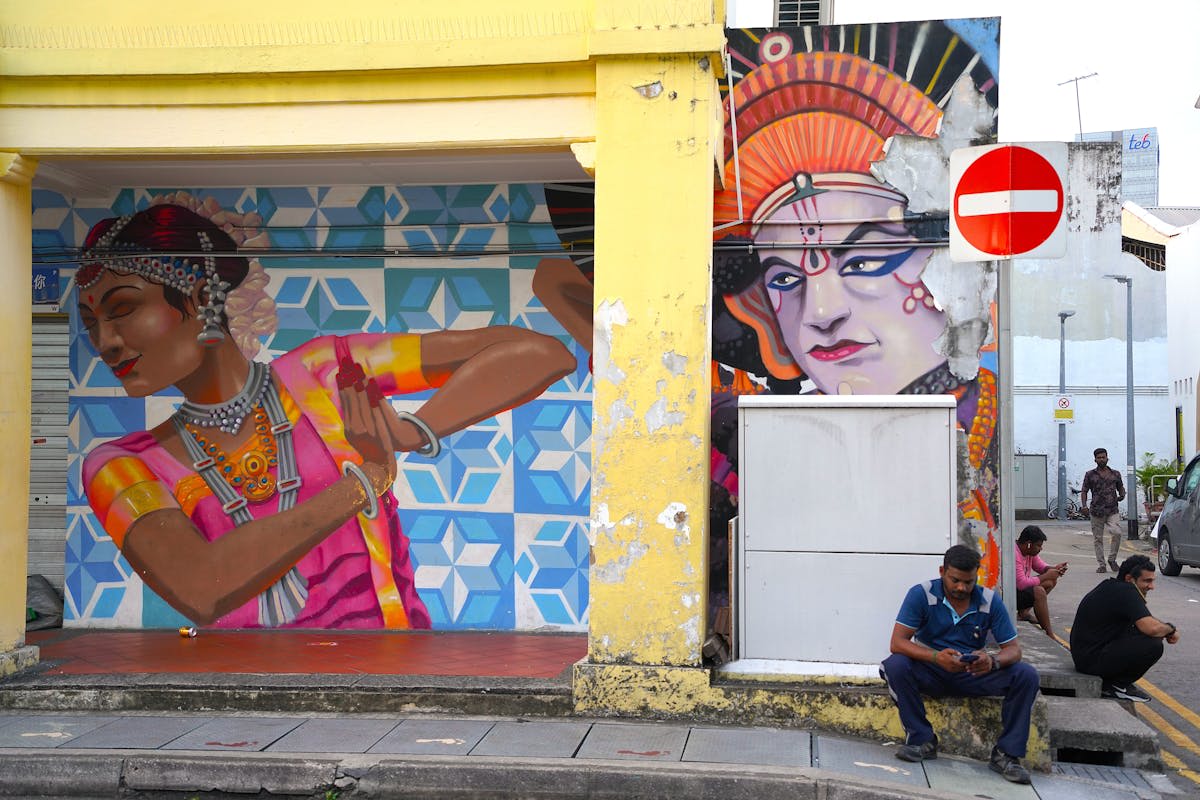
The side streets off Serangoon are where the neighbourhood breathes. Dunlop Street has a row of shophouses with crumbling facades and restaurants that have been serving the same dishes since the neighbourhood was settled. Campbell Lane is strung with fairy lights and sells everything from temple garlands to Bollywood posters. On Sunday evenings, the migrant worker community gathers in the open spaces and the neighbourhood takes on a different energy — communal, convivial, the kind of gathering that reminds you that a neighbourhood is only as alive as the people who claim it.
When to go: Year-round. Deepavali (October or November) turns the neighbourhood into a festival of lights with arches of illuminated decorations spanning the streets — a genuinely spectacular time to visit. Sunday evenings are lively. Visit Tekka Centre for weekday breakfast when the stalls are fresh and the crowd is local.