
Tiong Bahru
"The best bookshop, the best coffee, and the best chwee kueh — all within two blocks."
Tiong Bahru is what happens when art deco public housing from the 1930s meets a generation of baristas and booksellers with impeccable taste. The neighbourhood’s low-rise blocks with their curved balconies and streamline moderne details were Singapore’s first public housing, built by the Singapore Improvement Trust, and their scale gives the area an intimacy that the rest of the city has traded for height. Walking through Tiong Bahru feels like stepping into a different Singapore — slower, lower, more human-scaled — and I mean that as the highest compliment I can pay a neighbourhood in a city that builds vertically by instinct.
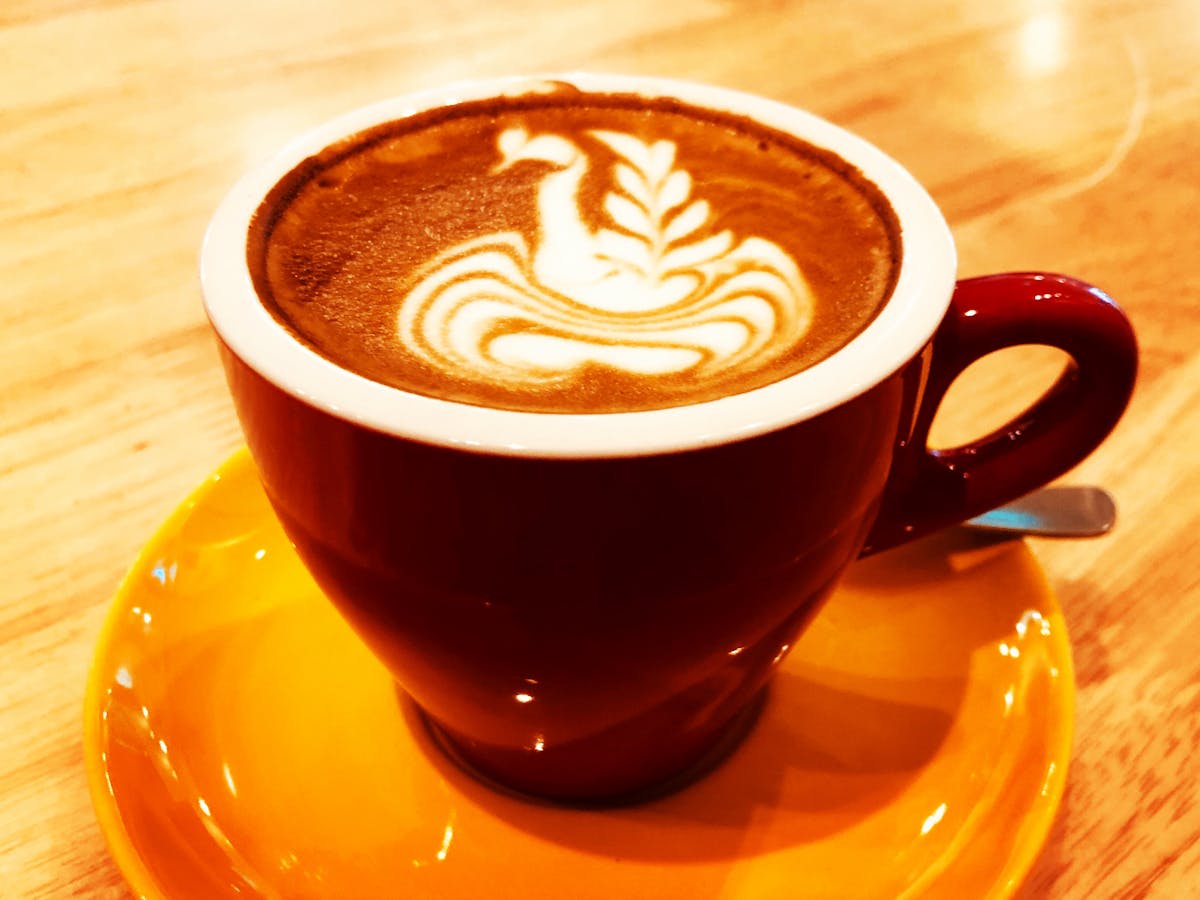
We started mornings at Tiong Bahru Bakery for croissants that would not embarrass a Parisian boulangerie — and I say this as a Frenchman who takes his croissants with a seriousness that borders on the diagnostic. The lamination was correct. The butter was present. The coffee was excellent. This is not the kind of praise I offer lightly to a bakery seven thousand miles from France, but the evidence was on the plate and I could not argue with it.
From the bakery, we moved to the wet market for chwee kueh — steamed rice cakes topped with preserved radish and chilli, the neighbourhood’s signature dish, served on a small plate for a dollar fifty. The texture is soft and giving, the radish is savoury and sweet, and the chilli ties it together with a warmth that makes you want another plate immediately. The market itself is a beautiful chaos of produce, seafood, and aunties who know exactly what is fresh and are happy to tell you if you are brave enough to ask.
We spent afternoons at BooksActually, an independent bookshop that champions Singaporean literature with missionary zeal. The shelves are curated rather than comprehensive, the staff have opinions, and the shop sells its own imprint of local fiction and poetry alongside a careful selection of international titles. I bought a collection of Singaporean short stories and a handmade notebook and felt the particular satisfaction of supporting a shop that exists because someone cared enough to make it exist.
The murals by local artist Yip Yew Chong transform blank walls into scenes from the neighbourhood’s past — the bird-singing corner where old men brought their cages, the provision shop, the pasar malam night market. Each one is photorealistic and enormous and tells a story that the buildings themselves can no longer tell. We walked a loop of the neighbourhood following the murals and it felt like an open-air museum curated by someone who loved this place enough to record it before it changed.
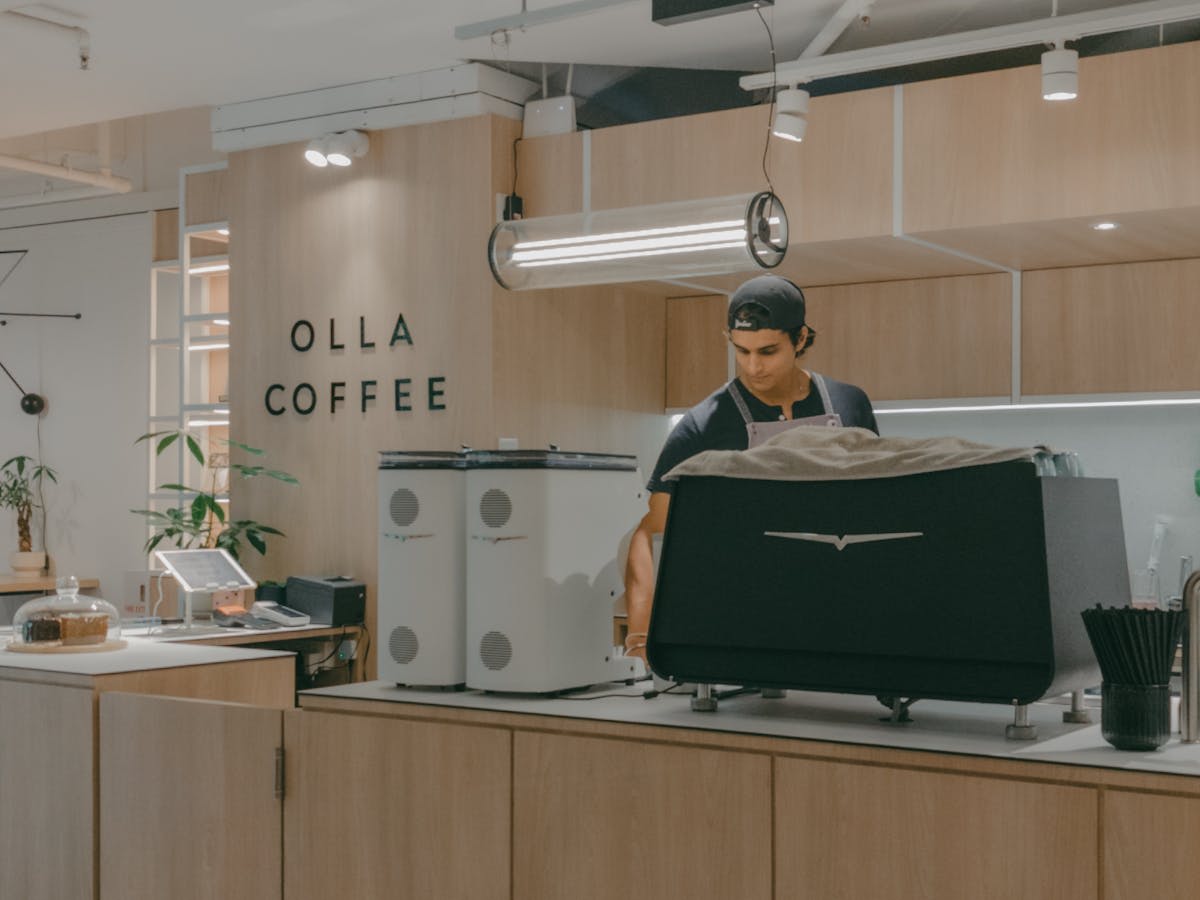
The coffee shops here take their craft seriously, and the absence of chain stores feels deliberate and defiant. Every cafe has its own roaster, its own pour-over method, its own opinion about extraction times. The neighbourhood is small enough to walk in an hour and interesting enough to hold you for a day. I spent a morning here and left thinking it was the neighbourhood in Singapore I would most want to live in — which, given that I live in Mexico City, is not a comparison I make carelessly.
When to go: Year-round. Weekend mornings at the wet market and bakery are essential but arrive before nine to beat the queues. Weekday afternoons are quietest for exploring the neighbourhood on foot. The murals are best photographed in the late afternoon light when the shadows deepen and the colours warm.