Europe
Sicily
"Sicily does not belong to Italy. It belongs to itself, grudgingly."
The Mediterranean's most contradictory island — Arab-Norman cathedrals, Greek temples, Etna's smoke on the horizon, and a food culture that makes the mainland look timid.

I arrived in Palermo by overnight ferry from Naples, deck-sleeping under a sky so clear it felt performative, and by the time we docked at dawn the smell of the city had already reached the water — frying dough, diesel, jasmine. It was six in the morning and the Ballarò market was already loud. A man was selling snails. Another had a brazier of boiled octopus. A woman in slippers was arguing with her fishmonger with the sort of focused intensity I usually associate with contract negotiations. I had not eaten breakfast yet. I bought a panelle sandwich and stood in the street and understood immediately that this was not going to be a relaxing trip.
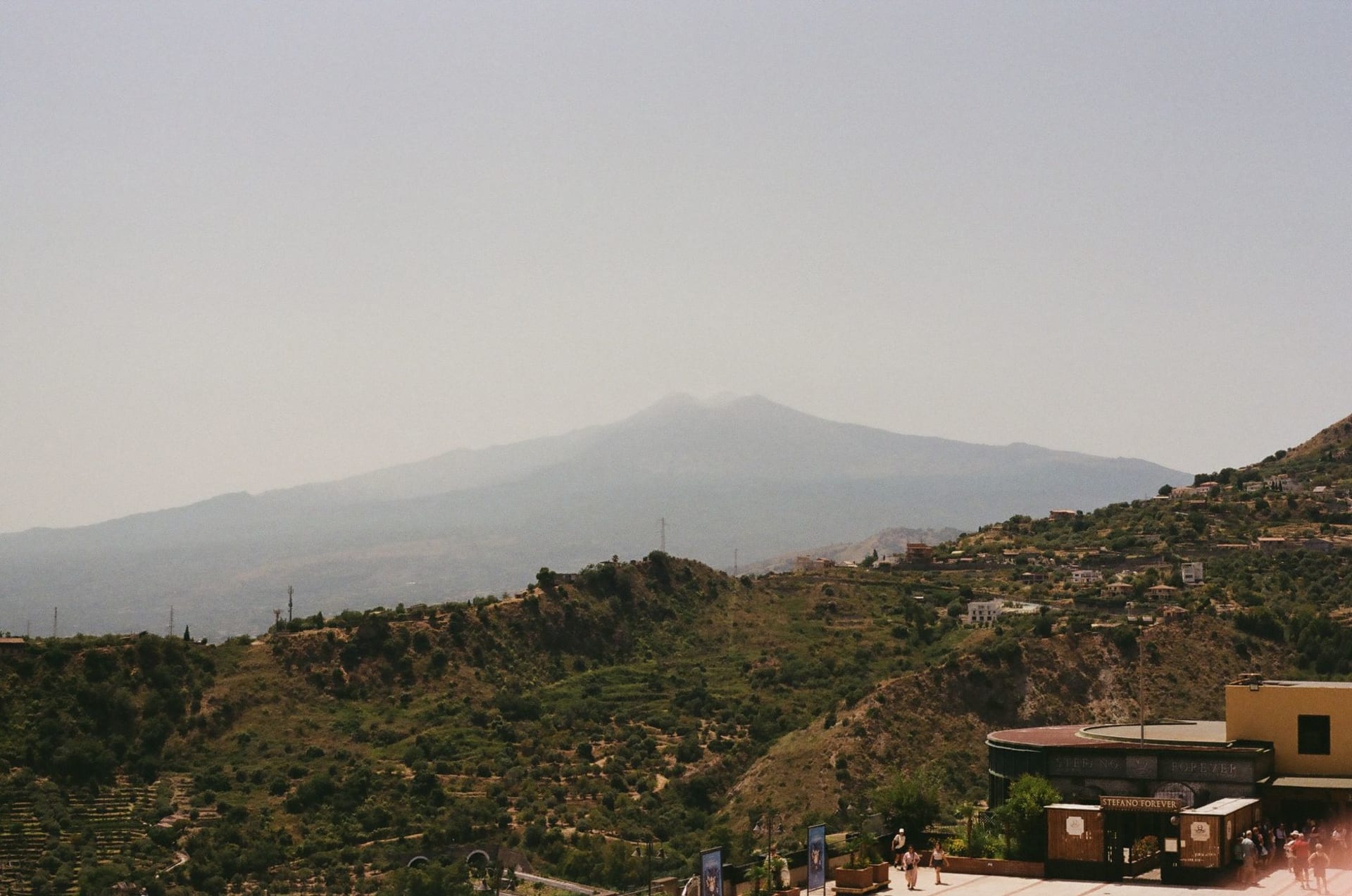
Sicily keeps you alert. The history alone is vertiginous — Phoenicians, Greeks, Romans, Arabs, Normans, Spanish — each layer still visible in the architecture if you know what to look for. The Cappella Palatina in Palermo is a Byzantine chapel built by Norman kings decorated by Arab craftsmen, and it is more beautiful than things that took three times as long to build. Outside Agrigento, the Valley of the Temples sits on a ridge above the sea with a matter-of-fact grandeur that Athenian ruins would envy. Taormina has a Greek theatre with Etna in the background, which is one of those views that makes the phrase “breathtaking view” feel inadequate. I usually distrust places that are that obviously beautiful. Taormina earned it.
The food operates at a register of seriousness that Italy’s mainland cannot quite match. Arancini in Catania are not the sad airport versions — they are objects of genuine craftsmanship, the saffron rice dense and properly seasoned, the ragù inside cooked low for hours. The cannoli are filled to order and only to order, because a pre-filled cannolo is a crime here and the people who make them will tell you so directly. Caponata varies by family recipe and every family believes theirs is definitive. The swordfish in Messina, grilled simply with capers and mint, arrived at my table tasting like the sea had agreed to become lunch.
When to go: April to June or late September through October. Sicilian August is genuinely brutal — 38°C in Palermo with nowhere to hide and crowds at every monument. May is ideal: warm enough for the coast, cool enough for inland driving through almond groves and sulfur-yellow hills. October brings vendemmia energy, near-empty temples, and a quality of light that makes every photograph look like you knew what you were doing.
What most guides get wrong: They treat Sicily as an extension of Italian tourism rather than its own thing. The package-tour version — Taormina, Etna cable car, Palermo Cathedral, fly home — skips everything that makes the island genuinely strange. The interior is where Sicily gets interesting: the Madonie mountains, the baroque towns of Val di Noto after the tour buses leave, the fishing village of Marzamemi at dusk where the old tonnara stands half-collapsed and beautiful. And the street food in Palermo’s markets is better than most restaurant meals on the island. Start there.
Explore
Places in Sicily
 sicily
 Aeolian Islands
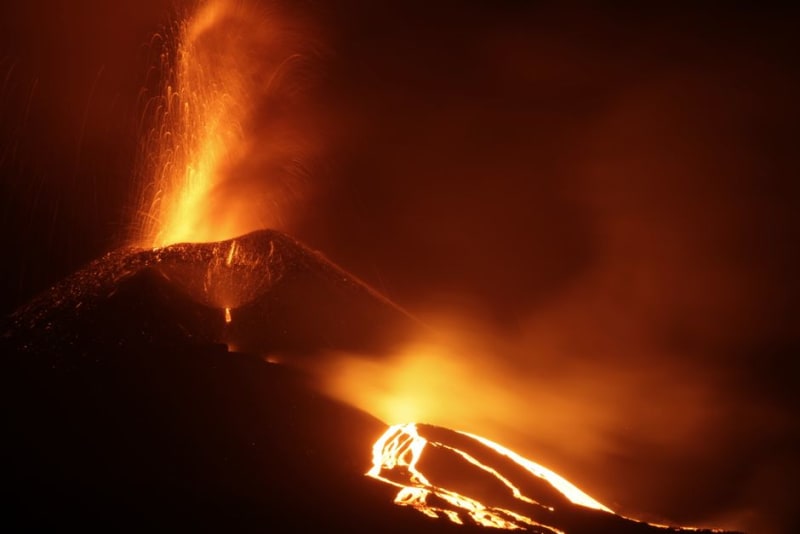
A volcanic archipelago scattered off Sicily's north coast, anchored by Stromboli, a mountain that has never fully stopped erupting.
Explore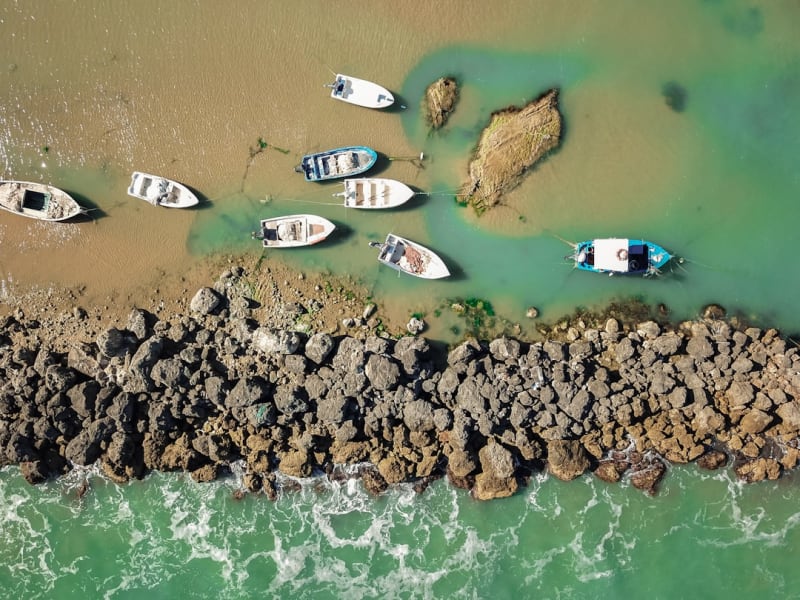 sicily
 Agrigento
The Valley of the Temples holds some of the best-preserved Greek ruins outside Greece itself, standing in almond groves above the southern Sicilian coast with a composure that makes you feel the centuries.
Explore sicily
 Caltagirone
A hill town in central Sicily built on centuries of maiolica ceramic craft, most visible on a monumental staircase tiled step by step.
Explore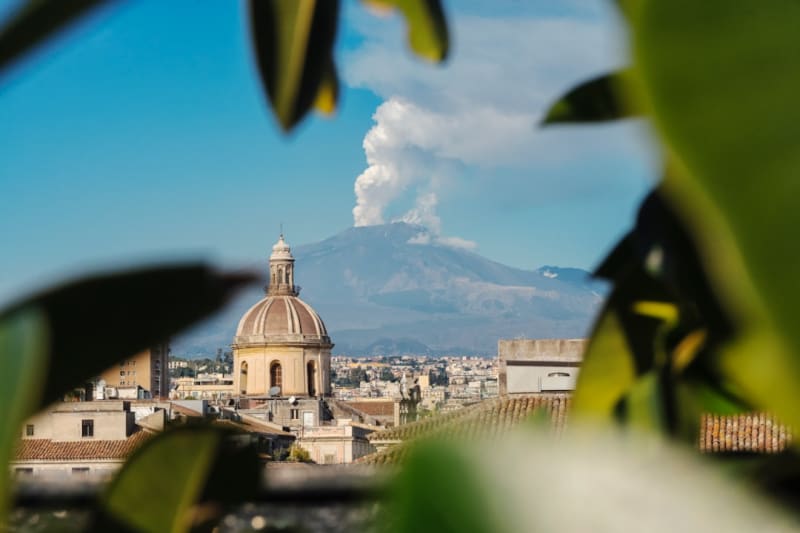 sicily
 Catania
Built from Etna's lava and rebuilt after earthquakes, Catania is the fastest, noisiest, most honest city in Sicily — and its fish market is one of the great spectacles of Italian street life.
Explore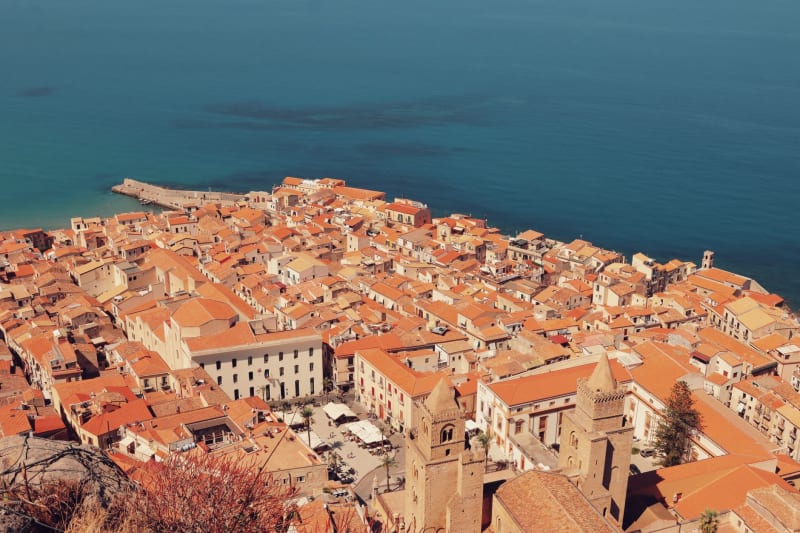 sicily
 Cefalù
A Norman cathedral, a Arab-Byzantine mosaic Christ, a medieval fishing port, and a beach that actually delivers — Cefalù manages to be several things at once without feeling scattered.
Explore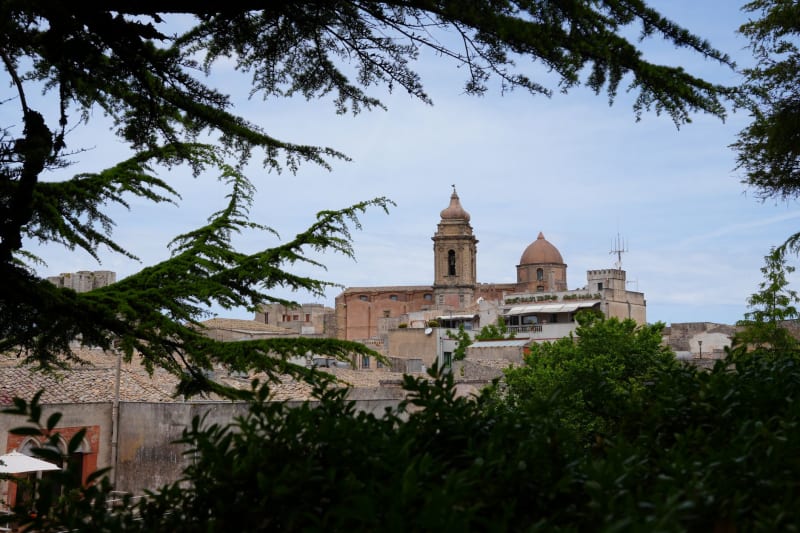 sicily
 Erice
A medieval town adrift in the clouds above Trapani, all cobbled lanes, stone courtyards, and almond pastries made by a woman who guards her recipes like state secrets.
Explore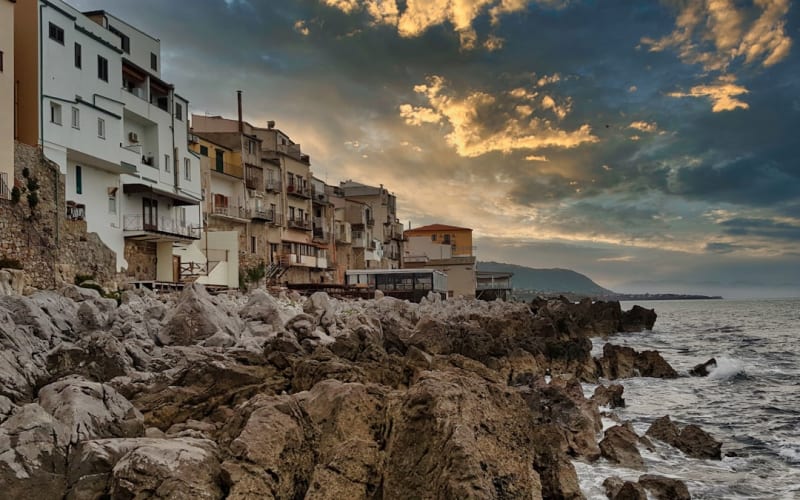 sicily
 Marsala
A Phoenician port on the western tip of Sicily that accidentally invented a fortified wine the English loved, and still makes it in stone cantinas that smell of oak and slow time.
Explore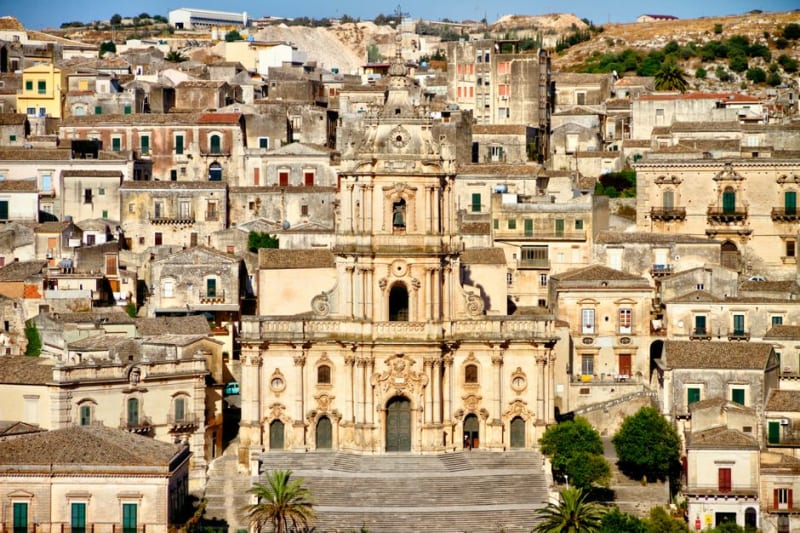 sicily
 Modica
A steep baroque town in southeastern Sicily where cold-worked chocolate, gritty and unrefined, still gets made the way the Spanish learned it from the Aztecs.
Explore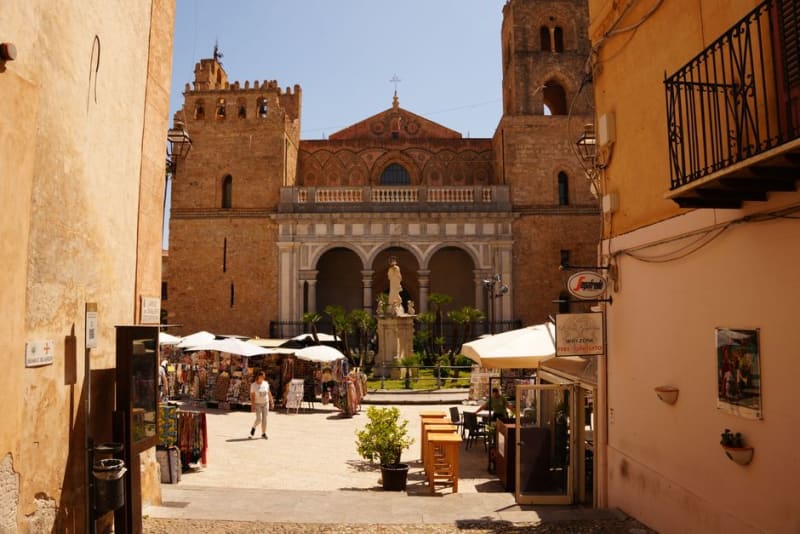 sicily
 Monreale
A hilltop town above Palermo where a Norman cathedral holds acres of Byzantine gold mosaic that still stop conversations mid-sentence.
Explore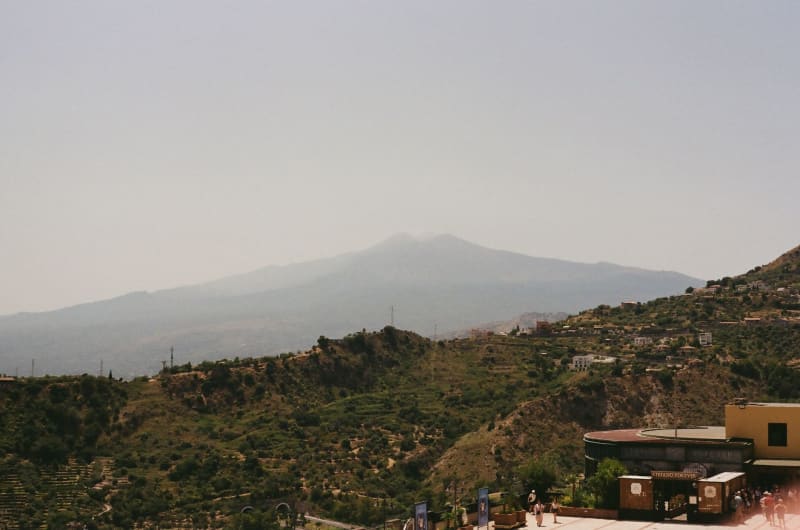 sicily
 Mount Etna
Europe's largest active volcano sits above the eastern coast of Sicily like a slow, smoking argument — and everything grown in its shadow tastes better for it.
Explore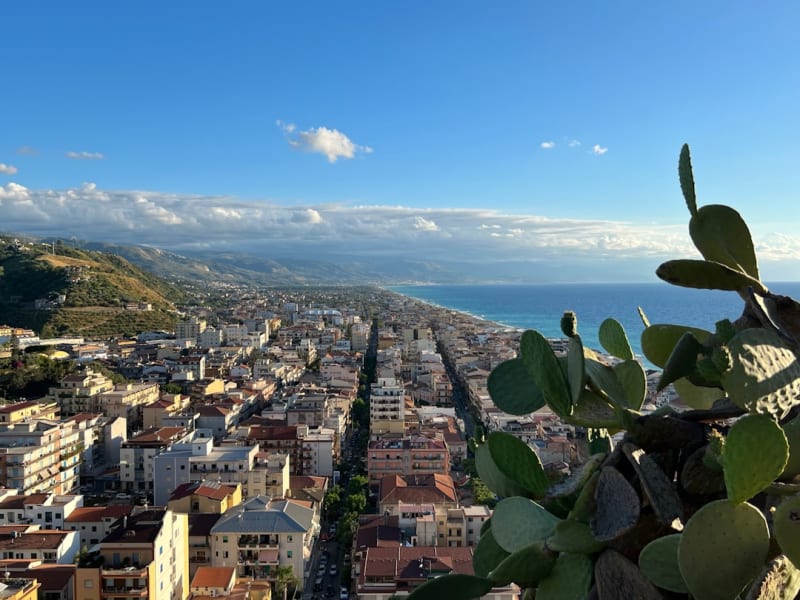 sicily
 Noto
The most perfectly composed baroque town in Sicily, rebuilt from scratch in honey-colored limestone after the 1693 earthquake and looking, implausibly, like it was finished last week.
Explore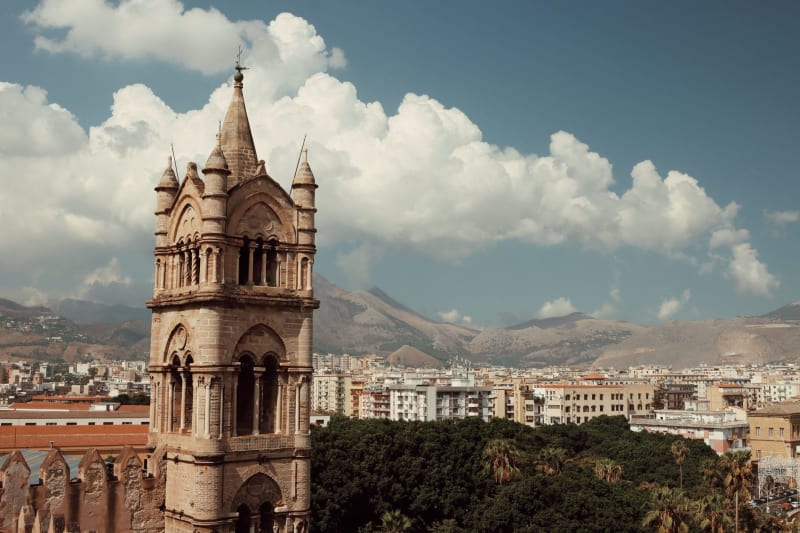 sicily
 Palermo
A city that fries its street food in public and dares you to look away — Palermo is loud, layered, and relentlessly alive.
Explore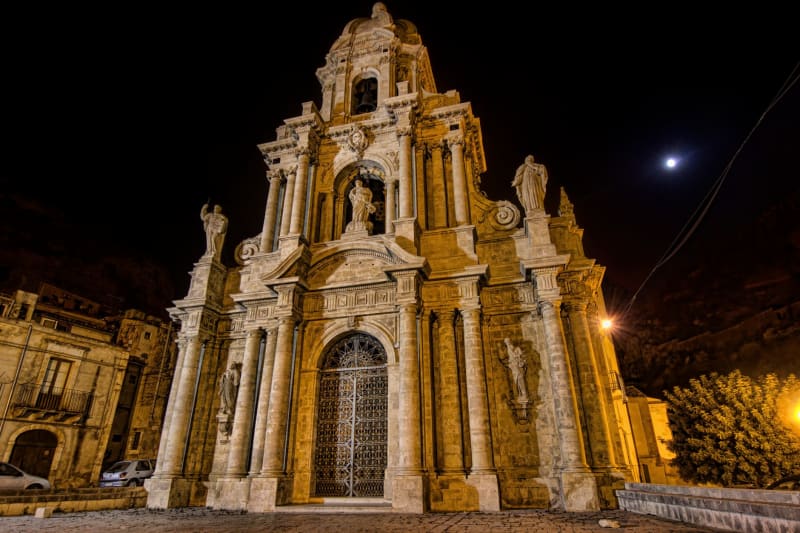 sicily
 Ragusa
A baroque hilltop town rebuilt after a 1693 earthquake, Ragusa Ibla occupies its limestone ridge with a quiet self-possession that makes it the most underrated UNESCO site in southern Sicily.
Explore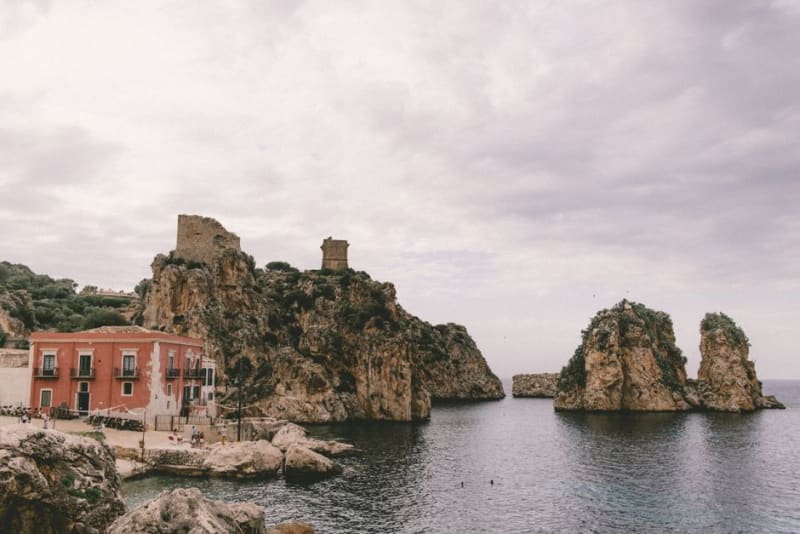 sicily
 Scopello
A tiny former tuna-fishing hamlet on Sicily's northwest coast, watched over by the jagged faraglioni sea stacks rising just offshore.
Explore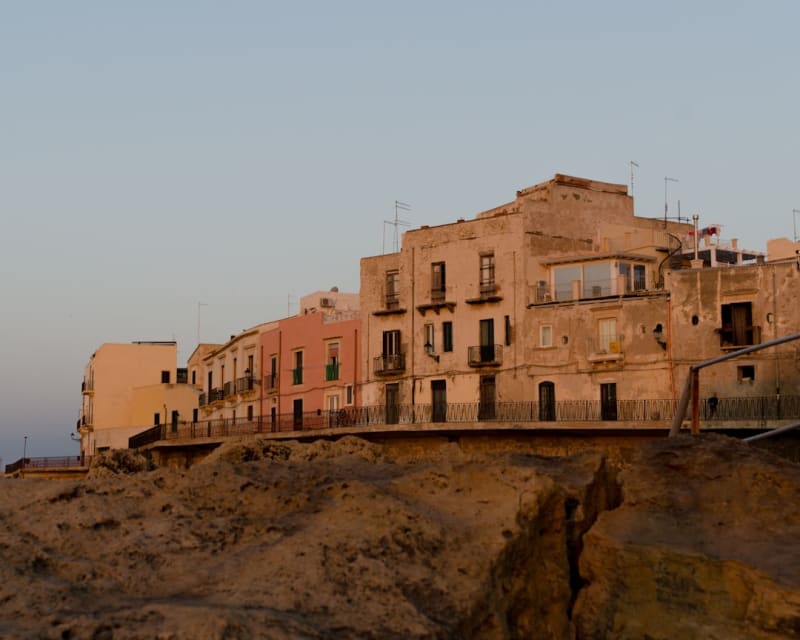 sicily
 Siracusa
A Greek city that became Roman, then Byzantine, then Norman, then baroque — Siracusa carries every layer at once and somehow wears them all well.
Explore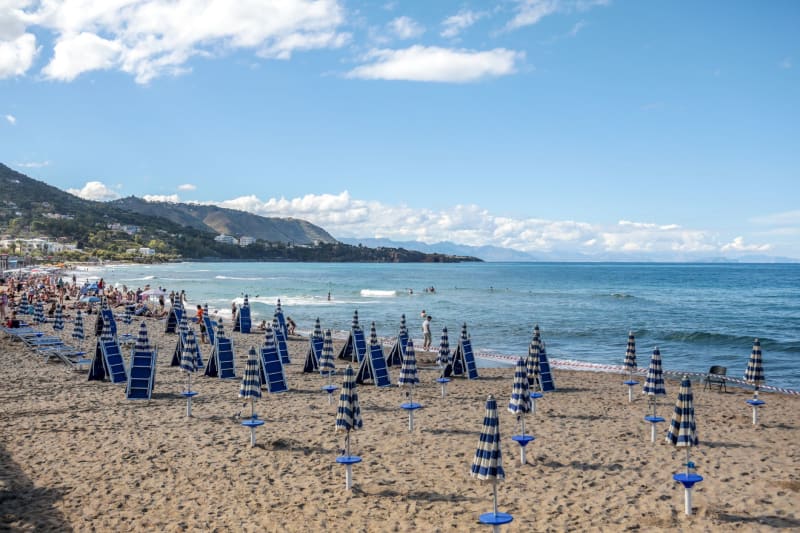 sicily
 Taormina
A clifftop medieval town with a Greek theater facing Etna and the Ionian Sea — absurdly photogenic, impossibly situated, and worth it despite the crowds.
Explore