Scopello
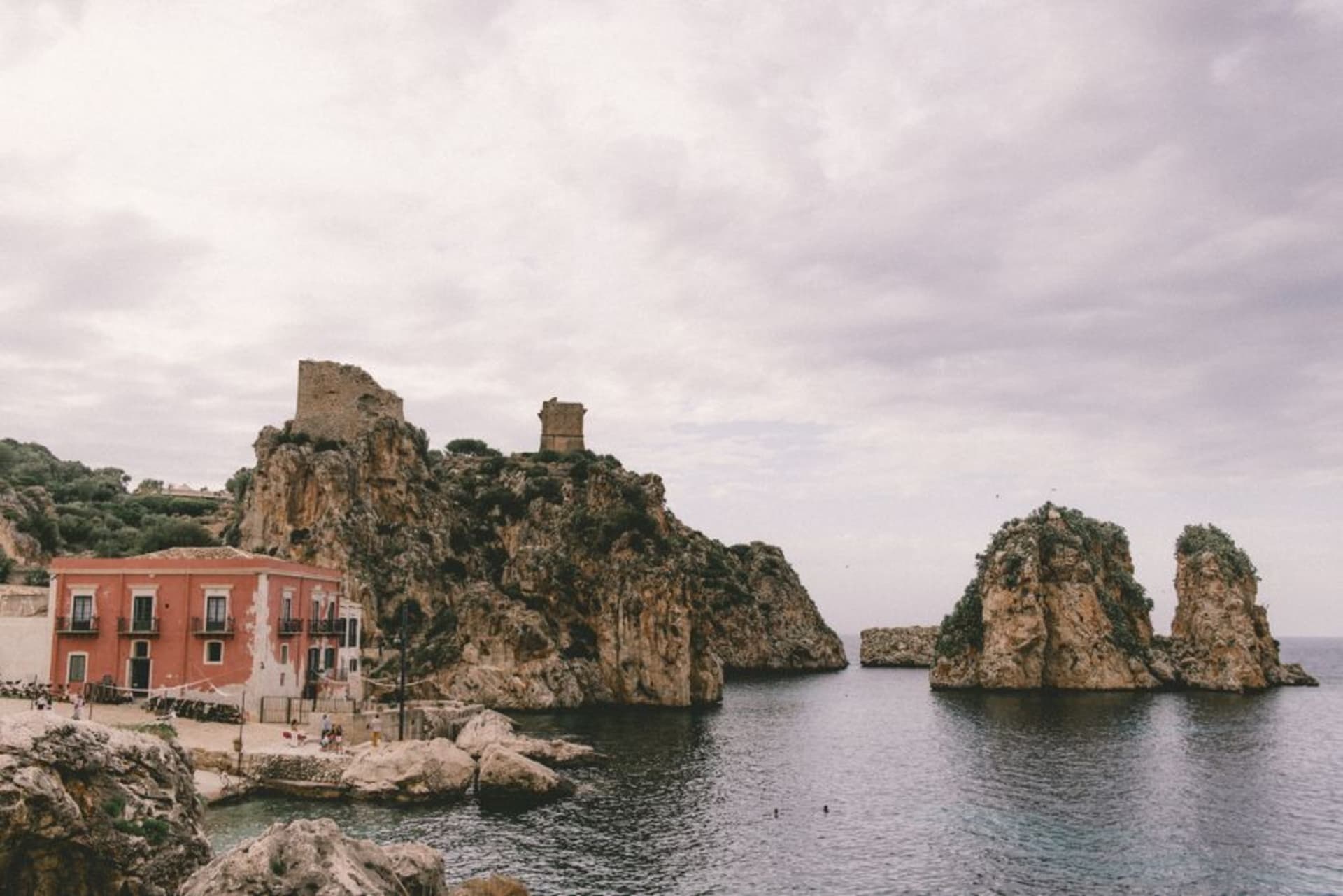
"We floated on our backs off the old tuna fishery at Scopello, staring up at these sea stacks like broken teeth against the sky, and I remember thinking no photo I'd seen had prepared me for how small they make you feel from the water."
A tiny former tuna-fishing hamlet on Sicily's northwest coast, watched over by the jagged faraglioni sea stacks rising just offshore.

Scopello is barely a village — a small piazza ringed by a few stone buildings, a couple of bars, and roads that dead-end into hiking trails or the sea. We came from Castellammare del Golfo along the coast road, and the whole drive Lia kept saying “wait until you see it” because she’d been before, years ago, and I’ll admit I was skeptical anyone could hype up rocks in the water that much. Then we rounded the last bend down to the old tonnara, the tuna fishery, and I got it.
The faraglioni are two limestone stacks standing just off a rocky cove, with the abandoned fishery buildings — weathered ochre and rust-colored, nets still hanging in places — framing them from the shore. Tuna fishing here goes back centuries, part of the mattanza tradition where fishermen drove schools of bluefin into a maze of nets for the final slaughter, a brutal and highly ritualized practice that continued at Scopello into the twentieth century before it wound down. Standing at the fishery now, quiet and half-museum, half-photo backdrop for honeymooners, it’s strange to picture the noise and blood that used to happen in that same water.

We paid the small entrance fee to get down to the fishery’s private-feeling cove and swam right up near the stacks, water so clear I could see my own shadow rippling on the seabed ten meters down. There’s a platform some people jump from, and I watched three Italian teenagers do it over and over with zero hesitation while I stood there working up the nerve for a solid five minutes before finally going. Worth it. The water near the rocks is noticeably colder, some current working its way around the base of the stacks, and it snapped me fully awake in a way that the espresso that morning hadn’t managed.

Afterward we hiked a stretch of the Zingaro nature reserve just north of the village, a protected coastline with no road access at all, which is part of why Scopello still feels undeveloped compared to somewhere like Taormina. Small coves kept appearing every twenty minutes of walking, each one nearly empty, and we picked one with almost no shade and no regrets, ate the bread and cheese we’d packed, and watched fishing boats work the horizon. It’s the kind of place where the appeal is entirely in what isn’t there — no boardwalk, no resort, just rock, water, and a couple of buildings that used to matter more than they do now.
When to go: June or September, when the Zingaro reserve trails are walkable without punishing heat and the water is already warm enough to swim.
Keep exploring
More from Sicily
 sicily
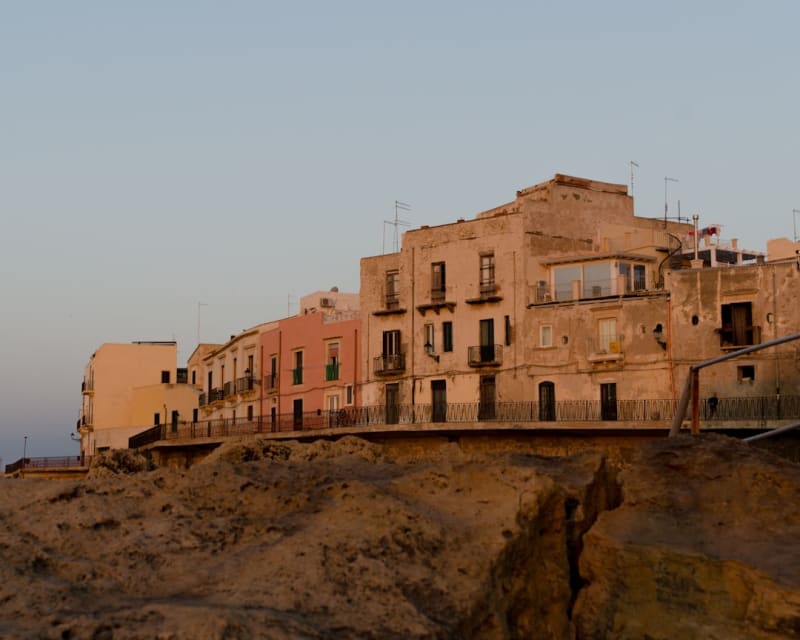
 Siracusa
A Greek city that became Roman, then Byzantine, then Norman, then baroque — Siracusa carries every layer at once and somehow wears them all well.
Explore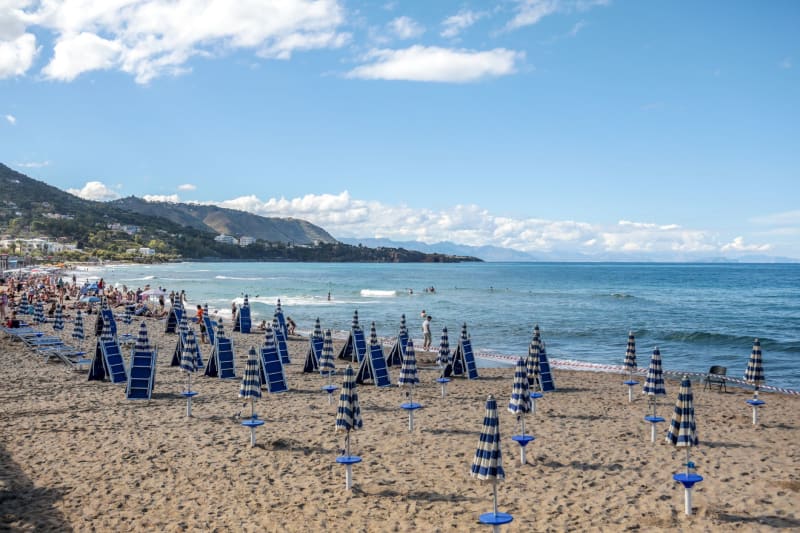 sicily
 Taormina
A clifftop medieval town with a Greek theater facing Etna and the Ionian Sea — absurdly photogenic, impossibly situated, and worth it despite the crowds.
Explore sicily
 Trapani
A port city on Sicily's western tip where the salt flats turn pink at sunset, tuna has been fished for centuries in bloody spring rituals, and the cous cous speaks to everything North Africa left behind.
Explore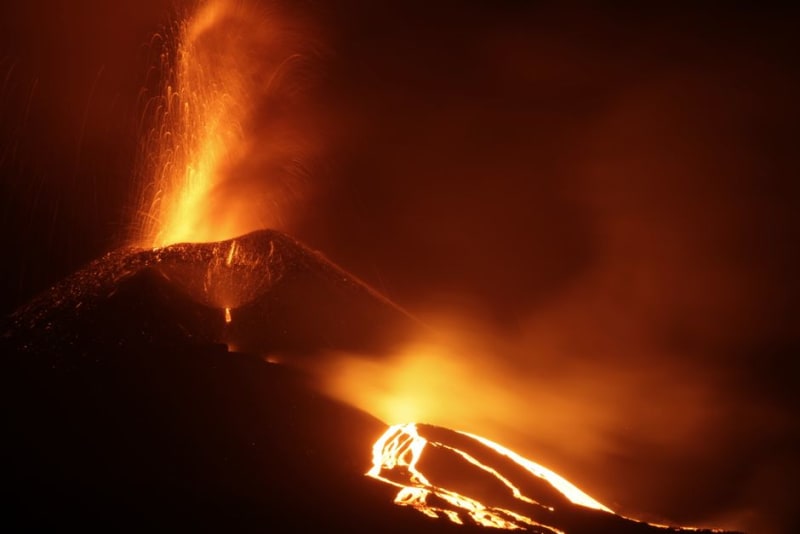 sicily
 Aeolian Islands
A volcanic archipelago scattered off Sicily's north coast, anchored by Stromboli, a mountain that has never fully stopped erupting.
Explore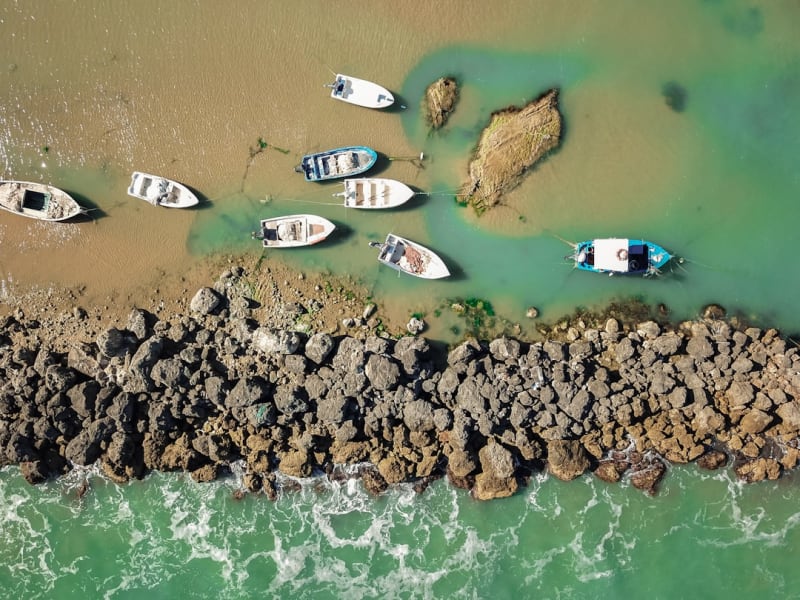 sicily
 Agrigento
The Valley of the Temples holds some of the best-preserved Greek ruins outside Greece itself, standing in almond groves above the southern Sicilian coast with a composure that makes you feel the centuries.
Explore sicily
 Caltagirone
A hill town in central Sicily built on centuries of maiolica ceramic craft, most visible on a monumental staircase tiled step by step.
Explore