Aeolian Islands
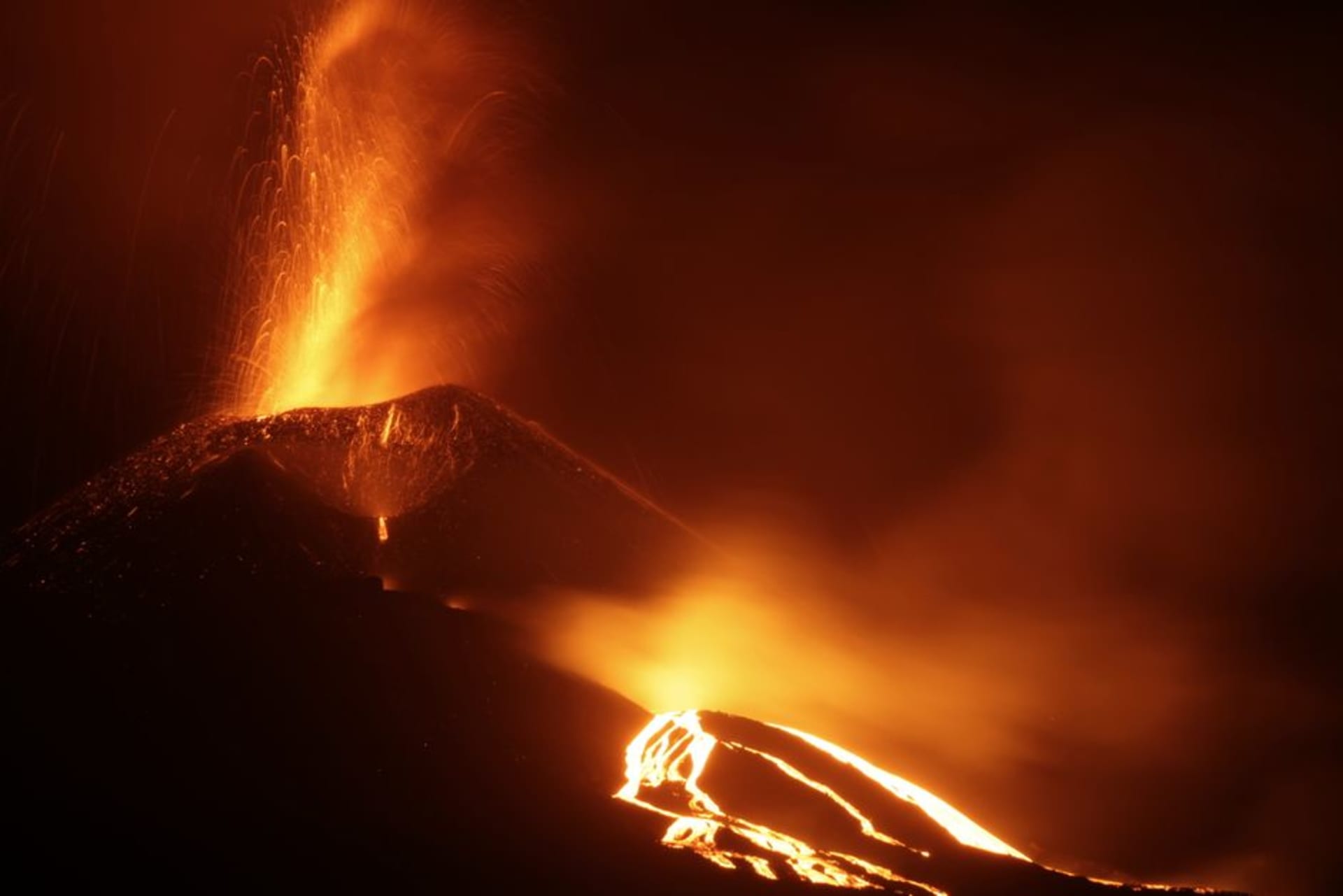
"We sat on the ferry deck at dusk watching Stromboli throw up a little orange spray every twenty minutes or so, completely unbothered by us, like a volcano doing its job on a schedule nobody set."
A volcanic archipelago scattered off Sicily's north coast, anchored by Stromboli, a mountain that has never fully stopped erupting.

The hydrofoil out of Milazzo drops you at a different island every twenty minutes if you take the slow route, and we did, mostly because we couldn’t decide which one to commit to. Lipari first, the biggest and most developed, where we ate swordfish involtini at a harbor table and watched day-trippers get herded back onto boats. Then Salina, greener than the others, terraced with capers and Malvasia vines, where an old man sold us capers still packed in coarse sea salt from a plastic bucket outside his house and refused to let us pay what I offered, insisting on less.
Stromboli was the one we actually came for, though. The island is basically just the volcano — you land, and the black-sand town of Stromboli village sits at the base of a mountain that has been erupting more or less continuously for something like two thousand years. Not violently, most of the time. It huffs. Small explosions every fifteen to twenty minutes, a rhythm so persistent that locals call it “the lighthouse of the Mediterranean,” and sailors used it for exactly that purpose for centuries.

You’re not allowed up to the crater alone anymore — a 2019 eruption injured tourists who’d gone without guides, and now everyone climbs with a licensed group, helmets on, timed so you reach the rim right around sunset. It’s a brutal climb in loose volcanic scree, three hours up in switchbacks with almost no shade, and I remember being furious with myself for underestimating it. Then you crest the ridge and the anger just evaporates. Below you, inside the crater, the mountain glows and spits — actual molten rock thrown into the air in slow arcs, visible from maybe six hundred meters away, close enough that you feel the group go silent at the same moment.

The descent afterward is its own experience — guides let you half-run, half-ski down the ash slope in the dark with headlamps, and by the time we hit the black beach again my shoes were full of volcanic grit that I’m pretty sure I never fully got out. We swam that night in water still warm from the day, Stromboli booming faintly behind us every so often like something clearing its throat. Lia said it was the strangest lullaby she’d ever slept to on a boat back to Lipari. I didn’t disagree.
When to go: June or September, avoiding both the August crowds and the winter ferry cancellations — rough seas regularly cut the islands off from November through March.
Keep exploring
More from Sicily
 sicily
Agrigento
The Valley of the Temples holds some of the best-preserved Greek ruins outside Greece itself, standing in almond groves above the southern Sicilian coast with a composure that makes you feel the centuries.
Explore sicily
Caltagirone
A hill town in central Sicily built on centuries of maiolica ceramic craft, most visible on a monumental staircase tiled step by step.
Explore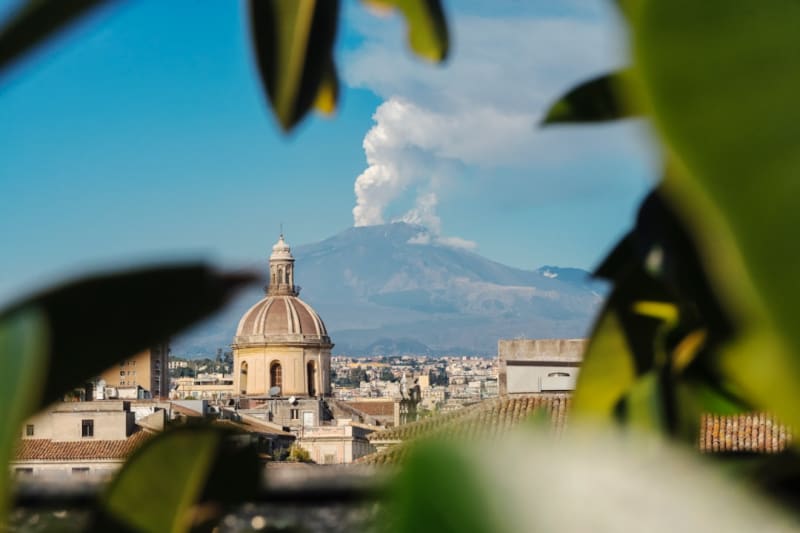 sicily
Catania
Built from Etna's lava and rebuilt after earthquakes, Catania is the fastest, noisiest, most honest city in Sicily — and its fish market is one of the great spectacles of Italian street life.
Explore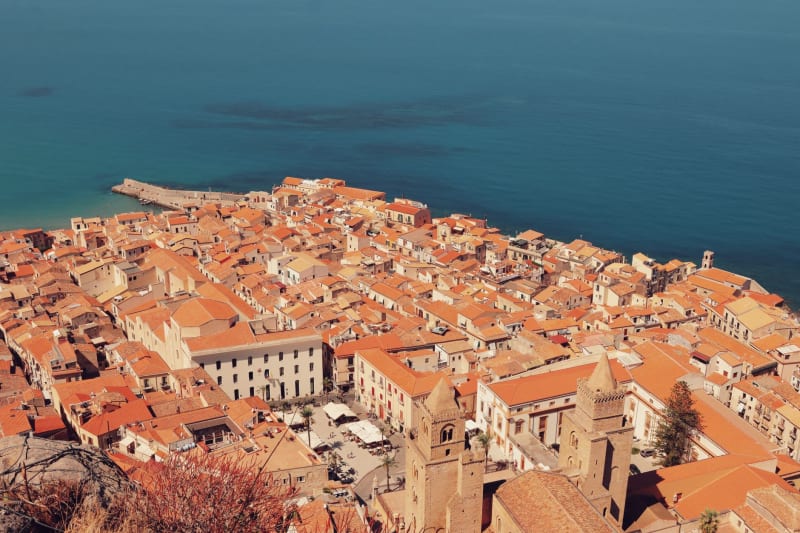 sicily
Cefalù
A Norman cathedral, a Arab-Byzantine mosaic Christ, a medieval fishing port, and a beach that actually delivers — Cefalù manages to be several things at once without feeling scattered.
Explore sicily
Erice
A medieval town adrift in the clouds above Trapani, all cobbled lanes, stone courtyards, and almond pastries made by a woman who guards her recipes like state secrets.
Explore sicily
Marsala
A Phoenician port on the western tip of Sicily that accidentally invented a fortified wine the English loved, and still makes it in stone cantinas that smell of oak and slow time.
Explore