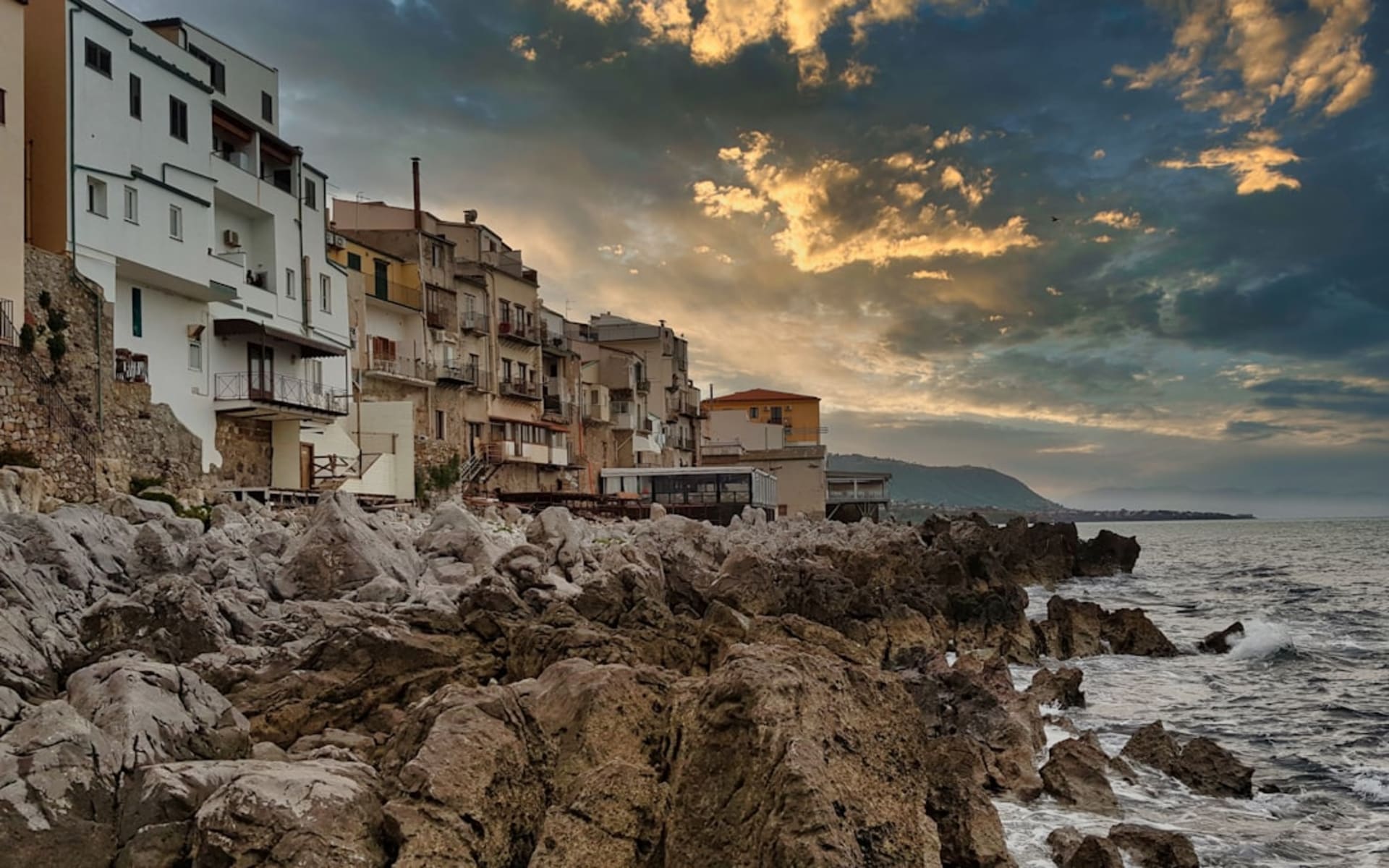
Marsala
"The wine has been aging in this room since before I was born. You can smell the years."
A Phoenician port on the western tip of Sicily that accidentally invented a fortified wine the English loved, and still makes it in stone cantinas that smell of oak and slow time.

The name Marsala comes from the Arabic Marsa Allah — harbor of God — which tells you something about how long this stretch of coastline has been considered a good place to stop. The Phoenicians founded a city here. The Arabs named the harbor. The Normans built on top of that. Then an English merchant named John Woodhouse arrived in 1796 during a storm, tasted the local wine, decided it would sell better in England if fortified with grape spirit to survive the voyage, and the rest is wine-export history.
The Cantinas
I am not a fortified-wine person in the abstract, but I am a person who will taste things in the places they come from and feel differently about them. The Florio cantina south of the city is the grandest of the Marsala producers — a 19th-century complex of stone warehouses along the coast where rows of enormous chestnut and oak barrels hold wine at various stages of aging. The tour passes through these rooms in a sequence that is as much about the smell as the information: something between vanilla, oxidized raisin, and old wood, the temperature dropping as you go deeper into the building.
The tasting at the end delivered three different Marsalas — dry, semi-sweet, and the aged Superiore — which are genuinely different wines that share a character the way siblings share a face. The dry Marsala is the one that surprised me. It has an umami quality that works with food rather than against it.
Smaller producers in the city center have less theatrical settings but often more interesting wines. I found a cantina on a side street near the Piazza della Repubblica that was barely signed and had a sign in the window saying they were open. I went in. A man poured me four things and explained them in rapid Italian-Sicilian. I understood the wine better than the words.
The Old City
Marsala’s old center is quieter than you’d expect from a town with its wine-tourism profile. The Piazza della Repubblica has a cathedral with an 18th-century baroque facade — inside, there’s a series of Flemish tapestries from the 1500s that depict scenes from the life of Christ with a specificity that suggests they were made by people who took their craft very seriously. The museum beneath the cathedral holds the archaeological material from the Roman period.
At the Museo Archeologico Lilibeo, down near the waterfront, there’s a Phoenician warship. Not a reconstruction: an actual Punic warship from the First Punic War (241 BC), raised from the seabed in the 1970s, preserved in a dedicated building. It is 35 meters long. The wood is dark and shrunken but identifiably a ship, and looking at it in its museum case is an odd experience — something that sank in combat in the third century BC, pulled up from the sea and put in a room where you can walk around it.
The Saline and the Stagnone
North of the city, the road toward Trapani passes the Stagnone lagoon — shallow water, Mozia island (a Phoenician archaeological site accessible by flat-bottomed boat), and the salt flats that merge with the ones around Trapani. The light here at the end of the day is broad and flat, the way coast light is when there’s no elevation to give it angle. I drove this road in the evening and pulled over twice.
When to go: May and June before the summer heat sets in, or September-October when the grape harvest is happening across western Sicily and the wine cantinas are at their most active. The Stagnone is beautiful year-round but most accessible in summer for boat trips to Mozia.
Keep exploring
More from Sicily
 sicily
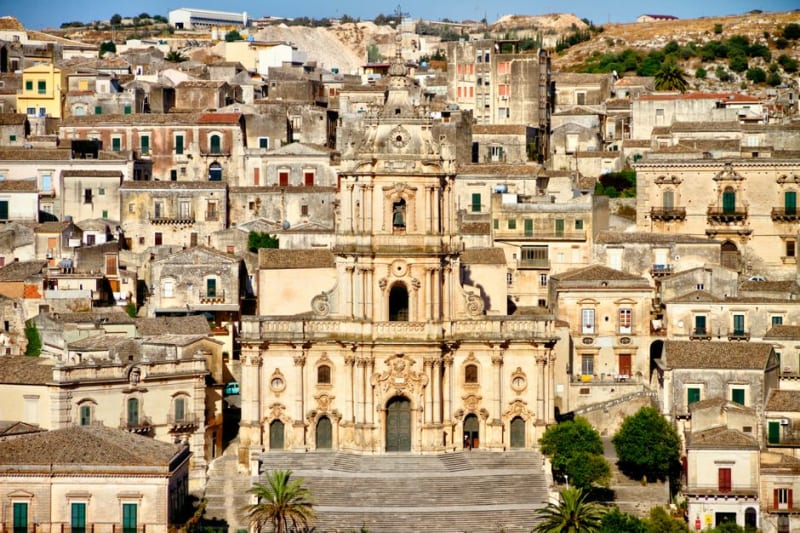
 Modica
A steep baroque town in southeastern Sicily where cold-worked chocolate, gritty and unrefined, still gets made the way the Spanish learned it from the Aztecs.
Explore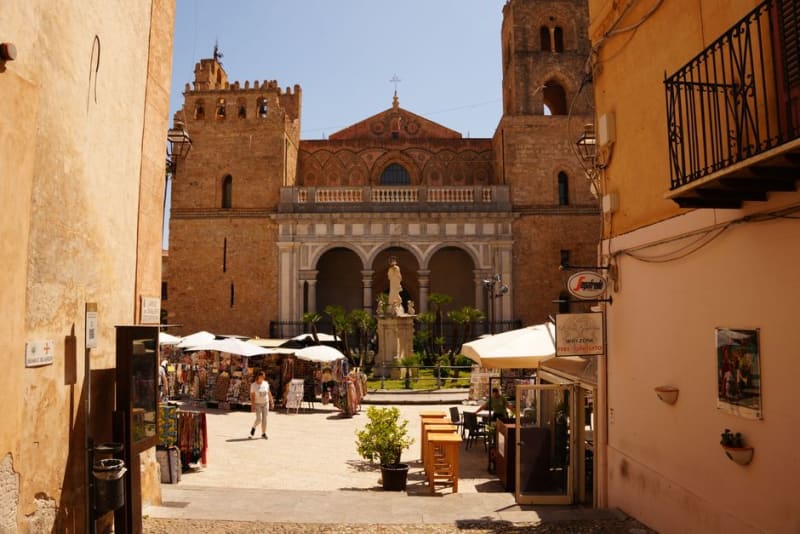 sicily
 Monreale
A hilltop town above Palermo where a Norman cathedral holds acres of Byzantine gold mosaic that still stop conversations mid-sentence.
Explore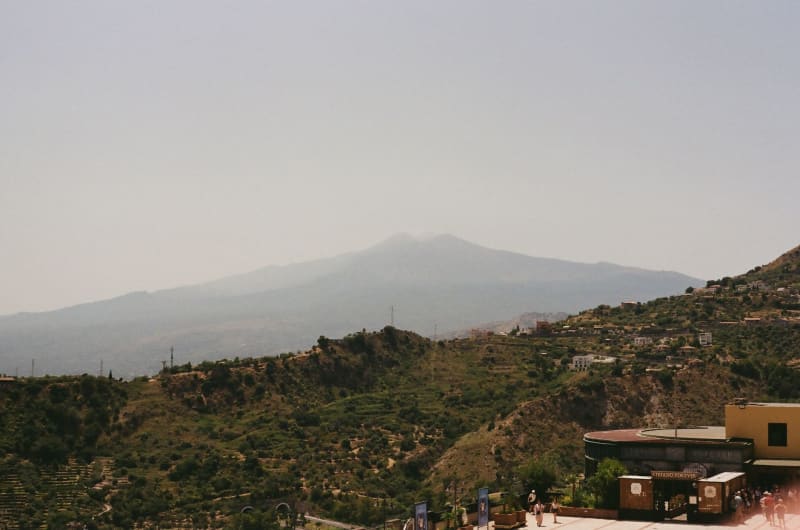 sicily
 Mount Etna
Europe's largest active volcano sits above the eastern coast of Sicily like a slow, smoking argument — and everything grown in its shadow tastes better for it.
Explore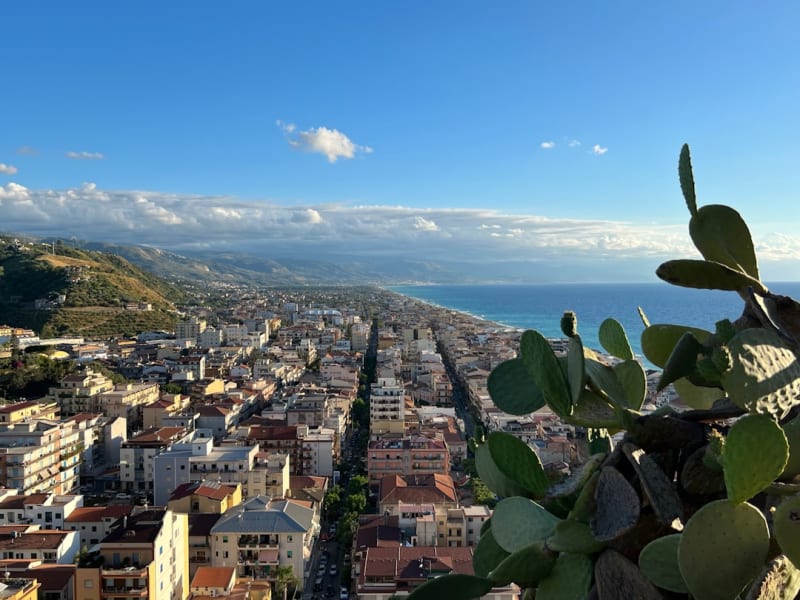 sicily
 Noto
The most perfectly composed baroque town in Sicily, rebuilt from scratch in honey-colored limestone after the 1693 earthquake and looking, implausibly, like it was finished last week.
Explore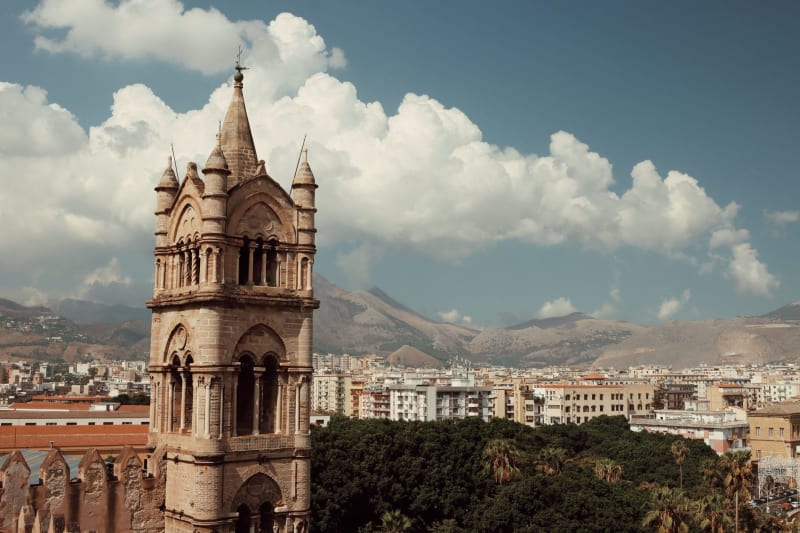 sicily
 Palermo
A city that fries its street food in public and dares you to look away — Palermo is loud, layered, and relentlessly alive.
Explore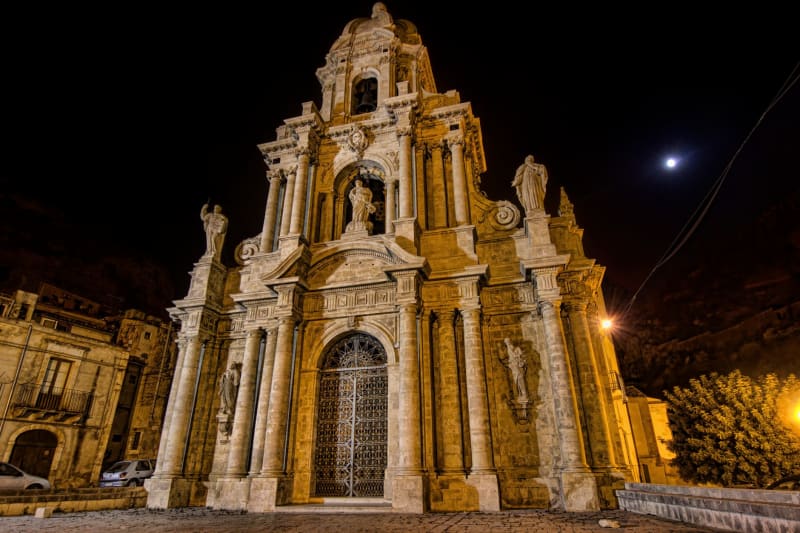 sicily
 Ragusa
A baroque hilltop town rebuilt after a 1693 earthquake, Ragusa Ibla occupies its limestone ridge with a quiet self-possession that makes it the most underrated UNESCO site in southern Sicily.
Explore