Modica
"I bit into a bar of chilli chocolate in Modica and it didn't melt in my mouth the way chocolate is supposed to — it just kept its shape and crunched, sugar crystals and all, and I understood I'd been eating the wrong kind my whole life."
A steep baroque town in southeastern Sicily where cold-worked chocolate, gritty and unrefined, still gets made the way the Spanish learned it from the Aztecs.

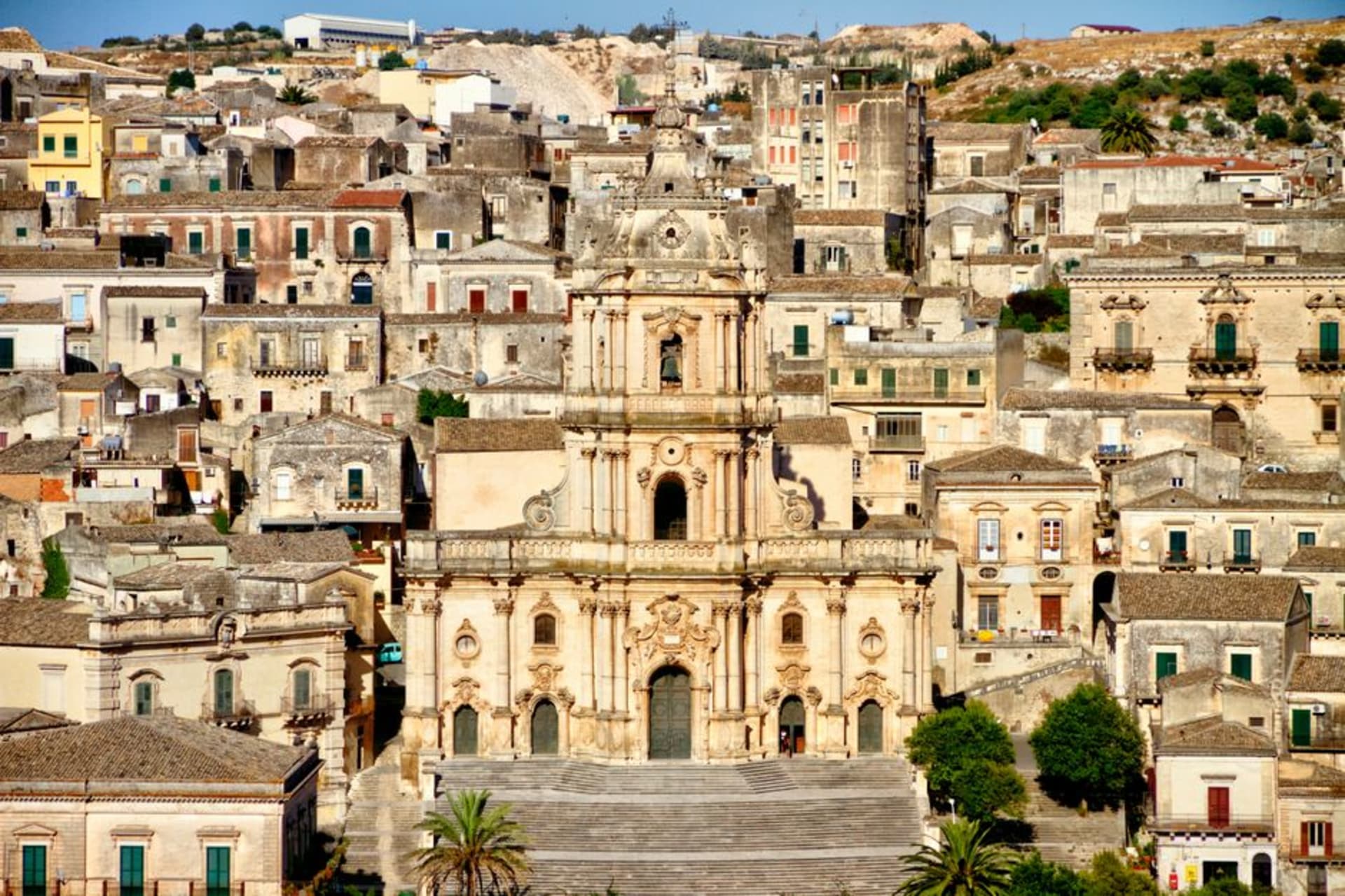
Modica is built into a gorge, and you feel that in your calves before you feel it anywhere else. Lia and I parked below the town because everyone told us to, then climbed what felt like an endless staircase of streets toward the upper town, past laundry strung between balconies and scooters parked at impossible angles on the incline. By the time we reached Corso Umberto I, the main drag that runs along the old riverbed, we’d both stopped talking and started just pointing at things — a doorway, a carved balcony bracket shaped like a screaming face, a nun crossing the street with grocery bags.
The chocolate is the reason most people come, and it deserves the reputation, but almost nobody explains why it tastes so strange the first time. Modica chocolate is worked cold, below the temperature where cocoa butter melts and recrystallizes smooth, which is the whole trick behind Swiss or Belgian chocolate. Here they never learned that trick, or rather they learned an older one first — a technique that came through Spanish Sicily from Aztec Mexico, where chocolate was ground on a metate with sugar and left grainy. So Modica chocolate stays grainy on purpose. You can feel individual sugar crystals against your tongue. It’s meant to be eaten in small pieces, not snapped and savored like a chocolate bar back home.

We ate lunch at a place halfway up the hill where the owner, once he heard I lived in Mexico, got genuinely excited and started asking about vanilla and cinnamon sourcing like we were old colleagues. He gave us an extra plate of caponata we hadn’t ordered. That’s the thing about Modica that surprised me — it doesn’t feel like a town performing its own history for tourists, even though the whole place is a UNESCO-listed showcase of Sicilian Baroque rebuilt after the 1693 earthquake flattened everything. The rebuilding happened fast and with real money, which is why the churches look almost too grand for a town this size.
San Giorgio is the one everyone photographs, its facade climbing a flight of steps so steep it functions as its own piece of architecture. We went up at golden hour when the stone turns the color of the chocolate we’d just eaten, and there was almost nobody there — just a couple of old men on a bench arguing about something in dialect neither of us could follow, and a cat asleep on the third step from the top.

What stuck with me leaving Modica wasn’t any single sight but the physical sensation of the town — how walking it means constantly going up or down, never level, so your whole visit has this built-in rhythm of effort and payoff. You climb, you’re rewarded with a view or a church or a chocolate shop, you climb again. Lia said it reminded her of some hill towns in Oaxaca, and I think that’s not a coincidence. Both places absorbed something from an empire and kept using it long after the empire moved on.
When to go: Late spring or October, when the heat is manageable enough to handle the stairs — Sicilian summer sun on those stone streets is brutal by midday.
Keep exploring
More from Sicily
 sicily
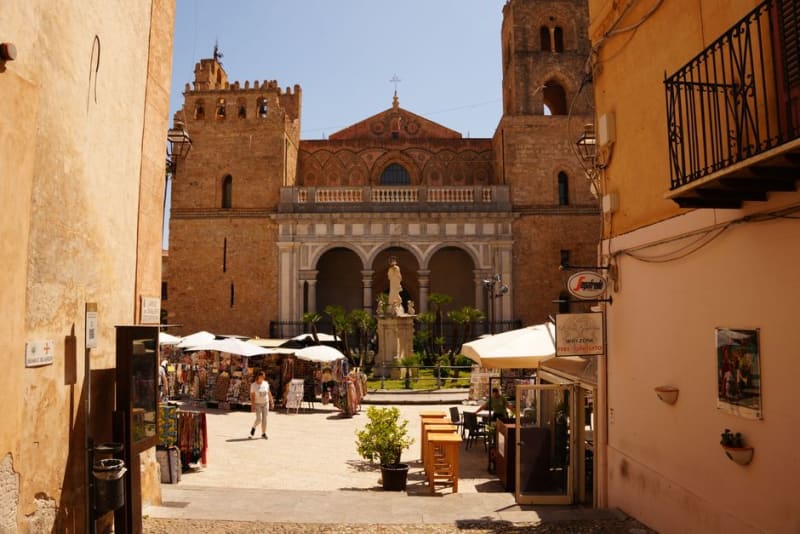
 Monreale
A hilltop town above Palermo where a Norman cathedral holds acres of Byzantine gold mosaic that still stop conversations mid-sentence.
Explore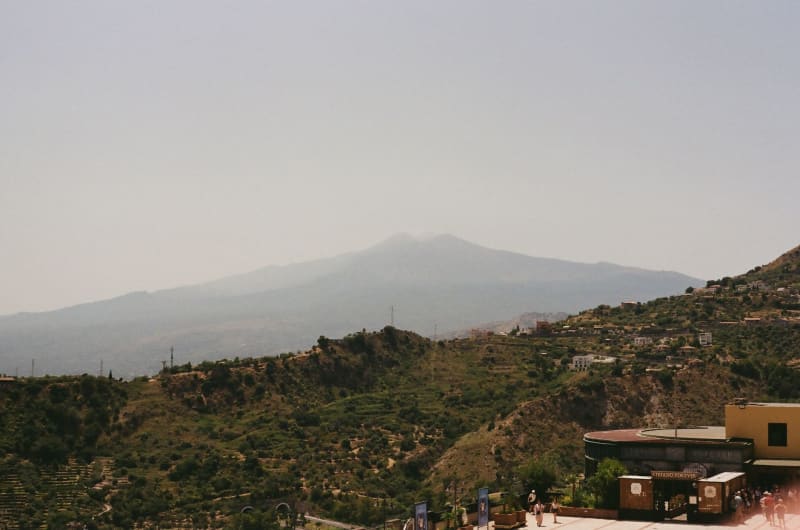 sicily
 Mount Etna
Europe's largest active volcano sits above the eastern coast of Sicily like a slow, smoking argument — and everything grown in its shadow tastes better for it.
Explore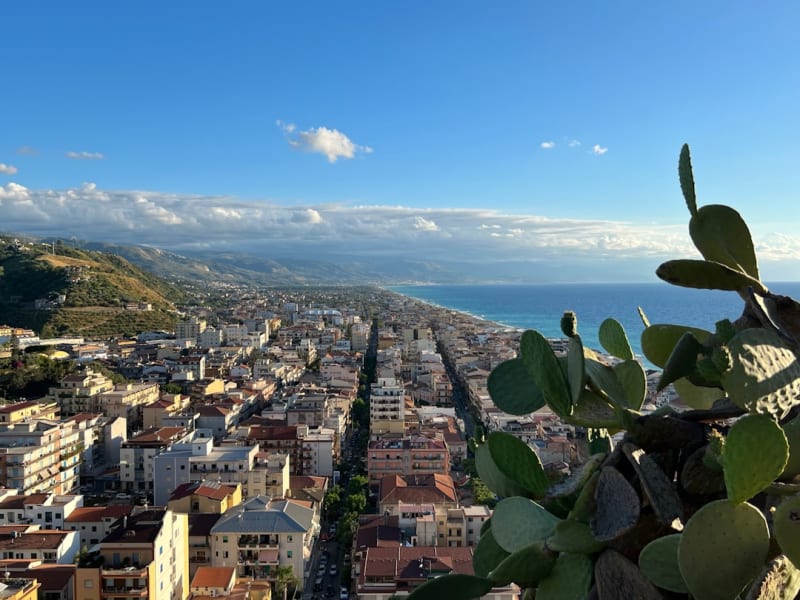 sicily
 Noto
The most perfectly composed baroque town in Sicily, rebuilt from scratch in honey-colored limestone after the 1693 earthquake and looking, implausibly, like it was finished last week.
Explore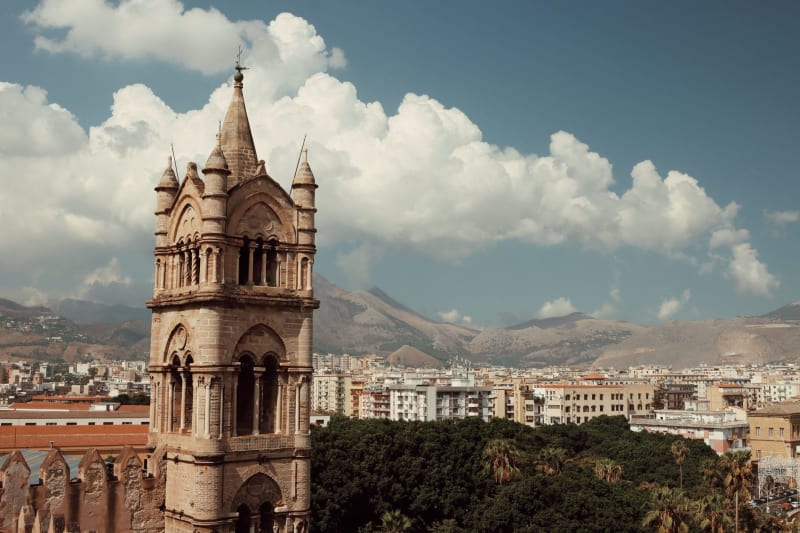 sicily
 Palermo
A city that fries its street food in public and dares you to look away — Palermo is loud, layered, and relentlessly alive.
Explore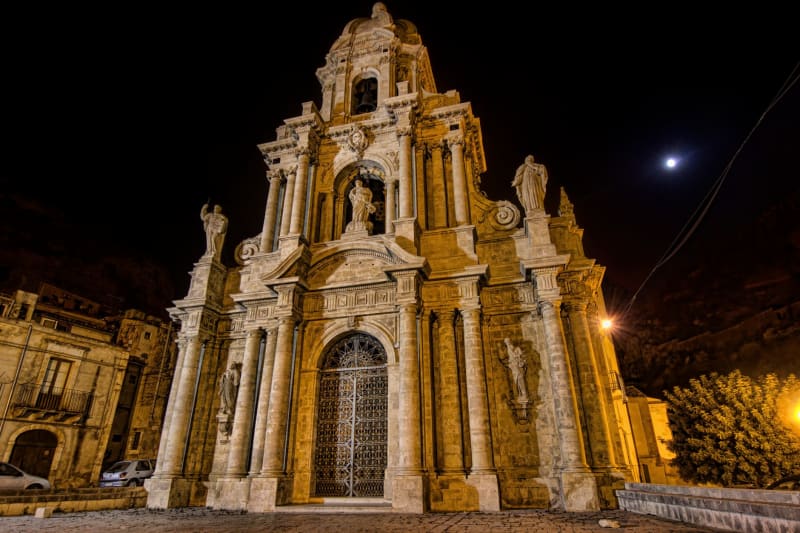 sicily
 Ragusa
A baroque hilltop town rebuilt after a 1693 earthquake, Ragusa Ibla occupies its limestone ridge with a quiet self-possession that makes it the most underrated UNESCO site in southern Sicily.
Explore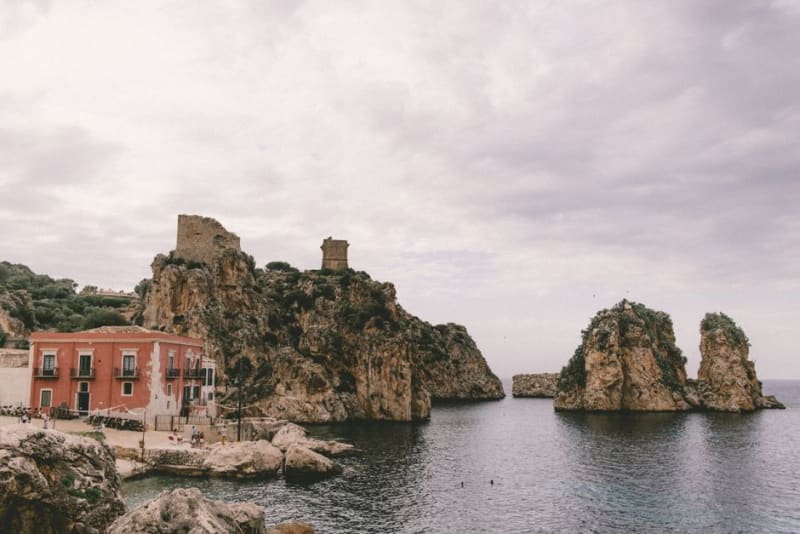 sicily
 Scopello
A tiny former tuna-fishing hamlet on Sicily's northwest coast, watched over by the jagged faraglioni sea stacks rising just offshore.
Explore