Europe
Serbia
"Belgrade doesn't try to charm you — it just pulls you in and doesn't let go."
Where Ottoman minarets and Austro-Hungarian facades share the same street, and the rakija flows before anyone asks if you want a drink.
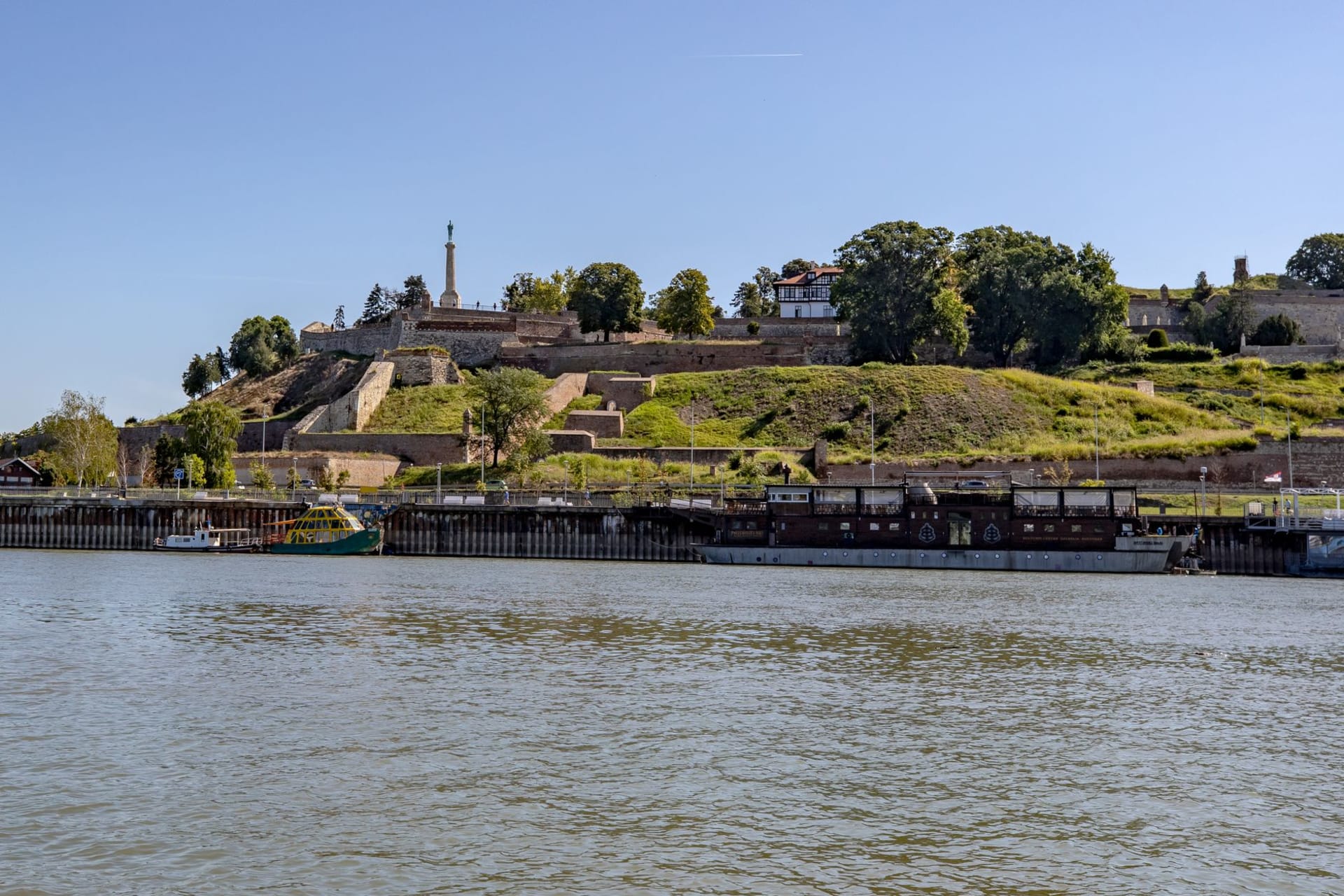
I arrived in Belgrade on an overnight bus from Budapest, disheveled and half-asleep, and within three hours I understood that this city operated on entirely different rules. The taxi driver wanted to know what I thought of Macron. The café I walked into was already full at 9am — not with tourists, but with people reading newspapers and nursing espressos with the unhurried gravity of people who have nowhere else to be. By noon I had eaten a burek the size of my forearm from a bakery on Knez Mihailova and was standing at the confluence of the Sava and the Danube, looking up at the walls of Kalemegdan fortress while a man with a German shepherd and a thermos of coffee held court next to a Roman-era cannon. That first day set the tone for everything.
Belgrade is not polished. It is not trying to be. The contrast is the point — Socialist-era tower blocks loom over 19th-century Habsburg promenades, Orthodox church domes rise above the flat rooftops, and somewhere in the tangle of Skadarlija, the bohemian quarter, a brass band starts up in the early afternoon whether you want it to or not. The food is a direct extension of this refusal to aestheticize everything: grilled meats, slow-cooked beans, chevapi with fresh onion and kajmak — the clotted cream that appears at every meal — and a plum brandy culture that treats rakija the way Mexicans treat mezcal. Ceremonial, generous, never optional. Beyond Belgrade, Novi Sad is quieter and more elegant, the Uvac River Canyon is one of the most startling natural landscapes I have encountered in Europe, and Niš carries a darkness — the Skull Tower, the Roman ruins — that no amount of coffee-and-sun terrace life entirely offsets.
I went back a second time. That does not happen often.
When to go: May to June or September to October. Summers in Belgrade are brutal — the city sits in a basin and the heat bounces off the concrete. The EXIT music festival in Novi Sad runs in July if that is your thing, but otherwise spring and early autumn give you the city at street level, outdoor cafés humming, without the punishing temperatures.
What most guides get wrong: They present Serbia as a budget destination and leave it there. Yes, it is cheap by European standards — a meal, a beer, a bed — but that framing flattens what makes it interesting. The food culture is more sophisticated than the prices suggest. The nightlife is legendary not because it is cheap but because Serbs genuinely know how to build an evening that lasts until sunrise. And the country’s historical complexity — four empires, two world wars, a recent conflict that ended within living memory — gives every conversation a weight and a candor you rarely find in places that have been smoothed down by decades of tourism. People will tell you exactly what they think. That is more valuable than most things on any travel itinerary.
Explore
Places in Serbia
 serbia
 Belgrade
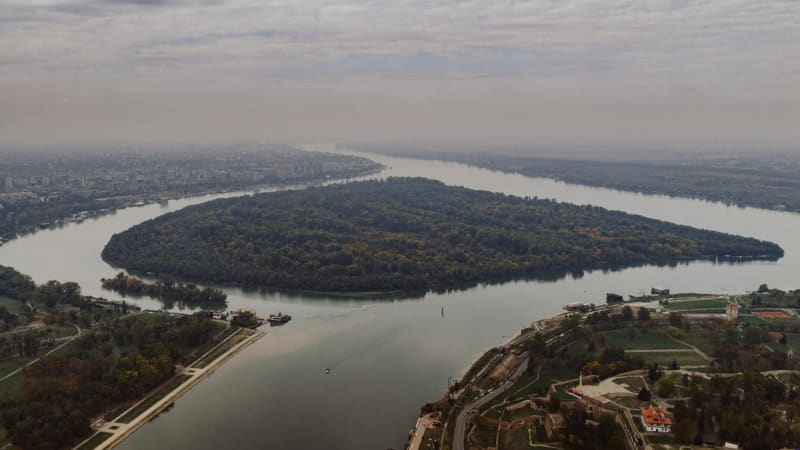
Balkan Europe's most exuberant capital, where an ancient fortress presides over a confluence of two rivers and nights that never quite end.
Explore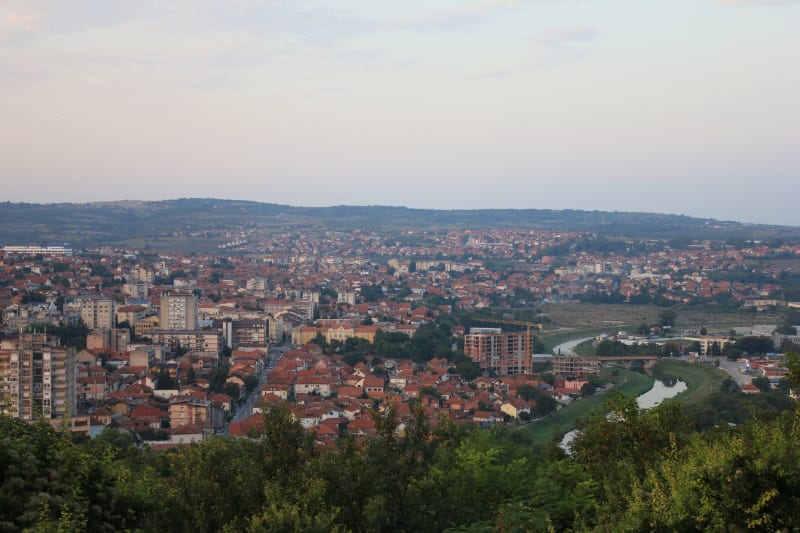 serbia
 Đavolja Varoš
Devil's Town — a valley of 200 earth pyramids shaped by acid springs so corrosive they barely qualify as water, standing in isolation in southern Serbia.
Explore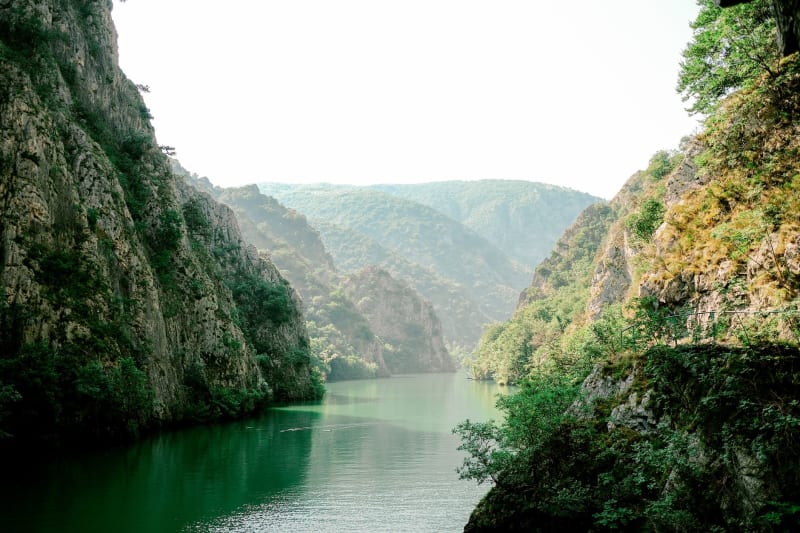 serbia
 Đerdap Gorge
Where the Danube forces its way through the Carpathians in a 100-kilometer gorge packed with Roman roads, Neolithic sculptures, and medieval fortresses.
Explore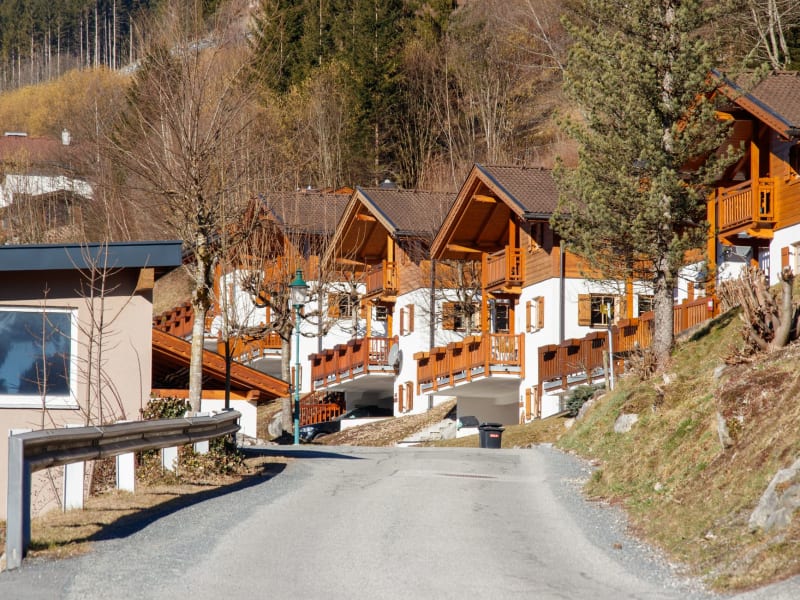 serbia
 Drvengrad
Emir Kusturica's hand-built wooden village in the western Serbian hills — part vanity project, part genuine place, entirely cinematic.
Explore serbia
 Nis
Constantine the Great's birthplace harbors a skull tower, Roman ruins, and a lively pedestrian street in a city historians haven't finished with yet.
Explore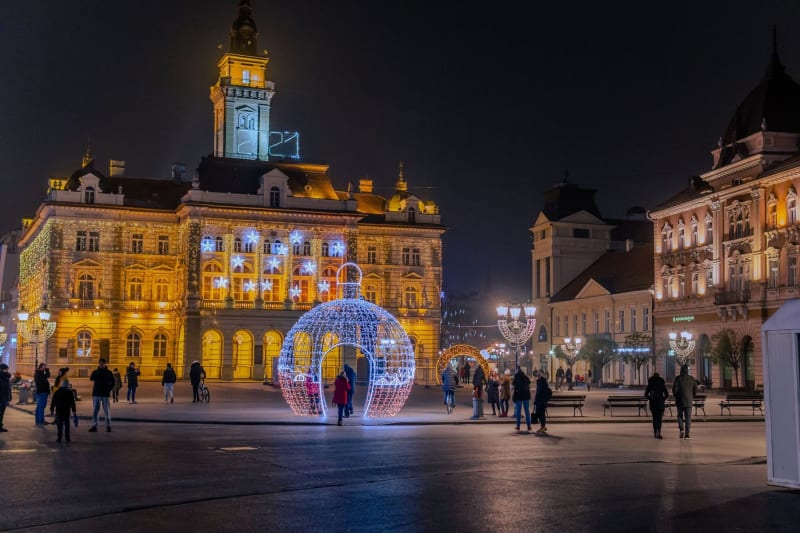 serbia
 Novi Sad
The 'Athens of Serbia' pairs a majestic Danube-side fortress with a European Capital of Culture heritage and the beloved Exit music festival.
Explore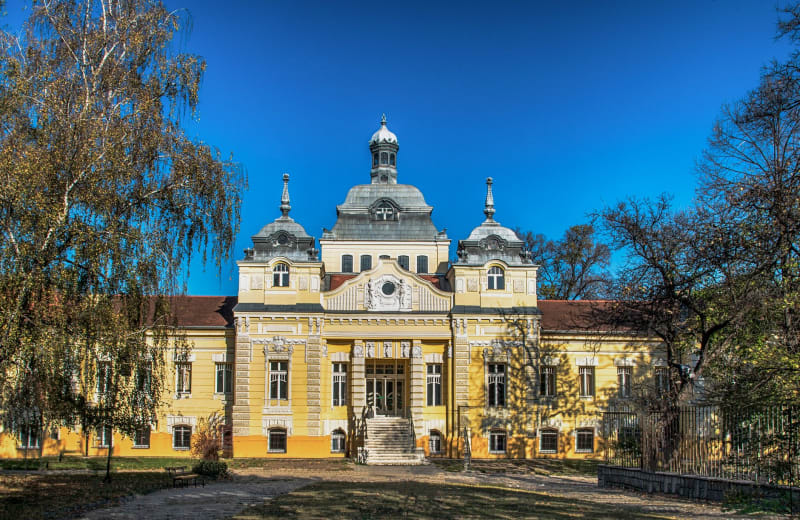 serbia
 Oplenac
A hilltop royal mausoleum in the Šumadija wine country where 40 million mosaic tiles compress eight centuries of Serbian sacred painting into one white marble church.
Explore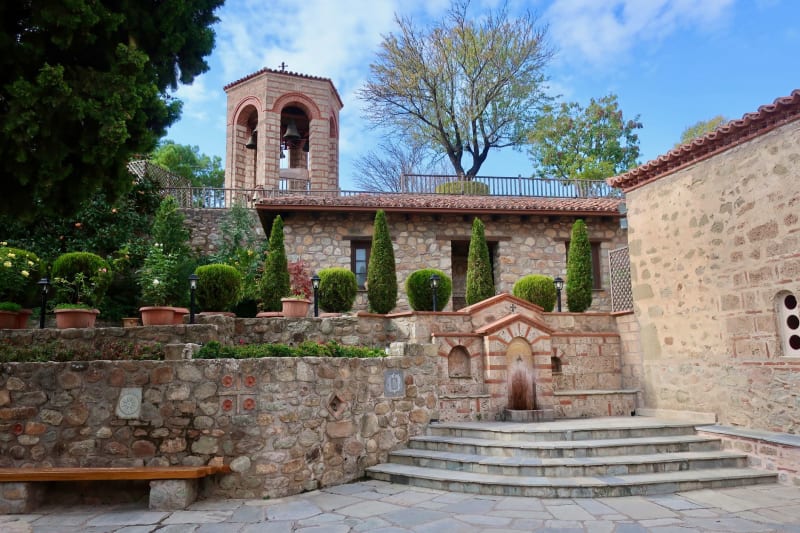 serbia
 Studenica Monastery
Serbia's most sacred monastery — a UNESCO masterpiece of white marble Byzantine churches hidden in a forested valley since the 12th century.
Explore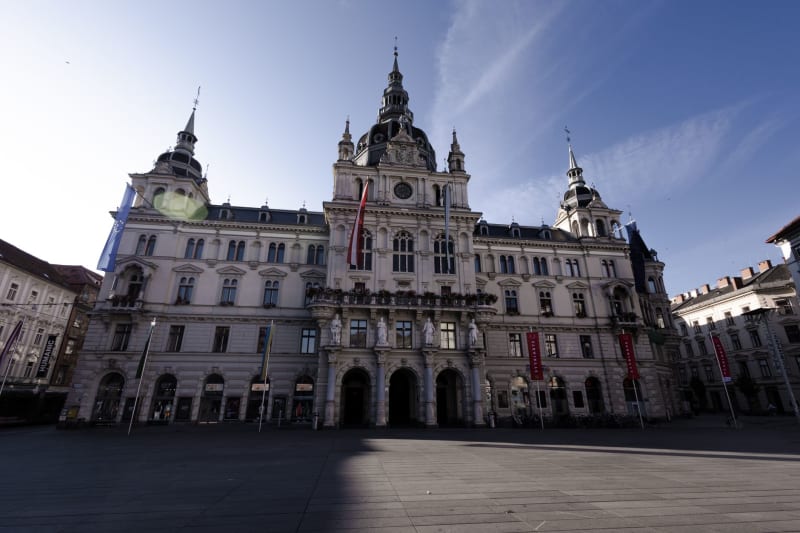 serbia
 Subotica
A Vojvodinian border city where Art Nouveau architecture and three spoken languages collide in one improbably beautiful square.
Explore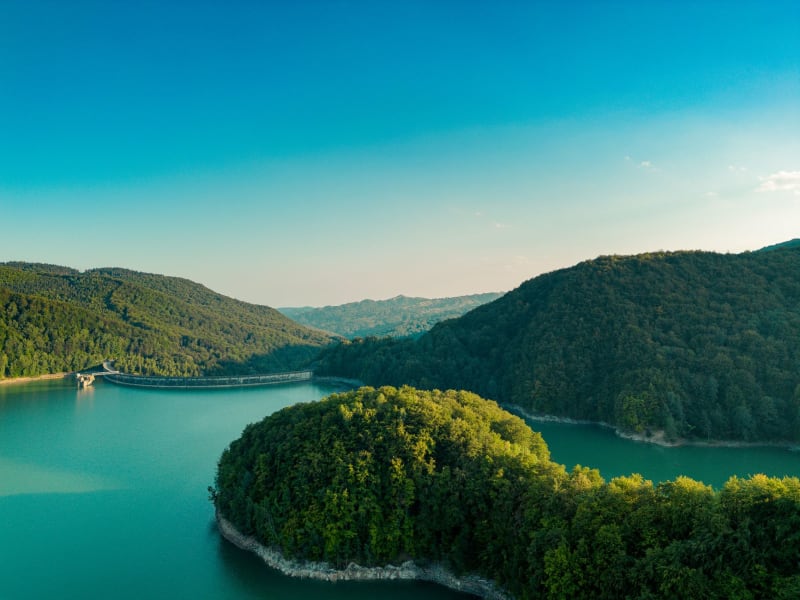 serbia
 Uvac Canyon
A river that loops back on itself in dizzying horseshoe meanders, watched over by one of Europe's last great colonies of griffon vultures.
Explore serbia
 Zlatibor
A high-plateau paradise of rolling meadows, pine forests, and village ethno-zones where Serbian mountain culture breathes freely.
Explore