Subotica
"I couldn't tell which country I was in. The building couldn't either. We got along fine."
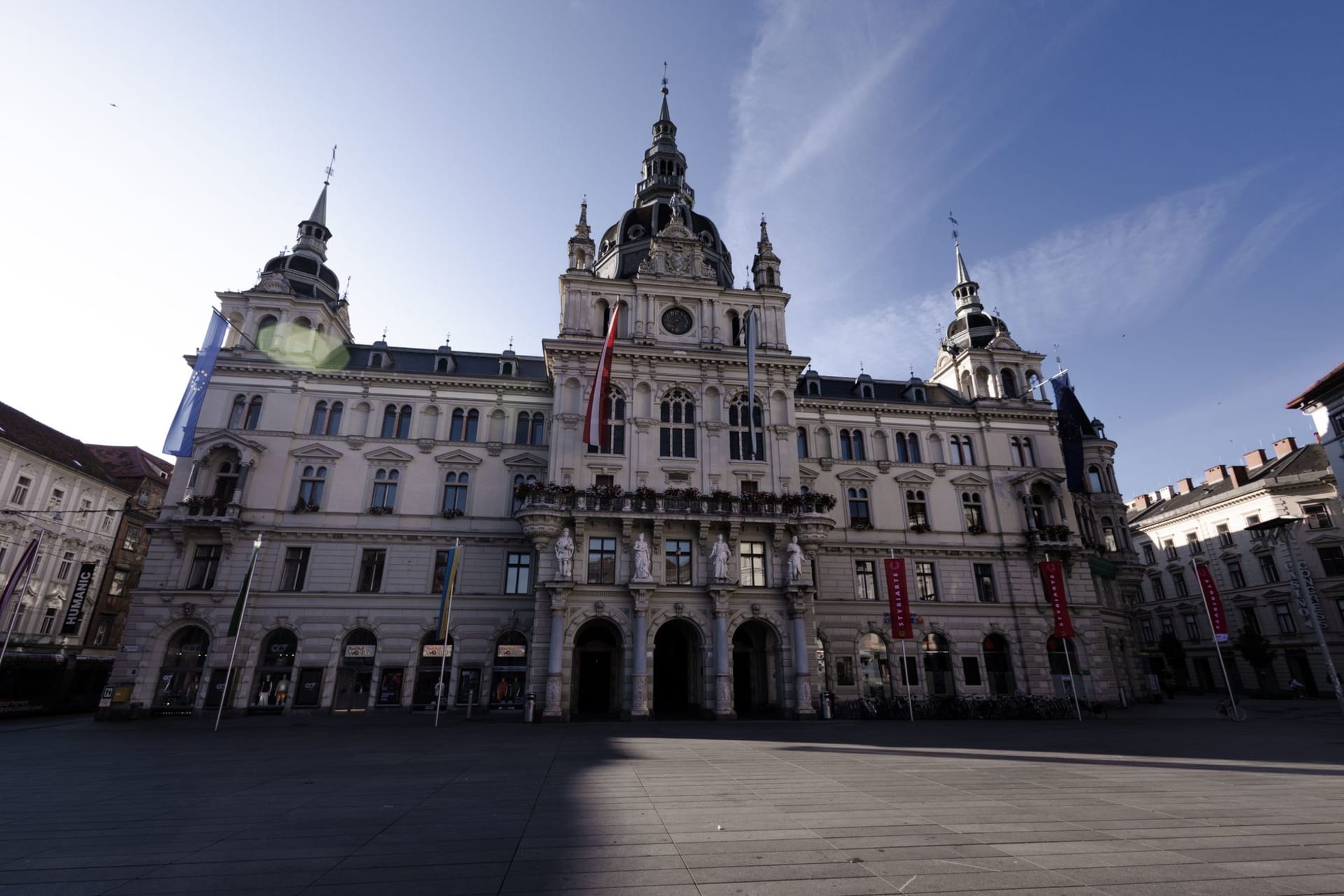
The train from Budapest drops you into Subotica before you’ve had time to adjust to Serbia. You’re still in Vojvodina — flat, agricultural, Pannonian — but the city feels like it snuck across the border with a suitcase full of someone else’s architecture. The City Hall alone is worth the trip: a 1908 Art Nouveau building in glazed terracotta and majolica, pale green and gold against a sky that runs perpetually overexposed this far north. I stood in the square looking up at it for a long time, trying to decide if it was beautiful or just strange. Concluded: both.
Three Languages in One Lunch
Subotica is one of the few Serbian cities where you’ll hear Hungarian as often as Serbian, with Bunjevci dialect mixed in if you know what to listen for. At the market near the central square, vendors switch languages mid-sentence. I bought a bag of paprika powder from a woman who quoted me the price in Hungarian, wrote it down in Serbian, and accepted euros without comment. At lunch near the synagogue, the menu at a kafana ran in three alphabets. The food was solid — a bean stew called pasulj that tasted like it had been simmering since the Austro-Hungarian era, which it probably had. The paprika heat was quiet and persistent and exactly right.
The Synagogue and Palić
The Subotica Synagogue is one of the most striking Art Nouveau synagogues in Europe, and it’s been in a long, complicated restoration for years. When I visited, the scaffolding was down and the facade gleamed: peacock colors, curved lines, a building that looks like Gaudí and Klimt were asked to collaborate on a Friday afternoon. The interior access depends on when you visit and where the restoration stands. Worth attempting regardless.
Lia and I rented bikes and rode out to Lake Palić, about six kilometers from the center — a resort lake that was fashionable in the 1890s and still carries that faded spa-town energy. The promenade has good bones. We had beers at a waterfront café watching pelicans drift past, which felt improbable enough to be worth the ride. The lake path is flat, easy, and completely free of urgency.
Eating and Wandering
The old Jewish quarter near the synagogue has a few good wine bars where Serbian wines from the north get proper attention. Vojvodina whites and Fruška Gora reds are better than their international reputation suggests — ask specifically for Graševina or the local blends. A fisherman’s stew called riblja čorba appeared on almost every menu; the version made with carp from Palić had a paprika heat that built slowly across the bowl.
Subotica doesn’t reward rushing. The pleasure is in the texture: a city that doesn’t know exactly which country it belongs to and has made a durable peace with the ambiguity. The architecture is Austro-Hungarian. The food is Serbian. The conversations are Hungarian and Serbian and sometimes something else. It all occupies the same square without apparent friction, which is rarer than it should be.
When to go: April–June or September–October. Summers get hot and the Palić resort crowds up. Winter is flat and grey and the terracotta reads poorly in weak light. Spring mornings give the best warmth on the City Hall facade — go before ten.