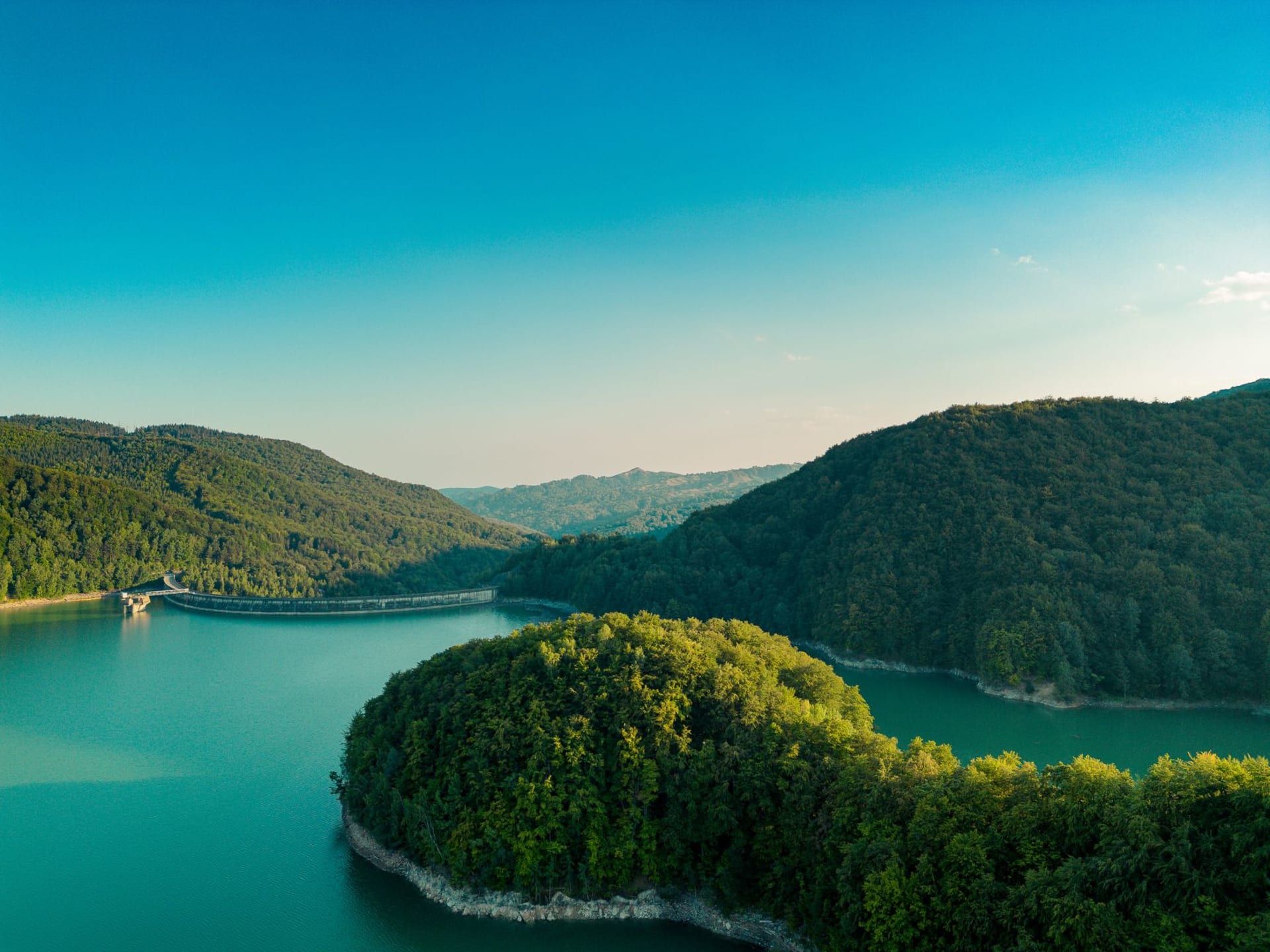
Everyone has seen the photograph of Uvac even if they don’t know its name: the river folding back on itself in tight green loops, hundreds of metres below a knife-edge of limestone, the whole thing looking less like a landscape than a doodle a god made while distracted. I’d seen it too, on a postcard in a Belgrade hostel, and I’d assumed it was somewhere unreachable in the Caucasus. It is in fact in southwestern Serbia, a few hours’ drive from anywhere, in a special nature reserve most foreign tourists have never heard of. Lia found a guesthouse near Nova Varoš and we went to see if the photograph lied.
Climbing to the Viewpoint
It does not lie. There is a steep, sweaty climb from the reservoir up to the Molitva viewpoint — about forty minutes through scrubby beech and loose limestone, the kind of path that makes you question your life choices in the last hundred metres. Then the ground simply falls away and the meanders open up below you, and every person at the top goes quiet for a moment before reaching for their phone.
We did the climb in the cool of early morning, which I recommend not for the photography but for the silence. The reservoir below was glass-flat, the colour of weak absinthe, and the only sound was the wind moving along the cliff edges. I sat on a warm rock with my legs dangling over what was probably an unwise amount of nothing, and Lia, who has more sense, sat well back and read the information board about the geology. She is the reason I am still alive.
The Vultures and the Boat
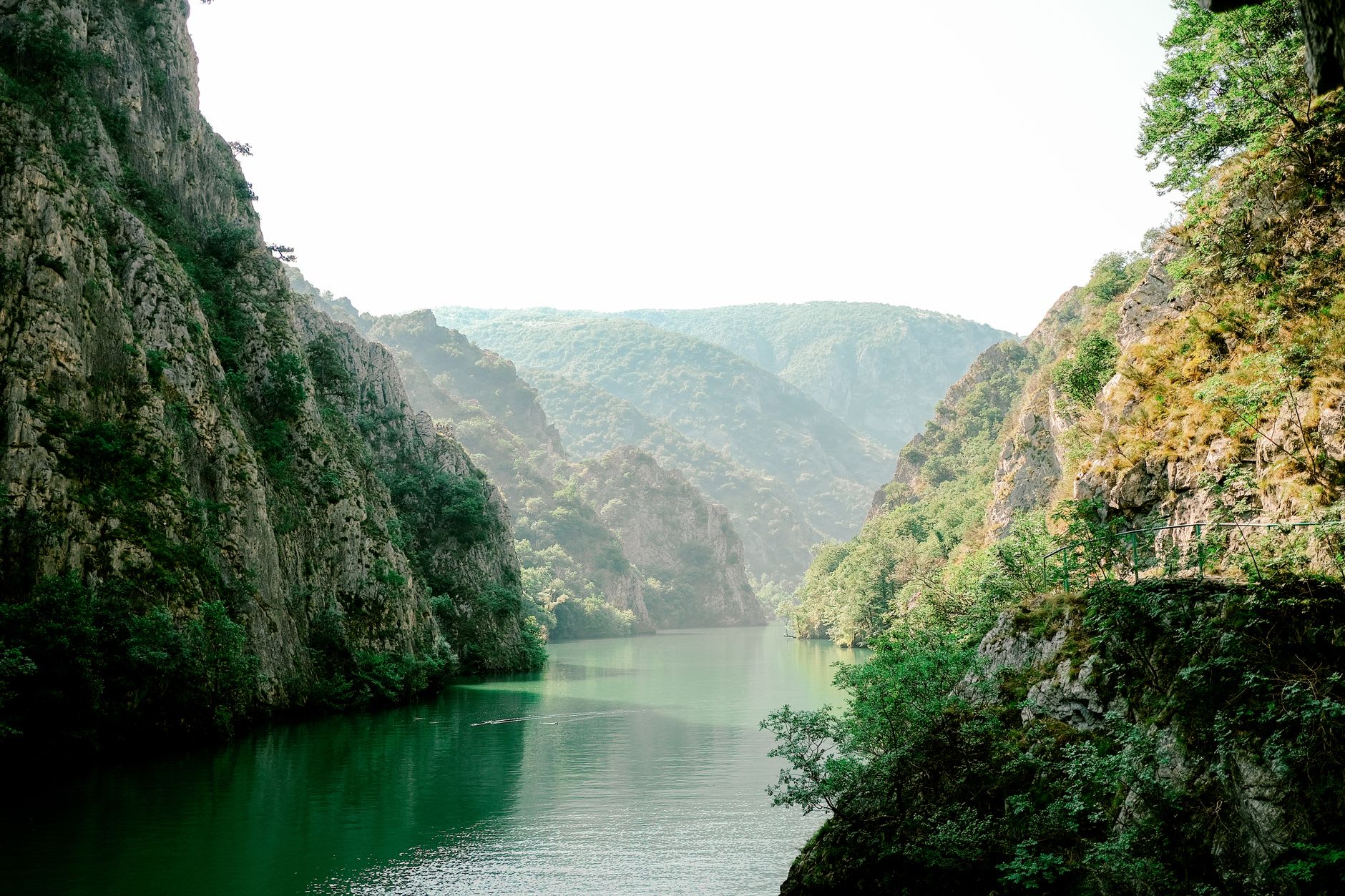
Uvac is one of the last strongholds of the griffon vulture in this part of Europe — a couple of hundred birds, with wingspans close to three metres, nesting in the cliff faces. From the viewpoint they are specks; from the water they are something else entirely. We took one of the small reserve boats that putter up the canyon from the dam, and a griffon dropped off a ledge and slid down the length of the gorge maybe forty metres above the boat, not flapping once, just riding the air with an arrogance I found completely justified. The boatman, a laconic man who clearly did this ten times a day, didn’t even look up.
The boat also takes you into the Ledena Pećina, the Ice Cave, a long limestone tunnel of stalactites that stays cold enough year-round to earn the name. After the heat on the cliff it was a shock — that mineral, dripping chill that all good caves have. I’d brought no jacket, naturally, and Lia, who had, declined to share hers on principle.
We ended the day with grilled trout and a carafe of rough local rakija in a village that didn’t appear to have a name, served by a woman who refused to let us pay full price once she heard how far we’d come. Serbia does this constantly, and it never stops being disarming.
When to go: May to September for the boat tours and the climb, though July and August can be hot enough to make the ascent genuinely punishing. Spring brings the greenest water and the most active vultures around their nests. Book the boat ahead in summer — there are not many, and word about Uvac is finally getting out.