Drvengrad
"The streets are named after Maradona and Bruce Lee. The lamb is real. Make of that what you will."
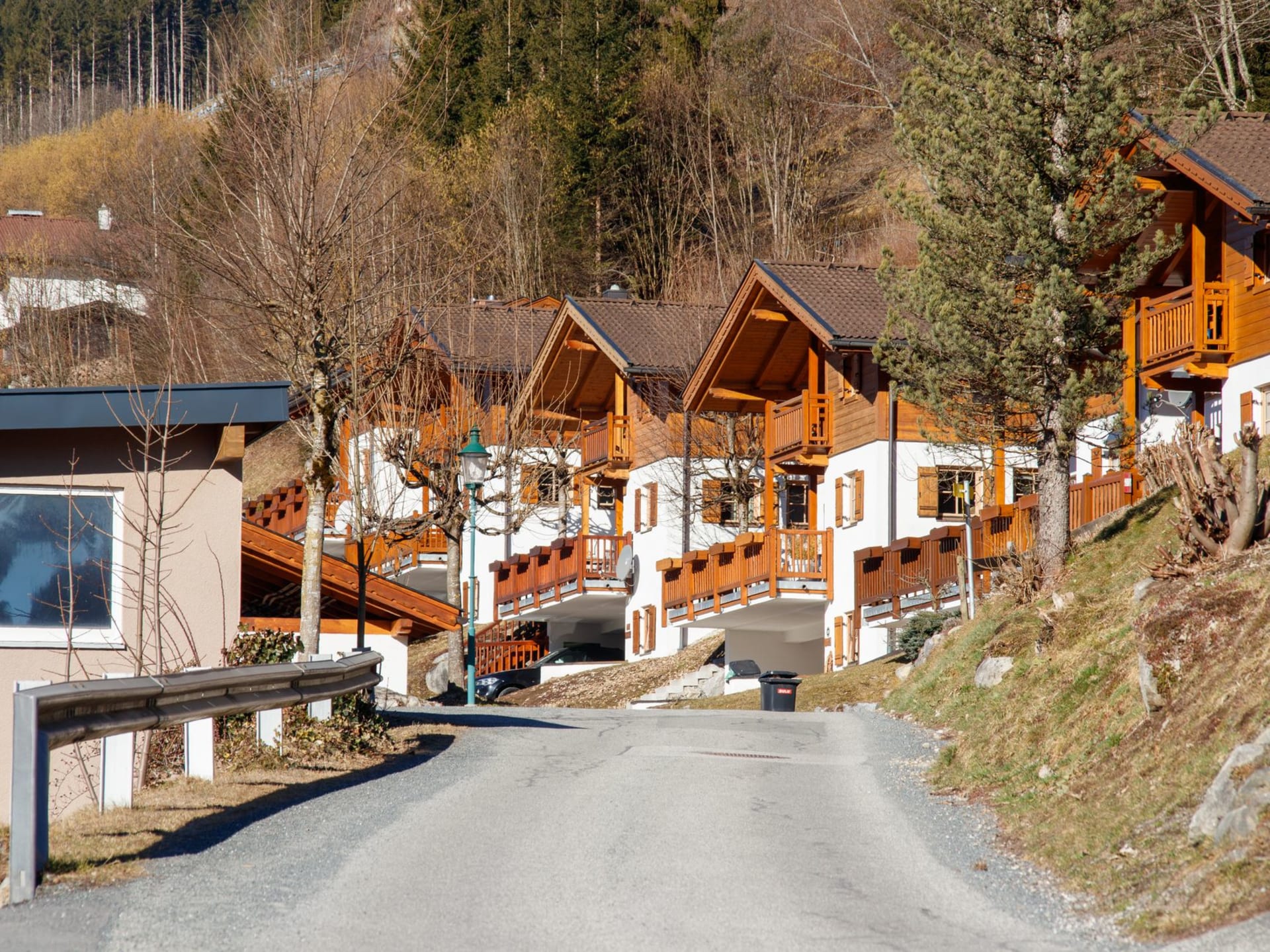
Emir Kusturica built Drvengrad on a hilltop in western Serbia for the 2004 film “Life Is a Miracle,” then decided to keep it. The wooden houses were transported from across Serbia and reassembled here on this particular ridge, and the streets were named after Kusturica’s personal pantheon: Diego Maradona, Bruce Lee, Nikola Tesla, Che Guevara, Monica Bellucci. There is a cinema, a hotel, a restaurant, a small ethnographic museum, and an Orthodox church. It functions simultaneously as a working village, a permanent film festival venue, and a monument to one director’s conviction that his taste is sufficient architectural program. Somehow all of these things coexist without collapsing into each other.
The Šargan Eight
The narrow-gauge railway that runs from Mokra Gora — the actual town a few kilometers downhill — through the surrounding mountains is called the Šargan Eight because of the figure-eight loop it traces through terrain it couldn’t otherwise climb. The locomotives are old Yugoslav-era steam engines, maintained and running. The route goes through hand-cut tunnels, over bridges, around curves where the mountain falls away and there’s nothing between you and the valley below but air and optimism about Serbian railway engineering.
I took the morning departure in a wooden passenger car that smelled of coal smoke and old varnish. The trip is about ninety minutes. I found it unexpectedly moving — not just the engineering, which is genuinely impressive for its era, but the passengers: day-trippers from Belgrade, a few foreign tourists, elderly men who’d clearly done this before and were doing it again for reasons I couldn’t determine but didn’t need to.
Inside the Village
Drvengrad works best if you stay the night. During the day, tour groups arrive and the cinema square accumulates noise. By late afternoon they leave, the light softens on the wooden facades, and you have the cobbled streets mostly to yourself. The restaurant serves roasted lamb and a local cheese called kajmak — somewhere between clotted cream and fresh butter, consumed in quantities that become a problem only in retrospect. The hotel rooms occupy the wooden houses: small, well-furnished, slightly theatrical, the kind of rooms that appear in European art films because Kusturica was, in fact, making one.
Lia walked the full perimeter of the village at dusk while I sat with a glass of local plum brandy watching the forest darken on the hills below. It was the kind of evening that’s very easy to have here and very hard to replicate elsewhere.
What It Is and Isn’t
The cynical reading of Drvengrad is that it’s a vanity project dressed as vernacular heritage, and that reading isn’t wrong. The honest reading is that it’s also genuinely beautiful, built with real attention, in a landscape — the Mokra Gora hills, the forest, the particular quality of western Serbian light — that would be worth visiting without the Kusturica intervention. I’m skeptical of most constructed heritage. This one I liked more than I expected to, which I attribute partly to the kajmak and partly to the Šargan Eight, and partly to the fact that the village, whatever its origins, has accumulated enough actual life to feel like somewhere rather than something.
When to go: May–September for the full Šargan Eight railway schedule. The Küstendorf Film Festival runs in January if you want the village under snow with an international crowd. Avoid July and August weekends when accommodation books out well in advance.