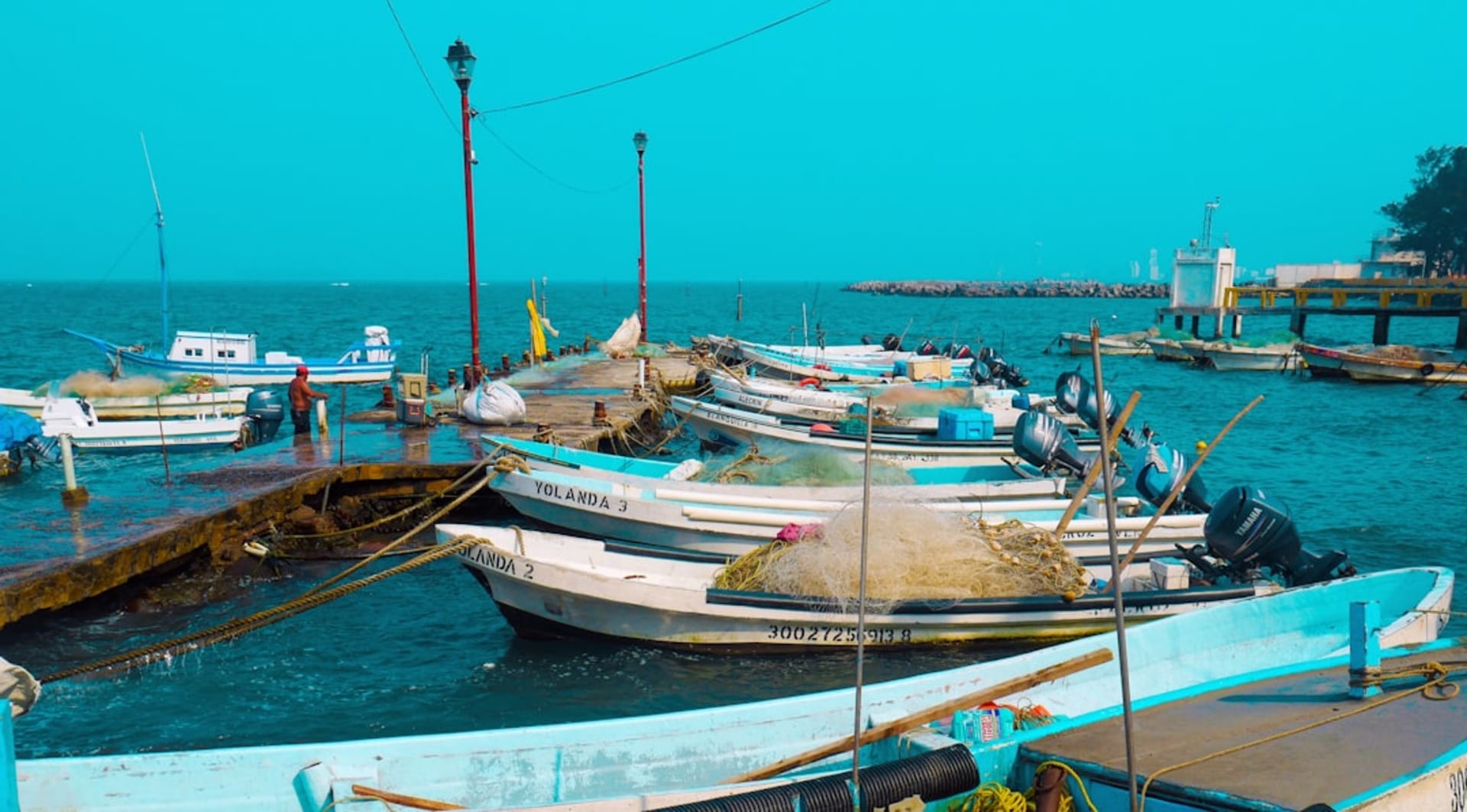
Veracruz
"The marimba starts at eleven in the morning. By noon the whole zócalo is dancing. This is Tuesday."
Veracruz is the oldest continuously inhabited European settlement in the Americas — founded by Hernán Cortés in 1519 on his way inland to dismantle the Aztec empire — and it has the particular energy of a city that has been a crossroads for five hundred years. The Gulf port received the silver from Mexico’s interior and sent it to Spain. It received enslaved Africans from West Africa and incorporated them into a culture that became something new: the jarocho tradition, with its zapateado footwork, its arpa and requinto jarocho, and its son jarocho music that is the root of what the rest of Mexico calls “Mexican music.”
I arrived in February, during Carnival, which was a mistake in the sense that the city was unnavigable and a revelation in the sense that Veracruz’s Carnival is the oldest and arguably the best in Mexico. The streets were full by nine in the morning. By ten the marimba orchestras in the zócalo portales had started their first set. The marimba does not stop in Veracruz; it is the ambient sound of the city the way traffic noise is the ambient sound of other places.
The Zócalo
The Plaza de Armas is the most sociable zócalo in Mexico by a significant margin. Every table in the portales — the colonnaded restaurants that line the north and east sides of the square — is occupied from eleven in the morning through midnight. The music is live and continuous: marimba ensembles during the day, danzonero orchestras in the evening for the couples who come to dance the danzón, the elegant ballroom dance the city adopted from Cuba in the early 20th century and made its own.
The danzón dancing at the zócalo on weekend evenings is not a tourist attraction. It is a practice that the city’s older residents have been doing for decades, in dress clothes, with a formality that reads as civic pride. I watched for an hour from a table with a glass of torito (a local milk-and-fruit liquor) and felt, correctly, that I was watching something that belonged to the people doing it.
San Juan de Ulúa
The fortress of San Juan de Ulúa sits on a coral island in the harbor, connected to the mainland by a causeway, and was the first Spanish fortification built in North America — begun in 1535 and expanded continuously for the following two centuries as the city proved difficult to adequately defend against pirates, the English, and eventually the French and Americans. The fortress served simultaneously as the entry point for enslaved people brought from West Africa (who were processed and auctioned here before being transported inland) and as a prison that eventually held Benito Juárez, Mexico’s most consequential 19th-century president.
Walking the battlements at low tide, with the harbor on one side and the Gulf on the other, is one of the better free hours available in Veracruz. The interior rooms that served as prison cells are accessible and still carry the weight of what happened in them.
The Seafood
Veracruz’s food is Gulf coast and African-inflected and unlike the kitchens of central or southern Mexico. The canonical dishes:
Huachinango a la veracruzana — red snapper braised in a sauce of tomatoes, olives, capers, and jalapeños en escabeche, the African and Mediterranean ingredients that arrived through the port creating something entirely Mexican in the synthesis. The version at Mariscos Villa Rica Mocambo on the Boca del Río waterfront, cooked in a clay cazuela, is the one by which I judge all others.
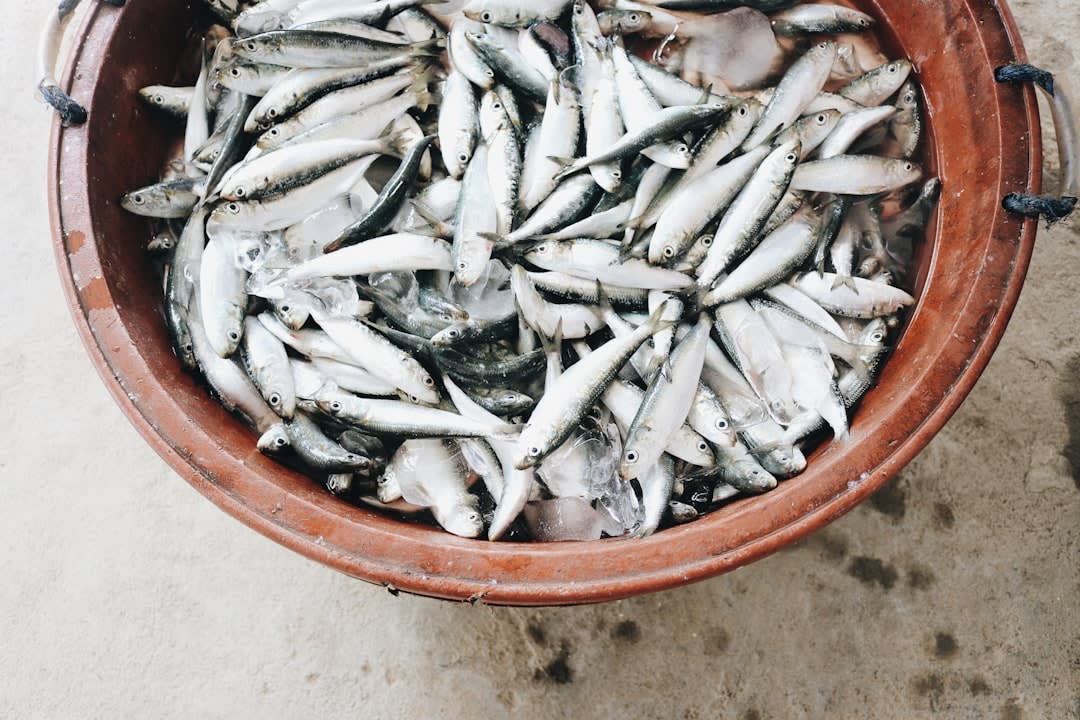
Caldo de mariscos — a clear seafood broth with whatever was in the net that morning. The fish market behind the central market sells directly to the restaurants next door; the transit time between ocean and bowl is sometimes under an hour.
Café de olla from the Coatepec sierra — the coffee-growing region above the city produces Arabica at altitude that has been roasted and brewed in clay pots since the colonial period. The cafés in the historic center serve it properly: strong, slightly sweetened with piloncillo, in a clay cup.
The Afro-Mexican Culture
The jarocho culture of the Veracruz lowlands — the music, the dance, the food, the festivals — is Mexico’s most visible Afro-descendant tradition, rooted in the communities of enslaved West Africans and their descendants who were brought through the port and settled in the tierra caliente between the coast and the sierra. The Fandango Jarocho — an improvised all-night musical gathering built around the son jarocho and the tarima dance platform — is the living center of this tradition, practiced in communities throughout the region.
Tlacotalpan, four hours south on the Papaloapan River, is a pastel-painted town of wooden balconies and palm-lined plazas that UNESCO listed for its jarocho cultural landscape. The Candelaria festival in early February, when the river floods with canoes carrying the Virgin’s image, is the most extraordinary event in the state. Worth the bus trip even in non-festival season.
Getting there: Direct flights from Mexico City (1h), Guadalajara, and Monterrey. ADO buses from TAPO take four to five hours. The historic center is walkable from the main bus station.
When to go: Carnival in February (book months ahead) or October-January for dry season with manageable humidity. The Gulf coast is hot and humid from April through September; the jarocho festivals are worth the heat if timed correctly.
Explore
Places in Veracruz
Catemaco
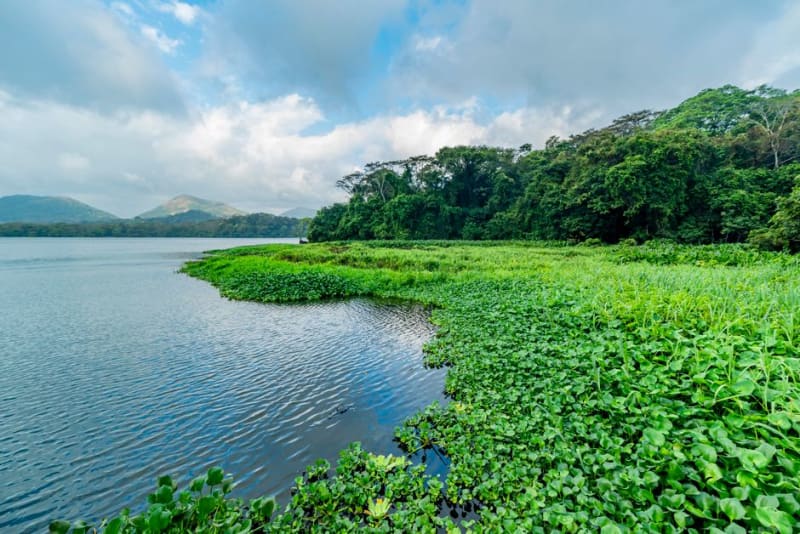
A lake town in the Veracruz rainforest where brujos have practiced healing ceremonies for centuries, spider monkeys imported by a research station have gone feral on an island in the lake, and the Los Tuxtlas biosphere holds the northernmost tropical rainforest in the Americas.
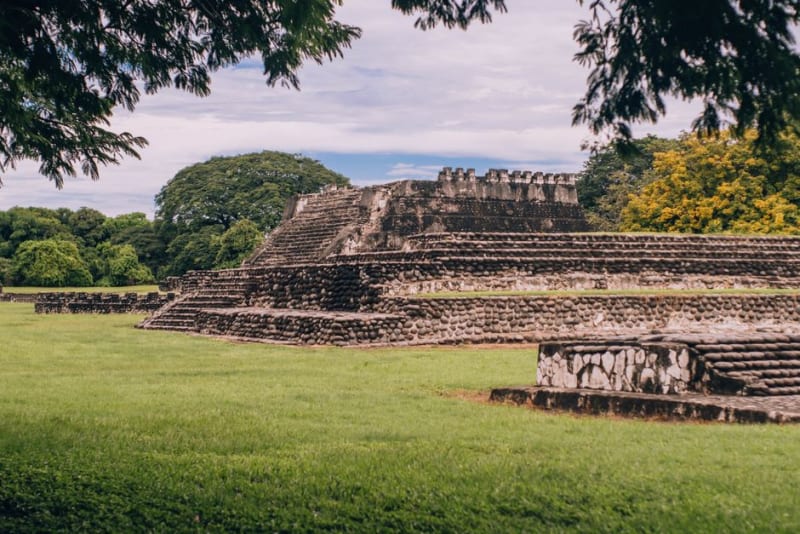
El Tajín
The Totonac capital of the Gulf coast — a pyramid with 365 niches, voladores flying from a 30-meter pole in Papantla, and vanilla orchids growing wild in the hills above the ruins.

Orizaba
A Veracruz industrial city at the foot of Mexico's highest mountain — the Pico de Orizaba volcano at 5,636 meters, the birthplace of Moctezuma beer, an art nouveau iron building imported from Belgium, and the most beautiful river walk in the Gulf coast lowlands.
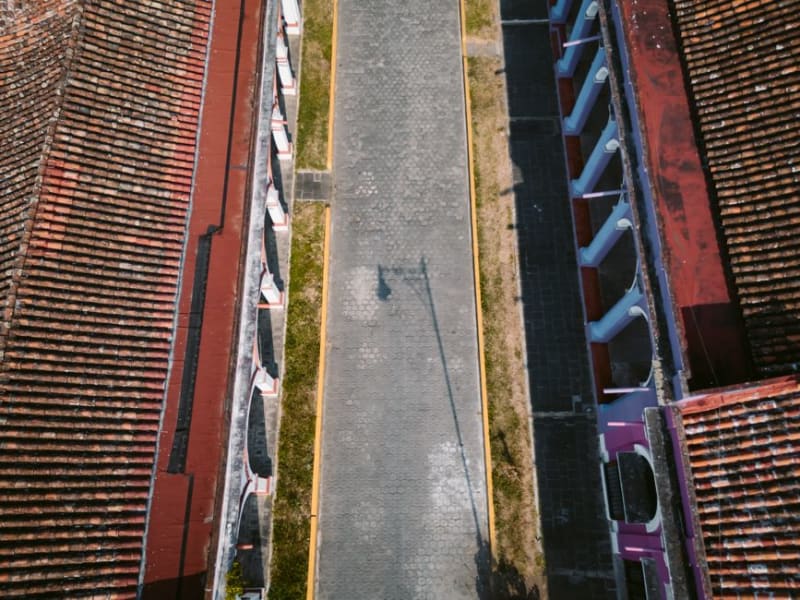
Tlacotalpan
A UNESCO-listed river town in Veracruz where pastel houses on wooden balconies line the Papaloapan River, jarocho musicians play in the plazas, and the February Candelaria festival floods the streets with boats carrying the Virgin.
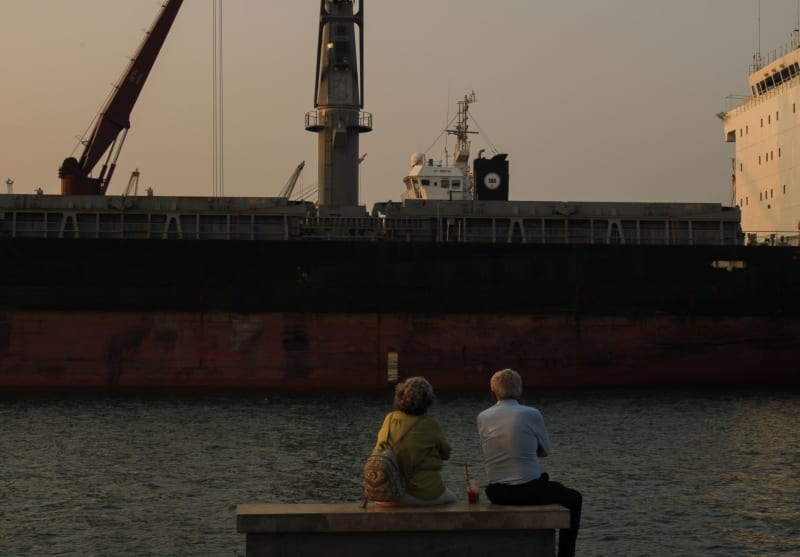
Tuxpan
A Veracruz river port where José Martí lived in exile before sailing to Cuba to launch the war of independence, the Granma — the yacht that carried Fidel Castro and 82 revolutionaries to Cuba in 1956 — departed from this river, and the beach 12 kilometers north remains largely unknown to the international circuit.
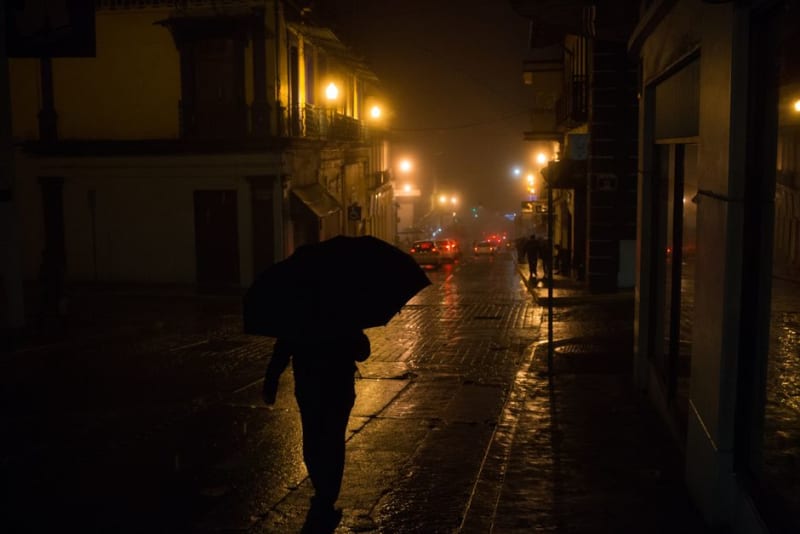
Xalapa
The cloud-forest capital of Veracruz — home to the finest Olmec collection in the world, a university city with excellent coffee and perpetual mist, and the gateway to Mexico's best vanilla and coffee country.