Tlacotalpan
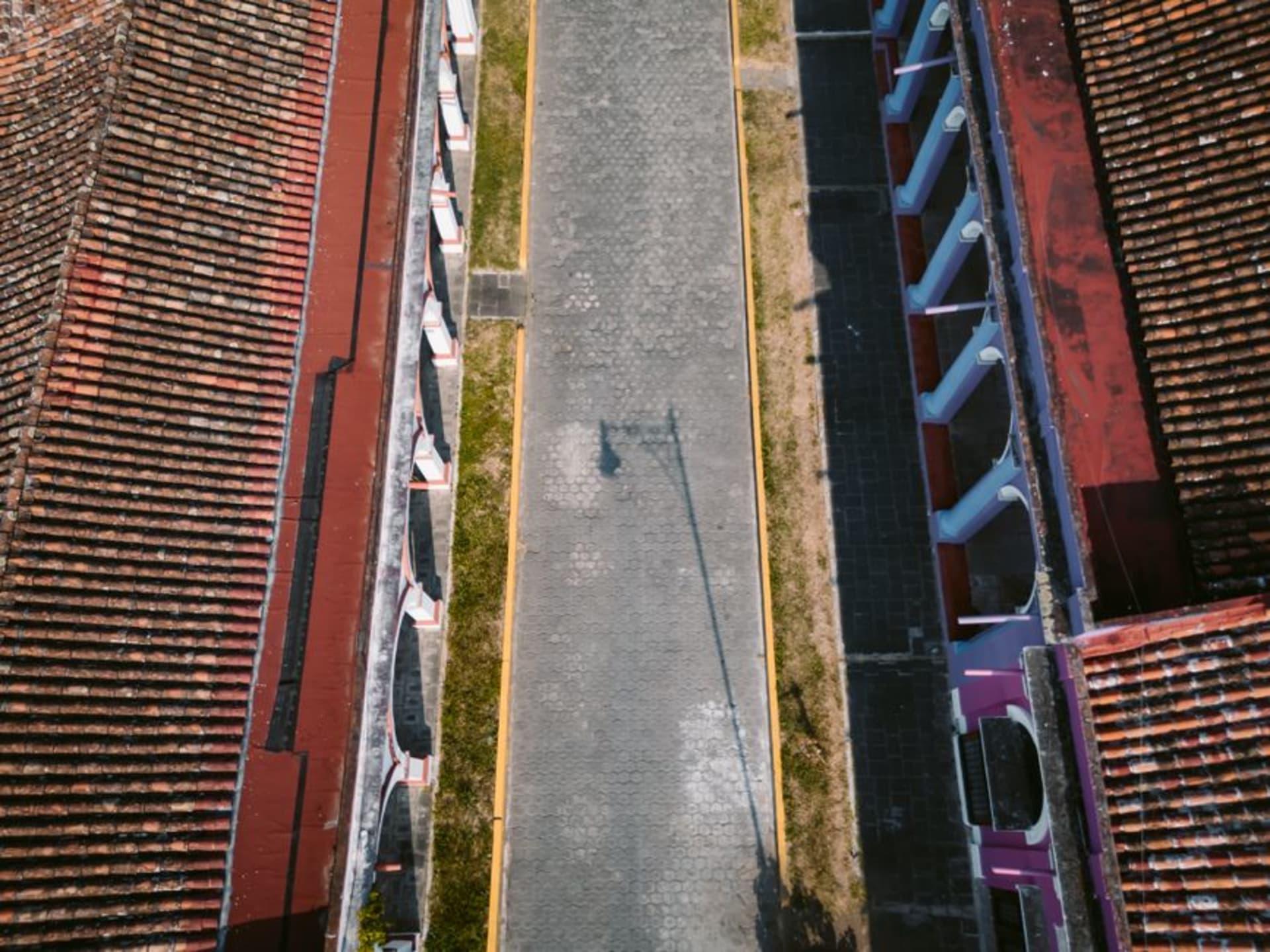
"The houses are yellow and blue and pink and green. They were built this way in the 19th century. They have been this way ever since. The river reflects all of them at once."
Tlacotalpan is the Veracruz river town that UNESCO listed in 1998 and that almost no one outside of Mexico has heard of. It sits on a bend of the Papaloapan River — “River of Butterflies” in Nahuatl — where the river is wide enough to look like a small sea, in a region that was the heartland of the Afro-Mexican jarocho culture. The town was a prosperous trading port in the 19th century, built on the cattle trade from the Veracruz lowlands and the import-export commerce that moved through the river system to the Gulf.
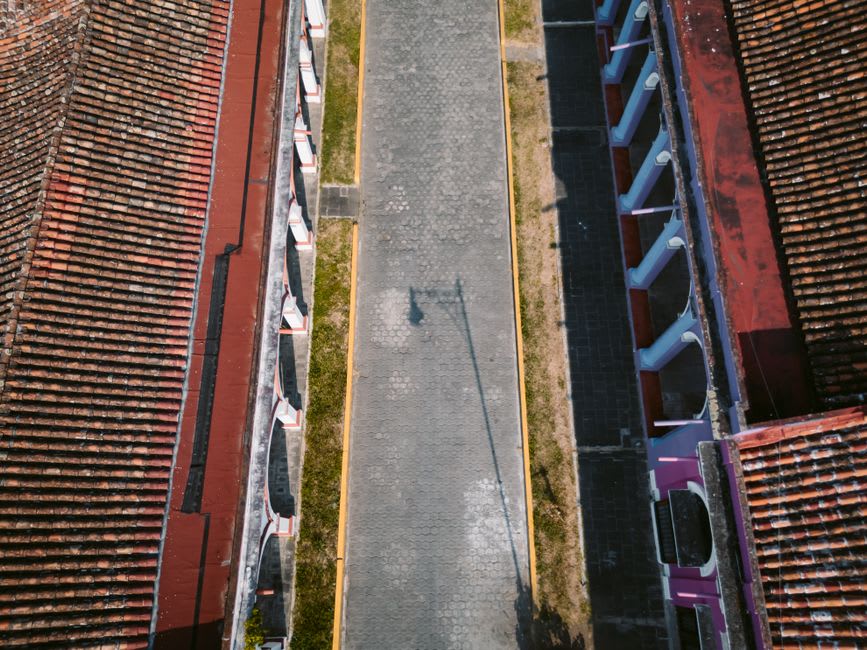
The prosperity built the town and the town’s prosperity is what the UNESCO designation protects: a continuous streetscape of colonnaded facades in the tropical Spanish colonial style, each building painted in a different pastel — lemon yellow, powder blue, terracotta, coral pink — that creates a visual coherence from variation rather than uniformity. The wooden balconies are draped with plants. The river reflects everything.
The Streets and Plazas
Tlacotalpan has two connected plazas — the Plaza Zaragoza and the Plaza Doña Marta — surrounded by the portales of the old commercial district, now converted into restaurants, the municipal library, and the regional museum. The town is small enough (around 13,000 inhabitants) that both plazas are visible from each other, and the evening social life moves between them with the natural rhythm of a town where the plaza is the living room.
The Casa de Cultura Agustín Lara celebrates the most famous person Tlacotalpan produced: the bolero composer Agustín Lara (1897-1970), who wrote “Solamente Una Vez,” “Granada,” and “María Bonita” and whose music defined the romantic Mexican popular tradition of the 20th century. The museum in his house has the expected photographs and memorabilia and also a small performance space where local musicians play on weekend afternoons.
Walking the streets away from the plazas: the residential blocks maintain the same colonnaded-facade character as the commercial center, but with the more intimate scale of family houses whose front rooms open directly onto the portal. Conversations happen through open windows. Dogs sleep in the middle of the street. The 19th century is accessible from the sidewalk.
The Jarocho Music
Tlacotalpan is the capital of son jarocho — the music of the Veracruz lowlands that fuses Spanish, indigenous, and African musical traditions into the most energetically sophisticated regional style in Mexico. The instruments: the arpa jarocha (a large diatonic harp), the requinto jarocho and jarana (small guitars in various sizes), the quijada (a donkey jawbone used as a percussion instrument), and the tarima (a wooden dance platform that the musicians and dancers strike with their feet as percussion).
The fandango — the all-night communal musical gathering that is the living social form of son jarocho — happens in Tlacotalpan at family celebrations, at the festivals, and occasionally in the plazas on Saturday evenings. Unlike the stage performances of son jarocho that appear in concert halls, the fandango is participatory: the circle of musicians is open, the dancing is on the tarima in the middle of the circle, and the songs are improvised collaboratively. If you’re in town on a weekend when one happens, the correct approach is to watch from the edge of the circle and then, when it becomes clear you’re welcome, to join.
The Candelaria Festival
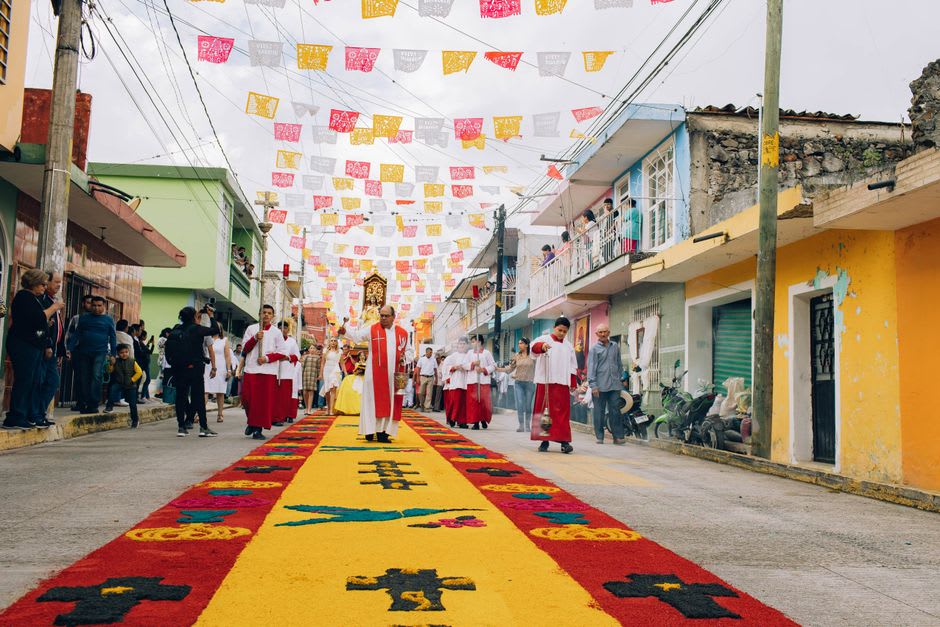
The Fiesta de la Candelaria — February 1-9, centered on February 2 (Día de la Candelaria) — is the most extraordinary event in the Veracruz annual calendar and one of the most unusual festivals in Mexico. The festival honors the Virgen de la Candelaria, whose image is housed in the parish church.
The central ceremony: a procession of decorated boats on the Papaloapan River carries the Virgin’s image from the church to the river and back, while thousands of residents and pilgrims fill the riverbank and the water itself (in boats, on inflatable tubes, on anything that floats). The combination of the river, the boats, the festival colors, the jarocho music from bands on the shore and on passing boats, and the specific light of a Veracruz February afternoon produces an effect that requires no prior knowledge of the religious context to be stunning.
Getting there: ADO buses from Veracruz city (1.5h) or from Mexico City via Veracruz. The town is also reachable from Catemaco (1h by regional bus). During Candelaria (Feb 1-9), accommodation books out months in advance.
When to go: Candelaria (February) for the festival. Any other time of year for the music and the town itself — it is never crowded and always itself. The jarocho music school (Centro de Artes y Oficios Esteban Aparicio) runs workshops during the year.