Tuxpan
"Castro's yacht left this river at night. The weather was bad. The voyage took seven days instead of five. Eighty-two men landed in Cuba. Seventeen survived the landing. They started the revolution anyway."
Tuxpan (officially Tuxpan de Rodríguez Cano) is a river port city in northern Veracruz where the Río Tuxpan meets the Gulf of Mexico, 12 kilometers upstream from the coast. The city is unremarkable in most respects — a mid-sized Gulf port with a petroleum industry presence, a central market, a river malecón, the standard colonial church. What makes Tuxpan singular in Mexican geography is its connection to the Cuban revolutionary history that passed through this river twice, 60 years apart.
José Martí — the Cuban poet, journalist, and independence leader — lived in Tuxpan in 1894-1895, the final period of his exile before returning to Cuba to launch the War of Independence. Martí organized the Cuban exile network from multiple cities, but he lived and wrote in Tuxpan for months, using the city as a staging point for the Cuban independence cause. He was killed in battle in Cuba three months after returning from Mexico. The house where he lived in Tuxpan is now a museum.
Sixty years later, the Granma — a 60-foot motor yacht purchased in Tuxpan by Ernesto Ché Guevara and the Cuban exile organization around Fidel Castro — departed from the Río Tuxpan on the night of November 25, 1956, carrying 82 armed men toward Cuba. The plan was to arrive in 5 days; a storm extended the voyage to 7. The yacht ran aground on the Cuban coast rather than landing at the planned beach; the expedition was discovered almost immediately and dispersed in combat. Of 82 men who left Tuxpan, 17 survived the first weeks in Cuba. Those 17 — including Fidel Castro, Raúl Castro, Ché Guevara, and Camilo Cienfuegos — retreated to the Sierra Maestra and began the guerrilla campaign that brought them to power in 1959.
The Museo de la Amistad México-Cuba in Tuxpan holds a replica of the Granma (the original is in Havana, enshrined in a glass pavilion) and the documentation of both Martí’s stay and the 1956 departure.
The Malecón and the River
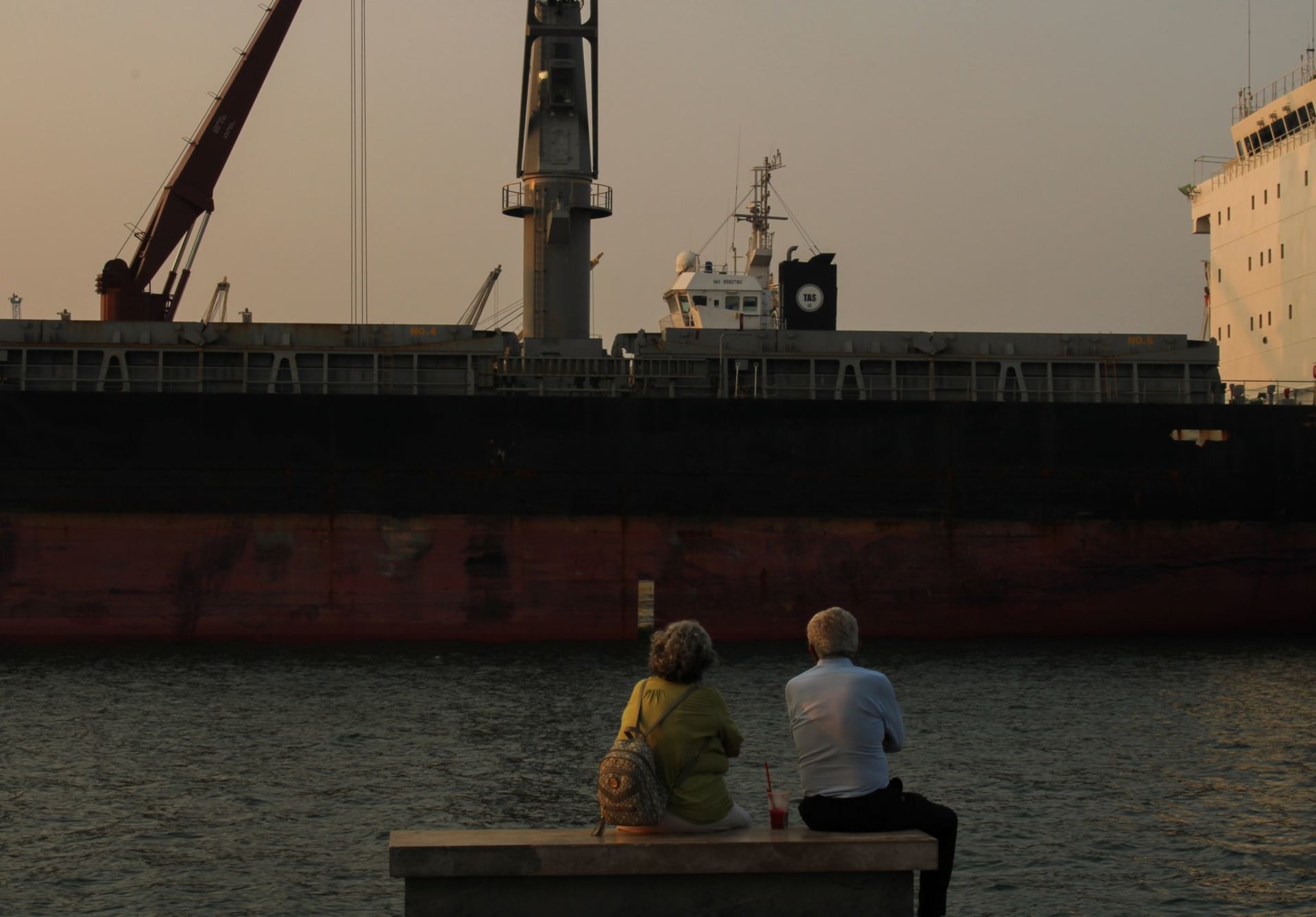
The malecón del Río Tuxpan runs along the eastern bank of the river for 2 kilometers — a palm-lined waterfront promenade with the characteristic activity of a Gulf coast river port: fishing boats mooring and departing, the river traffic from the petroleum industry upstream, the riverside restaurants serving the Gulf catch in the Veracruz preparation of huachinango a la veracruzana (red snapper with tomatoes, olives, capers, and chiles).
The river mouth is 12 kilometers downstream, navigable by water taxi or rented lancha. The Gulf of Mexico visible from the river mouth: not the Caribbean turquoise of the Yucatán but the grey-green Gulf, with the petroleum platforms visible on the horizon that explain the other significant industry of Tuxpan.
The Beach
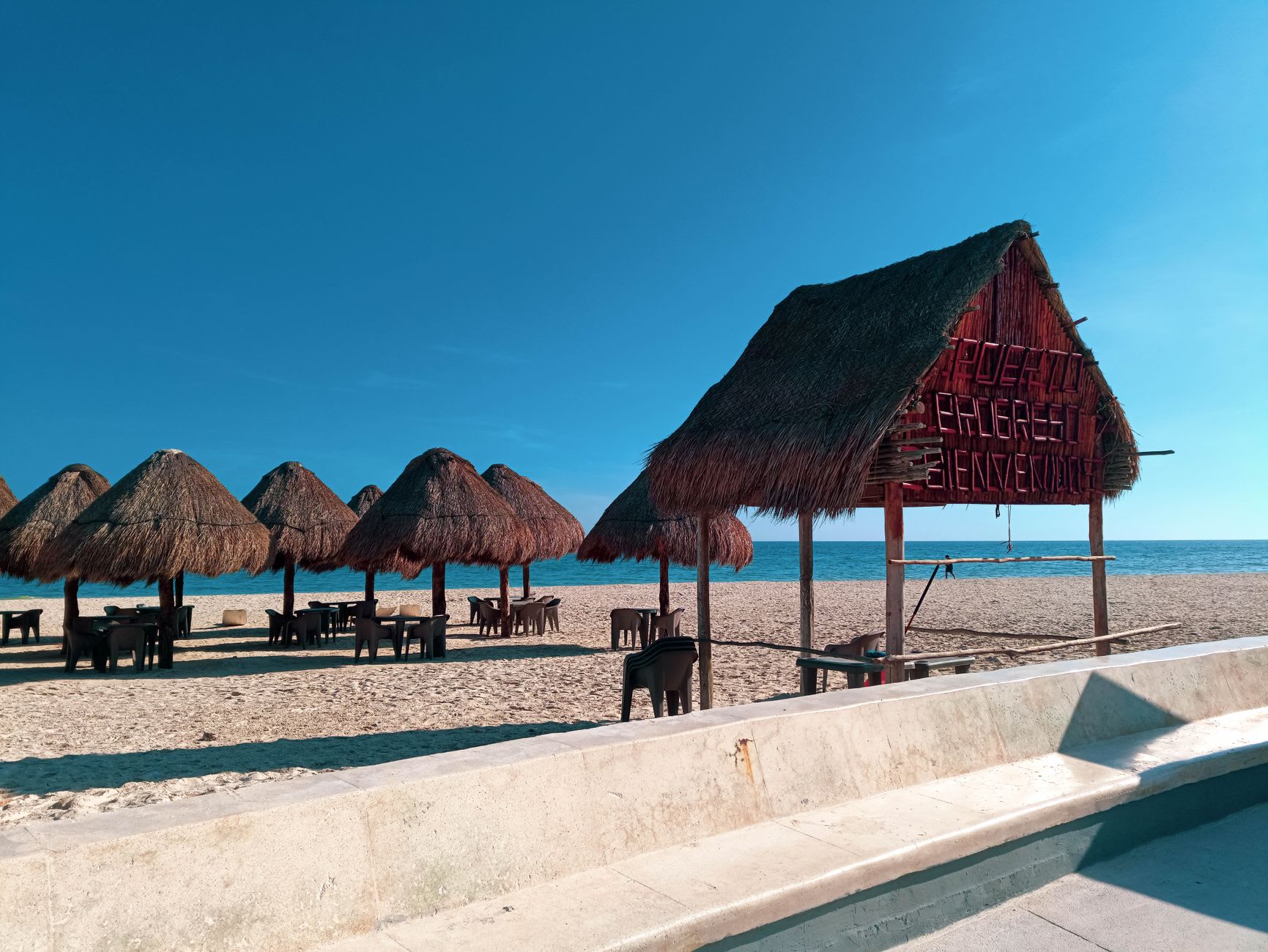
Playa de Tuxpan — accessed by a bridge 12 kilometers north of the city center — is the Gulf of Mexico beach that Tuxpan’s population uses on weekends and that the international tourist circuit does not know exists. The beach is wide, the sand dark (Gulf coast sand color), the Gulf water warm from June through October. The palapa restaurants along the beach access road serve the Gulf seafood that Tuxpan’s position at a river mouth provides in abundance.
The beach is not dramatic by Caribbean or Pacific standards. It is a genuinely local, functioning Gulf coast beach, used by families from Tuxpan and Poza Rica (45 minutes south) for Sunday lunch at the palapa and swimming in the Gulf.
The Cuban Connection Today
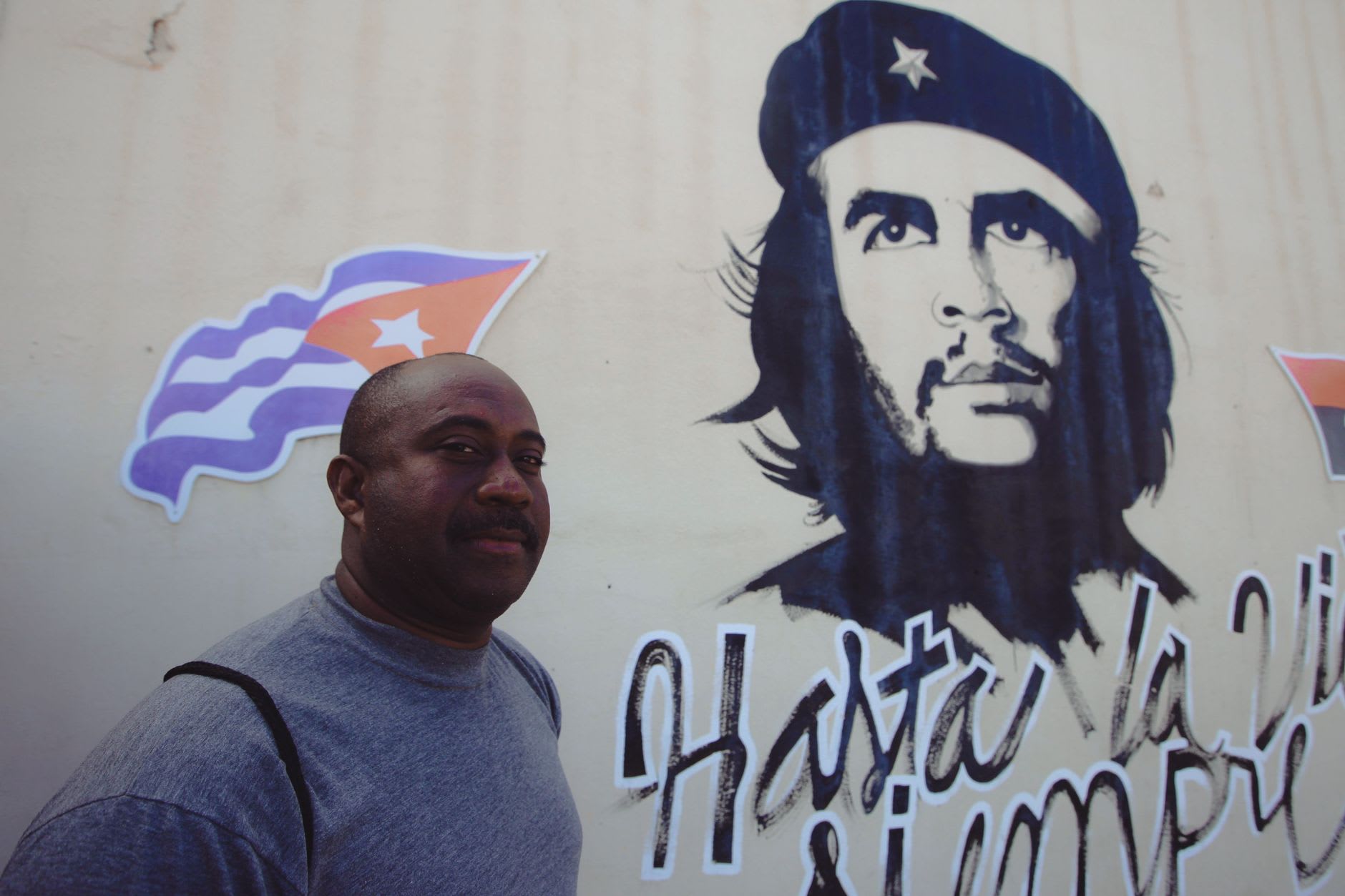
The Cuba connection in Tuxpan is alive in the specific way of a small city that was briefly part of a larger history: the museum, the street named for Martí, the Cuban restaurant that opened near the malecón and serves ropa vieja and mojitos at prices reflecting Tuxpan’s economic reality rather than Mexico City’s. The Cuban community in Tuxpan — descendants of the exile networks of the 1950s and more recent economic emigrants — maintains a presence in the social fabric of the city.
The café across from the Martí museum serves Cuban coffee, which is not Mexican coffee, and this distinction matters to the regulars who come specifically for it.
Getting there: ADO buses from Mexico City’s TAPO terminal (4.5h) or from Veracruz city (4h north). The city is also connected by ADO to Tampico (2h north) and to Poza Rica (1h south). No airport; the nearest is Poza Rica (45min).
When to go: Year-round for the city and the museum. October through April for the beach and the most comfortable Gulf coast weather. June through September brings the Gulf heat and humidity at their most intense; the beach is popular precisely in these months with local families.