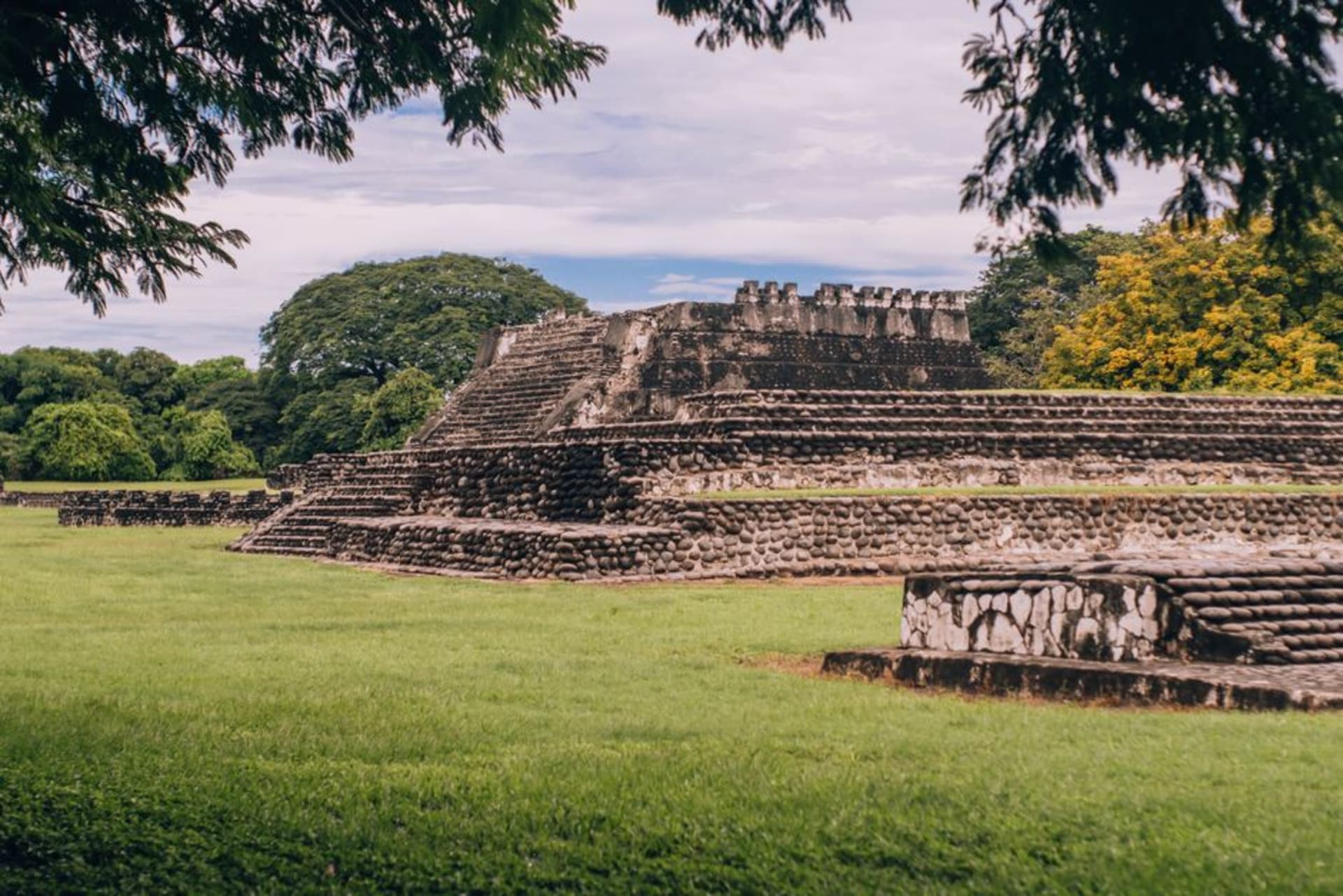
El Tajín
"The pyramid has 365 niches — one for each day. Whether this is architectural intention or later coincidence, no one knows. The building doesn't care either way."
El Tajín is the most important archaeological site in Veracruz state and one of the most significant in all of Mesoamerica — a Totonac city that was the dominant political and cultural center of the Gulf coast lowlands from approximately 800 to 1200 CE. It is also, for its size and importance, one of the least-visited major archaeological sites in Mexico, overshadowed by the Yucatán Maya sites and the central Mexican sites despite being architecturally unique and in extraordinary condition.
The site’s centerpiece — the Pyramid of the Niches — is one of the most distinctive structures in pre-Columbian architecture: a seven-tiered pyramid with 365 rectangular niches cut into the face of each tier, the deep shadows of the niches creating a visual rhythm of light and dark that changes dramatically through the course of a day. Whether the number 365 is an intentional solar calendar reference or a post-hoc rationalization of the count is still debated; the effect of the building, regardless, is immediate and unlike any other pyramid I’ve stood in front of.
The Ruins
El Tajín was excavated and partially restored over a fifty-year period beginning in the 1930s, with the most significant work done from the 1980s onward. The accessible section of the site contains approximately 150 structures out of an estimated 168 that have been identified — the jungle has been cleared from the central zone but the outer margins of the ancient city are still being uncovered.
The South Ball Court — one of seventeen ball courts identified at El Tajín, more than at any other Mesoamerican site — has the most elaborate carved reliefs in the site, depicting scenes from the ritual ball game including the sacrifice of the losing (or, in some interpretations, winning) captain. The ball game at El Tajín appears to have had a specifically violent ceremonial character; the relief carvings show a greater frequency of sacrificial imagery than at comparable sites.
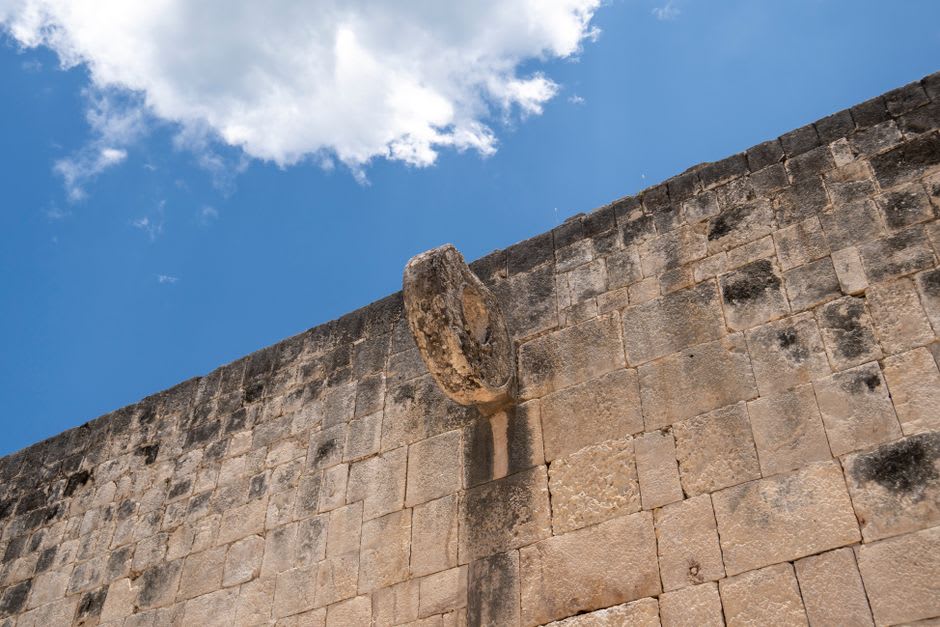
The Plaza of the Arroyo — the main ceremonial center, surrounded by four large platform-pyramids — is the heart of the site. Walking between the pyramids at the start of the morning, before the day-trip buses arrive from Papantla and Poza Rica, has the quality of stillness that the best archaeological sites provide: the scale of what was built here, the precision of the stone, and the silence of the surrounding jungle are in productive tension.
The Voladores
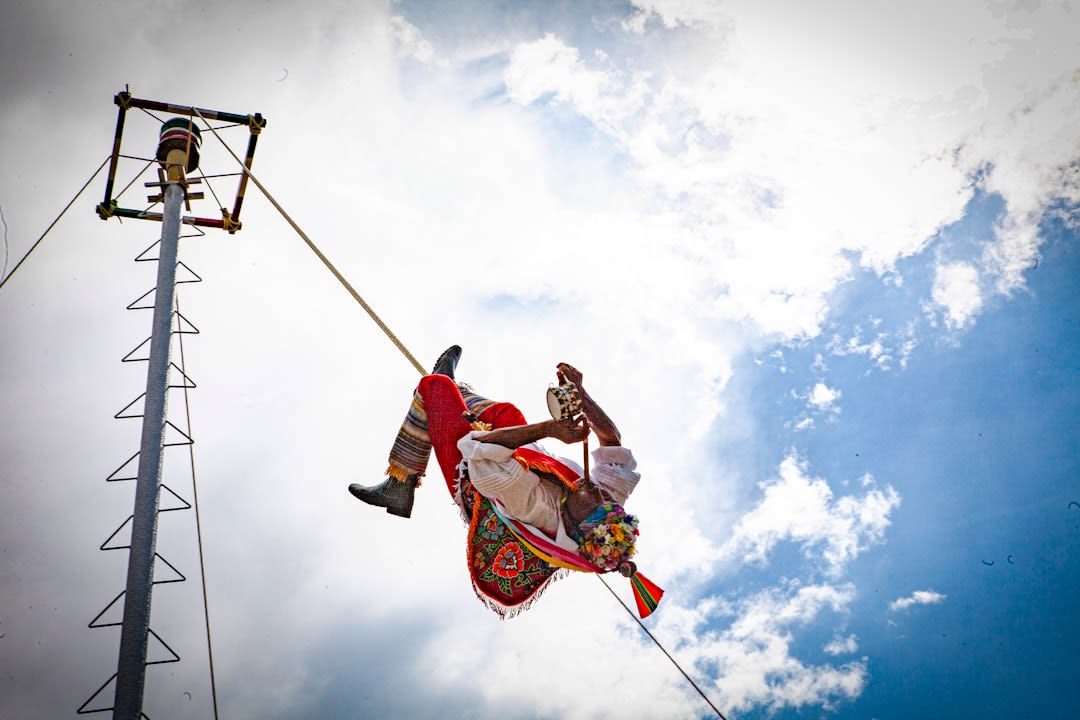
Outside the main entrance to the ruins, and also daily in the Papantla town plaza (20 minutes away), the Danza de los Voladores is performed by Totonac ceremonial specialists who have maintained the ritual continuously for centuries. UNESCO listed it as Intangible Cultural Heritage in 2009.
The ceremony involves five men climbing a 30-meter wooden pole. Four of the five wind their ropes around the pole’s top and fall backward from a small rotating platform, descending in widening circles as the ropes unwind — making exactly 13 rotations each, for a total of 52 (the number of years in the Mesoamerican calendar cycle). The fifth man remains standing on the platform, playing a flute and drum while the others descend.
Watching this at the ruins, with the Pyramid of the Niches as the backdrop, from a distance of ten meters while the voladores descend from directly above: this is one of the genuinely vertiginous travel experiences available in Mexico. The rotating descent takes ninety seconds. The ascent, on the exterior of the pole without safety equipment, takes longer.
Papantla and Vanilla
The town of Papantla is the urban center of the Totonac region and the origin point of the vanilla trade. The Totonac were the first cultivators of vanilla (Vanilla planifolia), which grows as an orchid vine in the humid tropical forests of the Sierra de Papantla; they held the monopoly on vanilla production for centuries, and the specific variety they developed — Papantla vanilla, with a higher vanillin content than the African varieties now grown globally — remains the premium standard.
Vanilla-infused products are sold throughout the Papantla market (the excellent covered market on the main square), including whole vanilla pods, vanilla extract produced in the traditional alcohol maceration method, and vanilla-flavored cajeta and candy. The market vendors can direct you to the vanilla producers in the sierra above town.
Getting there: ADO buses from Veracruz city (2.5h) or from Poza Rica (frequent). El Tajín is 12 kilometers from Papantla by taxi or combi. The ruins are open 9am-5pm; arrive at opening for pre-crowd entry and the morning voladores performance.
When to go: October through March for manageable heat. The Cumbre Tajín festival in March draws traditional music and dance performances from across Mesoamerica at the ruins site — the most atmospheric time to visit if the crowds (which are significant) don’t deter.