
Orizaba
"The mountain is visible from the ships in the Gulf of Mexico. The Spanish called it the Citlaltépetl — the Star Mountain. The altitude record at the summit is 5,636 meters."
Orizaba is the industrial city of central Veracruz that most travelers see from the highway window and mistake for somewhere less interesting than it is. The Cervecería Cuauhtémoc Moctezuma — the brewery founded here in 1894 and still one of the largest in Mexico, producing Tecate, Dos Equis, Sol, and Carta Blanca for the national and export markets — gives the city its most immediate identity. The volcano above it gives the city its more permanent one.
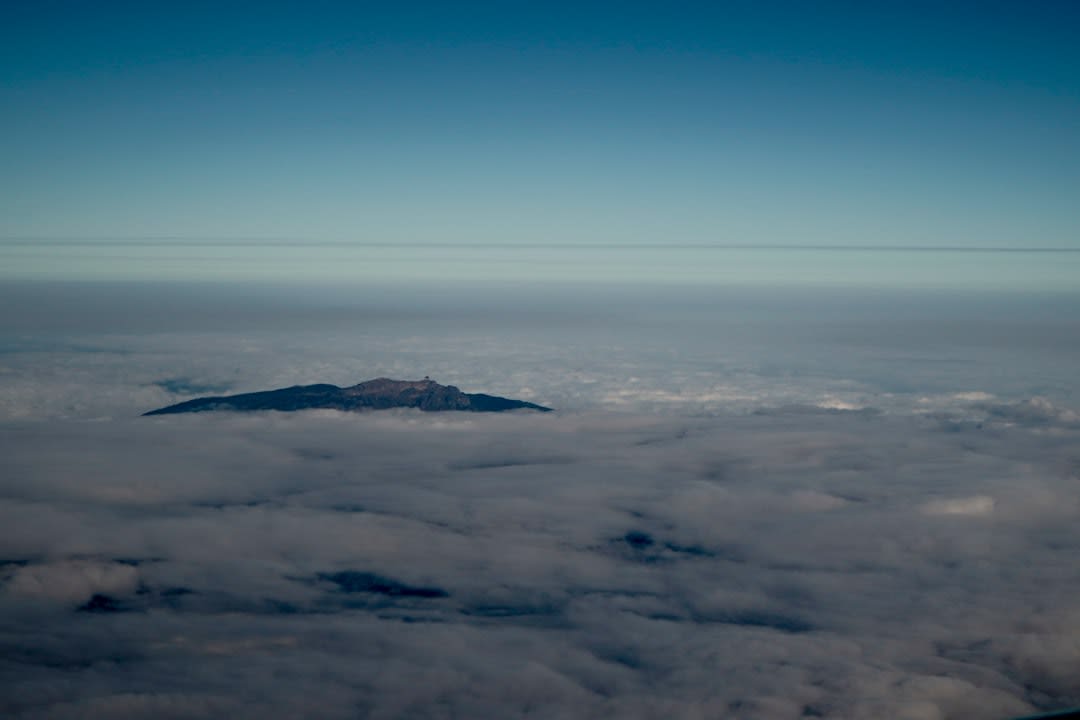
Pico de Orizaba (Citlaltépetl, “Star Mountain”) is at 5,636 meters the highest mountain in Mexico, the third highest in North America after Denali and Logan, and one of the significant high-altitude mountaineering objectives on the continent. The summit requires technical glaciated terrain; the acclimatization base is Orizaba city itself, at 1,230 meters, where the mountaineering expeditions organize their equipment and their guides before the drive to the high camp.
The Palacio Municipal
The most visually remarkable object in Orizaba is the Palacio Municipal — the city hall, which is not a colonial building but a Belgian Art Nouveau iron pavilion that was built in Brussels for the Paris Exposition of 1889, purchased by the Mexican government after the exposition, disassembled, shipped across the Atlantic to Veracruz port, transported by rail to Orizaba, and reassembled on the main plaza in 1894.
The building — painted blue and white, its iron panels cast with Art Nouveau decorative motifs, its glass and iron roof flooding the interior with diffuse northern light — sits on the main plaza next to the stone colonial church with the specific incongruity of a building that was designed for a different climate, a different city, and a different century. It is the most improbable government building in Mexico.
The decision to purchase a Belgian iron pavilion for a Veracruz city hall was made by the Porfiriato government’s preference for European modernism over local tradition — the same aesthetic that produced the Palacio de Bellas Artes in Mexico City and dozens of other imported European structures in Mexican cities during the late 19th century. In Orizaba’s case the result is less grandiose but more immediately charming.
The Río Orizaba Walkway
The Río Orizaba (also called the Río Blanco) runs through the center of the city in a channel that has been developed into one of the most pleasant urban waterway walks in Mexico — stone bridges, restored 19th-century mill buildings converted into restaurants and cultural spaces, the clean mountain water from the Pico de Orizaba glacier system running fast and clear between the banks.
The walkway runs for 2 kilometers through the city center and connects the historic center to the Cerro del Borrego — a hill park with views of the Pico de Orizaba, weather permitting, and of the Orizaba-Córdoba valley that this section of the Transversal Volcanic Belt controls. The walk has the specific pleasure of an urban waterway that has been treated as public space rather than infrastructure.
The Pico de Orizaba Climb
The standard mountaineering route on Pico de Orizaba approaches from the north, via the town of Tlachichuca (1.5 hours from Orizaba), where 4WD vehicles operate the high-clearance road to the Piedra Grande refuge at 4,260 meters. From the refuge, the summit involves a one-day climb on snow and ice requiring crampons, ice axe, and roped travel on the final sections.
The route is technically moderate by Himalayan standards and physically demanding by any standard: the altitude, the altitude gain from the refuge, and the glaciated summit terrain require expedition equipment and acclimatization. Guides in Tlachichuca and in Orizaba city organize expeditions for climbers of appropriate fitness and experience.
The non-climbing access to the mountain’s environment: the forests below the refuge, accessible by the 4WD road, are extraordinary highland pine-fir-zacatonal (grassland) ecosystems at 3,500-4,200 meters. The hummingbirds at this altitude — the White-sided Sierra Finch, the Rufous-sided Towhee, the highland sparrow species — are different from anything in the lowlands.
Getting there: ADO buses from Veracruz city (2h) or Mexico City (5h). The city is on the main Veracruz-Puebla rail and road corridor. For the mountain: contact guide services in Tlachichuca directly; most Orizaba hotels can arrange transport.
When to go: November through March for the best summit conditions on Pico de Orizaba (snow consolidated, lower avalanche risk). The city is pleasant year-round. October is coffee harvest in the sierra above Orizaba — the Arabica grown on the volcanic slopes around the city is among the best in Veracruz state.