Catemaco
"The brujos have been practicing in Catemaco since before the Spanish came. Every first Friday of March, they hold a mass cleansing ceremony. It draws journalists. It also draws people who need cleaning."
Catemaco sits on the shore of a volcanic lake in the Los Tuxtlas region of southern Veracruz — a landscape that is neither the Gulf coast lowlands nor the central highlands but something in between: the northernmost tropical rainforest in the Americas, sheltered by the Sierra de Los Tuxtlas in a pocket of humidity that maintains cloud forest conditions at 300 meters while the surrounding landscape is dry.
The town is known in Mexico for three things: the lake, the monkeys, and the brujos.
The Lake and the Monkeys
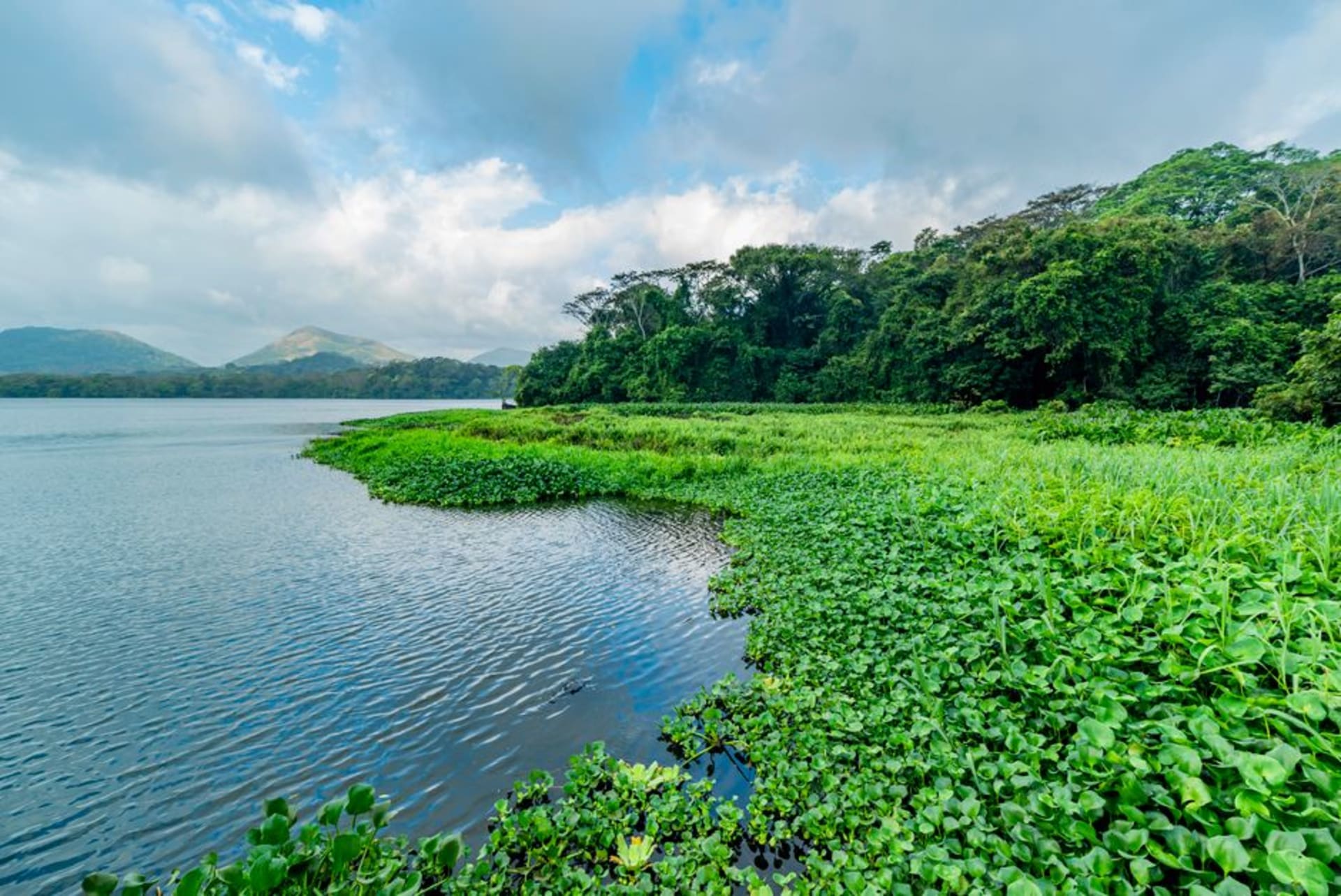
Lago Catemaco is a volcanic crater lake of 8,000 hectares, surrounded by rainforest and fed by rivers coming down from the sierra. The water is a specific green that reads as turquoise in morning light and as deep emerald in the afternoon shadows — the color of a lake whose bottom is organic rather than sandy. The lake is shallow enough to support extensive aquatic vegetation and deep enough to be navigable by the lancha tours that leave from the town muelle.
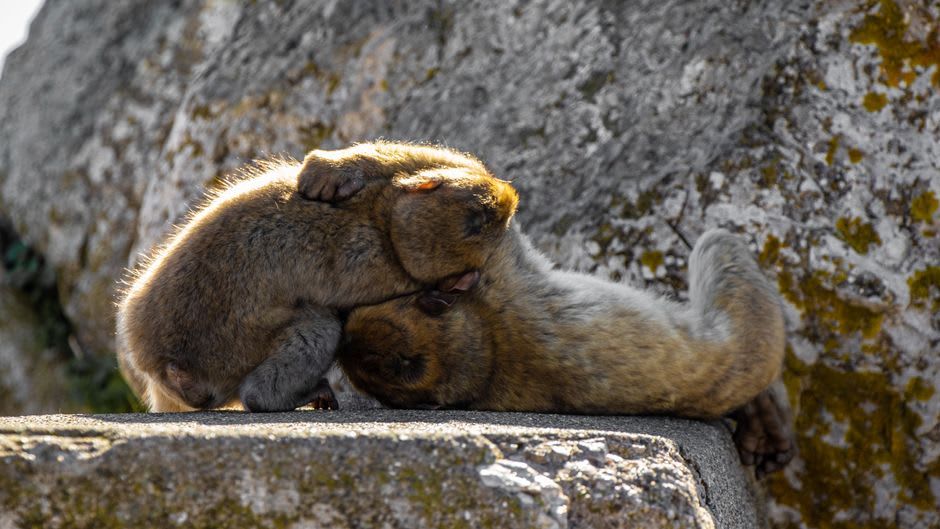
The lancha tour — the primary tourist activity in Catemaco — visits several islands in the lake, the most notable being Isla de los Changos (Monkey Island), where a colony of Macaca arctoides (Stump-tailed macaques, a species native to Southeast Asia) lives in a semi-feral state. The macaques were imported in the 1970s by researchers from the Universidad Veracruzana for a primate behavior study; the study ended, the monkeys stayed, and the colony has been self-sustaining on the island since. The macaques approach the boats for food (the guides bring bananas) and the interaction is closer and more mutually convenient than most wildlife encounters.
The lake also has a significant population of turtles (Kinosternon leucostomum, the white-lipped mud turtle), herons, and the fishing birds that work the aquatic vegetation margins. The surrounding rainforest produces a morning bird chorus of extraordinary density.
The Brujos
Catemaco’s reputation as the witchcraft capital of Mexico is real in the sense that there is a practicing community of curanderos and brujos (healers and sorcerers, though the distinction matters to the practitioners) who have operated in the region continuously since pre-Columbian times, when the Olmec and later the Nahua and Totonac traditions of ritual healing were centered in the Los Tuxtlas region.
The Primer Viernes de Marzo (First Friday of March) is the annual mass gathering of brujos in Catemaco — a ceremony in which healers from across Veracruz and beyond gather to conduct cleansings, read futures, and exchange practice. The ceremony has been ongoing for centuries; in recent decades it has acquired a media circus of journalists covering the event as spectacle. The practitioners continue regardless.
The cleansing ceremony (limpia) is available to visitors year-round at reasonable cost from the brujos who work out of the market and the surrounding streets. A limpia uses herbs (rue, basil, copal incense), eggs, and ritual invocations to remove negative energy and restore spiritual equilibrium. Whatever the visitor’s priors about this, the experience is genuine to its practitioners and the herbs smell remarkable.
Los Tuxtlas
The Reserva de la Biosfera Los Tuxtlas surrounding Catemaco contains the largest remaining fragment of tropical rainforest in the Gulf of Mexico lowlands — the northernmost tropical rainforest in the Americas, producing a biodiversity that includes howler monkeys, kinkajous, ocelots, and bird species found nowhere else in Mexico at this latitude.
The Cascada de Eyipantla — a 50-meter waterfall where the Río Sihuapan drops from the Los Tuxtlas escarpment — is 15 minutes by road from Catemaco and accessible by a staircase that descends to the base pool. The waterfall was used as a filming location for Apocalypto (2006).
Getting there: ADO buses from Veracruz city (2.5h) or from Mexico City via Veracruz. The bus station is in the town center. No airport; most visitors come by bus or car from Veracruz.
When to go: Year-round; the rainforest climate means humidity is always present but the dry season (November-April) reduces the chance of interruption. First Friday of March for the brujo gathering. The lake is swimmable and the fishing is best in the dry season.