
Real de Catorce
"The tunnel is dark enough that you cannot see the other end when you enter it, which feels appropriate for arriving somewhere like this."
Real de Catorce is a near-abandoned silver-mining town in the high desert of San Luis Potosí, reached through a mile-long one-lane tunnel carved into the mountain. The Wixáritari have made the surrounding Wirikuta desert their most sacred peyote pilgrimage ground for centuries; the town holds its own quieter devotion among the ruins of silver-boom mansions and a colonial church that still draws thousands of pilgrims each year.

I drove up from Matehuala on a Thursday afternoon, the desert flattening and then suddenly lurching upward into the Sierra Catorce. The jeep drivers at the tunnel entrance charge a small toll and wave you into the Ogarrio tunnel like it is nothing — one lane, one kilometer and a half, cut straight through the mountain in the 1890s. You turn your headlights on. The other end disappears. When you emerge on the far side, your ears pop, the altitude hits you at 2,750 meters, and Real de Catorce materializes out of the thin air: silver-grey stone, silence, the smell of dust and incense.
The Town That Refused to Completely Die
Real de Catorce peaked somewhere around 1890, when its mines were pulling enough silver to fund a small city’s worth of baroque ambition. Then the mines failed, the population collapsed from fourteen thousand to a few hundred, and the mansions were left to the wind. What remains is one of those accidental achievements: a town too remote to be properly renovated, too beautiful to be ignored entirely. The old bullring — the palenque de gallos — was converted into a kind of civic plaza where horses are still tied up outside and children cut across the empty ring on their way to school. The Templo de la Purísima Concepción anchors the main square; the ex-voto room inside is papered floor-to-ceiling with hand-painted tin tablets left by pilgrims who survived car crashes, illnesses, and other disasters they credit to the church’s celebrated figure of Saint Francis of Assisi. I spent an hour in there reading the small printed testimonies. It was the most honest gallery I have seen in years.

Wirikuta and the Desert Below
The Wixáritari — called Huichol in older Spanish accounts — walk hundreds of kilometers each year from their communities in Jalisco and Nayarit to reach Wirikuta, the sacred desert plateau that spreads out below Real de Catorce toward the east. Hikuri, peyote, grows here, and the pilgrimage is not metaphorical: it is a ceremony, a cosmological act, and it has been happening for longer than the silver town above it has existed. There are guided jeep tours into the desert from town — respectful ones will acknowledge what the land means to the Wixáritari; the less thoughtful ones treat it like a novelty. I went out alone in the early morning, walking the edge of the plateau as the sun came flat across the desert. The silence had texture.

Eating and Staying
The town has maybe a dozen places to eat. Café Azul on Lanza Gorta does a serviceable bowl of caldo de res and the best cup of coffee within the tunnel walls. There are a handful of small hotels and posadas in the old stone buildings — Mesón de la Abundancia is the most atmospheric, though the floors slope in ways that remind you which century it was built. Budget an extra night; the altitude and the light conspire to make you move slowly, which turns out to be the correct pace for this place.

Getting There
From San Luis Potosí city, drive or take a bus to Matehuala (roughly two and a half hours), then continue 25 kilometers to the village of Estación Catorce. From there, jeeps and the occasional private vehicle negotiate the Ogarrio tunnel. Jeep colectivos run regularly on weekends; midweek you may need to charter one or drive yourself. The road above Matehuala is paved but narrow.
Keep exploring
More of San Luis Potosí
Keep exploring
More from San Luis Potosí
 mexico
 Matehuala
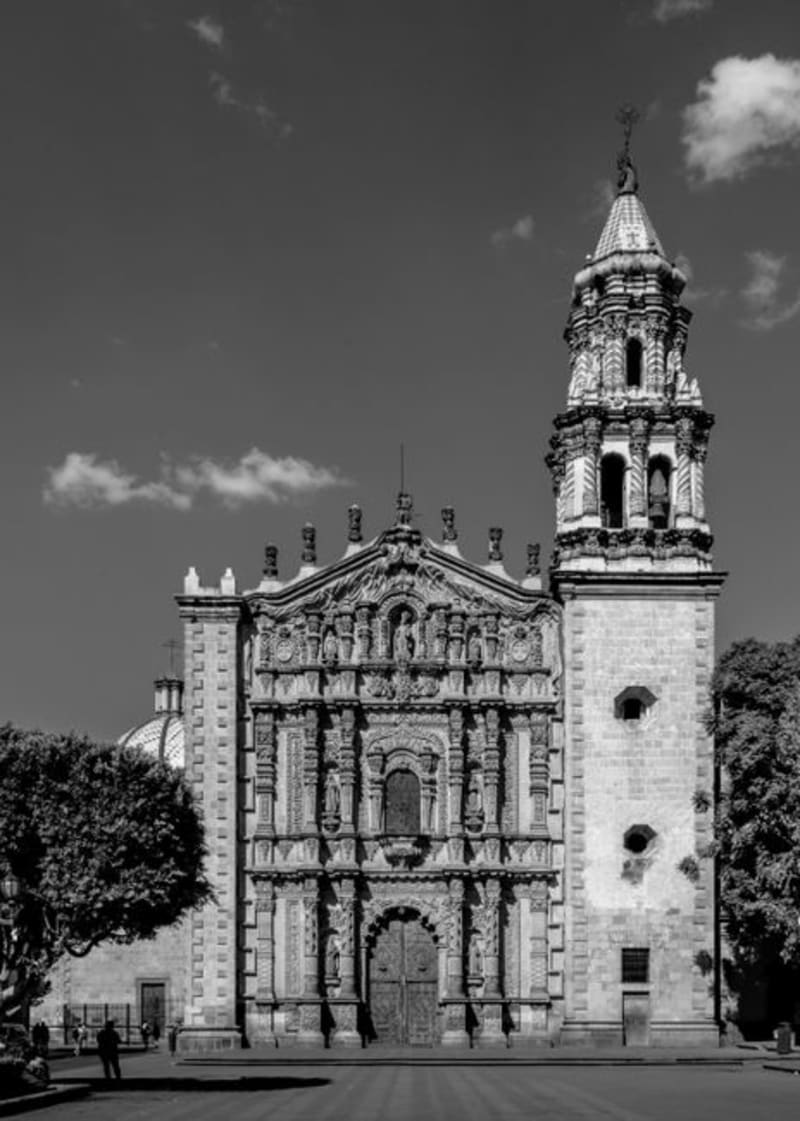
A northern San Luis Potosí junction city that most travelers cross without stopping, Matehuala earns a night for its covered mercado, its colonial centro, and its position as the logical base for Real de Catorce. The drive into the sierra at sunrise — desert floor lit gold beneath you — justifies the detour entirely on its own terms.
Explore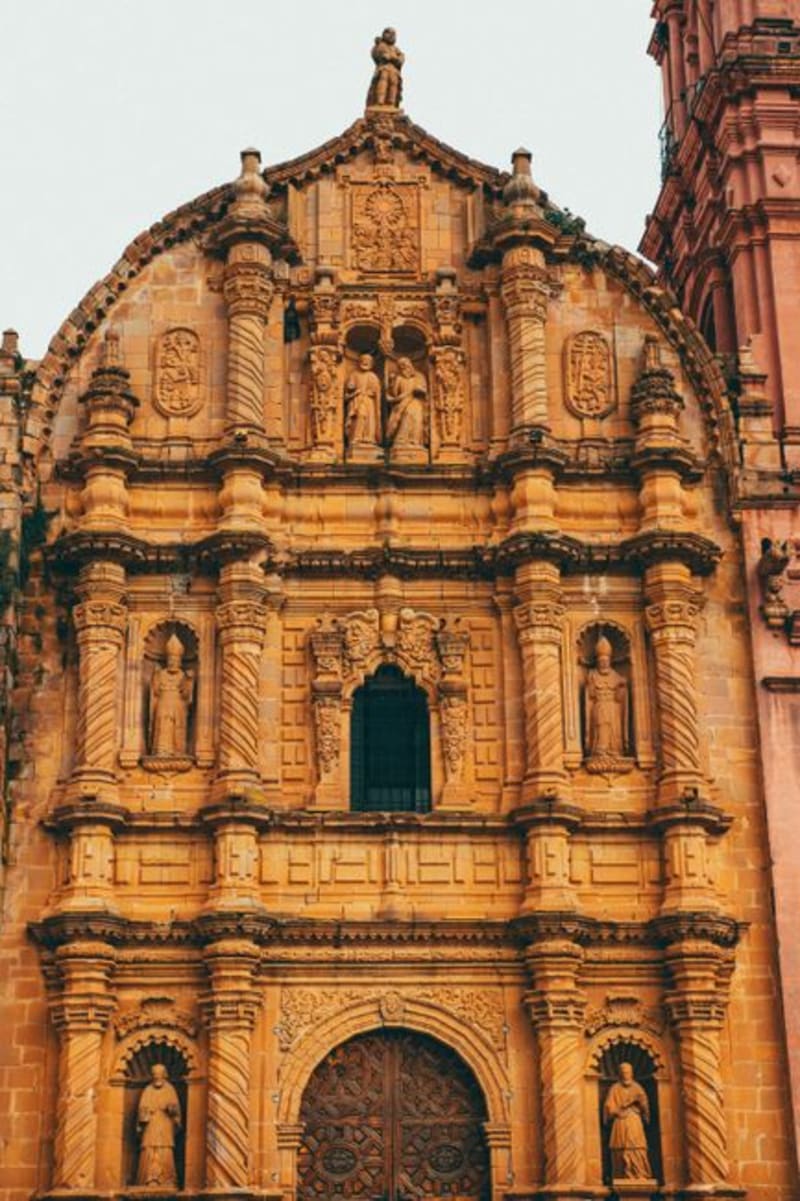 mexico
 Charcas
A colonial silver-mining town sitting quietly on the San Luis Potosí altiplano, Charcas has a baroque parish church of startling ambition and stone streets that feel genuinely untouched — not curated-untouched, just forgotten. The altitude keeps the air cool and the crowds nonexistent.
Explore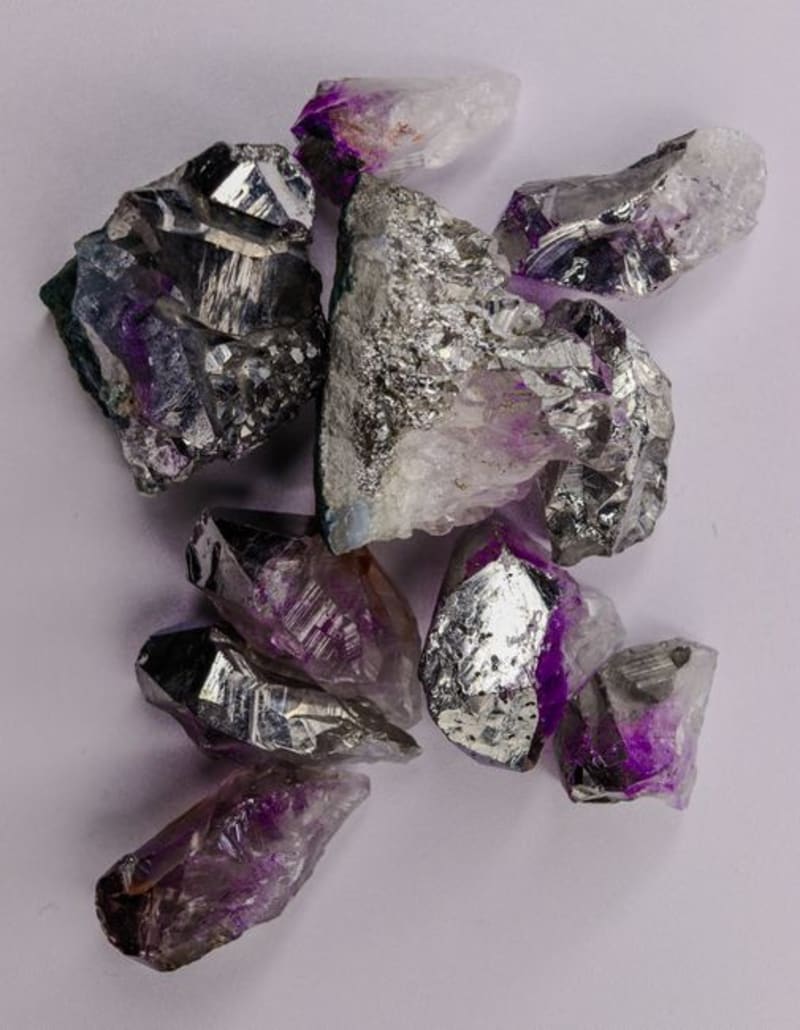 mexico
 Guadalcázar
Guadalcázar sits in the Potosino altiplano with the unhurried air of a town that made peace with being overlooked centuries ago. The ex-convent of San Miguel anchors a colonial center that sees almost no foreign visitors, despite the surrounding desert sitting atop one of Mexico's most significant amethyst deposits. In the late afternoon, when the hills go violet and the light does something specific, the geology starts to explain everything.
Explore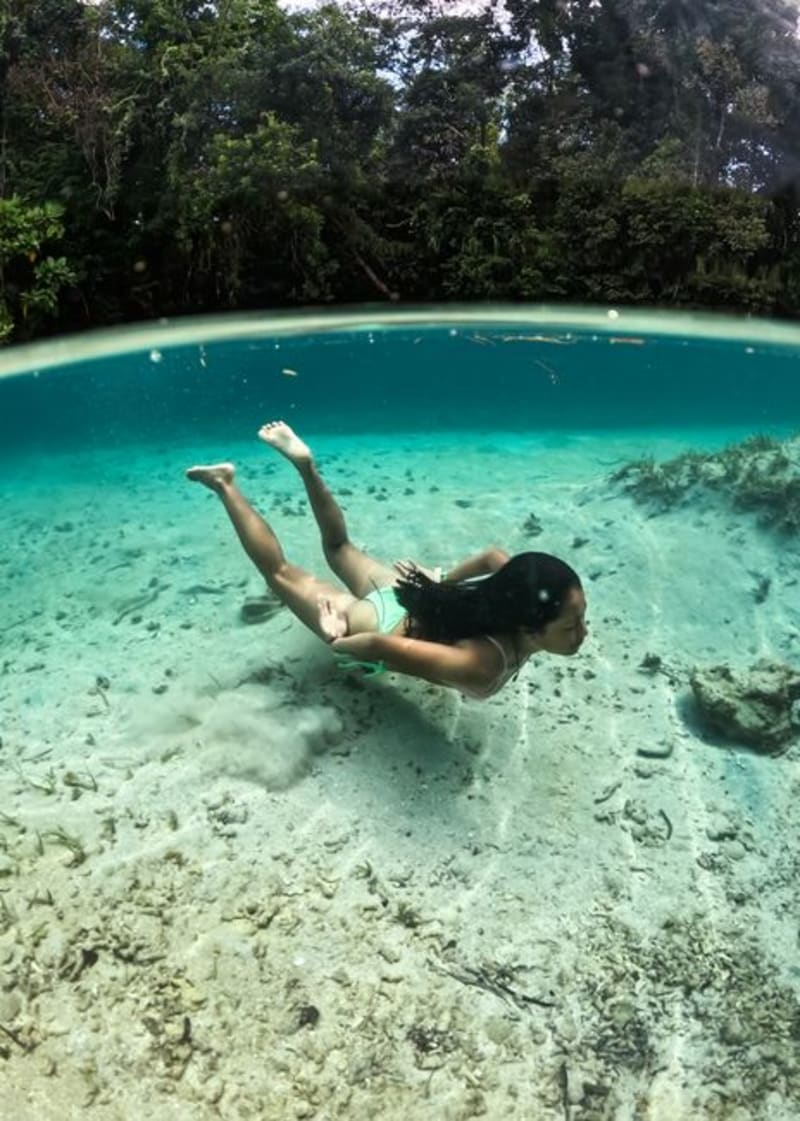 mexico
 Guadalcázar
A colonial silver-mining town in the semi-arid highlands of San Luis Potosí, Guadalcázar sits quietly beside one of Mexico's most improbable natural wonders — the Media Luna, a spring-fed lagoon of crystalline water that rises inexplicably from the desert floor. The 17th-century church faces a handsome plaza, and the whole place moves at a pace that feels borrowed from another era.
Explore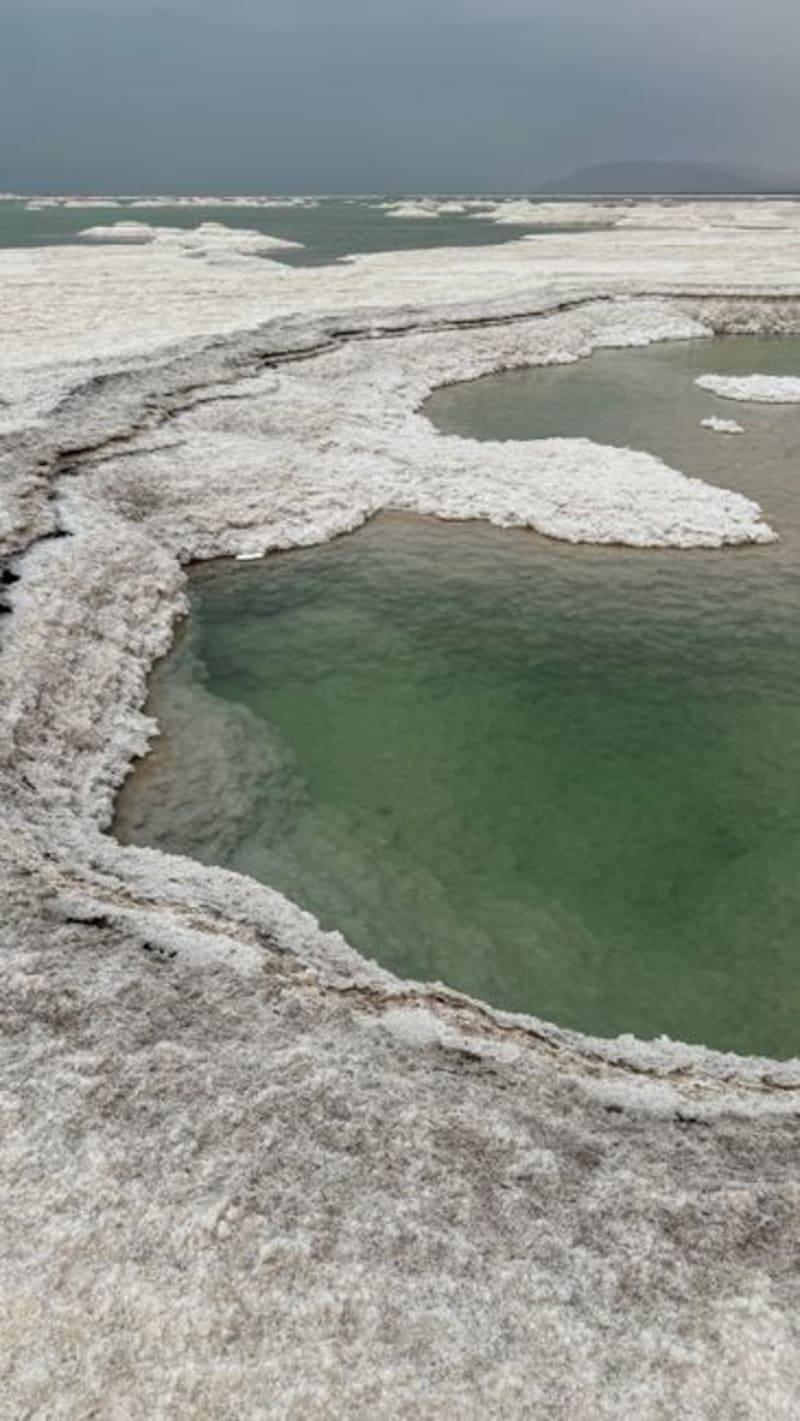 mexico
 Salinas de Hidalgo
An old salt-mining town on the high Altiplano of San Luis Potosí where evaporation pans stretch toward the horizon and blush pink at certain hours of the day. Salt has been worked here since before the Spanish arrived, and the place carries the quiet gravity of somewhere that has been useful for a very long time.
Explore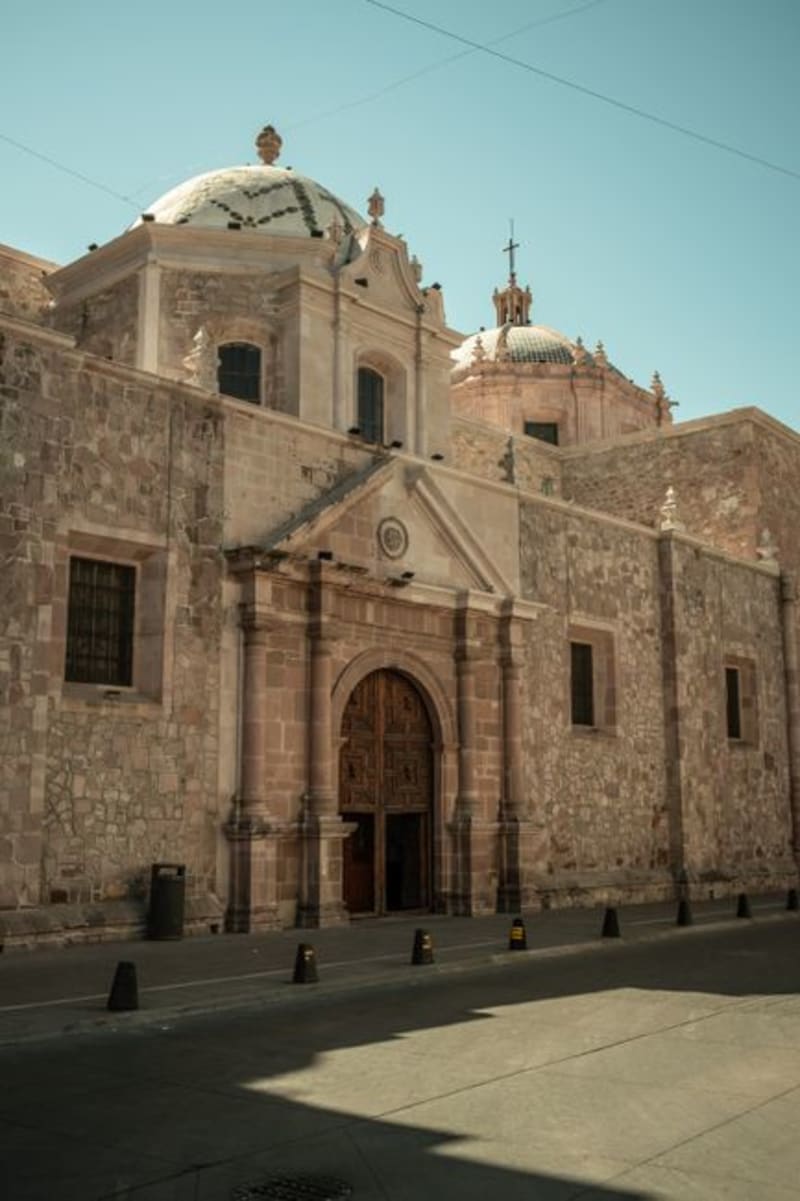 mexico
 Cerritos
A small colonial town on the San Luis Potosí altiplano whose outsized cathedral and well-kept central plaza make a compelling case for turning off the highway. Cerritos sits naturally between the state capital and the mining towns of Zacatecas — a useful geography that northbound travelers somehow overlook.
Explore