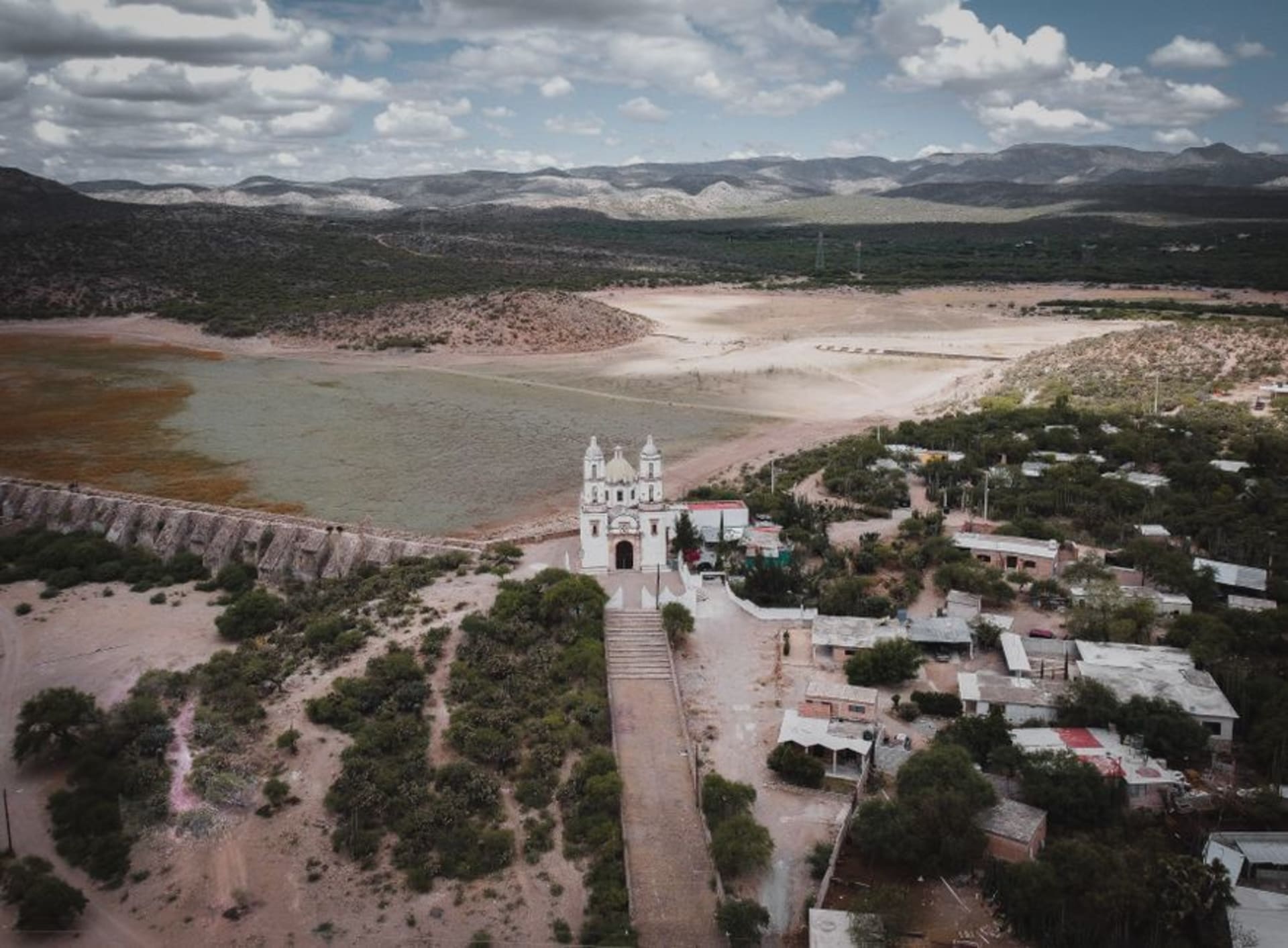
A colonial silver-mining town in the semi-arid highlands of San Luis Potosí, Guadalcázar sits quietly beside one of Mexico's most improbable natural wonders — the Media Luna, a spring-fed lagoon of crystalline water that rises inexplicably from the desert floor. The 17th-century church faces a handsome plaza, and the whole place moves at a pace that feels borrowed from another era.

I pulled into Guadalcázar on a Tuesday morning in early spring, the highway from Río Verde still chalky with dust, and nothing quite prepared me for how abruptly the town materialized — a proper baroque church tower rising above a grid of ochre walls, surrounded by nothing but thornscrub and the occasional agave. I had come for the water, which sounds like a strange reason to visit anything in a semi-arid highland, but here the water is the point. Everything else — the plaza, the tacos de guisado from the stand near the Presidencia, the particular silence of a town where silver money stopped arriving centuries ago — was a bonus I was grateful for.
The Media Luna
The thing nobody tells you about Media Luna is how the math doesn’t add up. You’re on a high desert plateau, the ground is hard and pale, carrizos lean in the wind — and then there is this oval of water, maybe four hundred meters across, so clear that the rooted aquatic plants on the bottom twelve meters down look close enough to touch. The color shifts from turquoise at the shallow edges to a deep cobalt near the thermal vents, and the fish — mojarra, catfish, the occasional largemouth bass — glide through it in that particular slow-motion way fish have when there is nothing threatening them.
I rented a mask and snorkel from the palapa near the entrance for sixty pesos. A group of certified divers from San Luis Potosí city were gearing up beside me, talking about the underwater cave system with the ease of people who had made this trip a dozen times. The visibility, one of them mentioned without looking up from his regulator, is routinely better than fifteen meters. I believed him the moment I put my face in.

The Town and Its Plaza
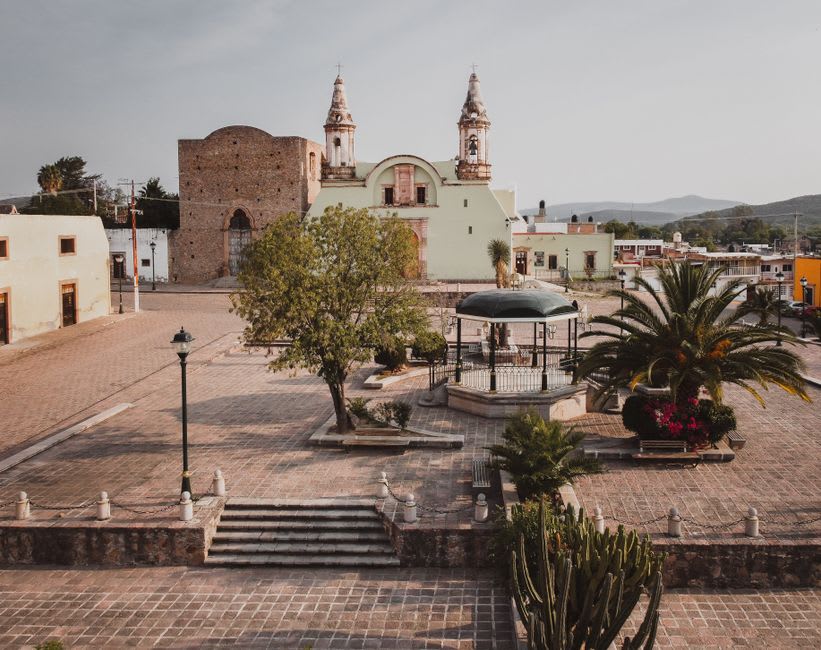
Guadalcázar proper rewards the half-hour it takes to walk slowly. The Parroquia de la Purísima Concepción faces the jardín with the quiet authority of a building that was finished in the 1690s and has seen no reason to update its position since. The stonework is that particular honey color that San Luis Potosí quarries produce, and in the late afternoon light it goes almost amber. I sat on a bench with a cup of café de olla bought from a woman who had a thermos and a folding table — no sign, no menu, twelve pesos — and watched a man teach his small daughter to ride a bicycle in slow circles around the bandstand.
The market, a few streets off the plaza, had dried chiles I didn’t recognize and a butcher selling cecina cut thin enough to read through. I bought a quarter kilo and ate it that evening with tortillas and a jar of salsa verde the market woman insisted I needed. She was right.
The Surrounding Desert
The drive in and out of Guadalcázar is itself worth something. The highway between Río Verde and the town cuts through a landscape of cardón cactus and low scrub mountains that turns gold and violet at either end of the day. I stopped twice to take photographs of nothing in particular — a dry arroyo, a hawk on a fence post — and both times felt that particular desert satisfaction of being in a place that asks nothing of you.

Getting There
Guadalcázar is roughly 80 kilometers northeast of Río Verde and about 100 kilometers southeast of the city of San Luis Potosí. Most visitors drive; there are local buses from Río Verde that run a few times daily. The Media Luna entrance fee is around 60 pesos as of 2025, snorkel rental separate. Arrive early on weekends — by midday in high season the lagoon gets crowded.
Keep exploring
More of San Luis Potosí
Keep exploring
More from San Luis Potosí
 mexico
Guadalcázar
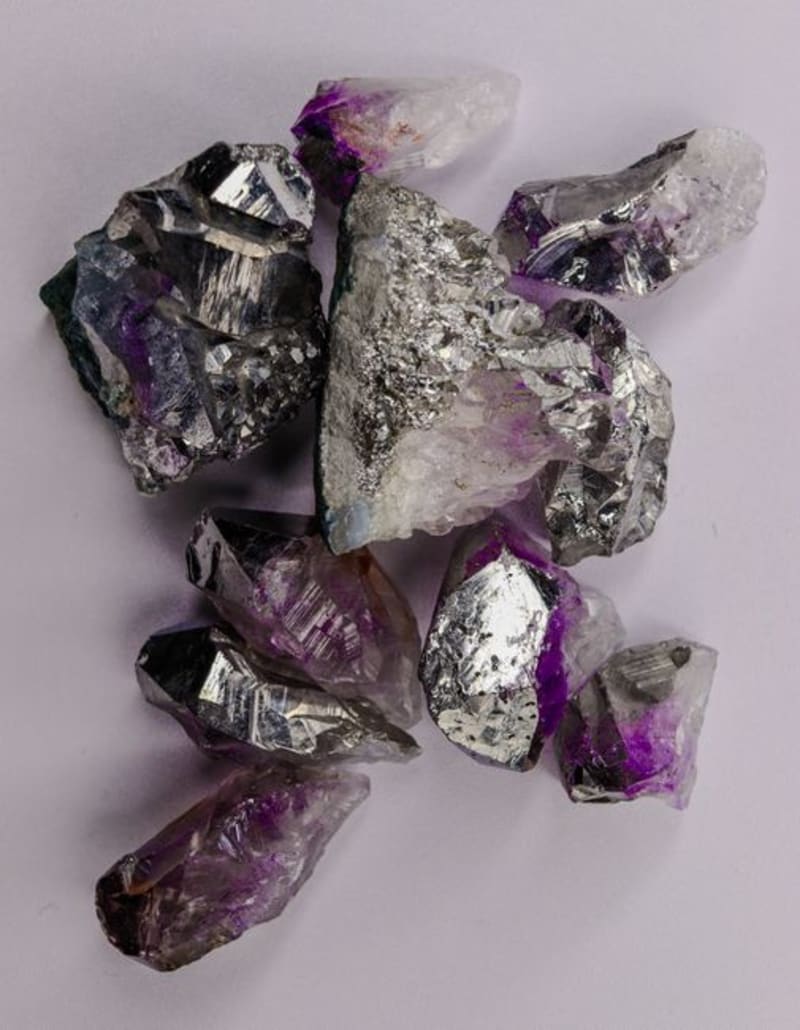
Guadalcázar sits in the Potosino altiplano with the unhurried air of a town that made peace with being overlooked centuries ago. The ex-convent of San Miguel anchors a colonial center that sees almost no foreign visitors, despite the surrounding desert sitting atop one of Mexico's most significant amethyst deposits. In the late afternoon, when the hills go violet and the light does something specific, the geology starts to explain everything.
Explore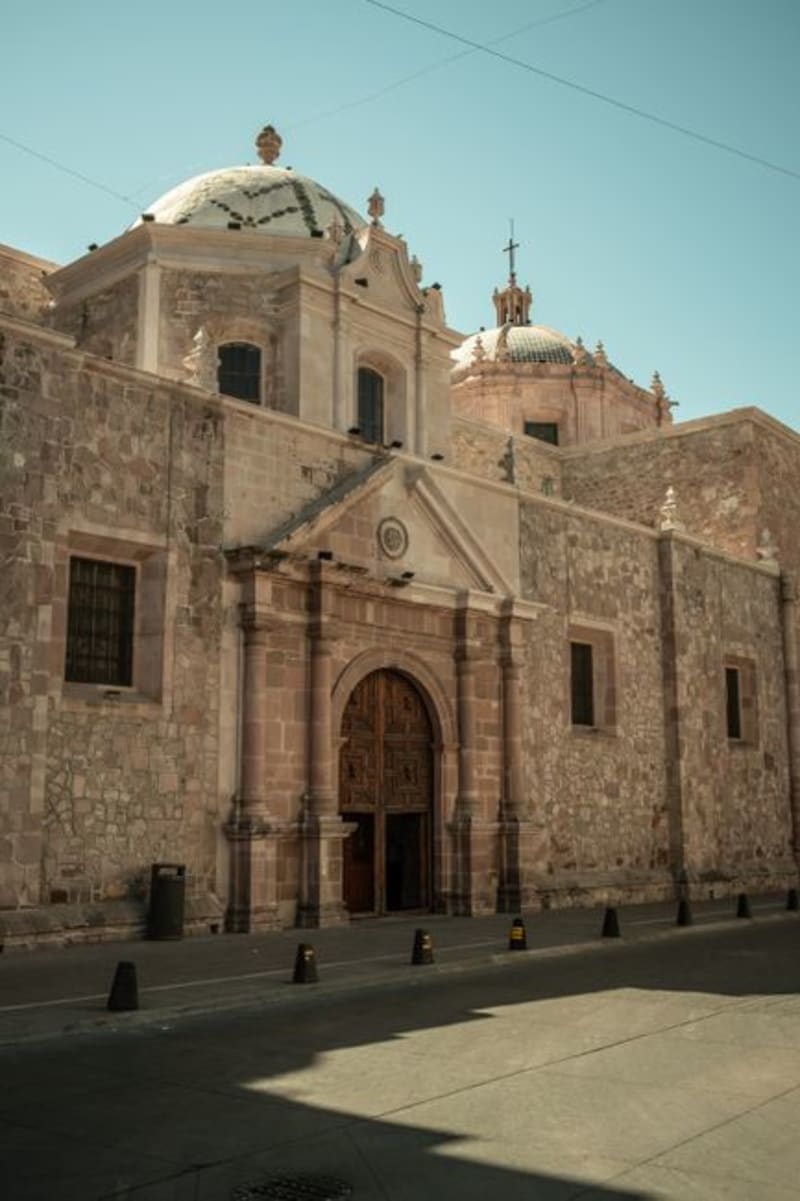 mexico
Cerritos
A small colonial town on the San Luis Potosí altiplano whose outsized cathedral and well-kept central plaza make a compelling case for turning off the highway. Cerritos sits naturally between the state capital and the mining towns of Zacatecas — a useful geography that northbound travelers somehow overlook.
Explore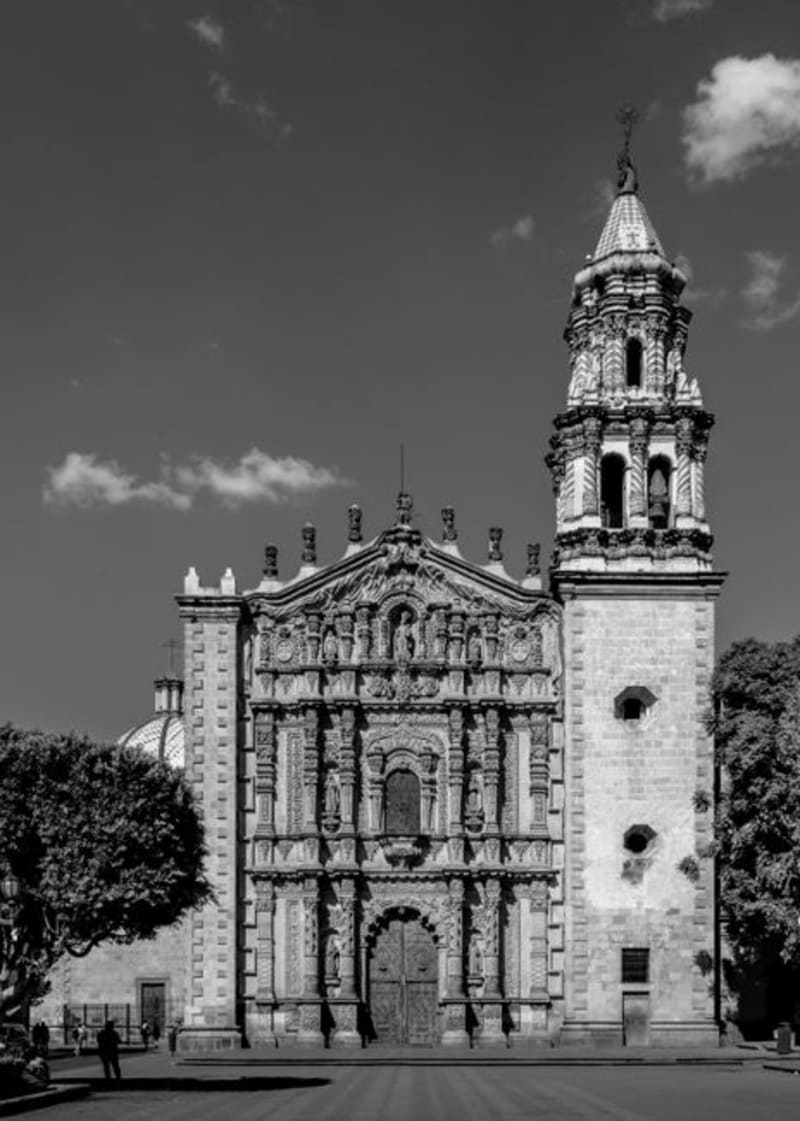 mexico
Matehuala
A northern San Luis Potosí junction city that most travelers cross without stopping, Matehuala earns a night for its covered mercado, its colonial centro, and its position as the logical base for Real de Catorce. The drive into the sierra at sunrise — desert floor lit gold beneath you — justifies the detour entirely on its own terms.
Explore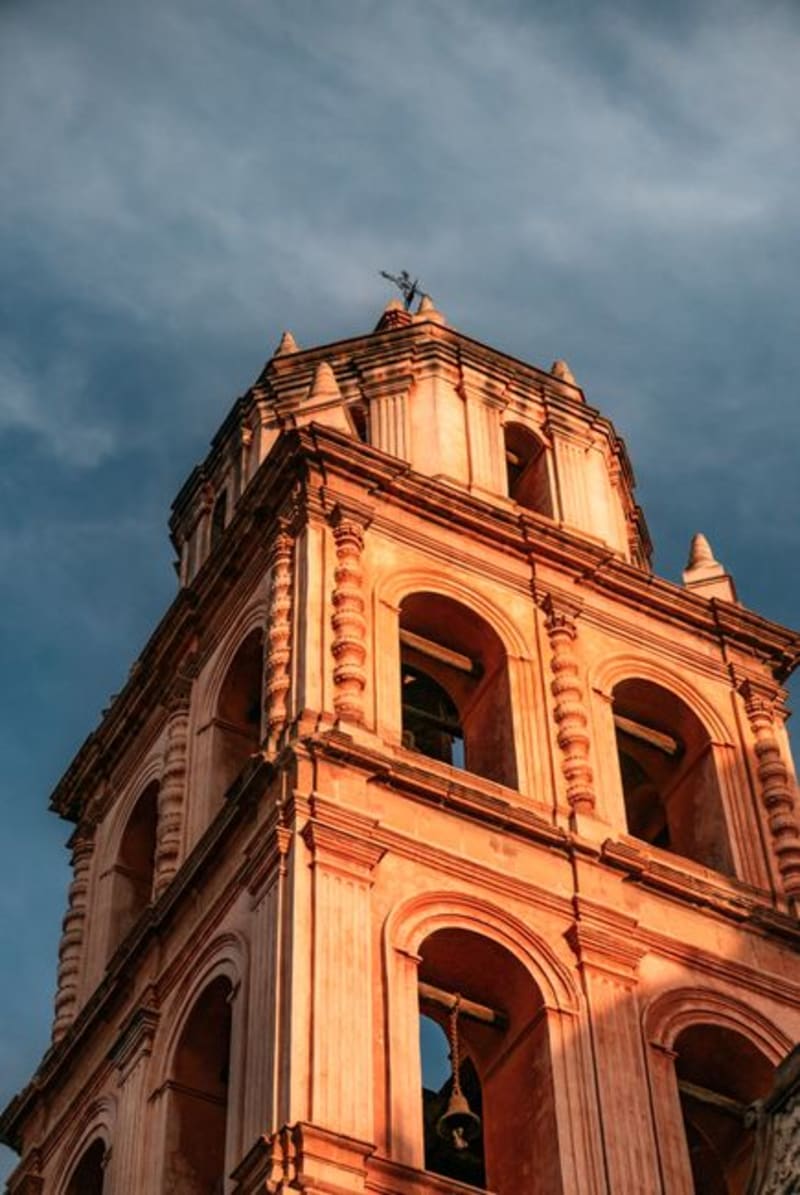 mexico
Armadillo de los Infante
A Pueblo Mágico perched in the hills southeast of San Luis Potosí city, where a 17th-century parish church lords over a plaza that has not learned to hurry. The name alone is enough to pull you off the highway — what you find when you arrive is that the town has somehow avoided becoming a version of itself for visitors.
Explore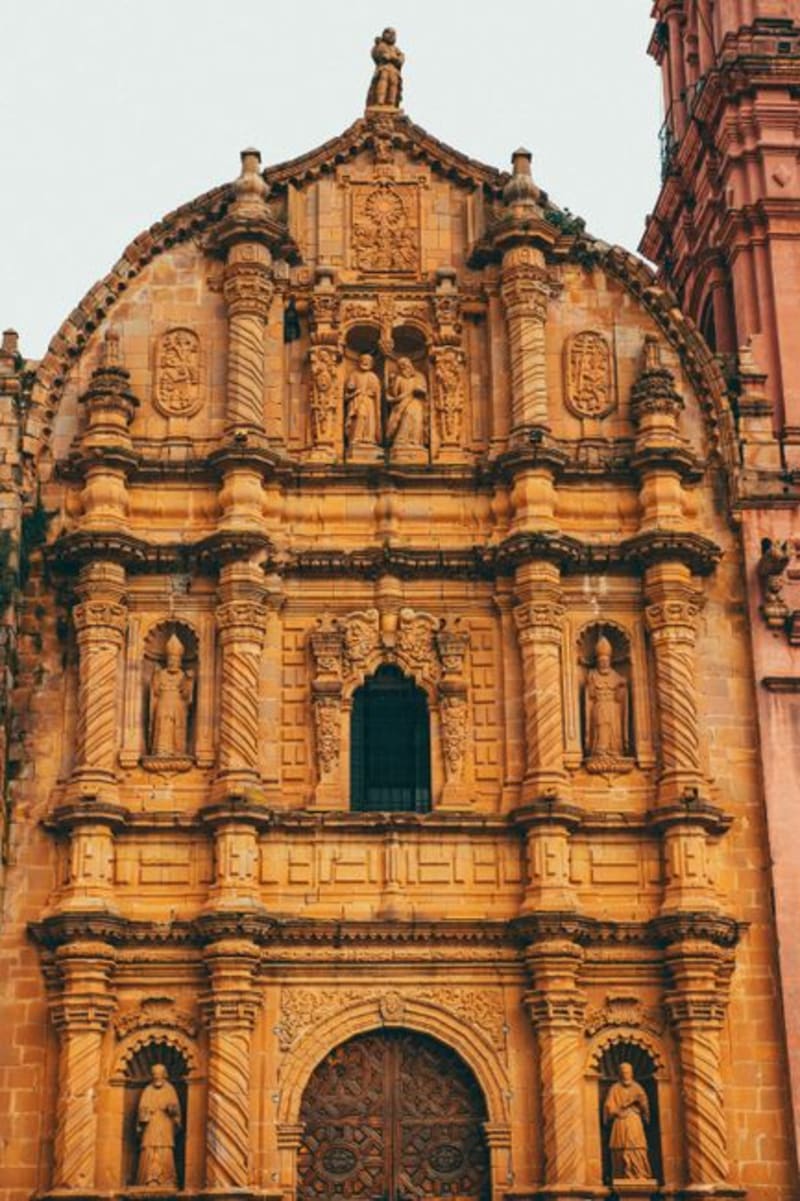 mexico
Charcas
A colonial silver-mining town sitting quietly on the San Luis Potosí altiplano, Charcas has a baroque parish church of startling ambition and stone streets that feel genuinely untouched — not curated-untouched, just forgotten. The altitude keeps the air cool and the crowds nonexistent.
Explore mexico
Real de Catorce
Real de Catorce is a near-abandoned silver-mining town in the high desert of San Luis Potosí, reached through a mile-long one-lane tunnel carved into the mountain. The Wixáritari have made the surrounding Wirikuta desert their most sacred peyote pilgrimage ground for centuries; the town holds its own quieter devotion among the ruins of silver-boom mansions and a colonial church that still draws thousands of pilgrims each year.
Explore