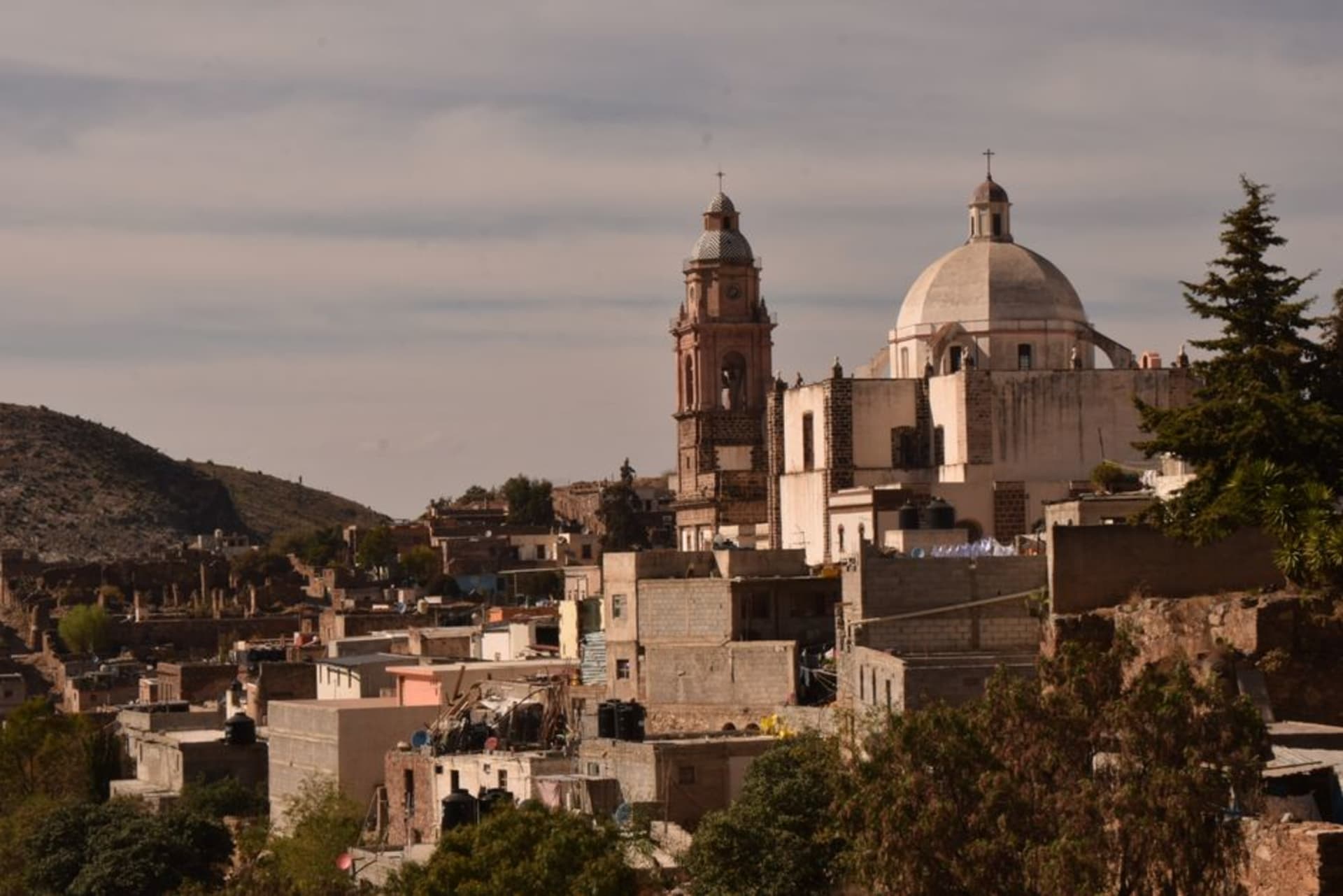
Matehuala
"The mercado in Matehuala sells gorditas stuffed with nopales and cheese that have nothing to prove and everything to deliver."
A northern San Luis Potosí junction city that most travelers cross without stopping, Matehuala earns a night for its covered mercado, its colonial centro, and its position as the logical base for Real de Catorce. The drive into the sierra at sunrise — desert floor lit gold beneath you — justifies the detour entirely on its own terms.

I pulled off the carretera at dusk, half-convinced I would regret it. Matehuala is the kind of city that exists in most travelers’ minds only as a fuel stop on the way to Monterrey or a sleep before Real de Catorce — a place bracketed between somewhere else. But I was hungry, the light was turning orange over the rooftops, and the plaza looked lived-in enough to be interesting. I stayed two nights. That turned out to be the right call.
The Mercado and the Food That Does Not Perform
The Mercado Hidalgo sits a few blocks from the Plaza de Armas, shaded, loud, organized in the particular way that Mexican covered markets are always organized — meaning it takes twenty minutes to understand the logic and then it becomes obvious. I found a woman near the back who made gorditas on a comal, stuffing them with rajas de nopal and queso fresco, pressing them with her palm until they puffed and blistered. I had two with a café de olla from the stall beside her. Nobody was watching, nobody was photographing, and the gorditas were exactly as good as they needed to be. For lunch I went back for caldo de res, which came with a stack of corn tortillas and a wedge of lime so large it felt generous even by Mexican standards.
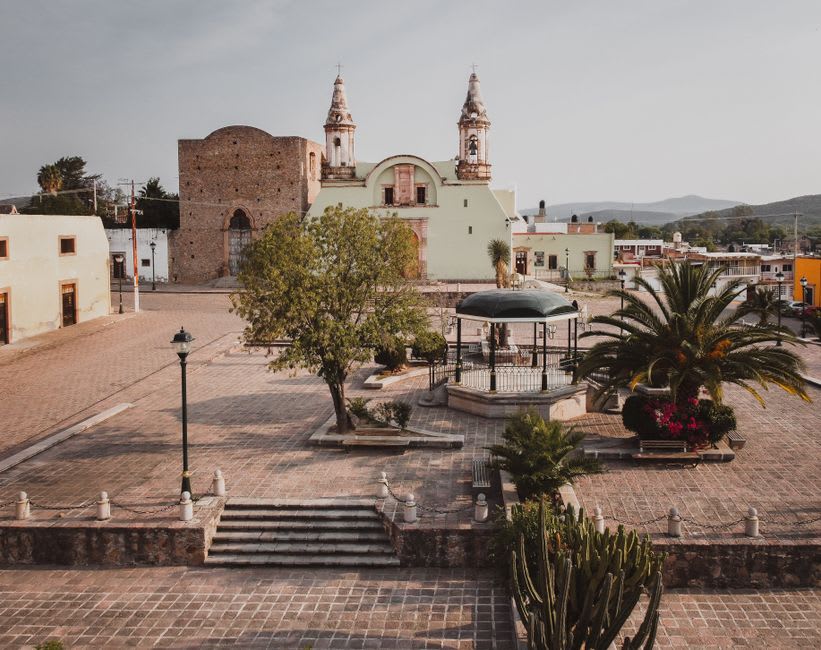
The Centro on Its Own Terms
Matehuala’s Parroquia de la Inmaculada Concepción anchors the Plaza de Armas with the kind of unpretentious colonial dignity that does not try to impress you and therefore does. The jardín is functional — old men on benches, kids on bikes, a shoeshine stand under the portales. I walked Calle Insurgentes in the evening when the shops were closing and families were drifting toward the plaza. There is nothing spectacular about any of it, and that is precisely the point. After weeks of curated pueblo mágico charm, a city that simply goes about its business feels like a relief. I had a beer at a table on the sidewalk outside a cantina whose name I did not catch and watched the street for an hour.
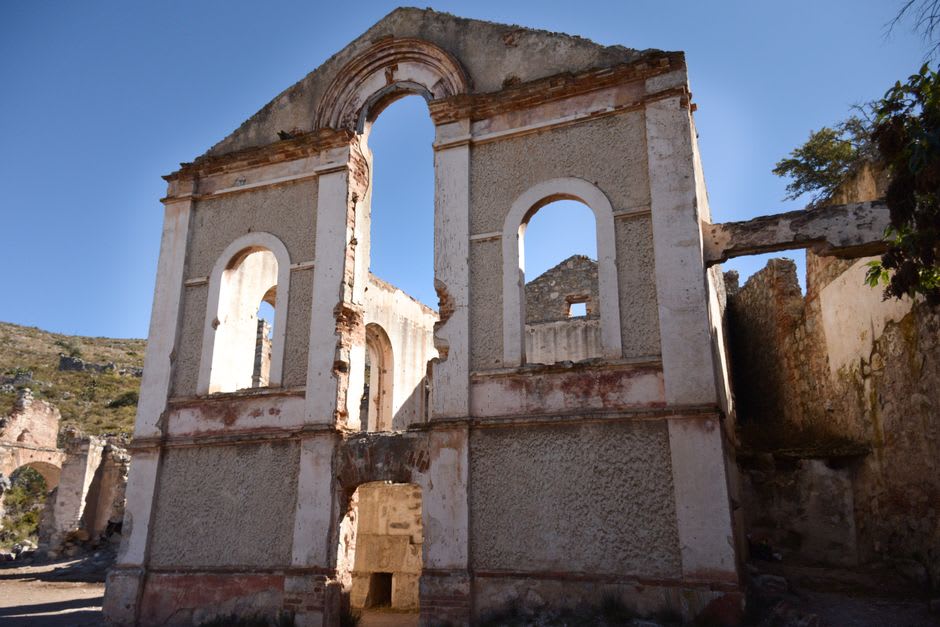
The Road to Real de Catorce
Leave before six. That is the instruction I would give anyone staying in Matehuala, not because the town has nothing to offer in the morning, but because the highway south toward Cedral and then the climb toward Real de Catorce is best done in the hour when the desert is still cold and the light is low and sideways. The road rises through chaparral and maguey into a landscape that turns stark and beautiful faster than you expect. Matehuala makes it possible — close enough that you arrive at the one-lane tunnel into Real de Catorce with the whole day still ahead of you.
Getting There
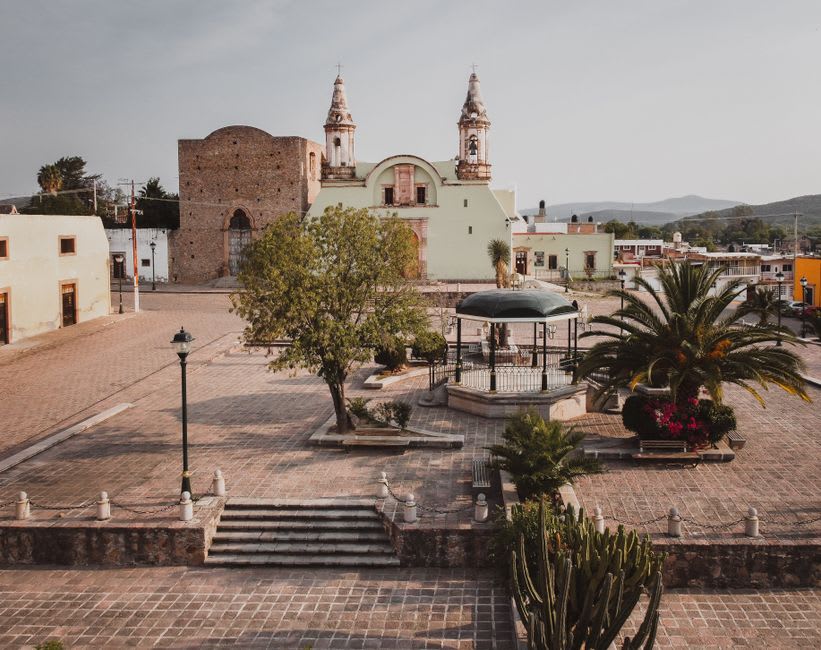
Matehuala sits on the MEX-57 between San Luis Potosí city (roughly two and a half hours south) and Monterrey (three hours north). ADO and Omnibus de México run regular service on both routes. The bus terminal is on the edge of the centro and walkable to most hotels. A taxi to the Plaza de Armas costs almost nothing.
Keep exploring
More of San Luis Potosí
Keep exploring
More from San Luis Potosí
 mexico
 Real de Catorce
Real de Catorce is a near-abandoned silver-mining town in the high desert of San Luis Potosí, reached through a mile-long one-lane tunnel carved into the mountain. The Wixáritari have made the surrounding Wirikuta desert their most sacred peyote pilgrimage ground for centuries; the town holds its own quieter devotion among the ruins of silver-boom mansions and a colonial church that still draws thousands of pilgrims each year.
Explore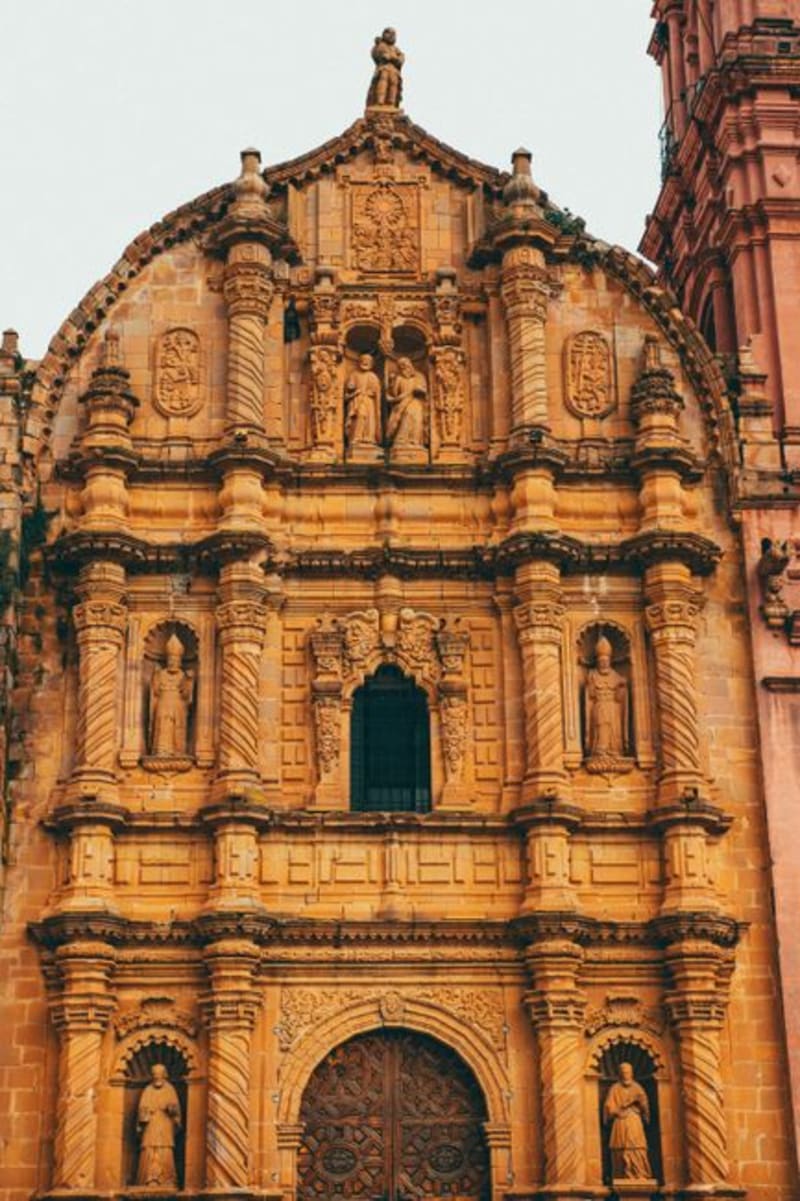 mexico
 Charcas
A colonial silver-mining town sitting quietly on the San Luis Potosí altiplano, Charcas has a baroque parish church of startling ambition and stone streets that feel genuinely untouched — not curated-untouched, just forgotten. The altitude keeps the air cool and the crowds nonexistent.
Explore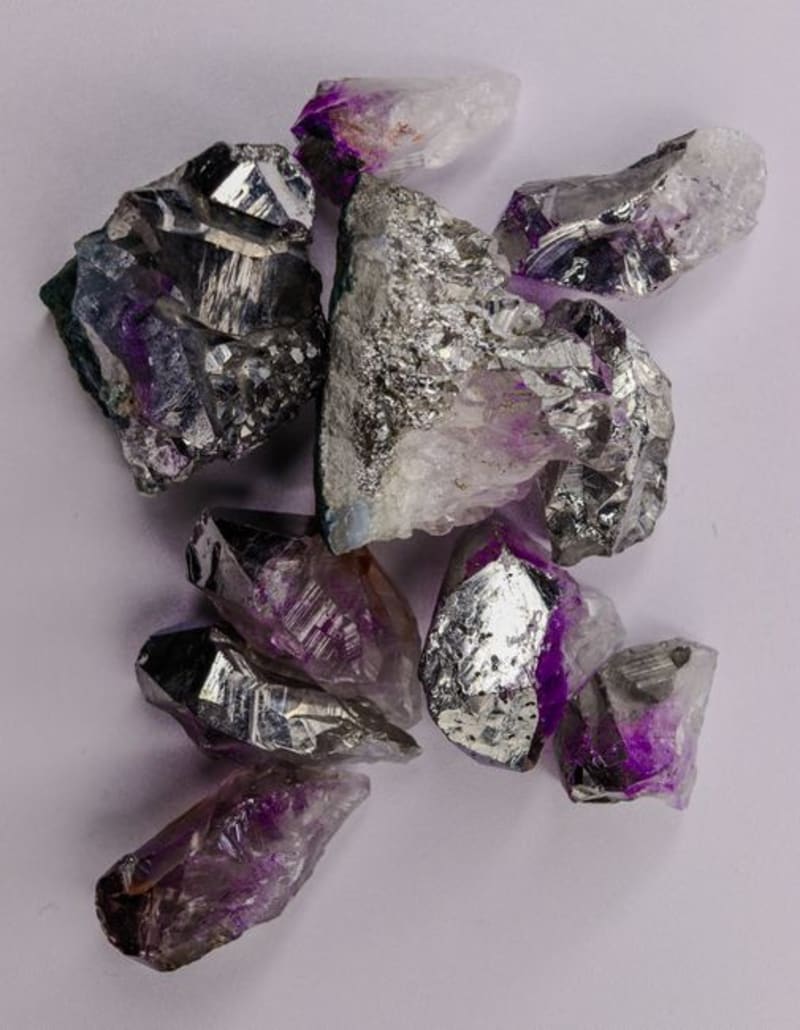 mexico
 Guadalcázar
Guadalcázar sits in the Potosino altiplano with the unhurried air of a town that made peace with being overlooked centuries ago. The ex-convent of San Miguel anchors a colonial center that sees almost no foreign visitors, despite the surrounding desert sitting atop one of Mexico's most significant amethyst deposits. In the late afternoon, when the hills go violet and the light does something specific, the geology starts to explain everything.
Explore mexico
 Guadalcázar
A colonial silver-mining town in the semi-arid highlands of San Luis Potosí, Guadalcázar sits quietly beside one of Mexico's most improbable natural wonders — the Media Luna, a spring-fed lagoon of crystalline water that rises inexplicably from the desert floor. The 17th-century church faces a handsome plaza, and the whole place moves at a pace that feels borrowed from another era.
Explore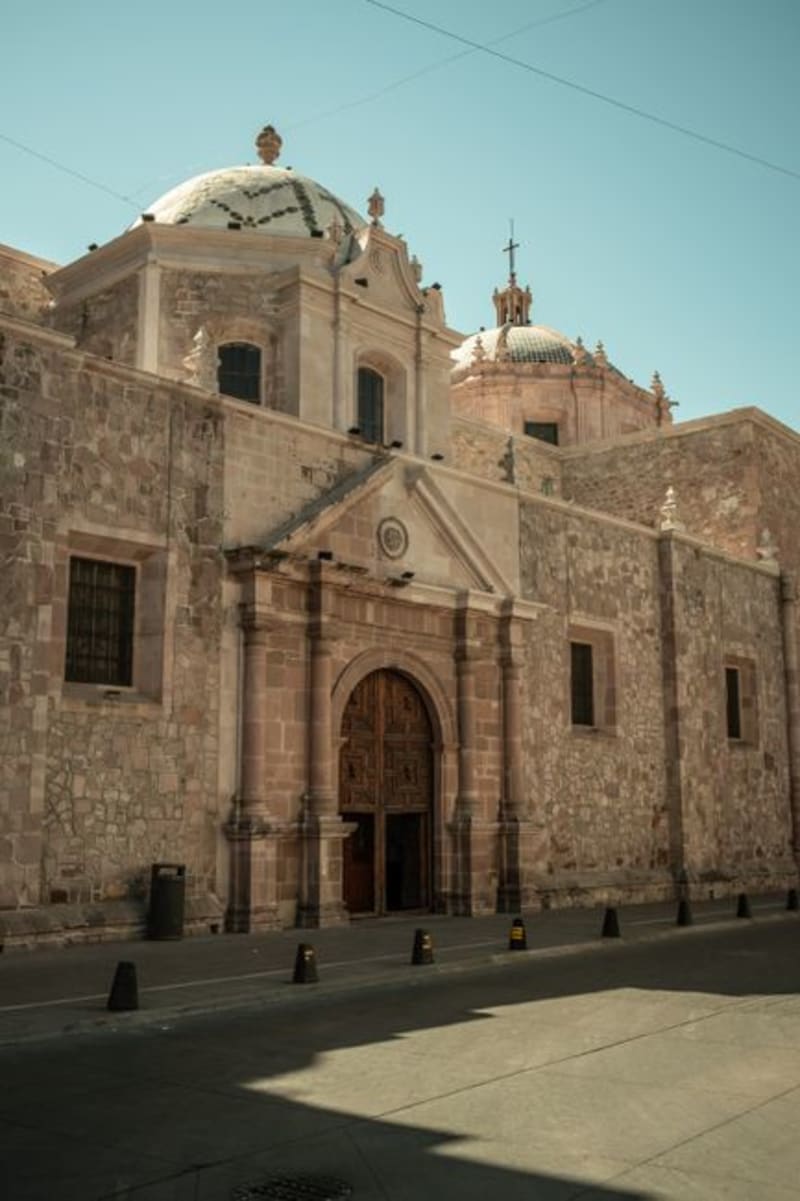 mexico
 Cerritos
A small colonial town on the San Luis Potosí altiplano whose outsized cathedral and well-kept central plaza make a compelling case for turning off the highway. Cerritos sits naturally between the state capital and the mining towns of Zacatecas — a useful geography that northbound travelers somehow overlook.
Explore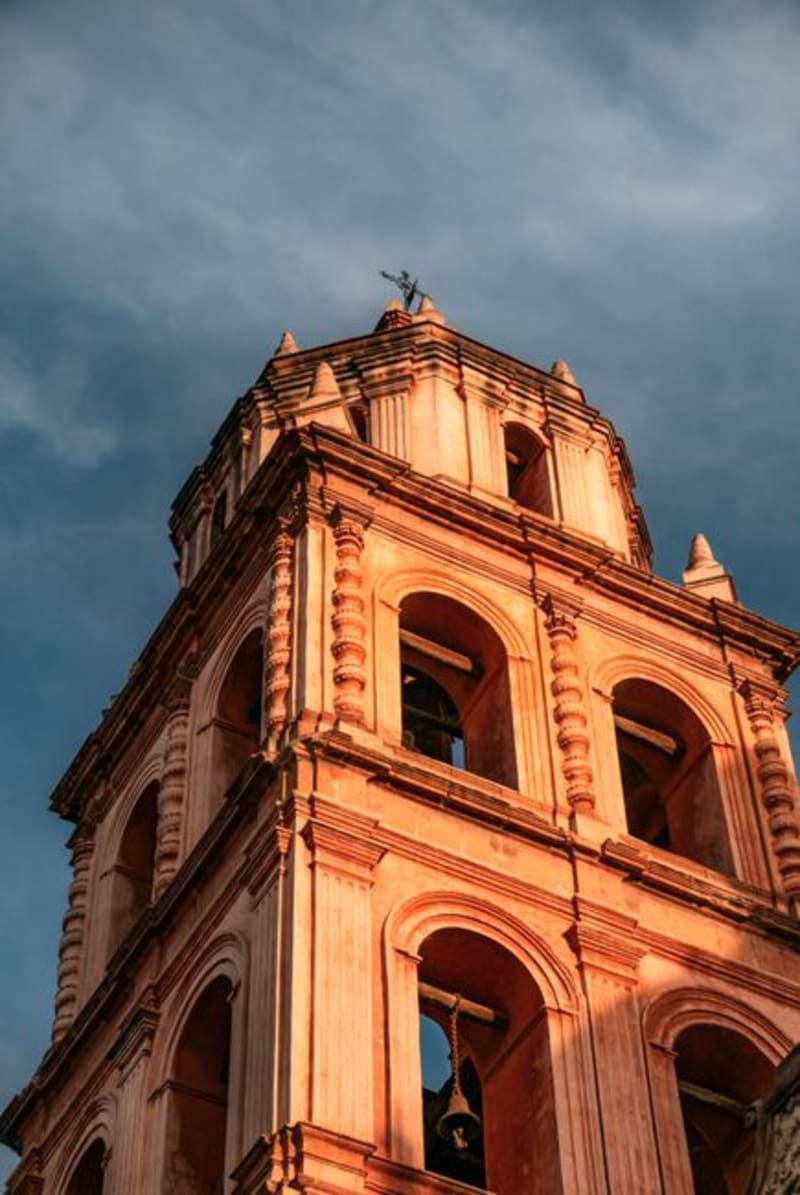 mexico
 Armadillo de los Infante
A Pueblo Mágico perched in the hills southeast of San Luis Potosí city, where a 17th-century parish church lords over a plaza that has not learned to hurry. The name alone is enough to pull you off the highway — what you find when you arrive is that the town has somehow avoided becoming a version of itself for visitors.
Explore