Guadalcázar
"The church door was open, the town square was empty, and nobody was performing anything for anyone — that alone felt like a reason to stay."
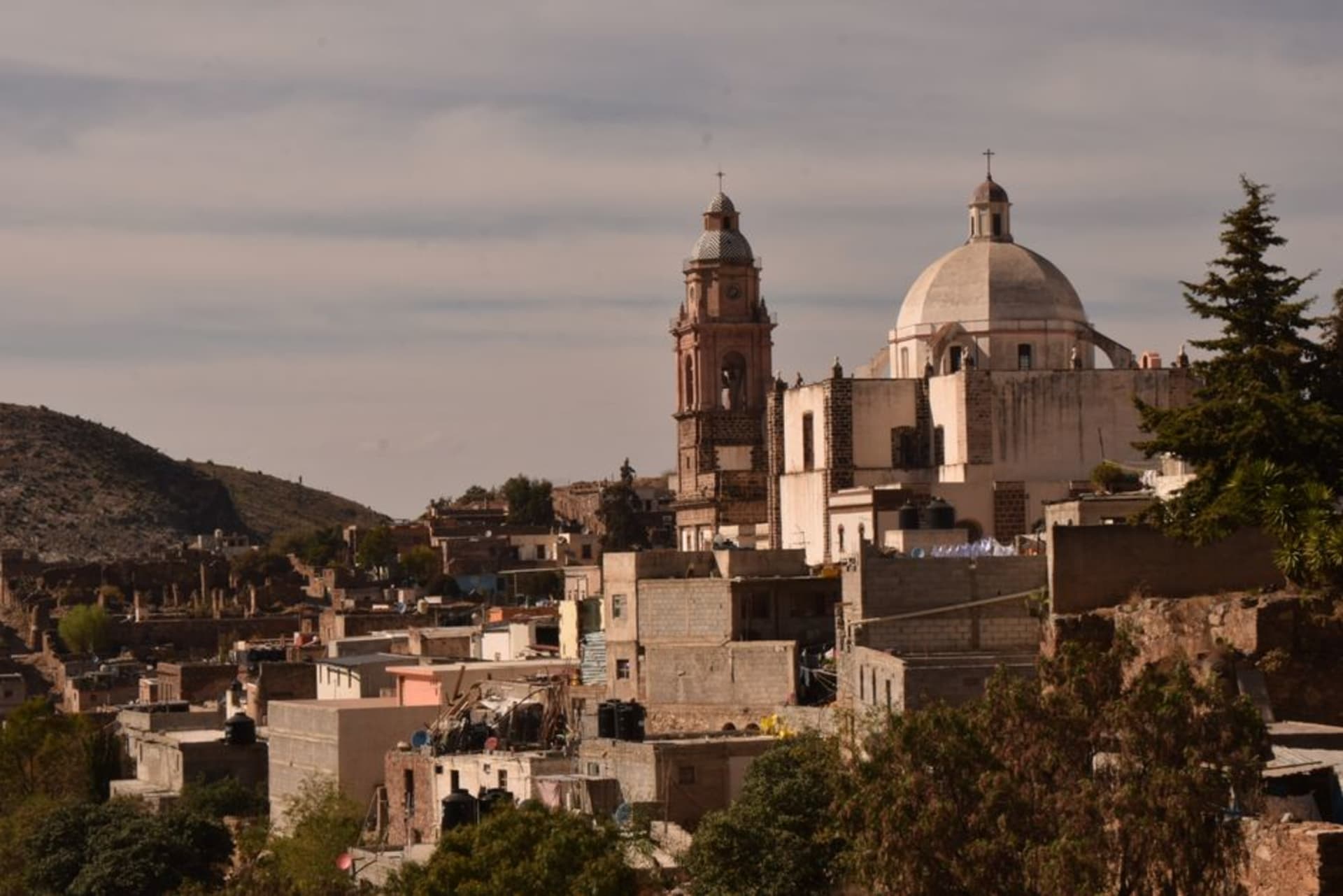
Guadalcázar sits in the Potosino altiplano with the unhurried air of a town that made peace with being overlooked centuries ago. The ex-convent of San Miguel anchors a colonial center that sees almost no foreign visitors, despite the surrounding desert sitting atop one of Mexico's most significant amethyst deposits. In the late afternoon, when the hills go violet and the light does something specific, the geology starts to explain everything.

I arrived in Guadalcázar mid-morning on a Thursday, after two hours on a state highway that cuts through the altiplano without apology. The bus from San Luis Potosí left me at the edge of the central plaza — which is to say, the center of everything — and for a moment I just stood there. Two men were talking on a bench near the fountain. A dog crossed the square at its own pace. The church door was open. Nobody was selling anything to anyone, and the town had the specific stillness of a place that has never needed to perform itself for outsiders. I had not expected it to feel this intact.
The Ex-Convent of San Miguel
The Spanish built the ex-convent of San Miguel in the seventeenth century, and Guadalcázar makes a certain kind of sense once you understand what brought them here. Silver and mercury came out of these hills in serious quantities — enough to warrant proper religious infrastructure to accompany the extraction. The convent still stands on the north side of the plaza, its baroque facade worn to a texture that photographs can’t quite resolve. You have to stand in front of it to understand how much time has accumulated in the stone.
Inside, the light falls through narrow windows onto a floor that has been swept and kept for four centuries. A woman was mopping near the altar when I walked in. She acknowledged me with a brief nod and continued mopping. There is a clarity to a church that functions as a church rather than a monument — no velvet ropes, no numbered placards, no audio guide. Just the smell of incense and the sound of her mop on the old tile, and the particular silence of a building that has had the same purpose for three hundred years without interruption.

What Is Under the Desert
Guadalcázar sits atop one of Mexico’s significant amethyst deposits, and once you know this, the landscape rearranges itself. The Potosino altiplano reads as austere from the highway — flat, dry, the kind of desert defined more by absence than drama — but the light in the late afternoon does something specific here. The hills to the east go a color that falls somewhere between violet and grey, more saturated than you’d expect from bare rock. It is not quite like anything I had seen elsewhere in Mexico, and it makes geological sense in retrospect.
Local miners still work some of the deposits. You can find raw amethyst sold informally around town — rough-edged, unpolished, nothing like the tourist-market stones you find in San Cristóbal or Oaxaca City. I bought a small piece from a man sitting outside the mercado for forty pesos. It rode on my dashboard all the way back to San Luis, catching what light it could.

The Mercado and the Evening Plaza
The mercado is small and serves the town, which means the produce is whatever grows nearby and the comida corrida is whatever the woman running the back stall decided to make that morning. I ate something identified as caldo de res — a beef broth with vegetables that had clearly been going since before anyone arrived, thick and a little fatty in the way that altitude seems to require. No printed menu. She asked if I wanted tortillas and brought them without waiting for a full answer.
The plaza in the evening fills with the ordinary rhythm of a town that has no tourist economy to arrange itself around. Families. Teenagers on benches. Old men reclaiming their spots near the fountain. A vendor pushing an elote cart with a squeaking wheel nobody had gotten around to fixing. If you arrive expecting to be entertained by the town’s quaintness, you will miss what is actually available: a place that remains entirely itself.

Getting There
The nearest hub is San Luis Potosí, roughly 100 kilometers to the north. Direct buses depart from the Central de Autobuses de San Luis Potosí; the journey takes about two hours depending on stops. There is no reliable accommodation in Guadalcázar itself — most visits work as a day trip. Plan to arrive by early afternoon: the late-afternoon light on the surrounding hills is the thing, and you do not want to miss it trying to find parking.
Keep exploring
More of San Luis Potosí
Keep exploring
More from San Luis Potosí
 mexico
 Guadalcázar
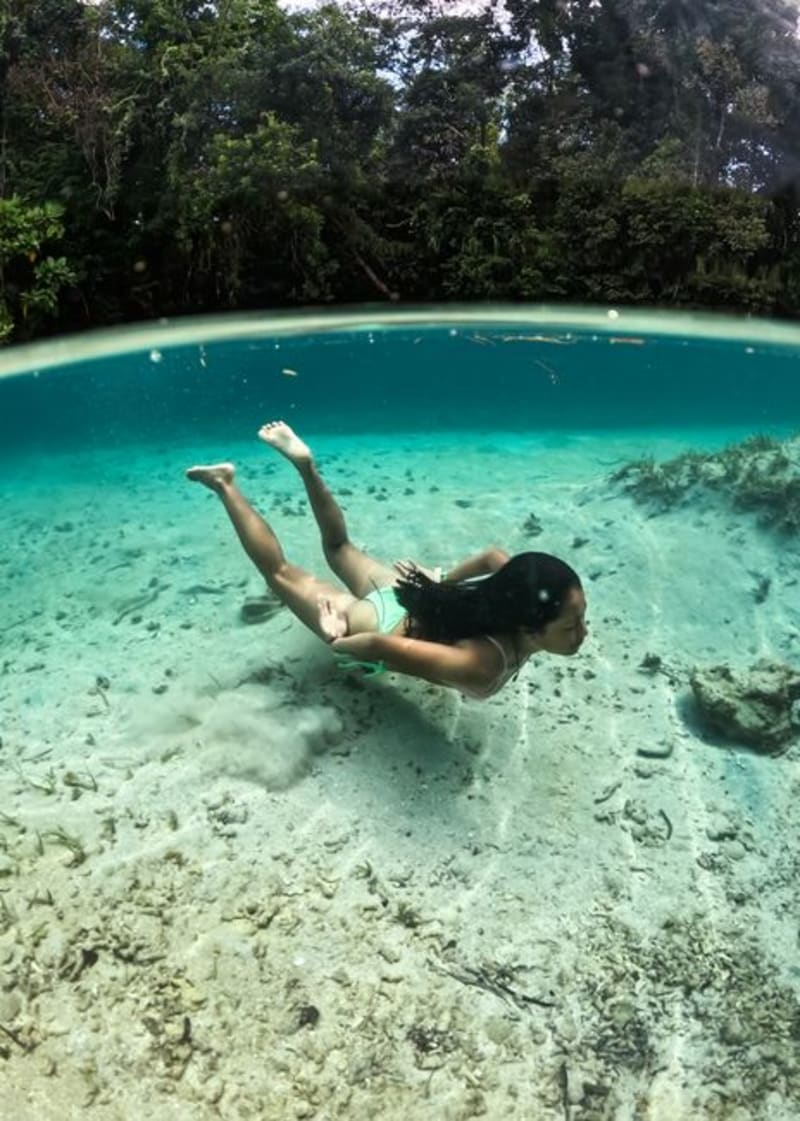
A colonial silver-mining town in the semi-arid highlands of San Luis Potosí, Guadalcázar sits quietly beside one of Mexico's most improbable natural wonders — the Media Luna, a spring-fed lagoon of crystalline water that rises inexplicably from the desert floor. The 17th-century church faces a handsome plaza, and the whole place moves at a pace that feels borrowed from another era.
Explore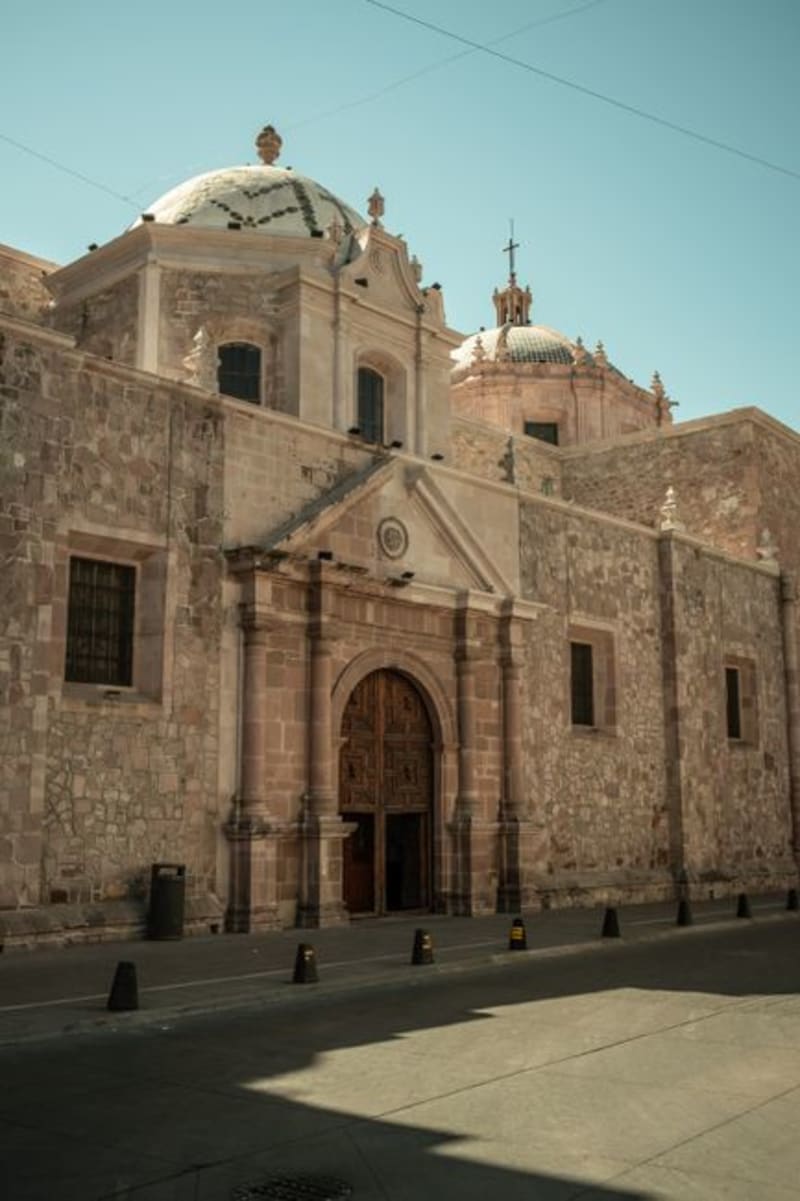 mexico
 Cerritos
A small colonial town on the San Luis Potosí altiplano whose outsized cathedral and well-kept central plaza make a compelling case for turning off the highway. Cerritos sits naturally between the state capital and the mining towns of Zacatecas — a useful geography that northbound travelers somehow overlook.
Explore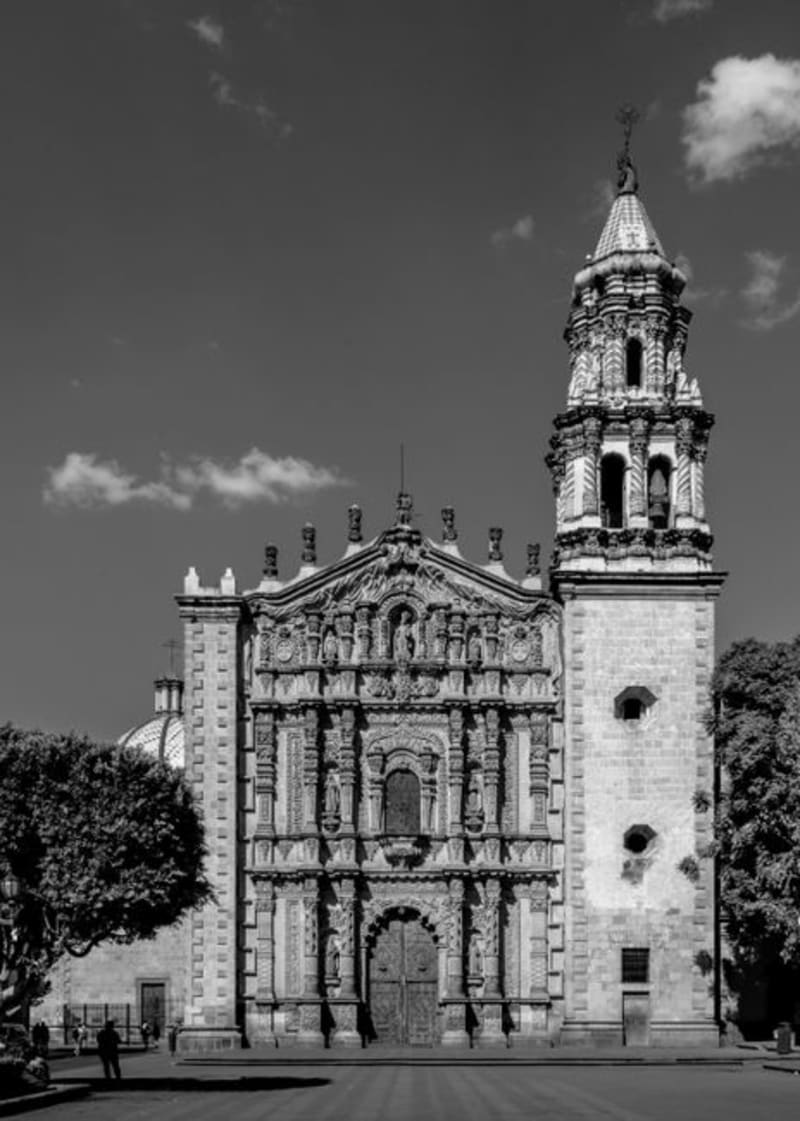 mexico
 Matehuala
A northern San Luis Potosí junction city that most travelers cross without stopping, Matehuala earns a night for its covered mercado, its colonial centro, and its position as the logical base for Real de Catorce. The drive into the sierra at sunrise — desert floor lit gold beneath you — justifies the detour entirely on its own terms.
Explore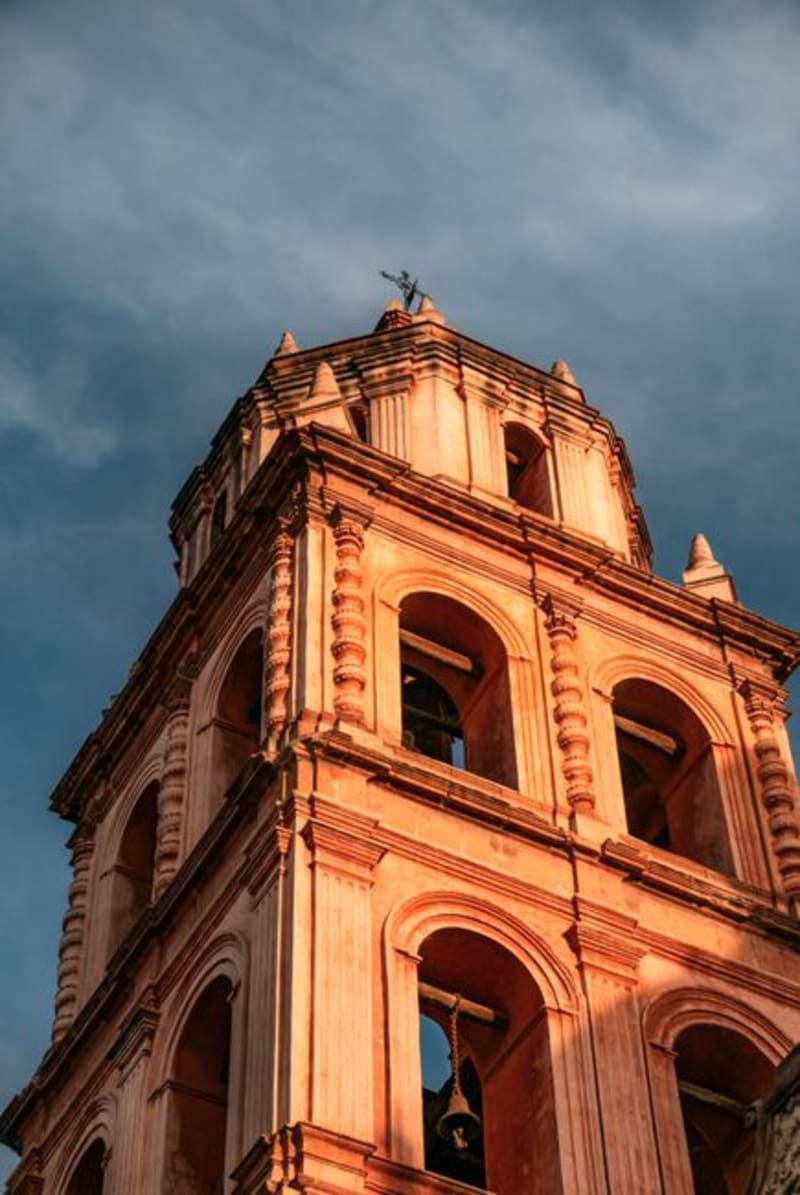 mexico
 Armadillo de los Infante
A Pueblo Mágico perched in the hills southeast of San Luis Potosí city, where a 17th-century parish church lords over a plaza that has not learned to hurry. The name alone is enough to pull you off the highway — what you find when you arrive is that the town has somehow avoided becoming a version of itself for visitors.
Explore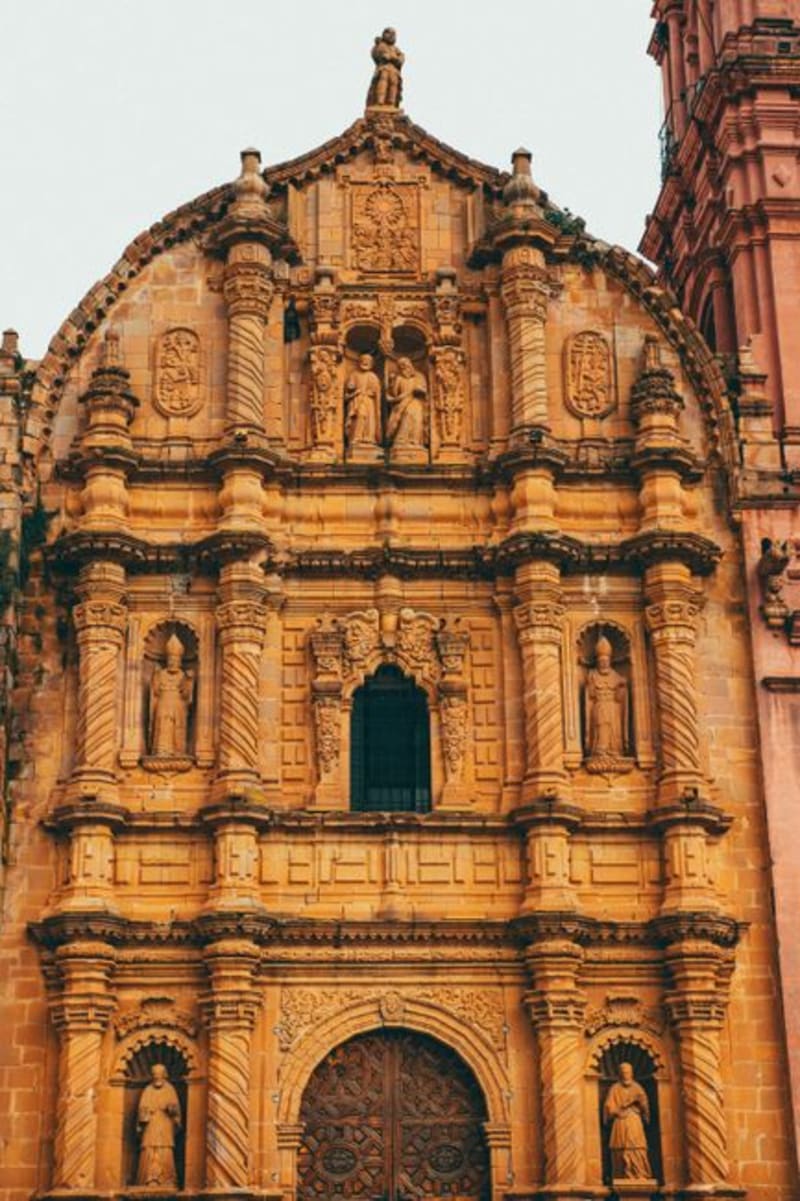 mexico
 Charcas
A colonial silver-mining town sitting quietly on the San Luis Potosí altiplano, Charcas has a baroque parish church of startling ambition and stone streets that feel genuinely untouched — not curated-untouched, just forgotten. The altitude keeps the air cool and the crowds nonexistent.
Explore mexico
 Real de Catorce
Real de Catorce is a near-abandoned silver-mining town in the high desert of San Luis Potosí, reached through a mile-long one-lane tunnel carved into the mountain. The Wixáritari have made the surrounding Wirikuta desert their most sacred peyote pilgrimage ground for centuries; the town holds its own quieter devotion among the ruins of silver-boom mansions and a colonial church that still draws thousands of pilgrims each year.
Explore