Charcas
"The church is magnificent, the streets are empty, and nobody seems to know it exists — which is more or less perfect."
A colonial silver-mining town sitting quietly on the San Luis Potosí altiplano, Charcas has a baroque parish church of startling ambition and stone streets that feel genuinely untouched — not curated-untouched, just forgotten. The altitude keeps the air cool and the crowds nonexistent.

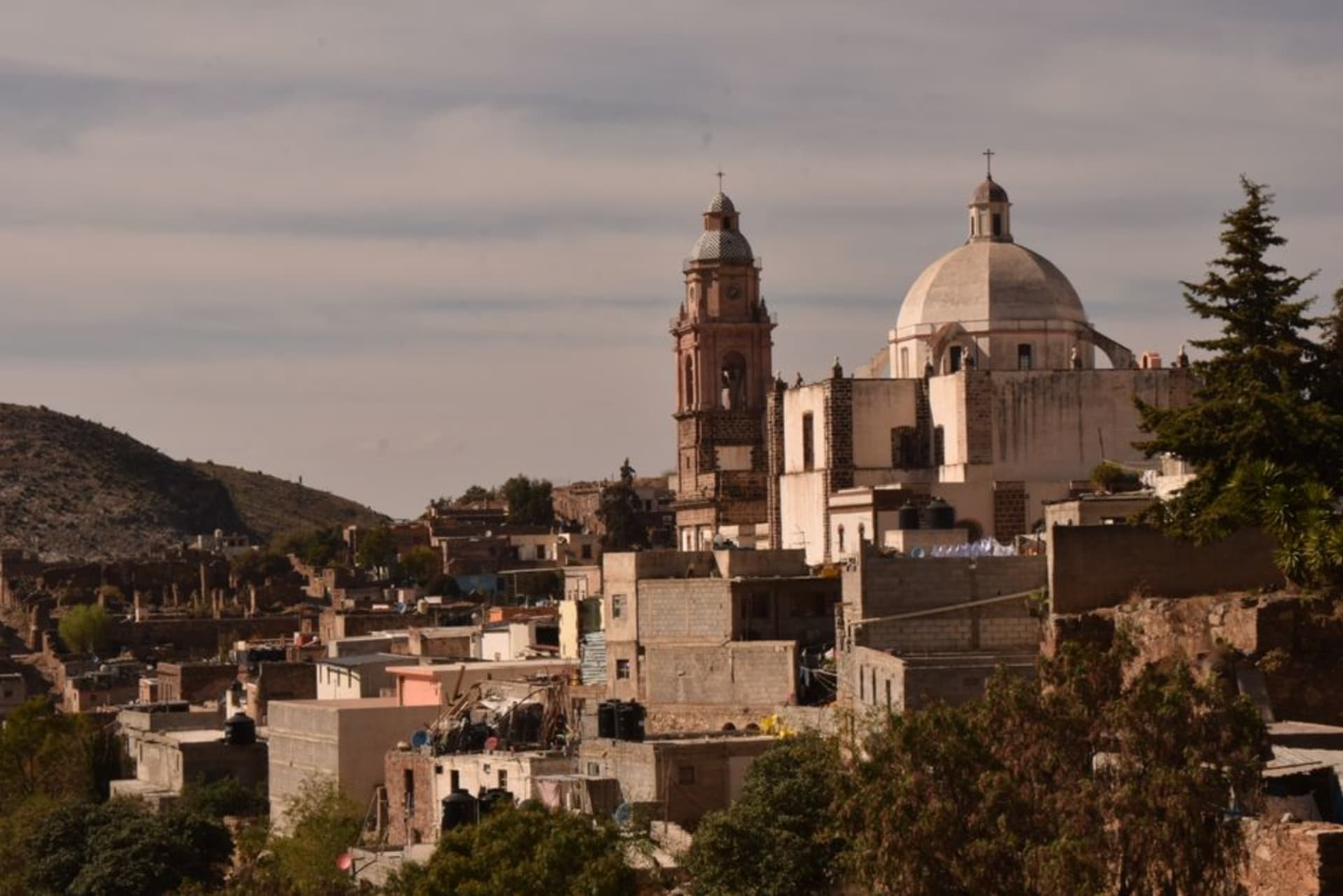
I pulled into Charcas on a Thursday around noon on a second-class bus from San Luis Potosí city, expecting to spend an hour, maybe two, and catch the next connection north. The plaza was nearly empty — a woman selling chicharrones from a cart near the kiosk, two men talking without urgency on a bench. Then I turned to face the church and stopped. The facade of the Parroquia de Santiago Apóstol rose up in cantera stone with the kind of baroque confidence that has no business being here, four hours from any tourist circuit, on a plateau where the wind comes in flat and unobstructed from all directions.
A Church Built for a Grander Fate
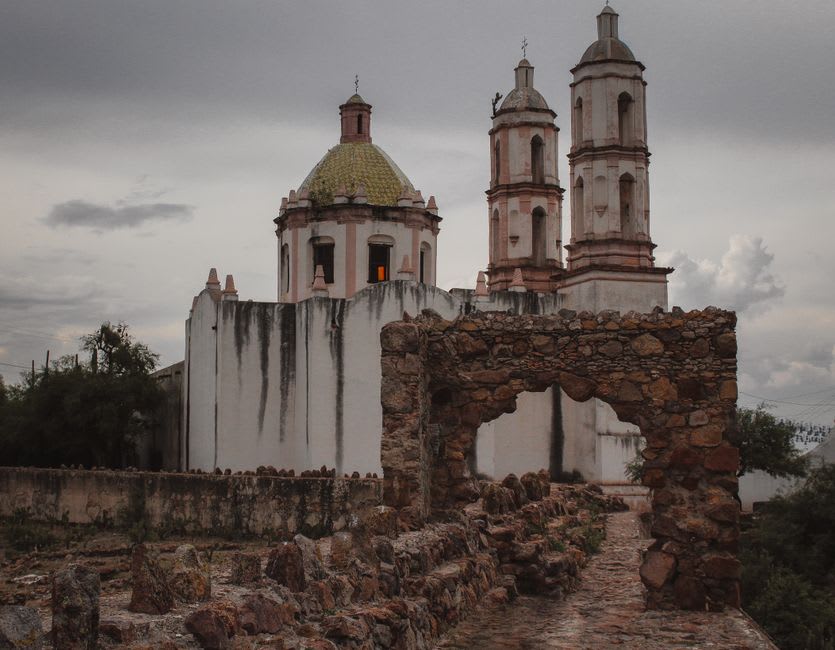
The Parroquia de Santiago was completed in the late eighteenth century, when the silver mines around Charcas were still producing and the town’s founders apparently believed they were building something lasting. They were right about that part, wrong about the boom continuing. What remains is a facade of layered pilasters and carved stone saints that would draw pilgrimage in Zacatecas or earn a star in San Miguel — here it presides over a nearly empty square with no gift shops, no entry fee, and no guided tour running at 11 a.m. I walked inside mid-afternoon, when the light came through the side windows at a low angle and lit the gilded altarpiece in sections. An elderly man was mopping the floor near the back. He nodded. I nodded. I sat in a pew for twenty minutes and nobody bothered either of us.
The scale of the interior relative to the town’s current population produces a particular feeling — not melancholy, exactly, but something like reading the margin notes of a conversation that ended before you arrived.
Eating at Altitude
There is no restaurant scene in Charcas. There are fondas, and the distinction matters. I ate at a place on the side street running west off the plaza — hand-lettered sign, four tables, a television tuned to a telenovela nobody was watching. The woman running it brought out a bowl of caldo de res that had clearly been started that morning: the broth dark and serious, a wedge of lime on the side, tortillas wrapped in a cloth. I followed it with enchiladas potosinas, which in this part of the altiplano arrive drier and redder than the version you get further south, the masa blended with chile ancho, the filling a sharp fresh cheese. I paid eighty pesos and felt I had underpaid.
The small mercado a block east of the plaza has the usual produce stalls plus a section selling dried chiles by the kilo and locally made queso fresco, which travels well if you’re continuing by bus.
What the Streets Tell You
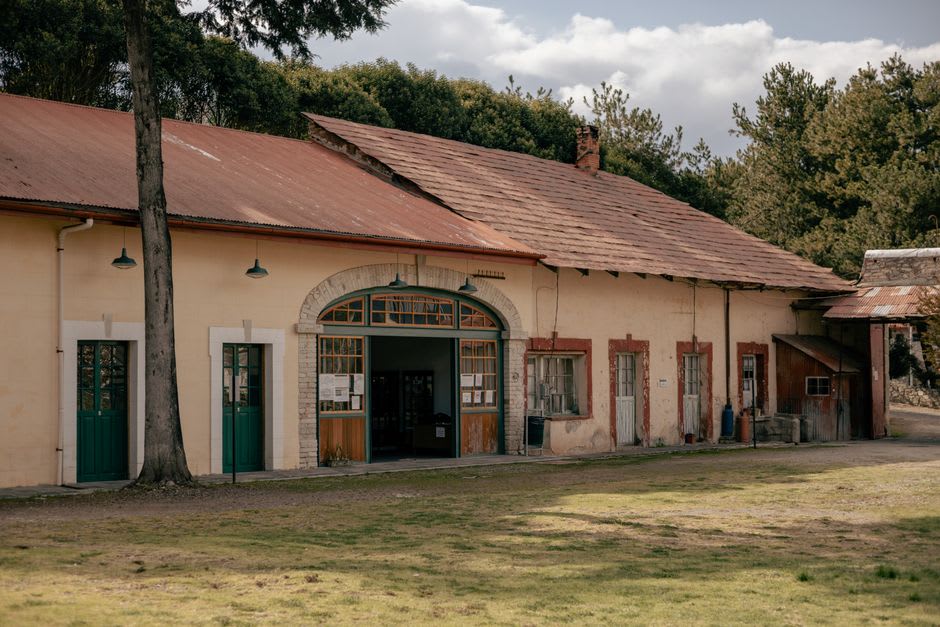
Walking Charcas takes less than an hour at an honest pace, but it rewards slowness. The streets running back from the plaza are paved in old stone, and the buildings — most of them single-story, a few ambitious two-story houses from the mining era — are in that state of comfortable aging that precedes either restoration or collapse. A few doorways have carved stone lintels that match the ambition of the church. Nobody has put up an interpretive sign. The cool air at this elevation (around 2,100 meters) makes the walking genuinely pleasant, a rarity on the altiplano in the middle of the day.
I found a small pottery workshop open on Calle Hidalgo where an older man was turning clay without seeming to notice me standing in the doorway. I bought a small bowl for forty pesos. It is on my desk in Puerto Escondido now.
Getting There
Charcas sits roughly 165 kilometers north of San Luis Potosí city. Buses run several times daily from the Terminal Terrestre Potosina, with the ride taking around two and a half hours on a route that is scenic and occasionally bumpy. There are no direct connections from Zacatecas — you transfer through SLP. Plan for a day trip or book a room through the municipio website, which does list one or two local hospedajes.
Keep exploring
More of San Luis Potosí
Keep exploring
More from San Luis Potosí
 mexico
 Real de Catorce
Real de Catorce is a near-abandoned silver-mining town in the high desert of San Luis Potosí, reached through a mile-long one-lane tunnel carved into the mountain. The Wixáritari have made the surrounding Wirikuta desert their most sacred peyote pilgrimage ground for centuries; the town holds its own quieter devotion among the ruins of silver-boom mansions and a colonial church that still draws thousands of pilgrims each year.
Explore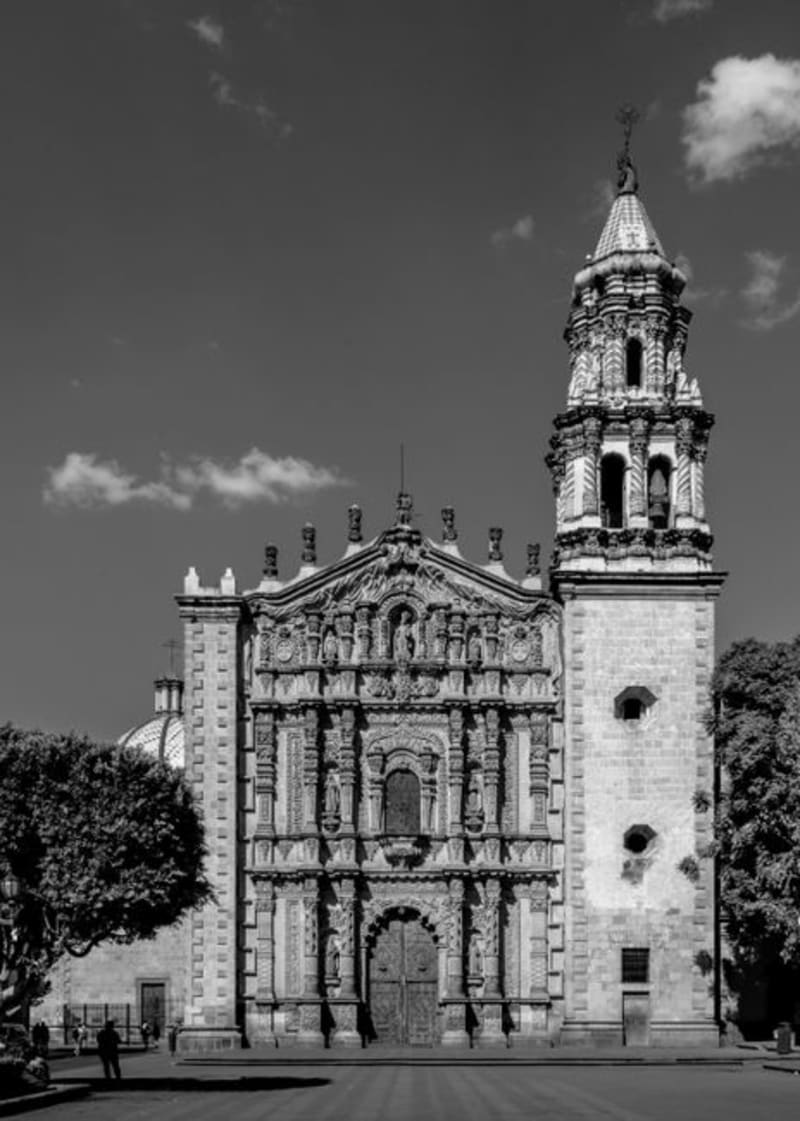 mexico
 Matehuala
A northern San Luis Potosí junction city that most travelers cross without stopping, Matehuala earns a night for its covered mercado, its colonial centro, and its position as the logical base for Real de Catorce. The drive into the sierra at sunrise — desert floor lit gold beneath you — justifies the detour entirely on its own terms.
Explore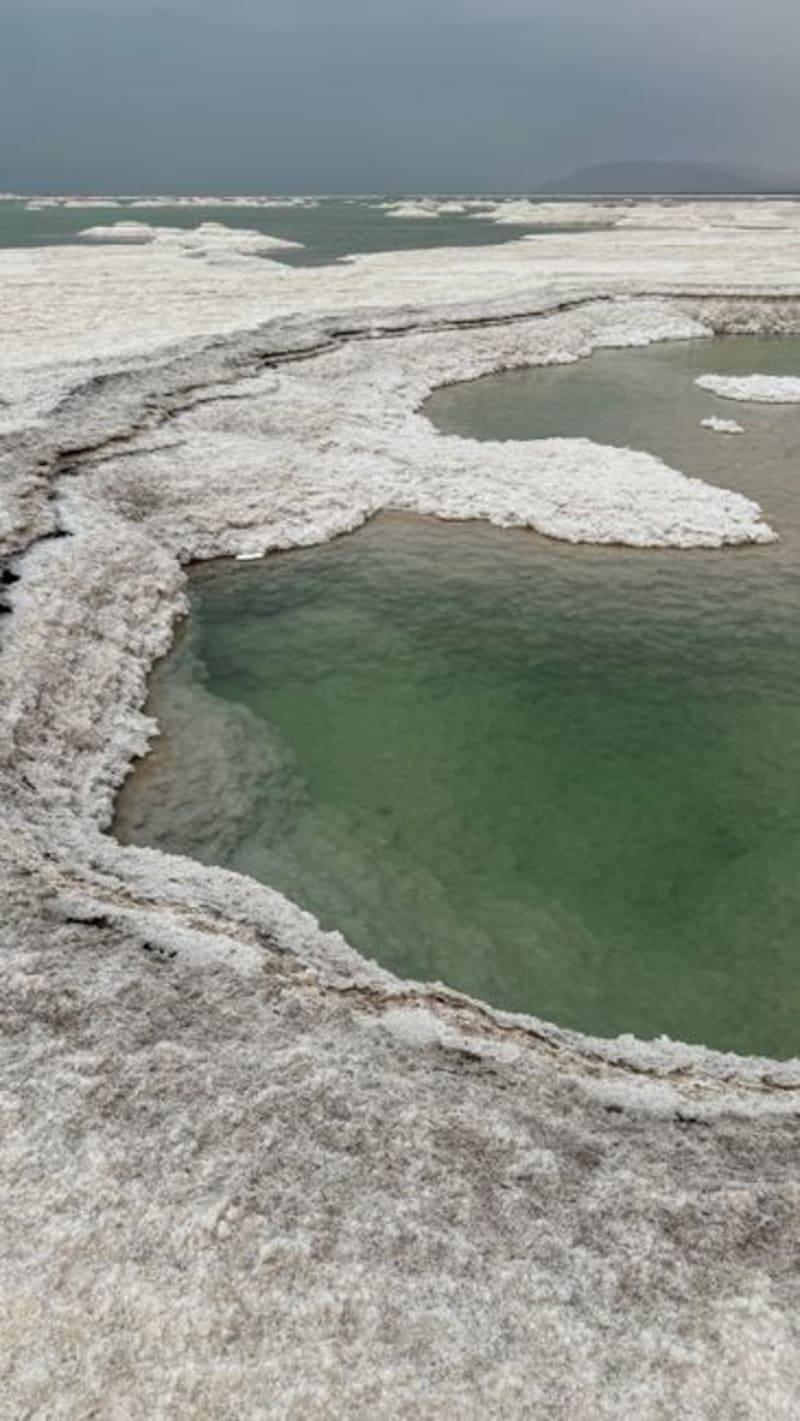 mexico
 Salinas de Hidalgo
An old salt-mining town on the high Altiplano of San Luis Potosí where evaporation pans stretch toward the horizon and blush pink at certain hours of the day. Salt has been worked here since before the Spanish arrived, and the place carries the quiet gravity of somewhere that has been useful for a very long time.
Explore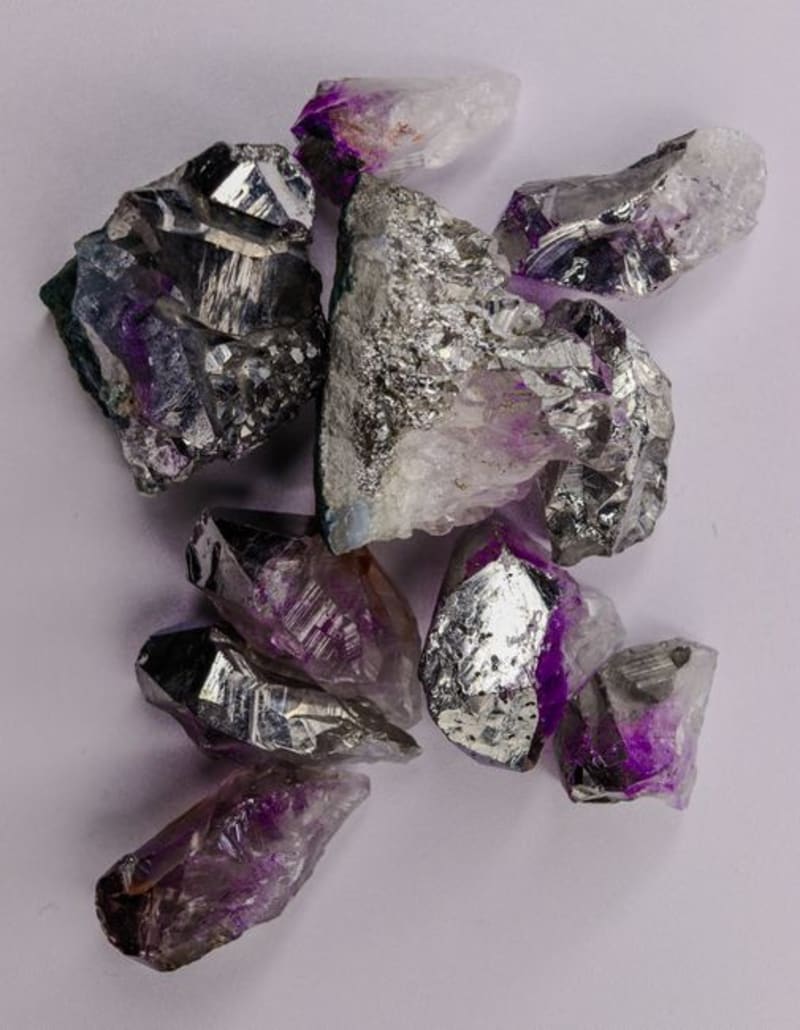 mexico
 Guadalcázar
Guadalcázar sits in the Potosino altiplano with the unhurried air of a town that made peace with being overlooked centuries ago. The ex-convent of San Miguel anchors a colonial center that sees almost no foreign visitors, despite the surrounding desert sitting atop one of Mexico's most significant amethyst deposits. In the late afternoon, when the hills go violet and the light does something specific, the geology starts to explain everything.
Explore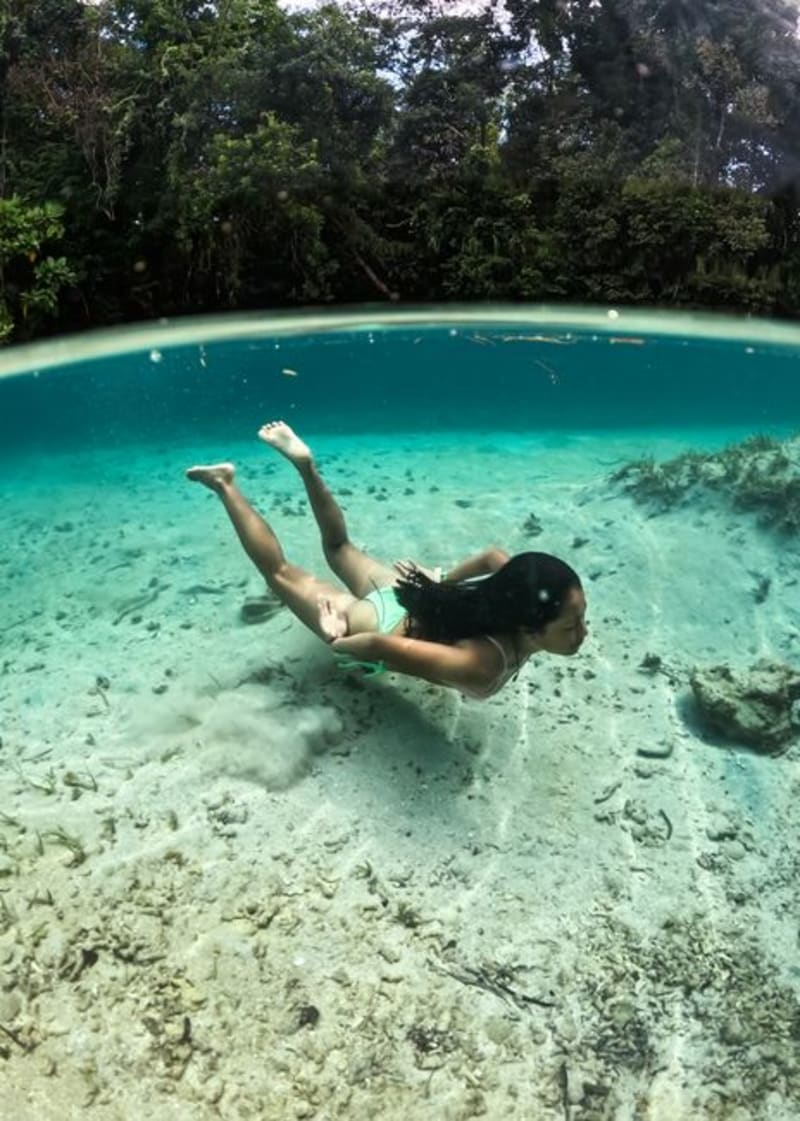 mexico
 Guadalcázar
A colonial silver-mining town in the semi-arid highlands of San Luis Potosí, Guadalcázar sits quietly beside one of Mexico's most improbable natural wonders — the Media Luna, a spring-fed lagoon of crystalline water that rises inexplicably from the desert floor. The 17th-century church faces a handsome plaza, and the whole place moves at a pace that feels borrowed from another era.
Explore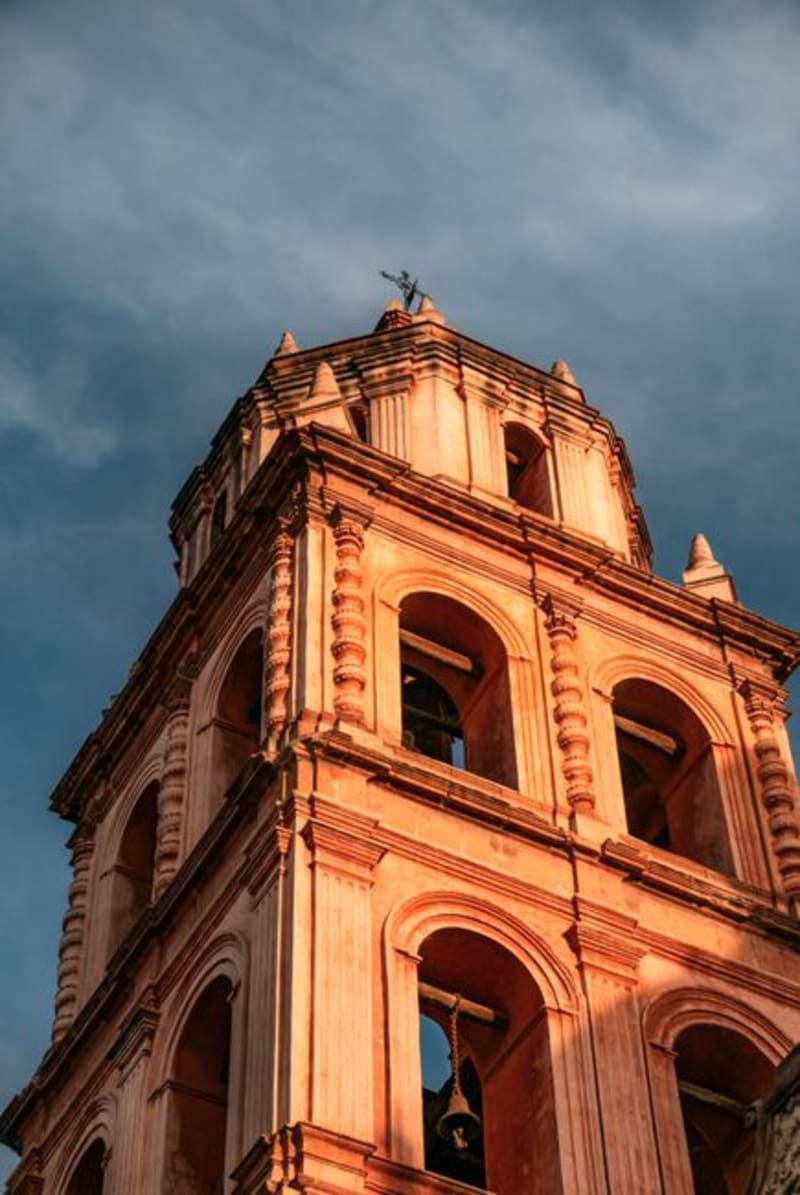 mexico
 Armadillo de los Infante
A Pueblo Mágico perched in the hills southeast of San Luis Potosí city, where a 17th-century parish church lords over a plaza that has not learned to hurry. The name alone is enough to pull you off the highway — what you find when you arrive is that the town has somehow avoided becoming a version of itself for visitors.
Explore