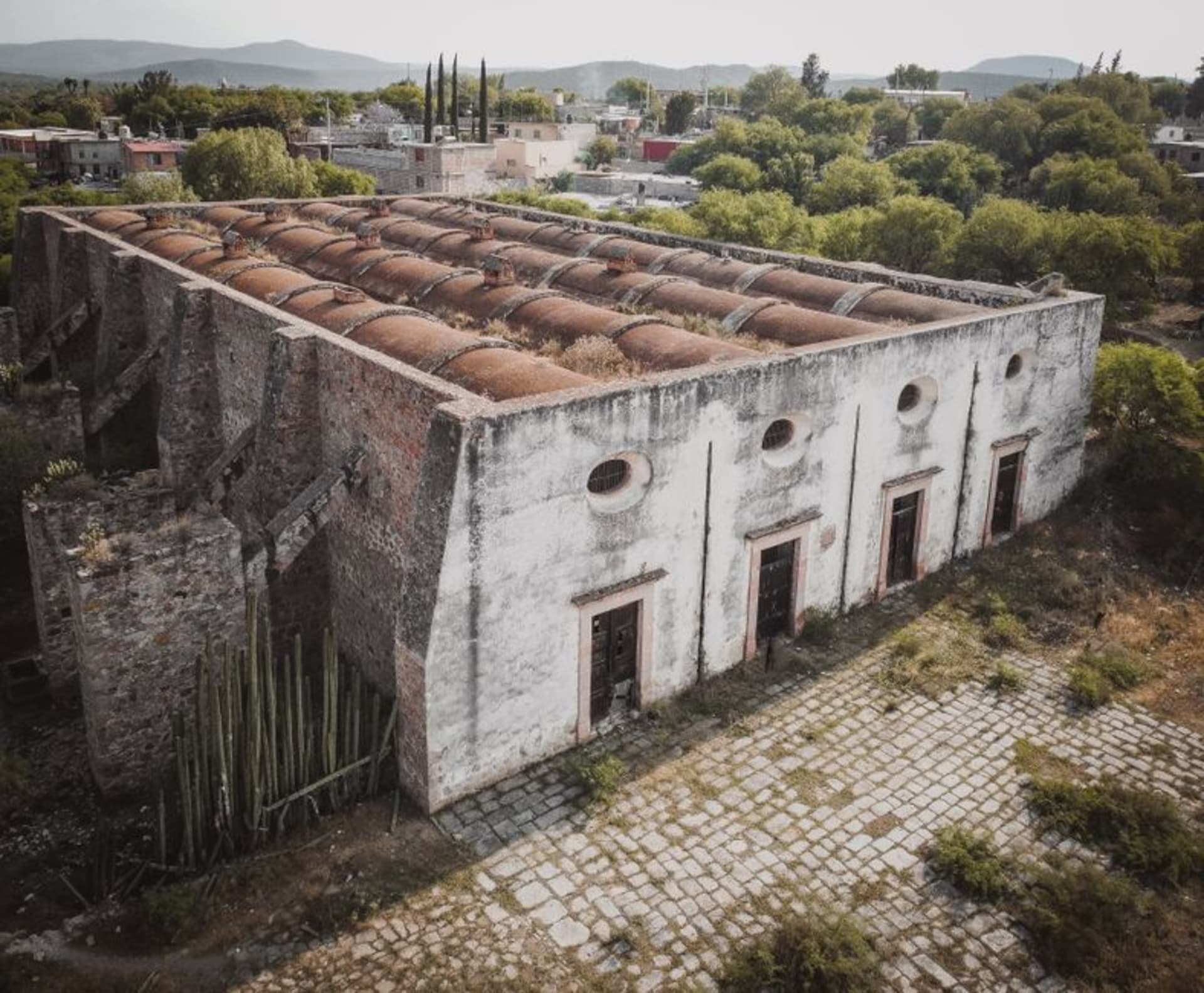
Salinas de Hidalgo
"I drove out to the salineras in the late afternoon and sat on the hood of the car watching the pans turn from white to rose to deep copper as the light left. Nobody else was there."
An old salt-mining town on the high Altiplano of San Luis Potosí where evaporation pans stretch toward the horizon and blush pink at certain hours of the day. Salt has been worked here since before the Spanish arrived, and the place carries the quiet gravity of somewhere that has been useful for a very long time.

I came to Salinas de Hidalgo because of a photograph I’d seen somewhere online — the salt pans in late-afternoon light, going first white, then pink, then a shade of copper I don’t have a precise name for. The town itself gives little away when you arrive. A plaza, a colonial church, streets that run straight and clean, a handful of tiendas. The population is around 8,000 and nobody seems especially interested in the fact that you’ve appeared. I found that immediately comfortable, in the way of places that have not decided to perform for anyone.
Salt, Old and Ongoing
The pans sit on the eastern edge of town, and the operation is genuinely old — pre-Hispanic old, which means the Chichimecs were working this ground before the Spanish arrived and formalized extraction in the seventeenth century. What you see now is a landscape of shallow rectangular pools divided by low earthen walls, brine sitting a few centimeters deep and evaporating under the Altiplano sun at around 1,900 meters. Workers move between the pools with wooden rakes, drawing salt crystals into low white mounds that dry against the flat ground.
I drove out in the late afternoon and sat on the hood of the car while the light changed. The pans went from blinding white to soft rose to something close to deep copper, and I kept expecting someone else to show up with a camera. Nobody did. The whole scene was working on its own schedule, indifferent to observation. The salt here is not marketed as artisanal or boutique — it is industrial, sold in bulk — but the process is essentially unchanged from what it was four hundred years ago, and that fact sits quietly in the landscape without needing to announce itself.

The Mercado and What Gets Salted
The mercado municipal operates on the rhythms of a town that doesn’t cater to visitors — fullest in the early morning, largely wound down by noon. I ate enchiladas potosinas there, the thicker chile-stained version that defines the cooking of San Luis Potosí, with enough salsa verde that my eyes watered, and a horchata from a woman who ran her stall with the mild suspicion appropriate to someone whose business doesn’t depend on you.
The salt turns up in local cooking in ways you don’t always see elsewhere: pork rinds cured heavier, fresh cheese salted more aggressively, the kind of seasoning that comes from generations of having the ingredient nearby in quantity. There’s a small shop near the plaza that sells sal de grano by weight. I bought a kilogram that lasted me through most of a winter back in Puerto Escondido. It cost less than two dollars.

The Church, the Streets, a Weekday
There isn’t a long list of things to do in Salinas de Hidalgo, and I mean that without implying you should stay away. The church of the Inmaculada Concepción on the main plaza is worth an hour if you’re inclined toward the spare colonial baroque the Altiplano does well — more geometry than ornament, the walls thick enough that the interior stays cool well into the afternoon. The streets near the salineras change character as you get closer to the working area; the smell is mineral and clean, not unpleasant, and you can walk freely among the pans without signs telling you where to stand.
Come on a weekday. The workers are more active, the light is the same either way, and the town is simply itself rather than whatever a weekend might briefly make it.

Getting There
Salinas de Hidalgo is about 80 kilometers north of San Luis Potosí city — roughly an hour by car on Federal Highway 80. Bus service runs from the Central Camionera in SLP, but frequency drops sharply in the afternoon, so check departure times before you go. The dry season from October through April keeps the pans most active; summer rains slow evaporation considerably and the effect is not the same.
Keep exploring
More of San Luis Potosí
Keep exploring
More from San Luis Potosí
 mexico
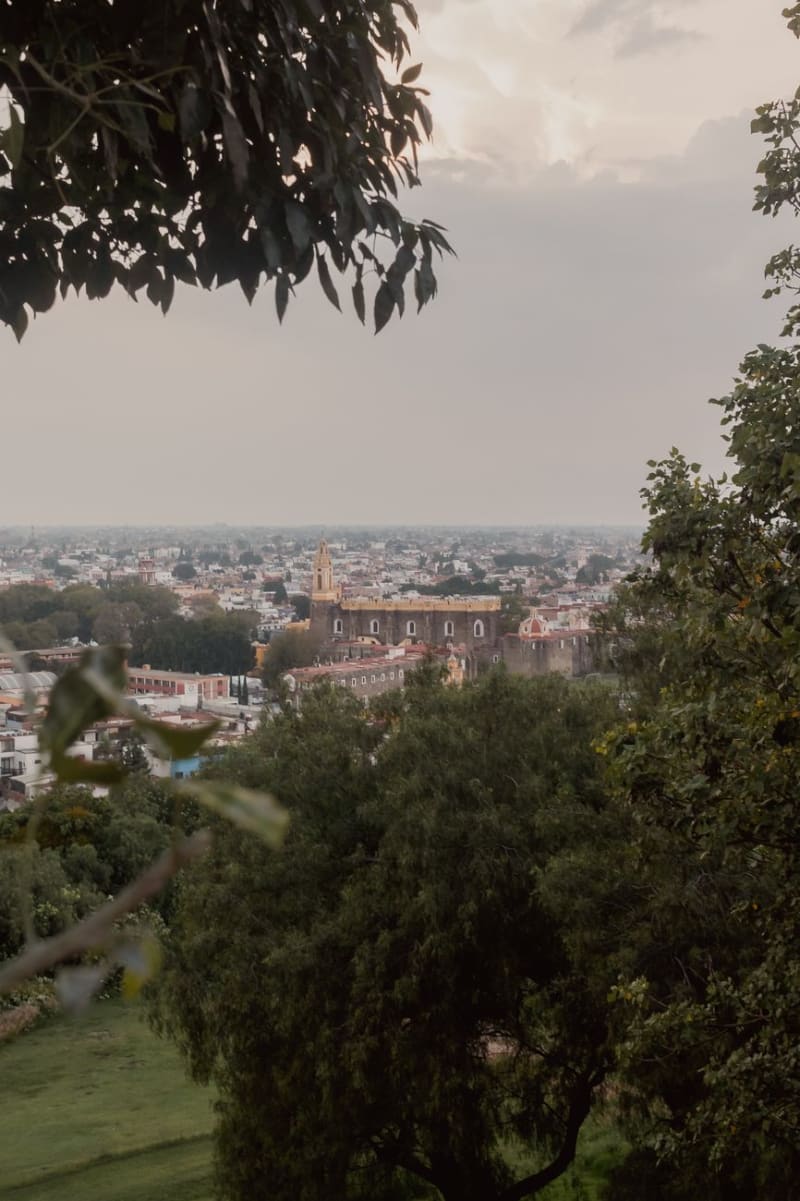
 San Luis Potosí City
The opulent colonial capital once ranked third richest in New Spain, and the inheritance is still visible in its opera house, churrigueresque temple façades, and the enchiladas potosinas — a local invention that puts the chile in the masa rather than the sauce.
Explore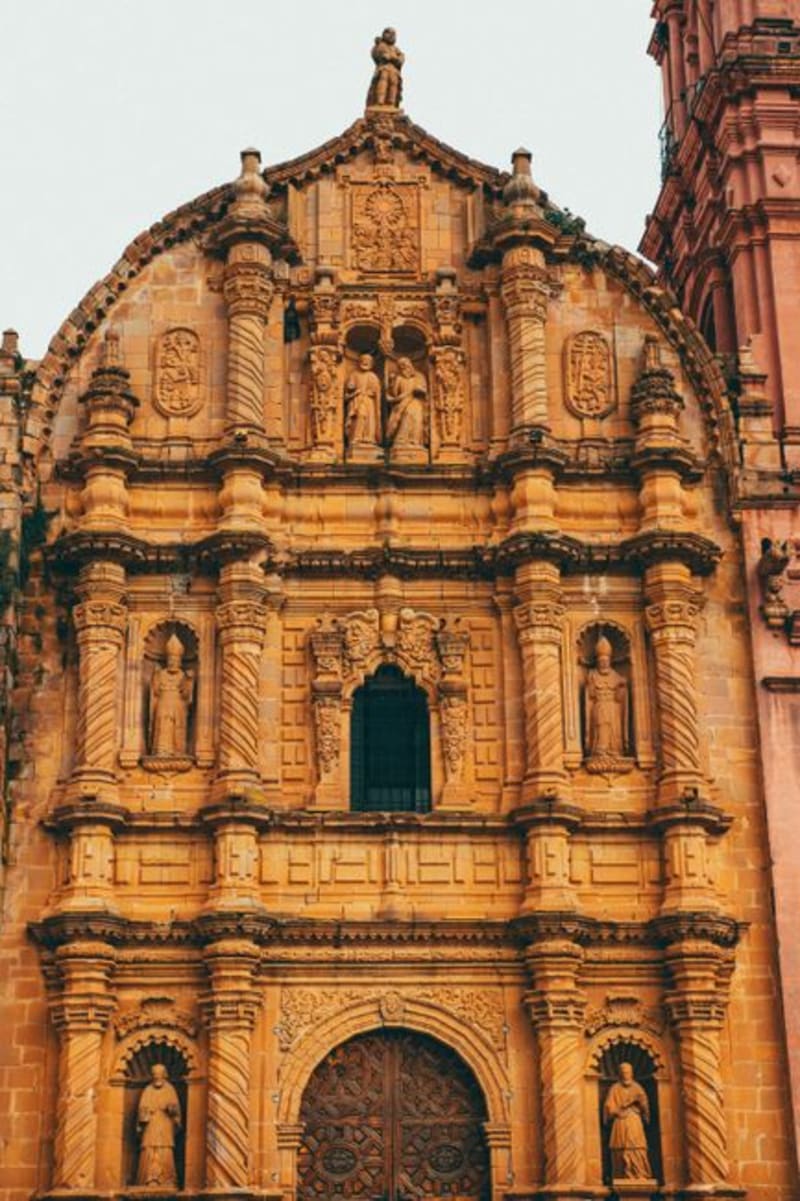 mexico
 Charcas
A colonial silver-mining town sitting quietly on the San Luis Potosí altiplano, Charcas has a baroque parish church of startling ambition and stone streets that feel genuinely untouched — not curated-untouched, just forgotten. The altitude keeps the air cool and the crowds nonexistent.
Explore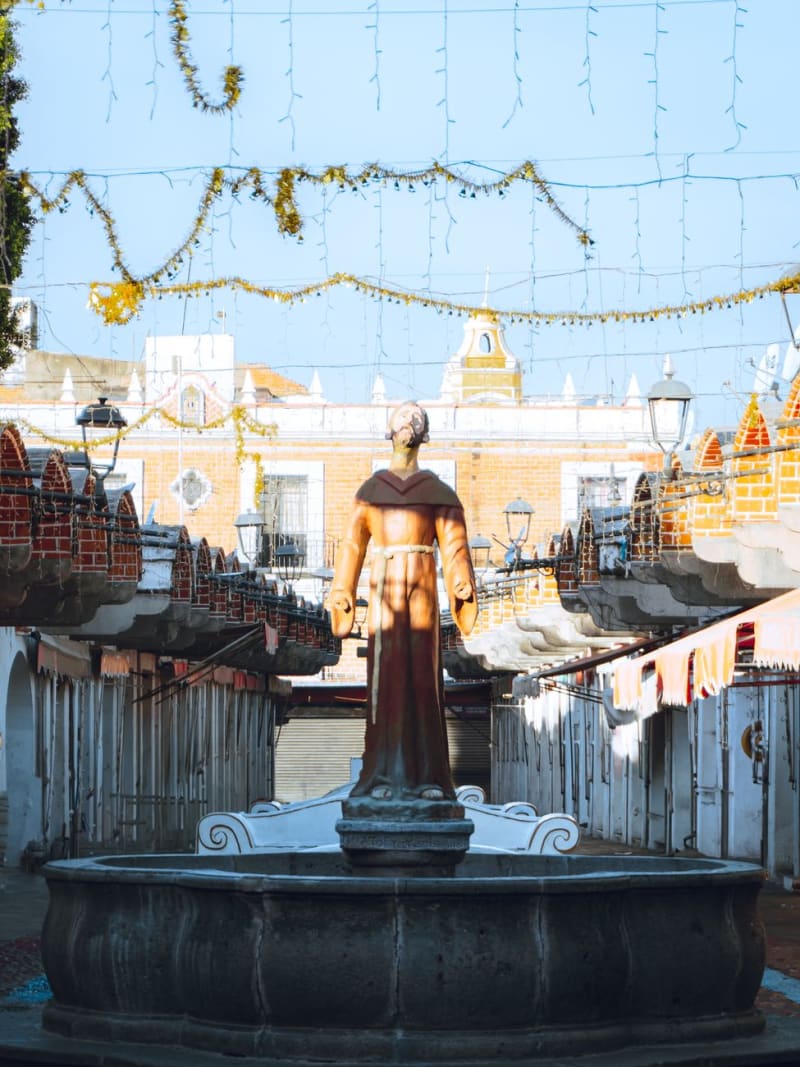 mexico
 Villa de Reyes
Villa de Reyes is in the transition zone between the San Luis Potosí altiplano and the Bajío, a geography visible in the vegetation shifting from desert scrub to subtropical dry forest within a few kilometers of each other. The municipio contains some of the most intact colonial haciendas in the region, and the current owner of one of them gave me an unannounced tour that lasted two hours and covered the agave economy, the Cristero War, and a water management system built in the eighteenth century that still works.
Explore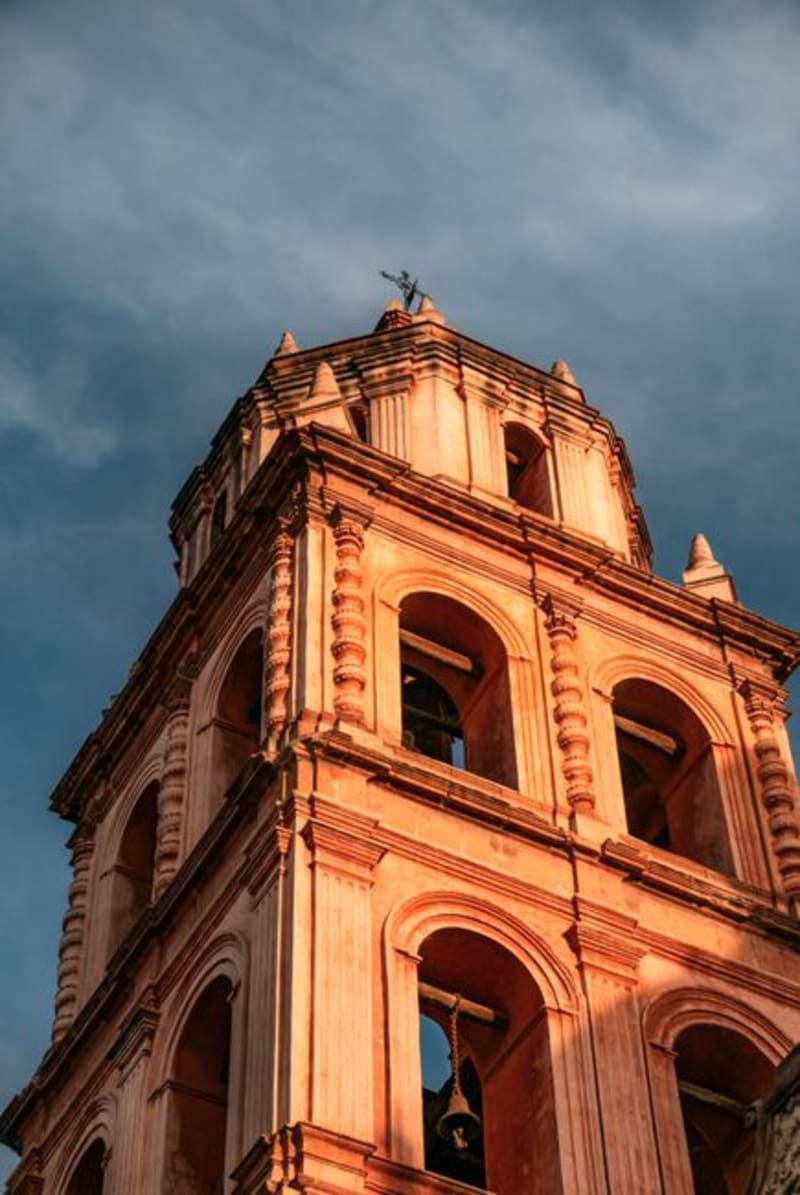 mexico
 Armadillo de los Infante
A Pueblo Mágico perched in the hills southeast of San Luis Potosí city, where a 17th-century parish church lords over a plaza that has not learned to hurry. The name alone is enough to pull you off the highway — what you find when you arrive is that the town has somehow avoided becoming a version of itself for visitors.
Explore mexico
 Santa María del Río
Santa María del Río is a colonial town an hour south of San Luis Potosí City famous for a specific thing: the finest rebozos in Mexico. The silk and cotton shawls made here use a weave technique and fringe-knotting method that specialists can identify at a glance. Family workshops operate on the main streets. I bought a silk rebozo for Lia from an 1880s loom, and she wore it the same day.
Explore mexico
 Real de Catorce
Real de Catorce is a near-abandoned silver-mining town in the high desert of San Luis Potosí, reached through a mile-long one-lane tunnel carved into the mountain. The Wixáritari have made the surrounding Wirikuta desert their most sacred peyote pilgrimage ground for centuries; the town holds its own quieter devotion among the ruins of silver-boom mansions and a colonial church that still draws thousands of pilgrims each year.
Explore