Cerritos
"A town this photogenic and this unvisited starts to feel like cheating — I keep it deliberately vague when people ask where I have been."
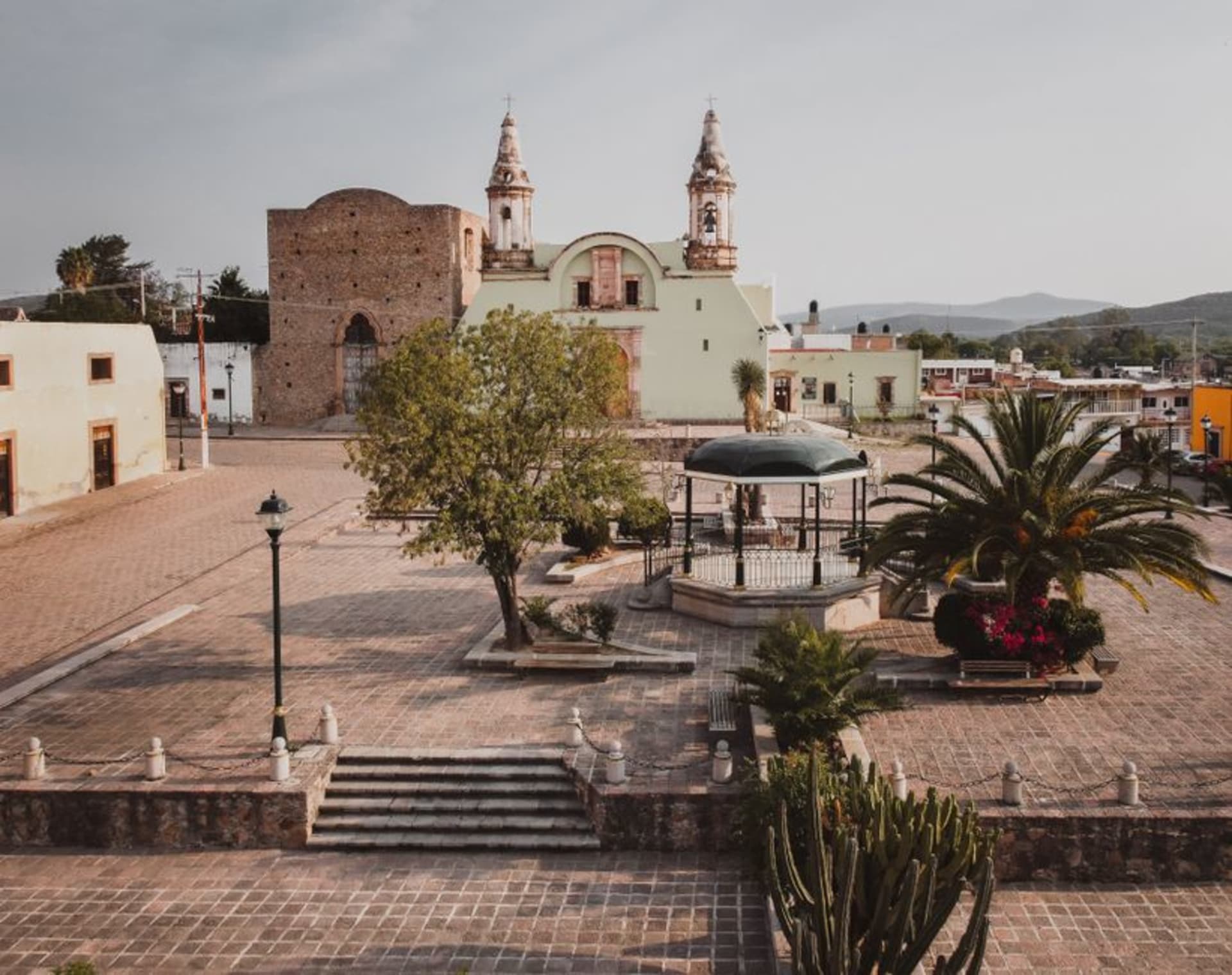
A small colonial town on the San Luis Potosí altiplano whose outsized cathedral and well-kept central plaza make a compelling case for turning off the highway. Cerritos sits naturally between the state capital and the mining towns of Zacatecas — a useful geography that northbound travelers somehow overlook.

I stopped in Cerritos because I was between places — SLP city behind me, Zacatecas still two hours north — and the sign on the highway suggested the town had something. It did. What I had not anticipated was staying long enough to eat lunch, drink two coffees, and miss the bus I had vaguely planned to take. The town has a particular quality common to smaller colonial settlements on the altiplano: it is well-kept without being self-conscious about it, proud without advertising that pride anywhere tourists might actually look.
The Cathedral That Forgot Its Town’s Size
The Parroquia de Santiago Apóstol is the kind of building that stops a conversation. Its neoclassical facade — twin towers in pale ochre cantera, an ornate portal that someone clearly spent years arguing about — faces the jardín with the confidence of a cathedral in a city ten times Cerritos’ size. I stood in front of it for longer than I care to admit, trying to understand the proportions. The nave inside is high and cool, lit by the particular quality of light that comes through clear glass in early afternoon on the altiplano — very bright and very flat all at once. The retablo behind the main altar is gilded without being gaudy, a distinction that colonial Mexican churches frequently fail to achieve. There are side chapels with votive offerings, a few hand-lettered thank-you notes pinned below saints, and the slow traffic of women in rebozos coming in from the street. The whole thing functions exactly as it was meant to function, which is the best thing you can say about any church.

What the Jardín Offers at Midday
The central plaza in Cerritos is small enough that you can see across it clearly, which means the café terraces on the south side have a direct sightline to the cathedral facade — an arrangement that the coffee-drinkers there seem entirely accustomed to. I ate at a family comedor on Calle Allende, one of those places with a handwritten menu on the wall and a woman who checked in twice to make sure the caldo tlalpeño was to my liking. It was. The soup arrived with a chipotle floating in the broth, half an avocado on the side, and a stack of fresh corn tortillas that I worked through methodically. By two o’clock the plaza had filled with schoolchildren and their grandmothers; by three it had emptied again. The rhythm of a town like this is not difficult to read once you sit still long enough to watch it.
What I Would Do Again
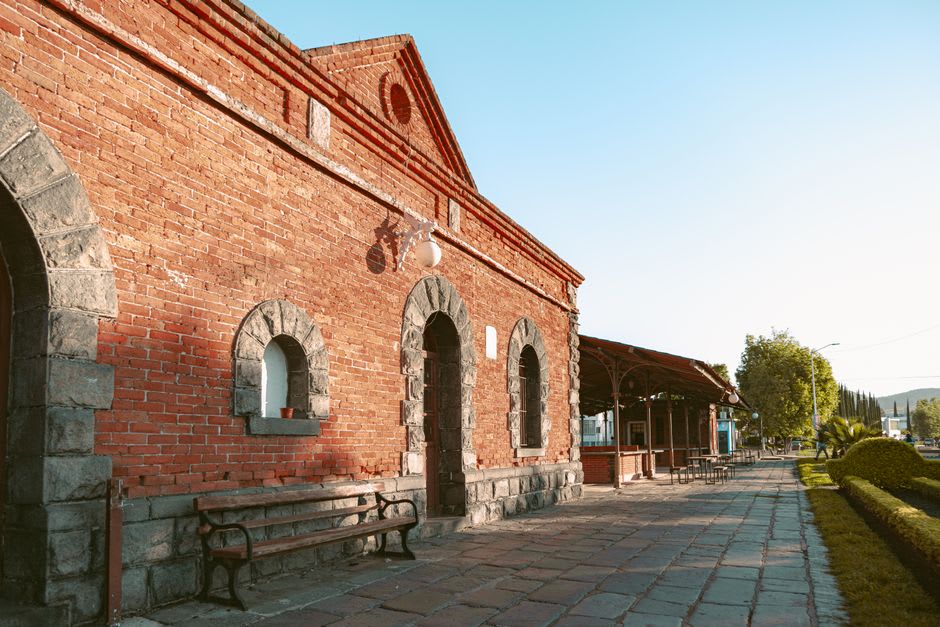
On a return visit I would arrive earlier — by nine in the morning the light on the cathedral towers is extraordinary, and the market near the bus station has the kind of produce stalls that only exist when there is nowhere else to buy produce within forty kilometers. There is a viewpoint on the hill above town, a short walk up a cobbled street that climbs past houses with bougainvillea overhanging the walls. From there, Cerritos looks like exactly what it is: a small, intact colonial town on a high, open plain, the cathedral just slightly too large for everything around it. That proportion, I eventually decided, is the whole point.
Getting There
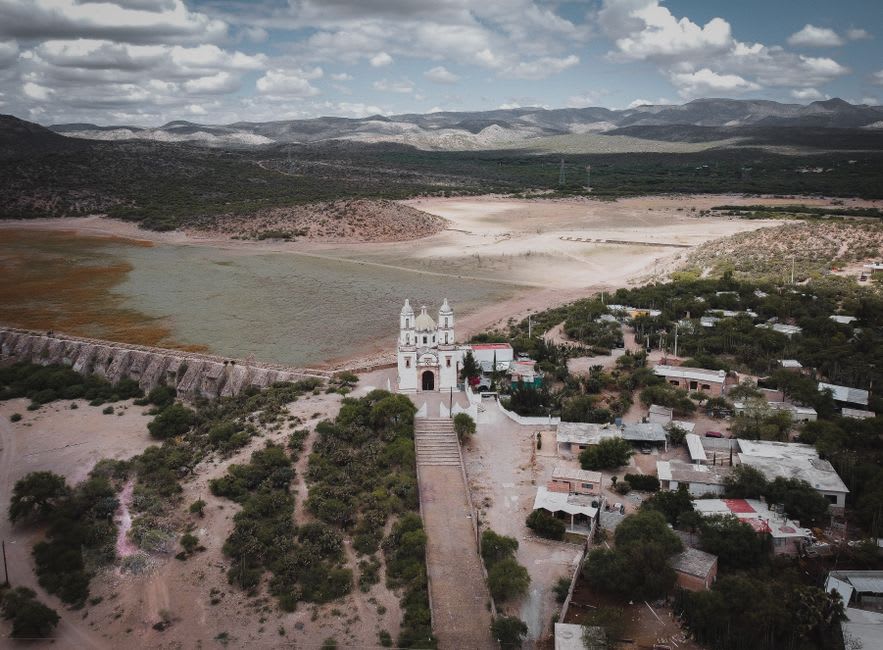
Cerritos sits on Federal Highway 49, roughly 120 kilometers north of San Luis Potosí city and 100 kilometers southeast of Zacatecas. Direct second-class buses run from SLP’s Central Camionera Norte; journey time is around ninety minutes. There is no reason to rent a car. Most visitors come through on a loop between the two state capitals — the town rewards an early-afternoon stop and punishes anyone in a hurry to leave.
Keep exploring
More of San Luis Potosí
Keep exploring
More from San Luis Potosí
 mexico
 Armadillo de los Infante
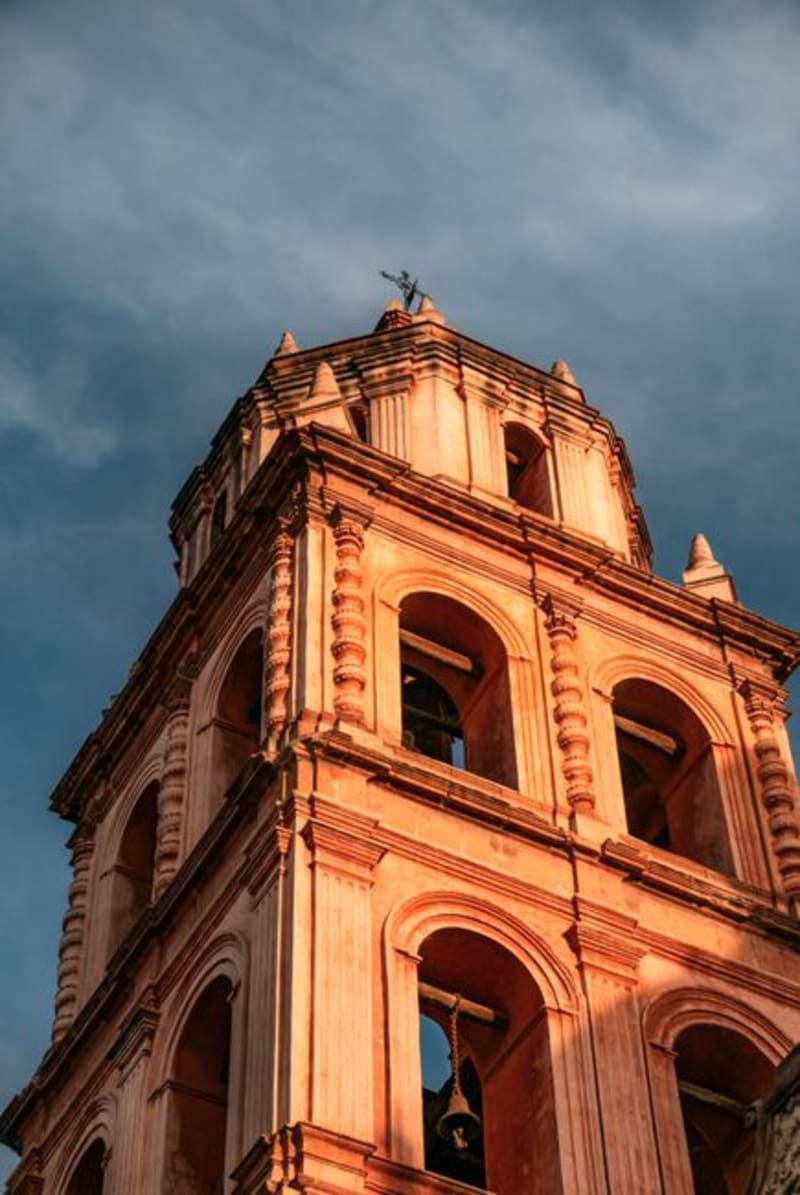
A Pueblo Mágico perched in the hills southeast of San Luis Potosí city, where a 17th-century parish church lords over a plaza that has not learned to hurry. The name alone is enough to pull you off the highway — what you find when you arrive is that the town has somehow avoided becoming a version of itself for visitors.
Explore mexico
 Guadalcázar
Guadalcázar sits in the Potosino altiplano with the unhurried air of a town that made peace with being overlooked centuries ago. The ex-convent of San Miguel anchors a colonial center that sees almost no foreign visitors, despite the surrounding desert sitting atop one of Mexico's most significant amethyst deposits. In the late afternoon, when the hills go violet and the light does something specific, the geology starts to explain everything.
Explore mexico
 Guadalcázar
A colonial silver-mining town in the semi-arid highlands of San Luis Potosí, Guadalcázar sits quietly beside one of Mexico's most improbable natural wonders — the Media Luna, a spring-fed lagoon of crystalline water that rises inexplicably from the desert floor. The 17th-century church faces a handsome plaza, and the whole place moves at a pace that feels borrowed from another era.
Explore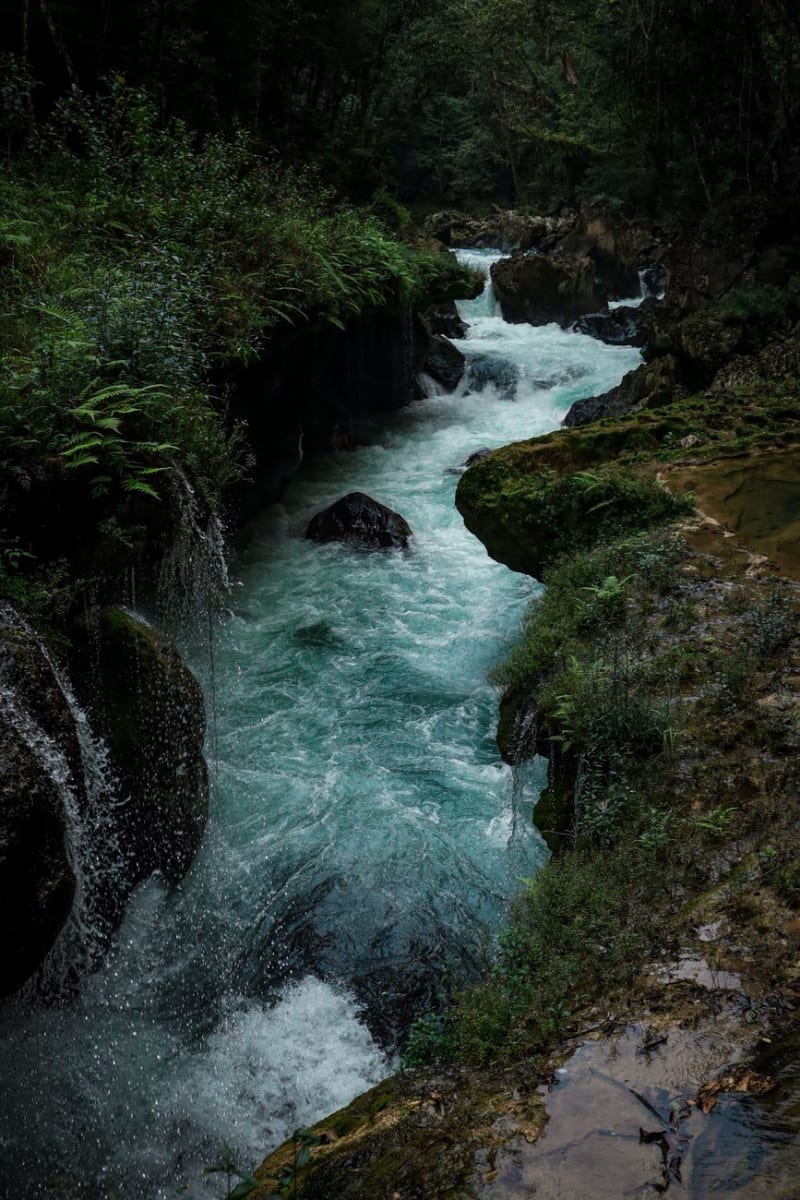 mexico
 Rioverde / Media Luna
Rioverde is a small city in the arid media luna region of San Luis Potosí, gateway to a natural spring lagoon of extraordinary clarity: the Laguna Media Luna, fed by thermal springs at a constant 28 degrees year-round, visibility up to 20 meters. I arrived expecting a swimming hole and found something that took my breath away. I stayed until the light failed.
Explore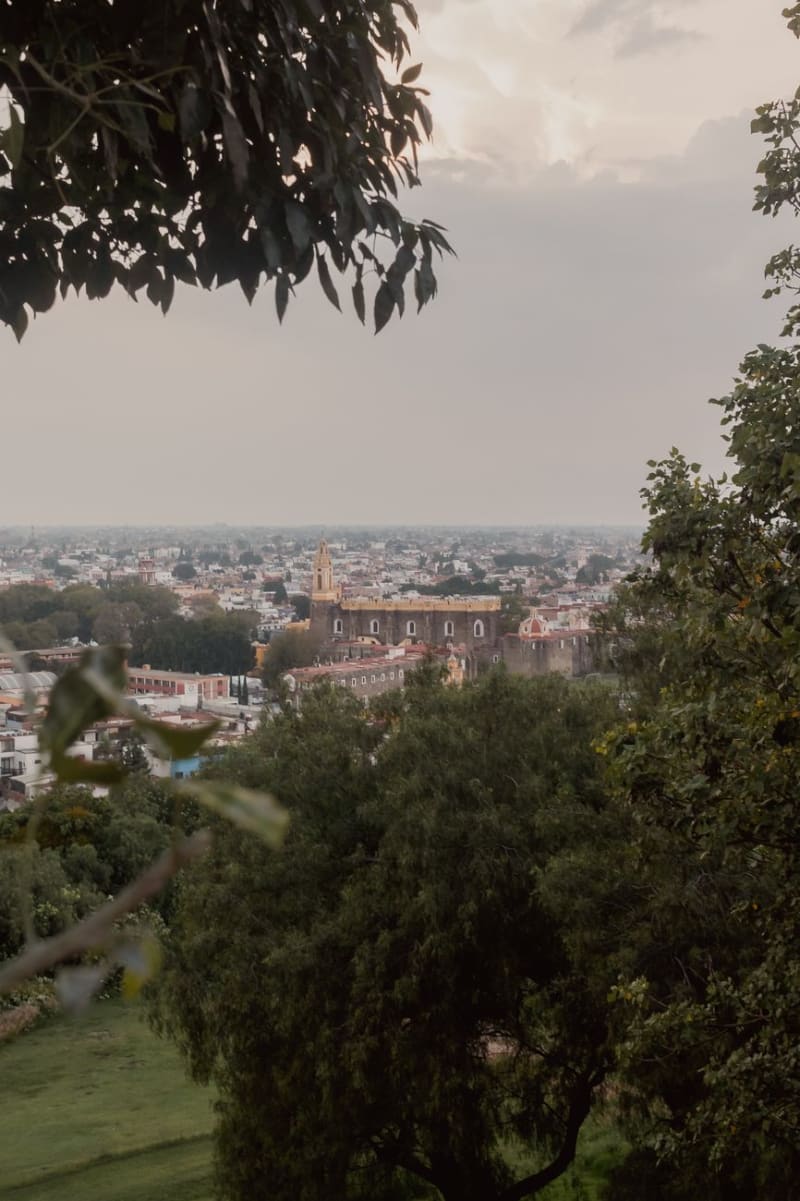 mexico
 San Luis Potosí City
The opulent colonial capital once ranked third richest in New Spain, and the inheritance is still visible in its opera house, churrigueresque temple façades, and the enchiladas potosinas — a local invention that puts the chile in the masa rather than the sauce.
Explore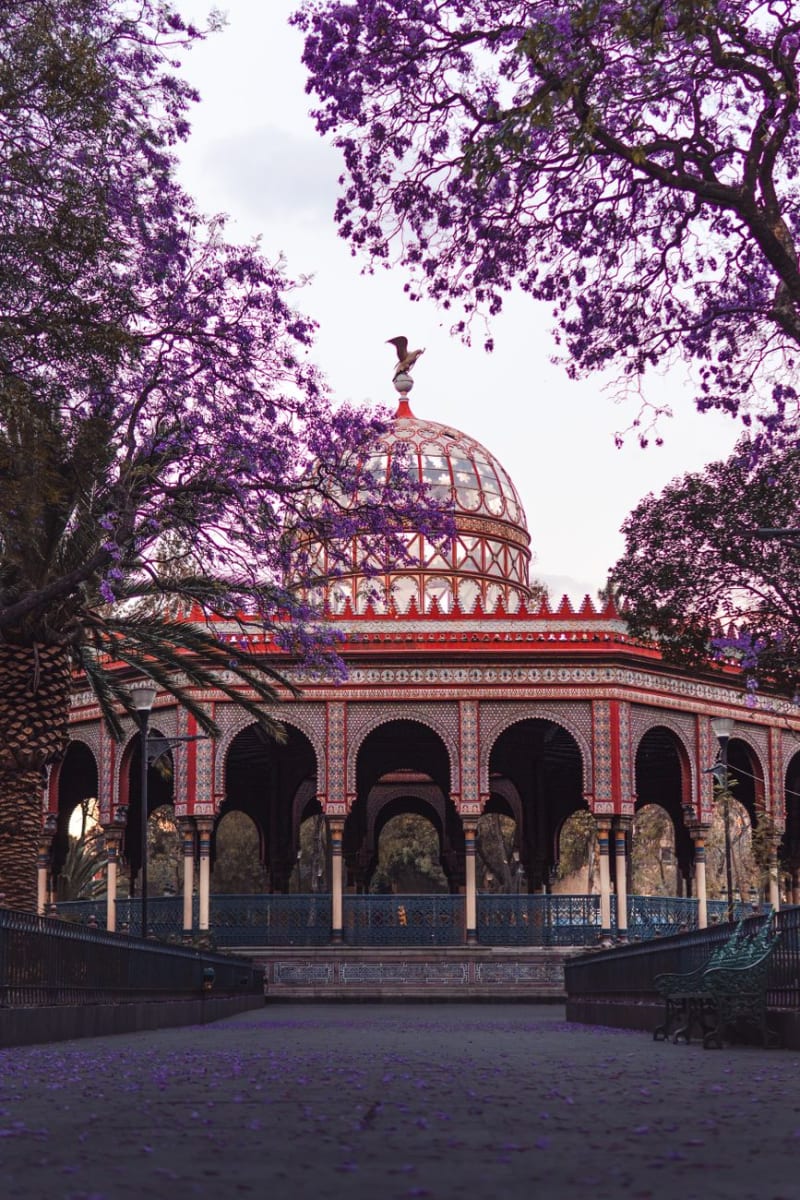 mexico
 Santa María del Río
Santa María del Río is a colonial town an hour south of San Luis Potosí City famous for a specific thing: the finest rebozos in Mexico. The silk and cotton shawls made here use a weave technique and fringe-knotting method that specialists can identify at a glance. Family workshops operate on the main streets. I bought a silk rebozo for Lia from an 1880s loom, and she wore it the same day.
Explore