Acapulco
"The diver finds the wave with his eyes from forty meters up. He times it. He has two seconds from the moment he jumps until the water rises to receive him. He has been doing this since he was sixteen."
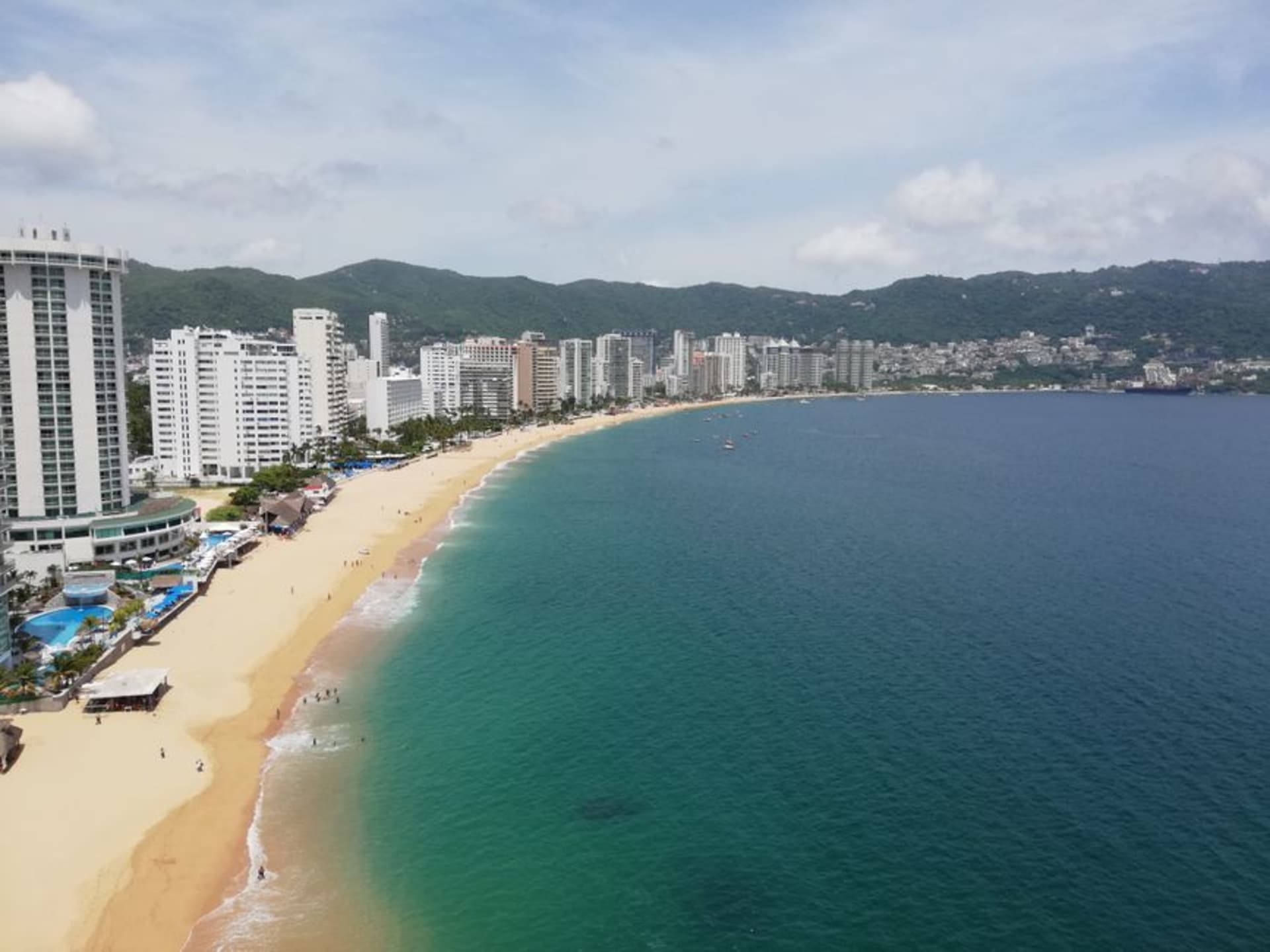
The original Mexican resort — a horseshoe bay backed by green mountains where the cliff divers of La Quebrada have been launching themselves into a narrow Pacific inlet since 1934, and the city that invented the Mexican beach vacation.

Acapulco is a city that exists at multiple historical distances simultaneously. There is the Acapulco of the 1950s and 60s golden age — Frank Sinatra, John Wayne, Brigitte Bardot in the hillside villas, the first Mexican destination where the international jet set came and made the idea of the Mexican beach vacation legible to the rest of the world. There is the Acapulco of the subsequent decades, when the city expanded along the bay in a long curve of resort hotels and the golden age calcified into a brand that the newer resorts of Cancún and Los Cabos eventually displaced. And there is contemporary Acapulco — a city that has carried serious security challenges in its less touristic areas while maintaining, in the tourist zones along the bay, the essential spectacle that made it famous.
The cliff divers of La Quebrada have been there through all of it.
La Quebrada
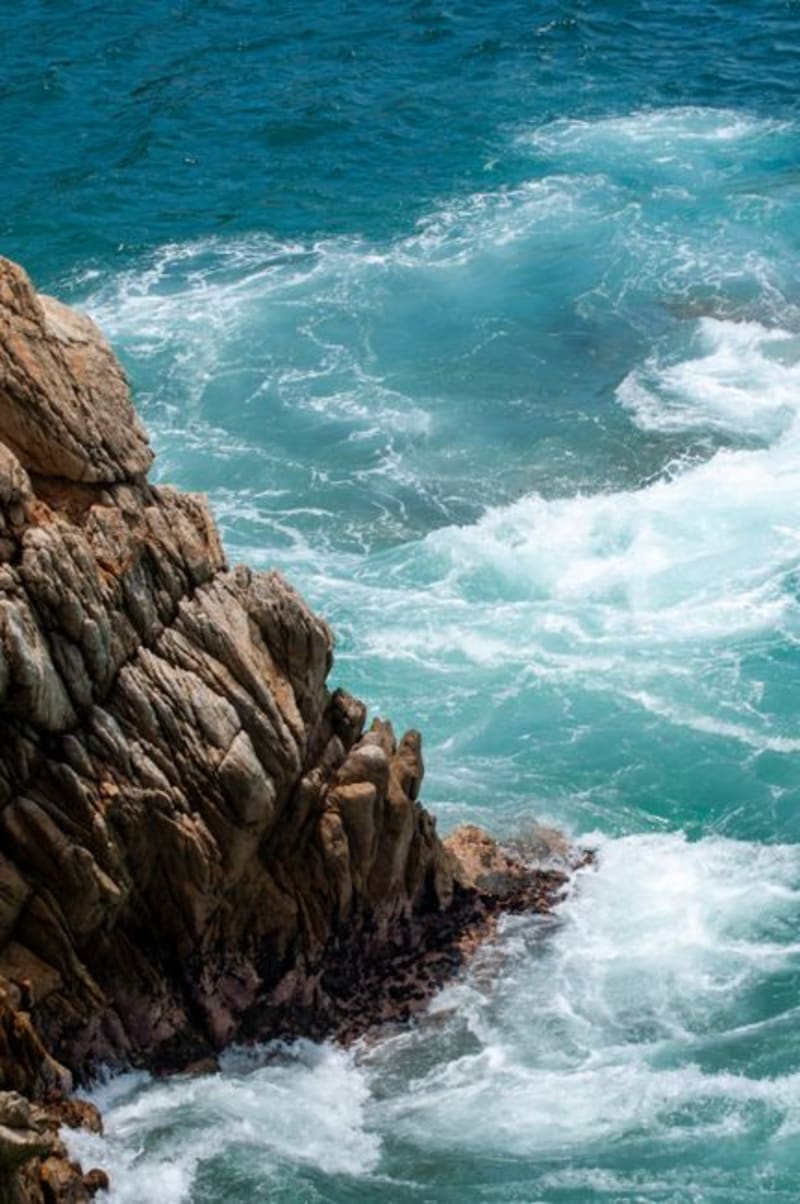
The clavadistas of La Quebrada have been diving from the cliffs above a narrow Pacific inlet since 1934, when a group of young men from the surrounding hills discovered that the wave pattern in the channel created a brief window — approximately two seconds — when the water was deep enough to survive the forty-meter fall. The clavadistas have dived from those same cliffs, in front of audiences gathered on the surrounding terraces, every day since.
The dive requires reading the Pacific swell from the top of the cliff, timing the jump to arrive at water level at the precise moment when the incoming wave has filled the channel to its maximum depth, and entering the water cleanly in a trajectory that misses the rocks on both sides of the narrow inlet. The dive takes two seconds from launch to water entry. The professional clavadistas begin training in their early teens and some continue performing into their fifties.
The 5pm and nighttime dives (with torches) are performed from the highest point of the cliff face and are the most dramatic. The Hotel El Mirador on the cliff overlooks the dive site; non-guests can pay a cover to use the terrace during the performances, which I recommend over the public viewing platform across the inlet.

The Zócalo and the Old City
Acapulco’s downtown — the zócalo and the streets around the historic fort — has the particular energy of a Mexican port city that predates tourism: the cathedral (a 1930s building with Byzantine domes that replaced the original colonial church), the Fuerte de San Diego (a 17th-century Spanish fort that now houses a colonial history museum with an excellent pre-Columbian and trade route collection), and the working port where the fishing fleet and the container ships operate alongside each other.
The Mercado Central near the zócalo has the seafood section that matters: the Acapulco catch includes the Pacific jack, sierra, and dorado that supply the restaurants along the Costera. The fish tacos at the market stalls are the corrective for anyone who has only eaten fish tacos in northern Mexico and believes they understand the form.
Pozole — the hominy soup that the Nahua people of the Guerrero region have been making for millennia — is Acapulco’s defining food. The Guerrero-style pozole is rojo (red chile broth), dense with pork, and served with a full table of garnishes: shredded cabbage, dried oregano, lime, radishes, dried chile. El Amigo Miguel on Calle Juárez near the zócalo serves it in the format it deserves: a large clay bowl, the table of tostadas alongside, and the context of a restaurant that has been doing this since 1960.
Pie de la Cuesta and the Lagoon
Seven kilometers north of the city, Pie de la Cuesta is a narrow sand bar between the Pacific and the Laguna de Coyuca — a freshwater lagoon with mangroves, migratory birds, and fishing communities. The Pacific side of the beach is too rough for swimming but produces sunsets over the ocean that the Costera hotels, facing the bay, cannot see. The lagoon side is calm, navigable by kayak, and home to species of birds that don’t appear in the bay.
The Club de Playa Tres Marías on the lagoon side rents boats and kayaks and serves fresh fish from the lagoon — the mojarra (tilapia) preparations here, in the palapa restaurant over the water, are the best reason to go beyond the city.

Getting there: Direct flights from Mexico City (50 minutes) and Guadalajara. Luxury buses (ETN, Costa Line) from CDMX Terminal Sur (5h). The airport is 26 kilometers from the city center; taxis have fixed zone rates displayed at the exits.
When to go: November through April for dry season and moderate temperatures. The bay itself is swimmable year-round. Acapulco in July-August — the Mexican summer holiday peak — is at its most animated but most crowded. Check current travel advisories before visiting; tourist zones along the Costera have maintained security through a challenging period for the broader city.
Keep exploring
More of Guerrero
Keep exploring
More from Guerrero
 mexico
 Isla La Roqueta
La Roqueta is the small island visible from every beach in Acapulco that most tourists never actually cross to, which works out well for those who do. The ocean-facing side has calm, clear water and a submerged Virgin de Guadalupe statue that local divers treat as a quiet underwater pilgrimage site. A forty-peso boat ticket from Playa Caleta buys twelve minutes of transit and an afternoon that feels entirely elsewhere.
Explore mexico
 Pie de la Cuesta
A narrow strip of land ten kilometers northwest of Acapulco, caught between the Pacific surf and the vast Laguna Coyuca — a freshwater lagoon with boat tours, pelicans, and a fishing village atmosphere that feels entirely separate from the resort city nearby.
Explore mexico
 Barra Vieja
Barra Vieja is a long strip of palapa restaurants strung between Laguna de Tres Palos and the Pacific, thirty-five kilometers east of Acapulco, where fish arrives by boat before the kitchens open and the chairs face the water as a matter of principle.
Explore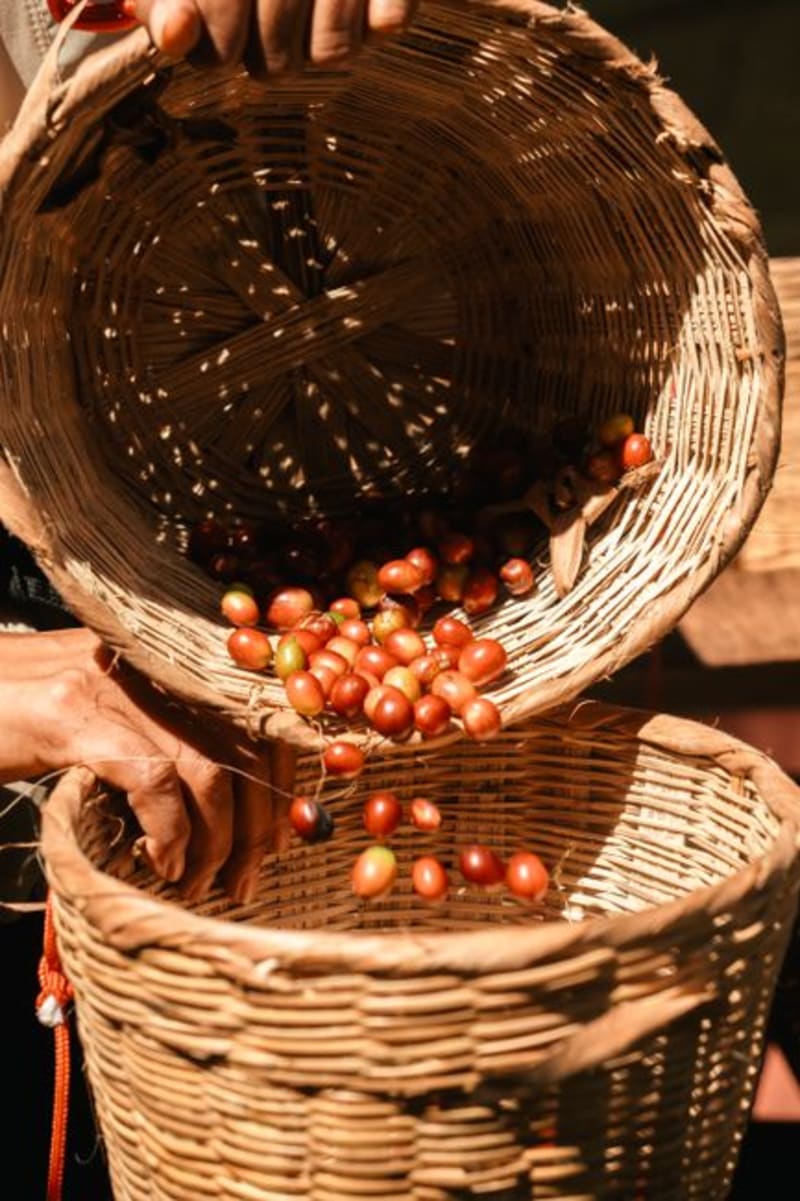 mexico
 Atoyac de Álvarez
Tucked into the Sierra Madre del Sur above Guerrero's Costa Grande, Atoyac is Mexico's coffee country at its most unvarnished — arabica farms climbing steep slopes, a cooperative born from political struggle, and a town that carries its complicated history with unusual candor.
Explore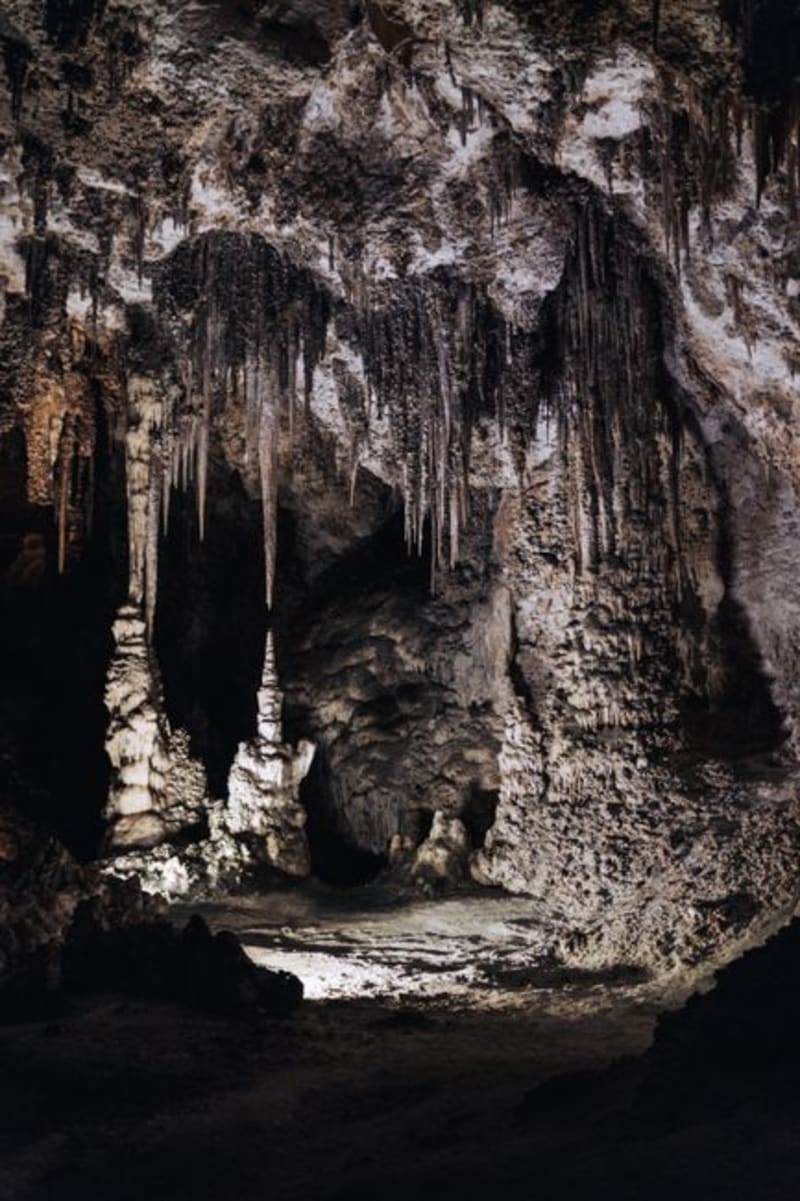 mexico
 Grutas de Juxtlahuaca
Three kilometers inside a mountain near the small town of Colotlipa, someone painted figures in red, yellow, and black roughly three thousand years ago — and they are still there. Juxtlahuaca is one of the longest cave systems in Mexico and one of the oldest known art sites in Mesoamerica, a place that takes about three hours to walk through and considerably longer to process.
Explore mexico
 Copala
Perched in the Sierra Madre above Guerrero's coast, Copala is a near-intact colonial mining village where cobblestone lanes wind between low whitewashed houses and the old church still dominates a quiet plaza. Time has been unusually kind here — the surrounding mountains have kept development at bay in a way that feels like luck rather than planning.
Explore