Atoyac de Álvarez
"The cooperative manager showed me the drying terraces and explained that the coffee is part of the recovery — that farming it was an act of staying when so many left."
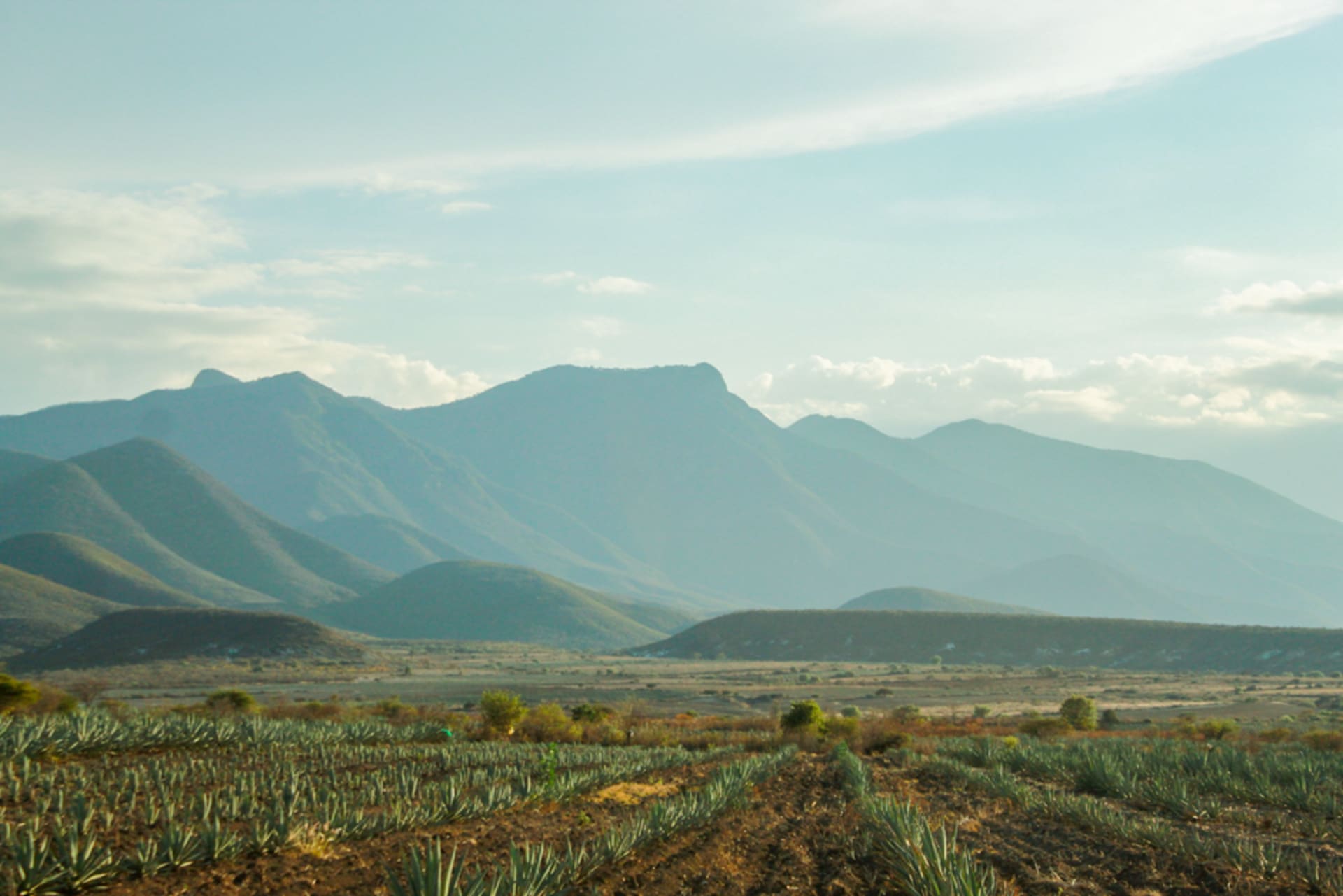
Tucked into the Sierra Madre del Sur above Guerrero's Costa Grande, Atoyac is Mexico's coffee country at its most unvarnished — arabica farms climbing steep slopes, a cooperative born from political struggle, and a town that carries its complicated history with unusual candor.

I came up from Zihuatanejo on a second-class bus that took the coastal highway before cutting inland, and the moment the road started climbing into the sierra I understood why people describe Atoyac in almost reverent terms. The air changed within twenty minutes — cooler, damper, carrying something green and mineral. By the time I stepped off at the central plaza, I was inside a landscape that felt nothing like the coast I’d left behind. The town felt awake without being loud, and the smell of roasting coffee drifted across the zócalo before I’d even found a place to leave my bag.
Coffee from the Mountain and What It Carries
The cooperative, Cepco-affiliated producers working under the Atoyac banner, grows its arabica under a canopy of shade trees on slopes between roughly 800 and 1,400 metres. I arranged a visit through a contact at the plaza — no formal tour infrastructure, just a phone number and a meeting time at seven in the morning. The manager, a quiet man named Enrique, walked me through the beneficio wet-processing station and onto the concrete drying terraces where washed parchment coffee was spread thin in the early sun. He talked about the years when the region emptied out, when farming here felt like stubbornness more than a livelihood, and how the cooperative gave people a reason to come back. The coffee itself — I bought a kilo of their medium-roast before leaving — is earthy and bright in a way that makes most supermarket single-origins feel like a polite lie.

The Town and Its Unguarded History
Atoyac was a stronghold of the guerrilla movement led by Lucio Cabañas in the 1970s, and the town does not hide this. Murals on the market walls reference the era directly. Men in their sixties will bring it up over coffee if you show any genuine curiosity, and the accounts are layered — pride, grief, and a clear-eyed assessment of what was lost. I spent an afternoon at the Mercado Municipal on Calle Independencia, eating a bowl of pozole rojo at a stall near the back entrance and listening to two vendors argue about a local election. The market sells fresh-ground coffee by the bag, dried chiles from the sierra, and the kind of regional queso fresco you cannot find once you descend back to the coast. There is nothing performative about the place.

The Sierra Above Town
If you have an extra day, the road that climbs further into the sierra past the coffee farms reaches small rancherías where the fog sits in the ravines until midmorning. A mototaxi from the plaza can take you up in twenty minutes. The views back toward the coast are intermittently extraordinary, and the silence — relative to anything I knew from Puerto Escondido — is the real attraction. I went up at dusk and came back in the dark, which was either atmospheric or inadvisable, possibly both.

Getting There
From Zihuatanejo, Estrella Blanca and several regional lines run buses along the Costa Grande highway with a turn-off toward Atoyac — roughly two to two-and-a-half hours depending on stops. From Acapulco, the same road in reverse takes about three hours. There is no direct service from Oaxaca; the logical approach is coast-first. Taxis and mototaxis circulate in town.
Keep exploring
More of Guerrero
Keep exploring
More from Guerrero
 mexico
 Pie de la Cuesta
A narrow strip of land ten kilometers northwest of Acapulco, caught between the Pacific surf and the vast Laguna Coyuca — a freshwater lagoon with boat tours, pelicans, and a fishing village atmosphere that feels entirely separate from the resort city nearby.
Explore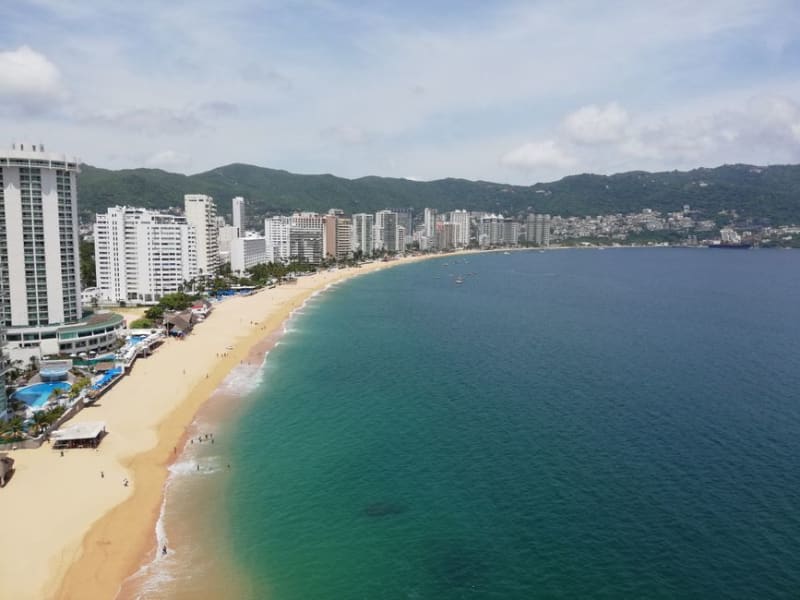 mexico
 Acapulco
The original Mexican resort — a horseshoe bay backed by green mountains where the cliff divers of La Quebrada have been launching themselves into a narrow Pacific inlet since 1934, and the city that invented the Mexican beach vacation.
Explore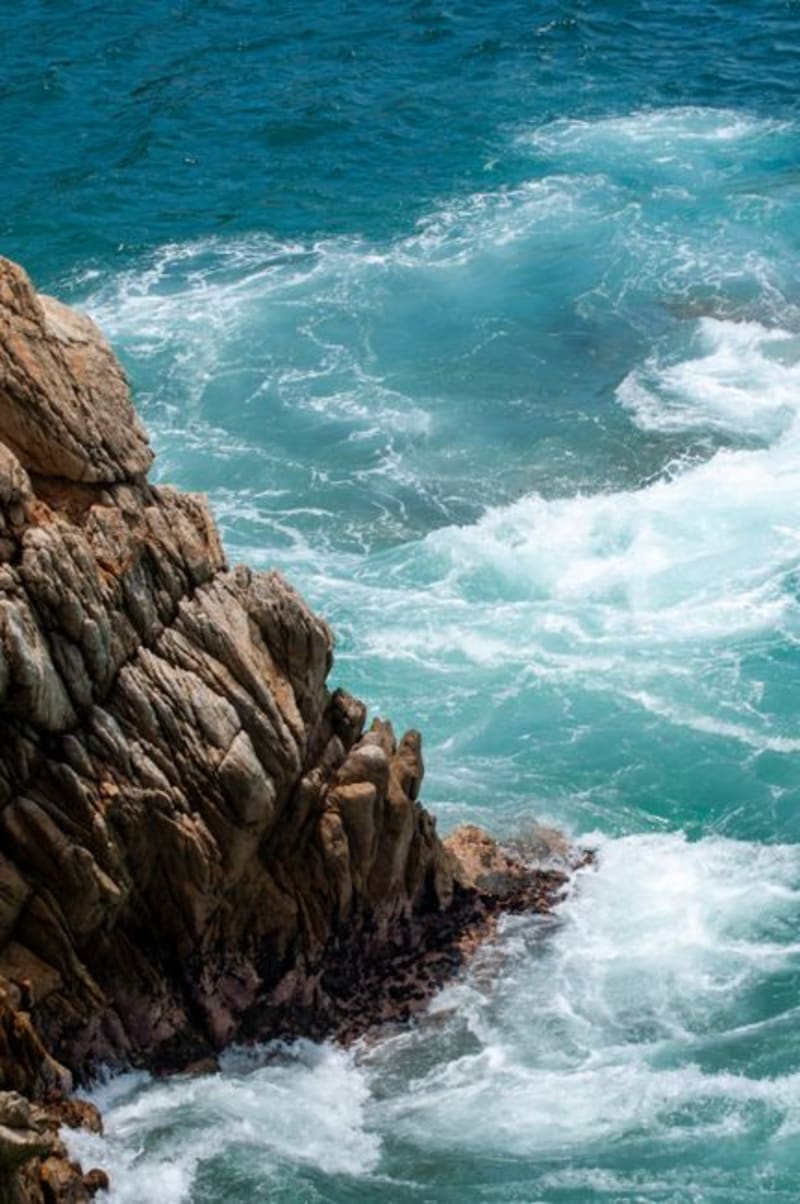 mexico
 Isla La Roqueta
La Roqueta is the small island visible from every beach in Acapulco that most tourists never actually cross to, which works out well for those who do. The ocean-facing side has calm, clear water and a submerged Virgin de Guadalupe statue that local divers treat as a quiet underwater pilgrimage site. A forty-peso boat ticket from Playa Caleta buys twelve minutes of transit and an afternoon that feels entirely elsewhere.
Explore mexico
 Petatlán
Petatlán is a small town on the Costa Grande of Guerrero, not touristed, not particularly visited, with a pilgrimage church whose interior is unlike anything else I have encountered in Mexico. The walls and ceiling of the Santuario de la Virgen de Petatlán are covered from floor to vault with gold ex-votos — small painted tablets left by pilgrims as thanks for miracles — stacked and overlapping in such density that the architecture disappears beneath them. It is an entire interior surface of individual human stories, and I sat in it for an hour.
Explore mexico
 Barra Vieja
Barra Vieja is a long strip of palapa restaurants strung between Laguna de Tres Palos and the Pacific, thirty-five kilometers east of Acapulco, where fish arrives by boat before the kitchens open and the chairs face the water as a matter of principle.
Explore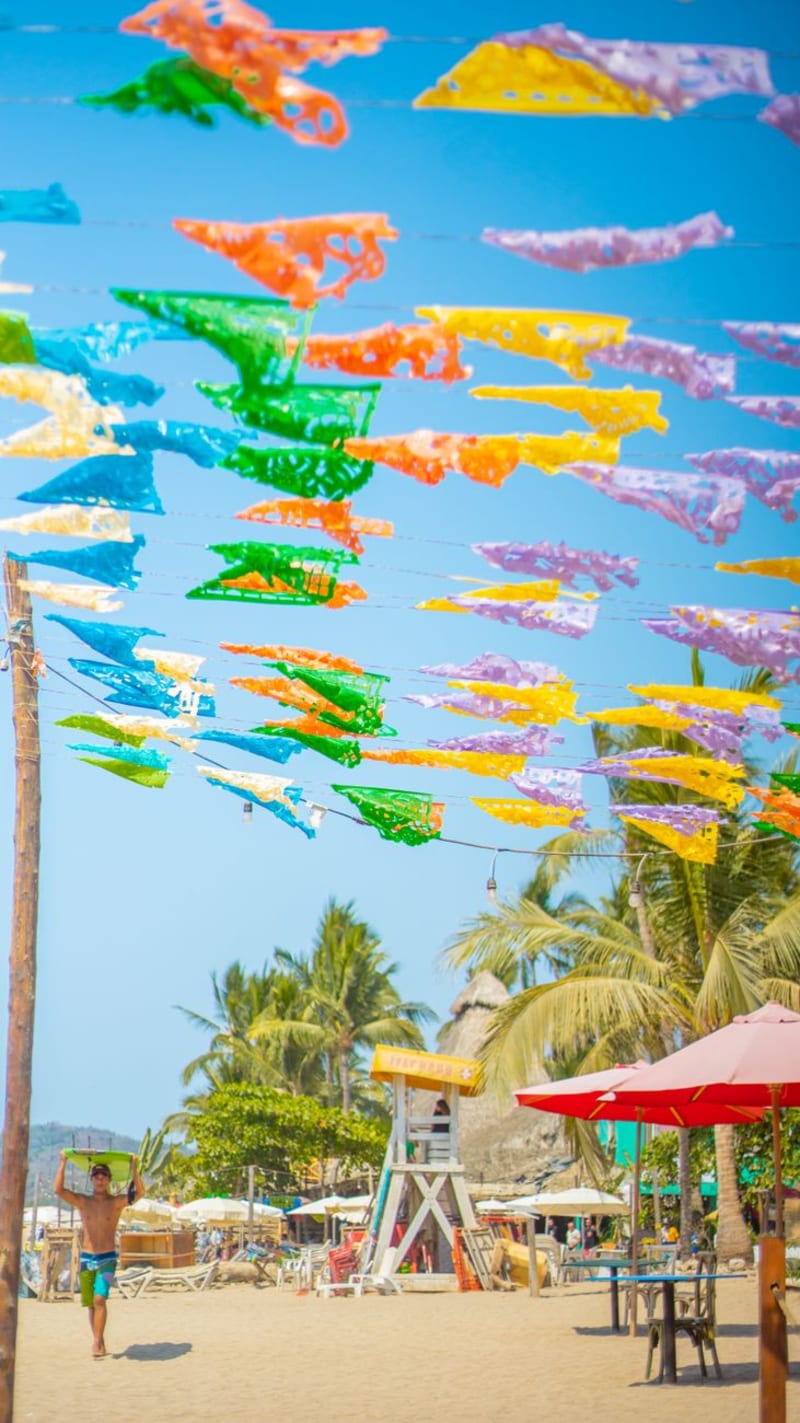 mexico
 Barra de Potosí
Barra de Potosí is a fishing village 45 minutes south of Zihuatanejo where the Río Potosí meets the Pacific, forming a protected estuary lagoon edged with mangroves and full of herons, frigatebirds, and excellent fishing. Olive ridley turtles come to nest on the adjacent beach from June through November. The palapa restaurants serve what the boats brought in that morning and the tourism infrastructure is minimal enough that the place functions as it has for decades. I came expecting a beach and found a lagoon full of birds and a fishing family with a boat.
Explore