Copala
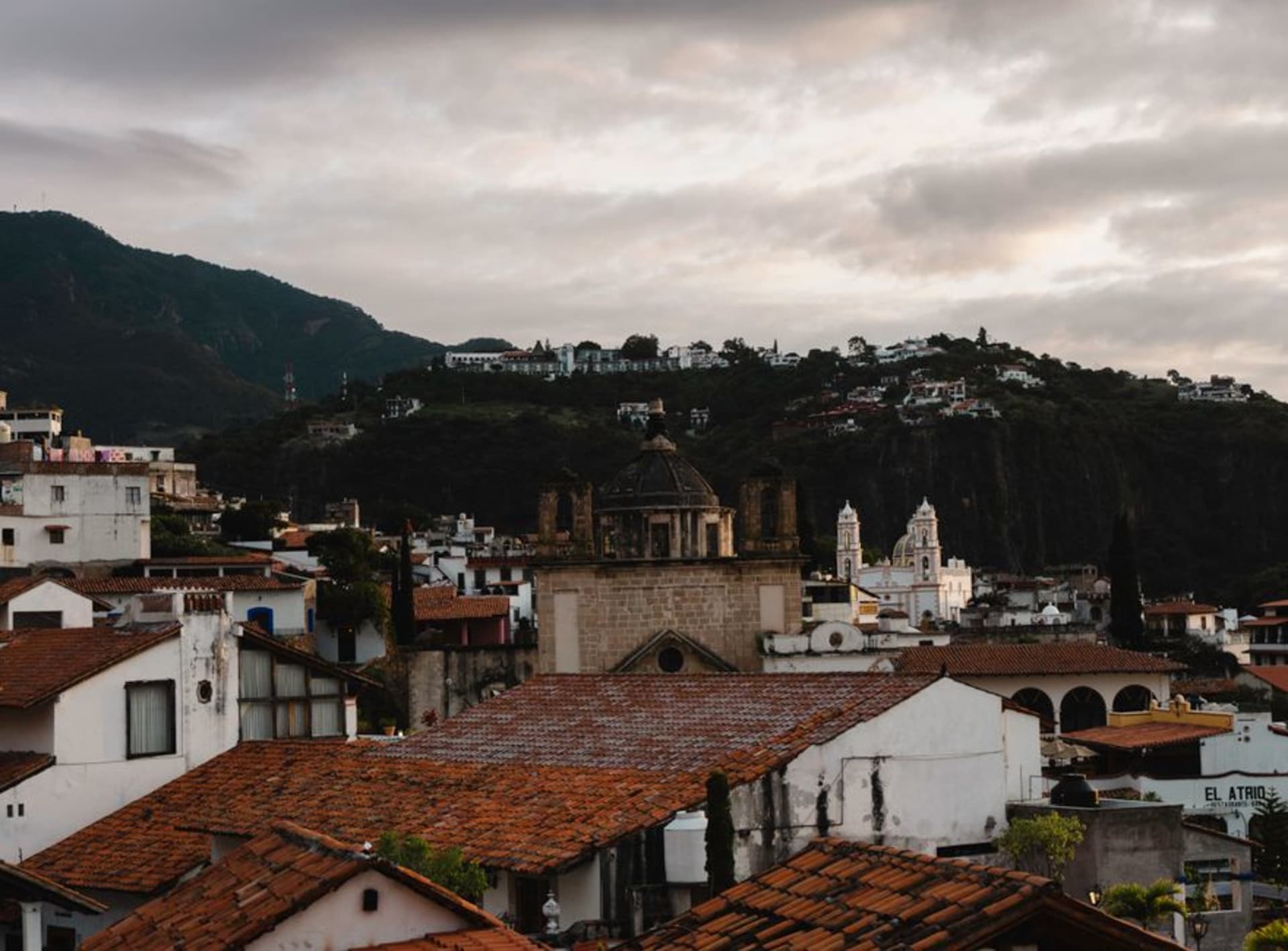
"I arrived in the late afternoon when the church was catching the last light, and for about twenty minutes I had the plaza entirely to myself — which almost never happens in a place this beautiful."
Perched in the Sierra Madre above Guerrero's coast, Copala is a near-intact colonial mining village where cobblestone lanes wind between low whitewashed houses and the old church still dominates a quiet plaza. Time has been unusually kind here — the surrounding mountains have kept development at bay in a way that feels like luck rather than planning.

I arrived in the late afternoon, after a colectivo ride that climbed out of the coastal heat into something cooler and quieter. The driver dropped me at the edge of town and pointed up the cobblestone lane without a word. Within two minutes I was standing in the plaza watching the church catch the last of the light — stone walls going amber, then almost pink — and there was nobody else there. I stayed until the color drained out of the sky. That alone would have been enough.
A Town That Stayed
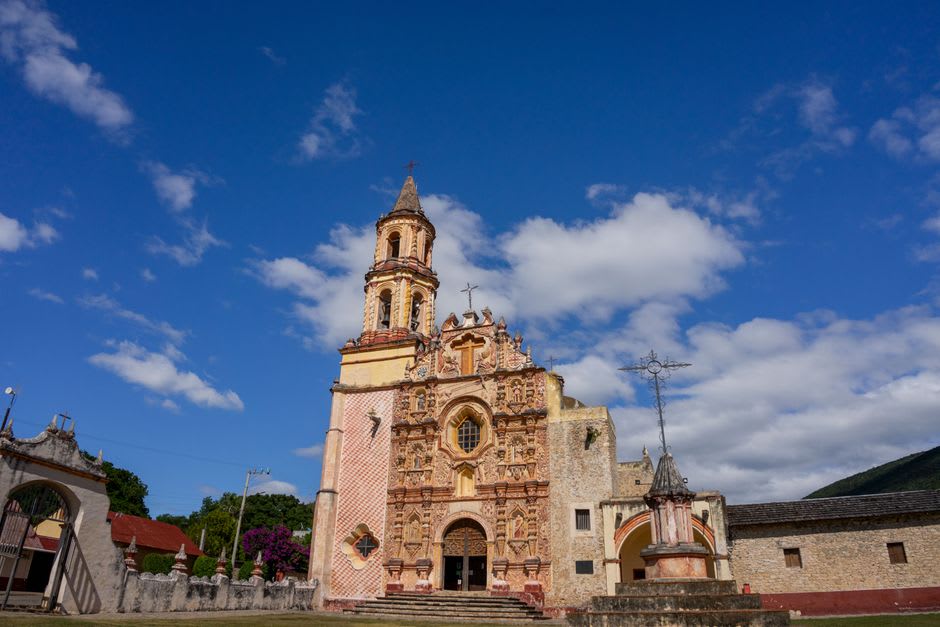
The thing Copala has that most colonial villages in Mexico don’t is a simple fact: the resort strip never came. Zihuatanejo and Acapulco absorbed all of that energy down on the coast, and the Sierra Madre did the rest, making the road slow enough to discourage casual traffic. What that left behind is a village of maybe 600 people living in low whitewashed houses along half a dozen named streets — Calle Morelos, Calle Juárez — with the Templo de San José still the tallest thing for kilometers in any direction. There is a market, small and practical, open in the mornings, where an older woman sold me tamales oaxaqueños out of a pot she carried on her back. I ate them on the church steps while the town went about its Thursday.
The Mining Quiet
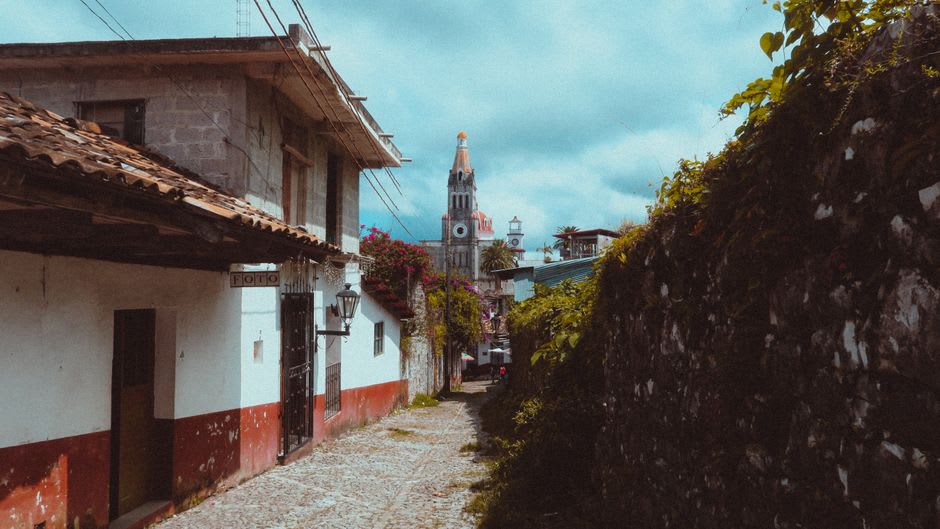
Copala was built on silver, the same story as half the Sierra Madre — Spanish colonial extraction, then slow decline when the veins ran thin. What that history left is a grid that makes no concessions to modernity: streets too narrow for anything wider than a pickup, doorways at odd angles, a general store that doubles as the town’s social center after six in the evening. I sat outside that store for an hour with a Modelo and listened to three men argue about football in the way men argue when they have known each other their entire lives. Nobody paid me particular attention, which felt like its own kind of welcome. The air at this altitude — around 800 meters — has a dryness that the coast never has, and the nights cool down to something a blanket is actually needed for.
What to Eat
The restaurant situation in Copala is modest and entirely honest. There are two or three comedores near the plaza; I ate at the one with the plastic tables pushed closest to the street. Chicken in mole negro, a broth with chochoyotes — masa dumplings — and coffee that came in a clay cup without being asked. Prices that felt like a different decade. The woman running the kitchen came out twice to check whether I wanted more tortillas. I did, both times.
Getting There
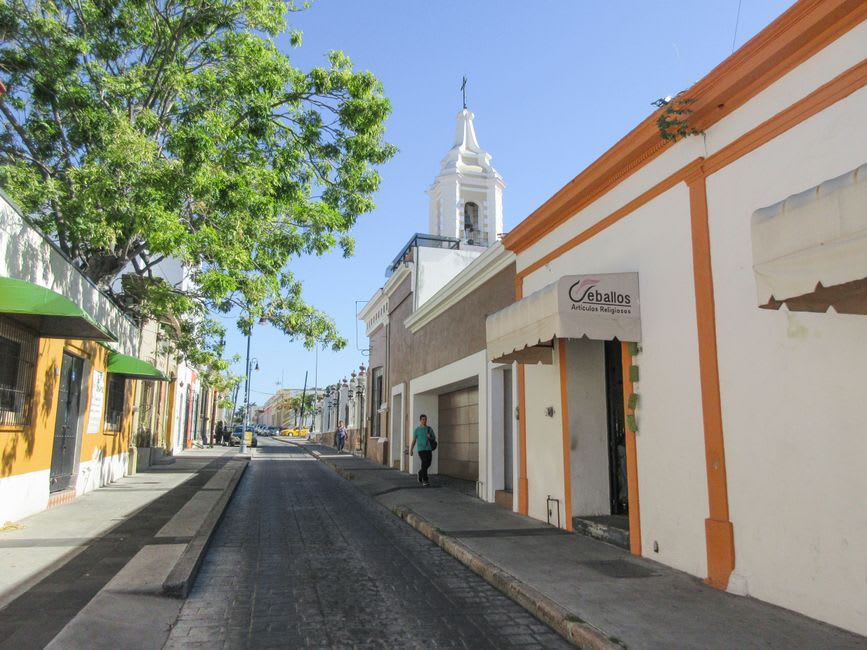
From Zihuatanejo, take a second-class bus or shared colectivo toward Petatlán and ask to be left at the Copala turnoff — the village sits about 20 kilometers up into the sierra from the coastal highway. The road is paved but narrow and climbs steadily. Allow at least an hour from the coast, more if the colectivo stops often.
Keep exploring
More of Guerrero
Keep exploring
More from Guerrero
 mexico
Marquelia
A small municipality on Guerrero's Afromexican coast where the cultural inheritance of enslaved Africans — in music, food, and language — persists with quiet, unperformed clarity. The beaches are raw and largely empty, and the chilate is unlike anything you will find further north.
Explore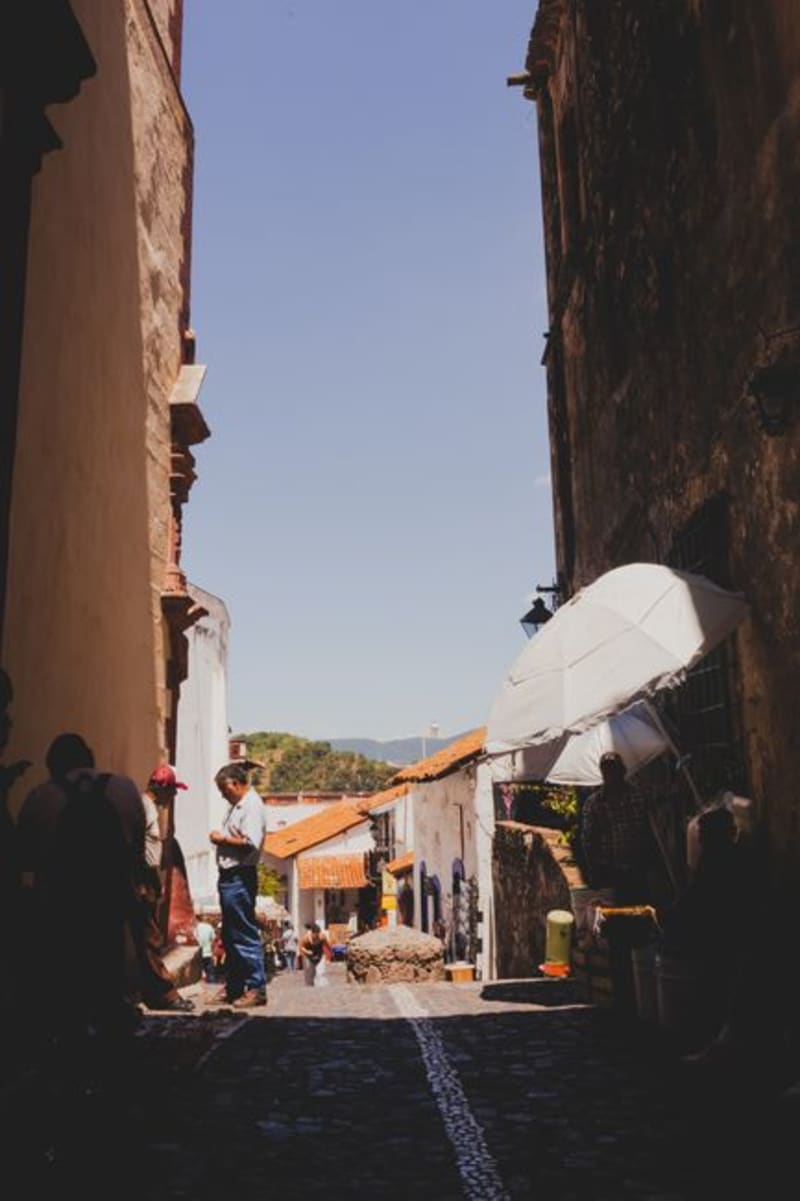 mexico
Cuajinicuilapa
A small town on Guerrero's Costa Chica where one of the only museums in Mexico dedicated entirely to Afro-Mexican heritage sits a short walk from the plaza, largely unvisited. The people here descend from African cimarrones who built autonomous communities on this coast centuries before the Mexican state acknowledged they existed.
Explore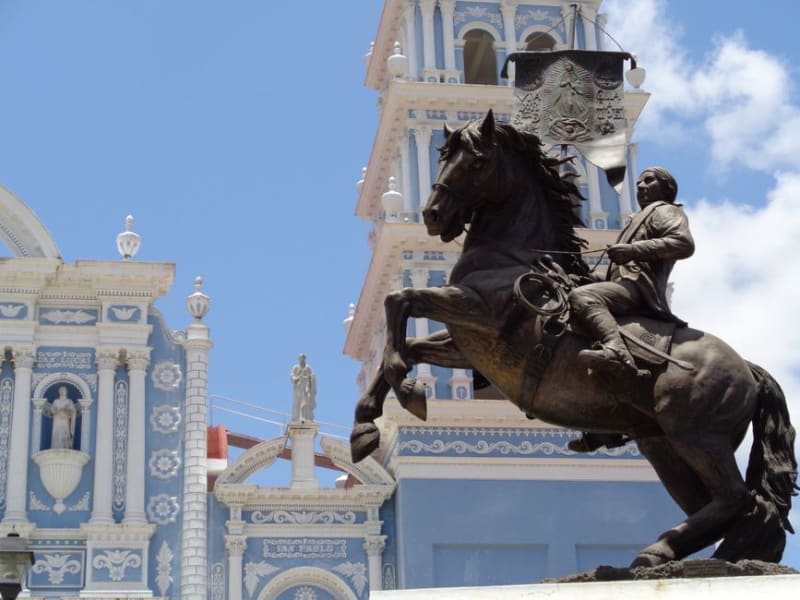 mexico
Ometepec
Ometepec is the commercial center of the Mixtec coast in Guerrero, where market days draw Amuzgo and Mixtec vendors from dozens of surrounding communities. A working town with no pretense toward tourism, it rewards the early riser willing to eat barbacoa at dawn with strangers.
Explore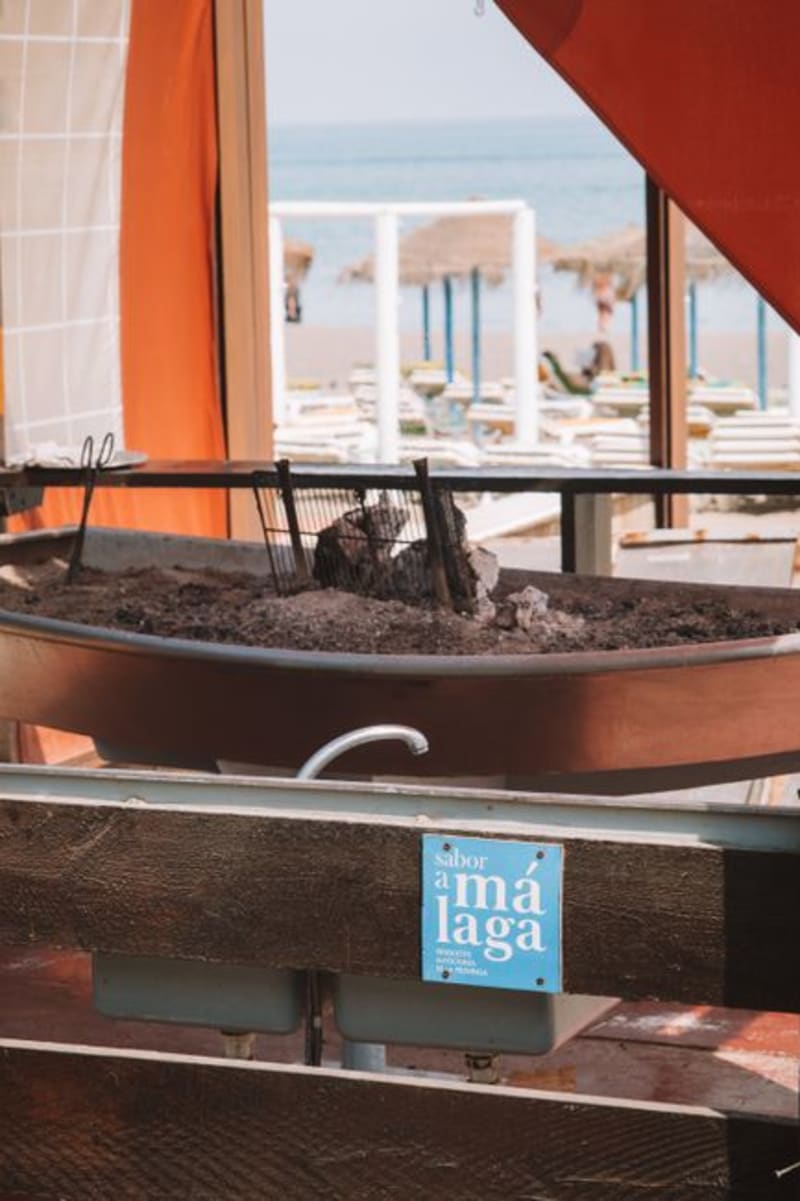 mexico
Barra Vieja
Barra Vieja is a long strip of palapa restaurants strung between Laguna de Tres Palos and the Pacific, thirty-five kilometers east of Acapulco, where fish arrives by boat before the kitchens open and the chairs face the water as a matter of principle.
Explore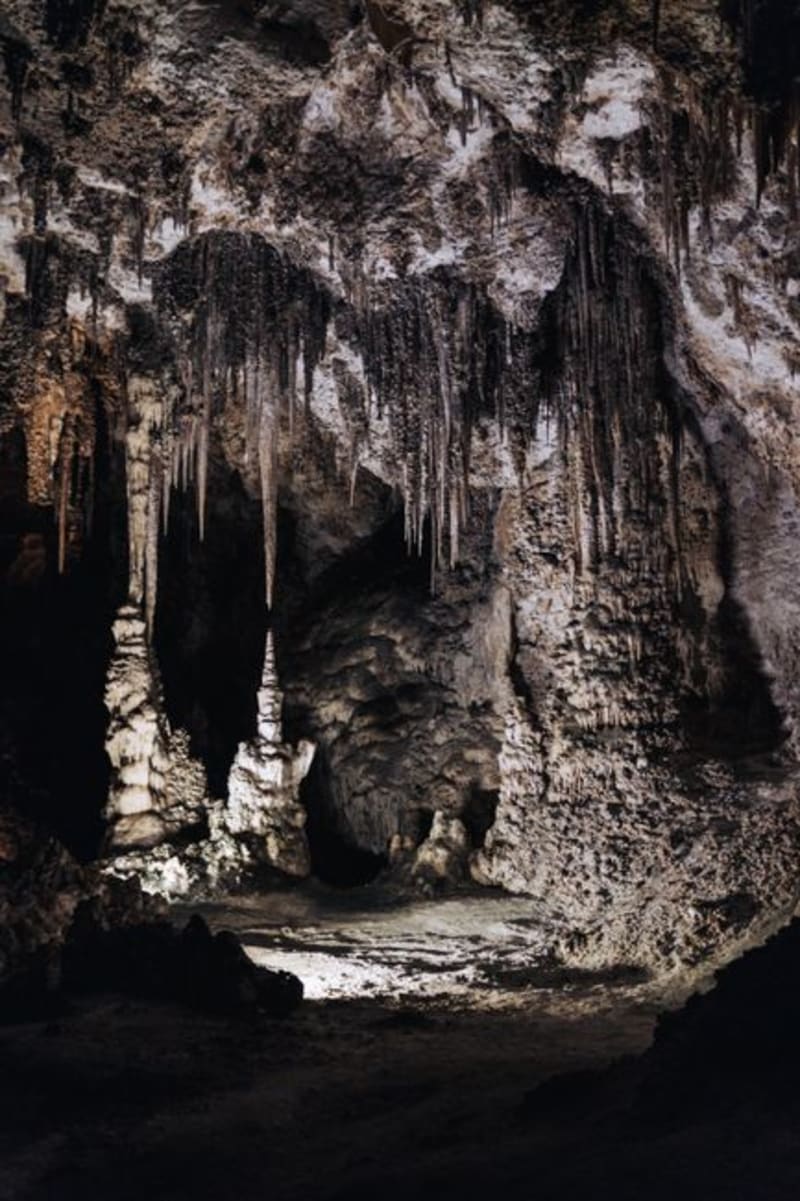 mexico
Grutas de Juxtlahuaca
Three kilometers inside a mountain near the small town of Colotlipa, someone painted figures in red, yellow, and black roughly three thousand years ago — and they are still there. Juxtlahuaca is one of the longest cave systems in Mexico and one of the oldest known art sites in Mesoamerica, a place that takes about three hours to walk through and considerably longer to process.
Explore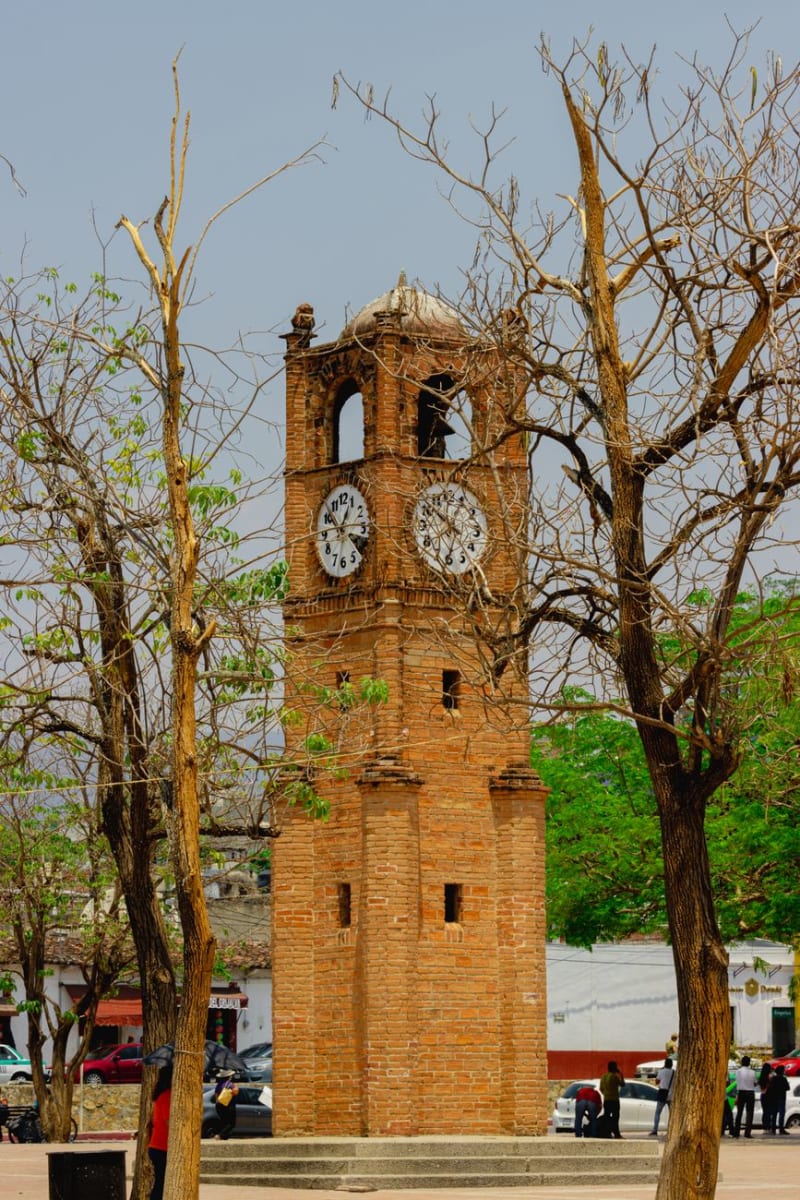 mexico
Chilapa de Álvarez
Chilapa de Álvarez is a market city in the Montaña highlands of Guerrero where Nahua, Mixtec, and Tlapanec communities have been trading since before the colonial roads arrived. The Sunday market is one of the great indigenous markets in Mexico — basketwork, lacquerwork, hammocks, dried chiles, medicinal herbs — and the lacquered gourds made here are among the finest in the country. I got lost in it within four minutes, found the lacquerware section, bought a bowl I could not afford, and ate tamales in the shade for an hour.
Explore