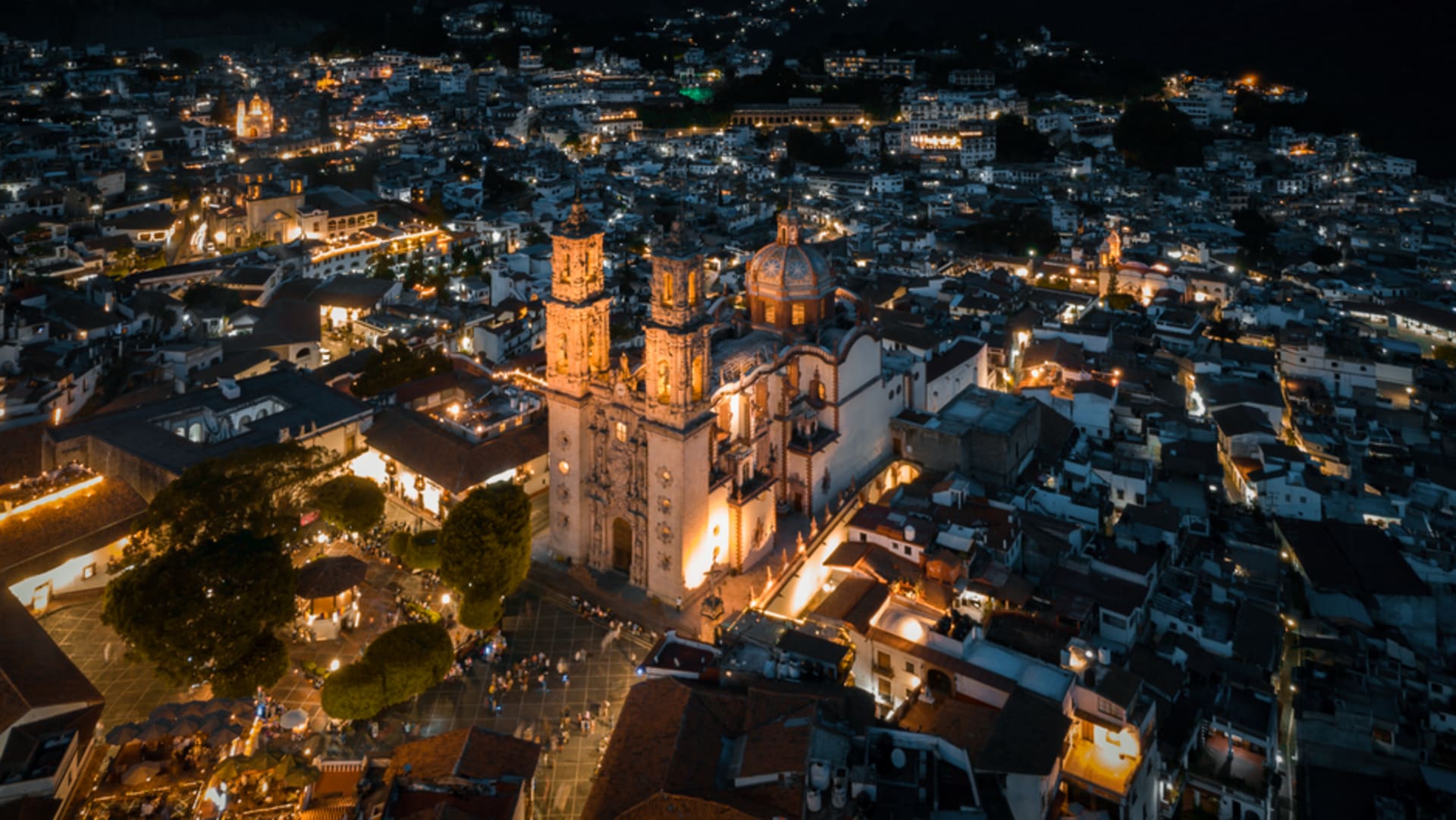
Ixcateopan de Cuauhtémoc
"The sacristan unlocked a side door and showed me the glass case holding what may or may not be Cuauhtémoc's remains. The uncertainty, I realised, is the whole point of coming."
A whitewashed sierra town whose colonial church holds — or is claimed to hold — the bones of Cuauhtémoc, the last Aztec emperor. The 1949 discovery has never been confirmed or disproved, and the town carries that unresolved weight with quiet dignity and almost no visitors.

I got off the colectivo from Taxco at three in the afternoon, the road ending at a whitewashed town where the pine forest starts. I had been reading about the place on the bus — a brief paragraph that gave more space to its footnote than to the destination itself. The footnote was the whole story: in 1949, workers renovating the local church found bones beneath the altar, and a local researcher declared them the remains of Cuauhtémoc, the last Aztec emperor, hanged by Hernán Cortés in 1525. Nobody has conclusively proved him right. Nobody has ever quite disproved him either. Ixcateopan has been living inside that uncertainty ever since.
The Bones Beneath the Altar
The Templo de la Asunción is a 16th-century colonial church you could pass through in ten minutes if you came only for the architecture. I did not do that. I found the sacristan near the main entrance — a man in his sixties with the particular calm of someone accustomed to fielding questions he cannot fully answer — and he took me through a side door into a dim anteroom where a glass case holds a velvet-lined urn. Inside the urn: bones. A plaque affixed to the case identifies them as the remains of Cuauhtémoc: captured by Cortés, tortured for the location of Aztec gold he either didn’t know or refused to give, and executed far from home. Whether these particular bones made any part of that journey, whether they are his at all, is a question that INAH — Mexico’s national archaeological institute — has declined to confirm and never quite managed to definitively deny. The sacristan shrugged when I asked. “That is what we believe,” he said, which is not the same as proof, and he knew it.

The Town and Its Hours
The zócalo is six benches around a small fountain, and on the afternoon I was there, a woman was selling gorditas from a comal set up on the corner of Calle Cuauhtémoc. I ate two — one with black beans, one with chicharrón en salsa verde — and watched the town conduct its business at its own unhurried pace. For dinner I found a comedor two blocks from the church where the pozole rojo was made the Guerrero way: deep red from chile guajillo and ancho, with tostadas alongside and a pile of dried oregano you add yourself. Guerrero pozole is a serious thing, different from the thinner broths you find further north, and this version would have justified the trip even setting aside the bones entirely. The surrounding sierra is pine forest at this altitude — cool in the evening even in March — and the whitewashed walls catch the late light in a way that made me think about staying another night.

Timing and the February Question
The town transforms on February 26, Día de Cuauhtémoc, when indigenous communities from across Guerrero arrive for a ceremony at the church and a procession through streets that spend the other 364 days in near-silence. If you want the ceremony, plan ahead — the few rooms available fill early, and Taxco’s hotels follow close behind. Any other week, you will likely have the place almost entirely to yourself. The church opens around nine in the morning; the sacristan is reliably there by ten and will, if you ask without the air of conducting a forensic investigation, unlock the anteroom. No admission fee, no gift shop, no laminated script. You ask, he unlocks, you look, you decide what you think.

Getting There
Taxco is the base. Colectivos leave from near the market most mornings and the journey takes about an hour on a winding sierra road — sit on the right side for the views. From Mexico City, count on three hours via Cuernavaca and Taxco. The dry months from November through April are the right time; summer rain on these mountain roads makes the curves more interesting than they need to be. Fill your tank in Taxco — there is no gas station in Ixcateopan.
Keep exploring
More of Guerrero
Keep exploring
More from Guerrero
 mexico
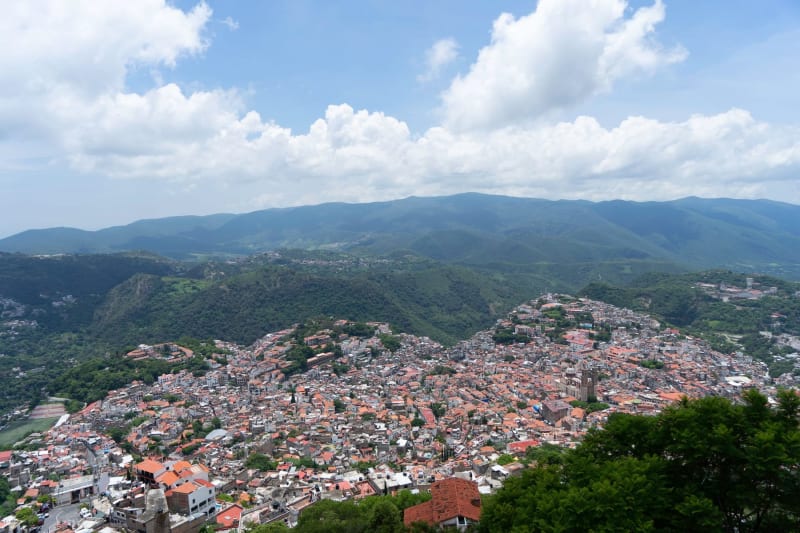
 Taxco
Mexico's silver city — a steep baroque hillside in Guerrero where artisan workshops, colonial callejones, and the best silverwork in the Americas share every cobblestone street.
Explore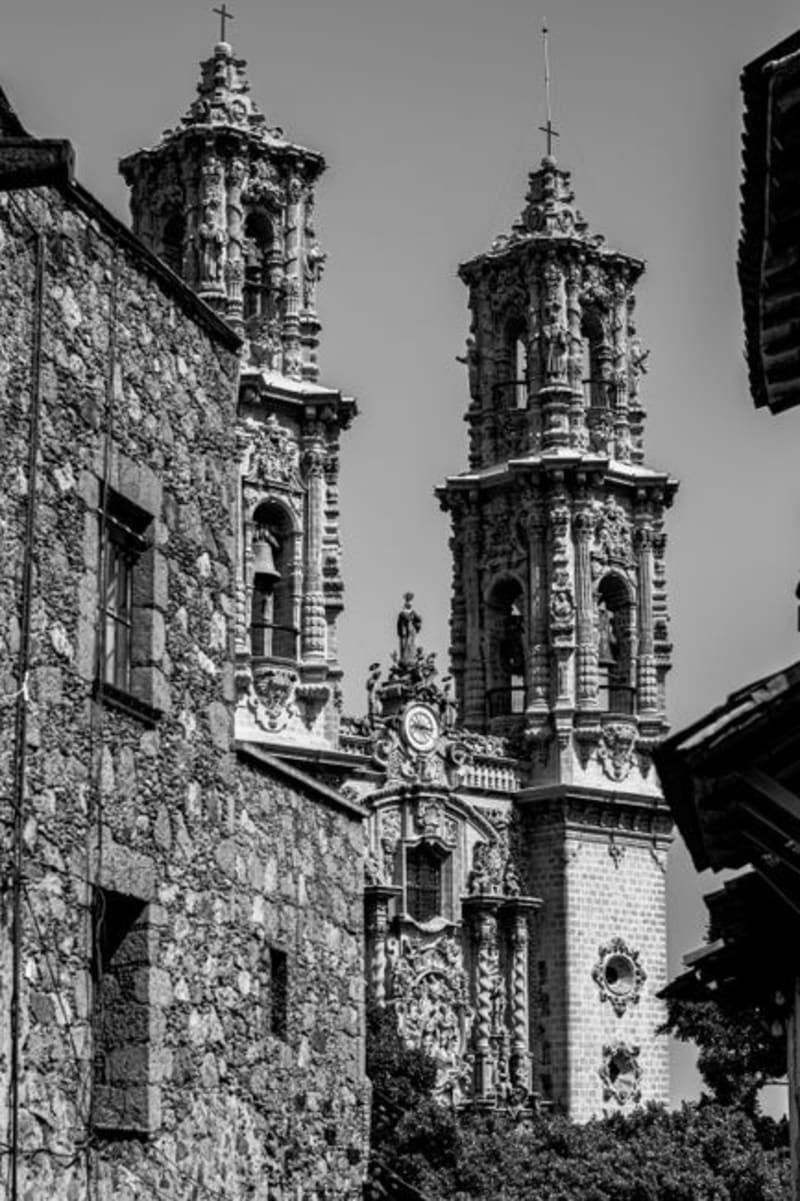 mexico
 Iguala de la Independencia
Iguala is where Mexico was officially born — on February 24, 1821, Agustín de Iturbide and Vicente Guerrero proclaimed the Plan de Iguala here and raised the first tricolor flag, ending three centuries of colonial rule. Most travelers on the Autopista del Sol pass straight through toward Acapulco without stopping, which keeps the colonial center quiet and the enormous Monumento a la Bandera largely to itself.
Explore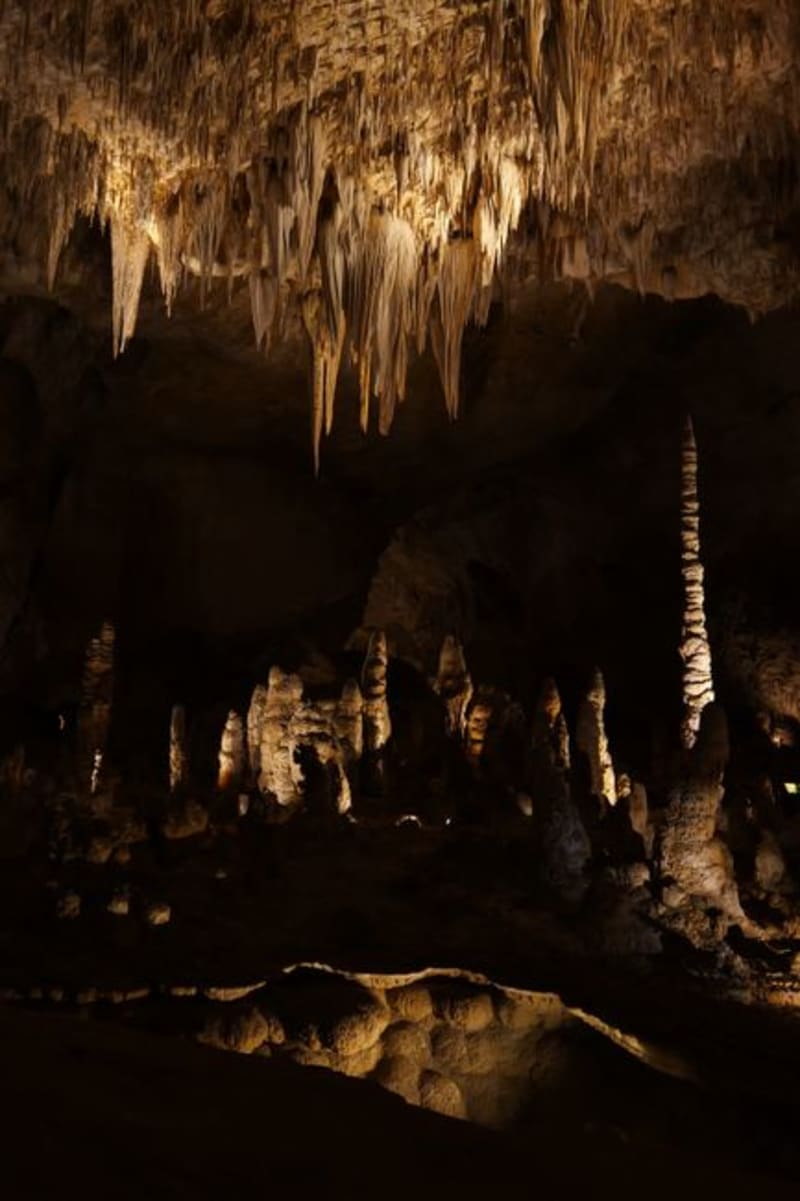 mexico
 Grutas de Cacahuamilpa
One of the largest cave systems in the world sits an hour north of Taxco, in the dry sierra of Guerrero — fourteen linked chambers reaching eighty metres overhead, a subterranean scale that makes human architecture feel approximate. Visited by a fraction of the people who walk Taxco's silver market that same day.
Explore mexico
 Olinalá
A remote mountain town in northern Guerrero producing the finest lacquerware in Mexico — a technique using linaloe wood and multiple layers of mineral-pigment lacquer, scratched into geometric and floral designs with a cactus thorn, practiced here since before the Spanish arrived.
Explore mexico
 Chilapa de Álvarez
Chilapa de Álvarez is a market city in the Montaña highlands of Guerrero where Nahua, Mixtec, and Tlapanec communities have been trading since before the colonial roads arrived. The Sunday market is one of the great indigenous markets in Mexico — basketwork, lacquerwork, hammocks, dried chiles, medicinal herbs — and the lacquered gourds made here are among the finest in the country. I got lost in it within four minutes, found the lacquerware section, bought a bowl I could not afford, and ate tamales in the shade for an hour.
Explore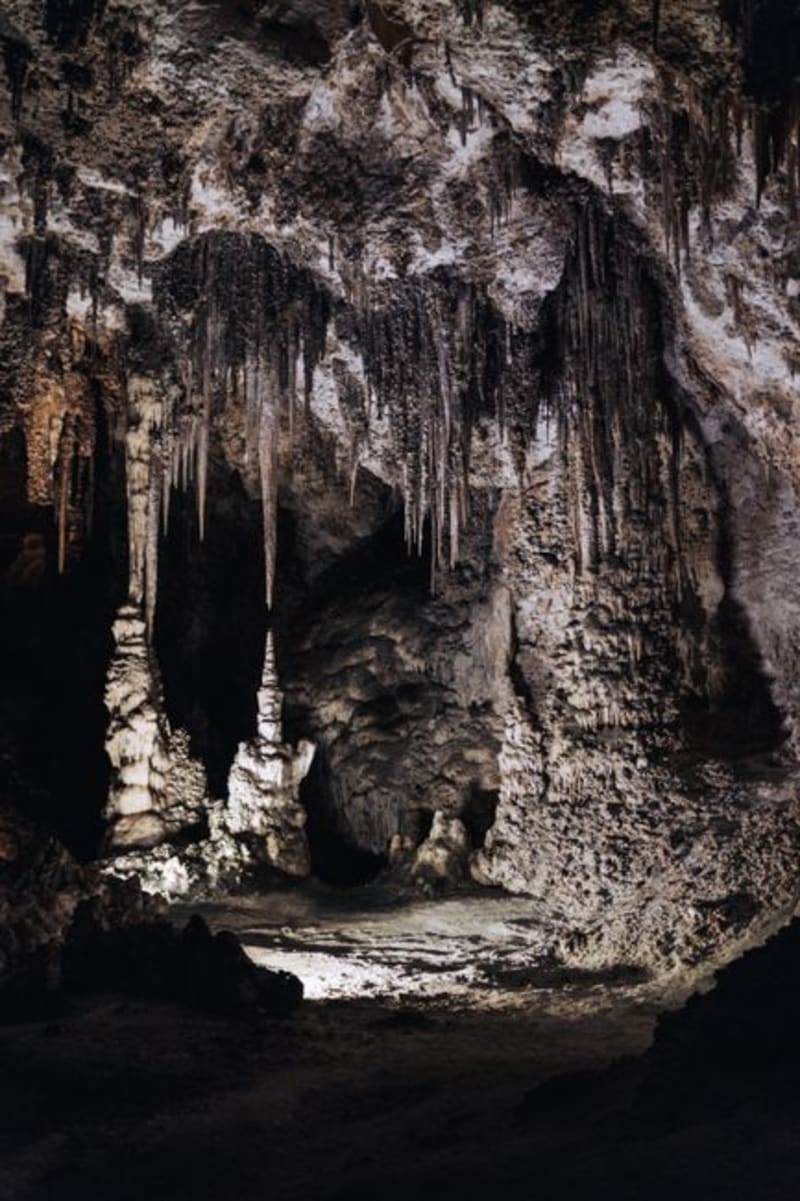 mexico
 Grutas de Juxtlahuaca
Three kilometers inside a mountain near the small town of Colotlipa, someone painted figures in red, yellow, and black roughly three thousand years ago — and they are still there. Juxtlahuaca is one of the longest cave systems in Mexico and one of the oldest known art sites in Mesoamerica, a place that takes about three hours to walk through and considerably longer to process.
Explore