
Grutas de Cacahuamilpa
"I stood at the entrance of the first chamber and actually laughed — not from joy exactly, but from the absurdity of the size. You don't visit Cacahuamilpa; it overwhelms you."
One of the largest cave systems in the world sits an hour north of Taxco, in the dry sierra of Guerrero — fourteen linked chambers reaching eighty metres overhead, a subterranean scale that makes human architecture feel approximate. Visited by a fraction of the people who walk Taxco's silver market that same day.

The parking lot at Cacahuamilpa announces nothing useful. A few concrete food stalls, someone grilling elotes near a folding table, souvenir stalactites cast in painted resin. I had driven up from Taxco on a Wednesday morning — forty-five minutes through dry sierra, copal and nopal, the road narrowing into something provisional. I expected an interesting cave. When I stepped into the first chamber and the ceiling climbed and kept climbing, I stopped walking entirely and laughed. Not from joy exactly. From the particular absurdity of something that refuses to fit inside any category you brought with you.
Eighty Metres of Stone
The official structure is a guided tour, but the word implies agency, a pace you set. Cacahuamilpa gives you neither. You walk with a group of fifteen or twenty through fourteen named chambers — Salón de las Columnas, Salón de los Fantasmas, Salón de Navidad — each one adjusting your expectations upward until your sense of proportion simply stops working. The ceilings reach eighty metres at their highest. Stalactites descend in formations that have been named: La Virgen, El Gigante, El Pulpo. The naming feels slightly desperate, a human impulse to domesticate something that resists it. The lighting is theatrical without being overdone — amber and blue uplighting aimed at the major formations, enough to read the shapes, not enough to forget that most of this space lives in permanent dark. What stayed with me most was the river you hear but never see: the San Jerónimo and San Valentín run through lower portions of the system, their sound rising through passages the tour doesn’t reach. The cave is still in process. It hasn’t finished becoming.

Everyone Who Came Before
Alexander von Humboldt explored these caverns in 1803 and wrote about them in terms suggesting he ran out of adequate language too. Emperor Maximilian brought Carlota here in the 1860s — there is a salon that bears their names, a formality that sits strangely in a geological space that predates empires by several million years. The Nahuatl name, Cacahuamilpa, refers to the cacao fields that once surrounded the entrance area. What is genuinely strange is how few people come now. My Wednesday morning tour had eighteen people total. The Taxco silver market, forty-five minutes south, had received thousands that same day. The caves require a car or a deliberate colectivo decision, and that logistics barrier functions as a natural filter. Whatever the reason, the relative quiet is a gift you won’t feel you’ve earned but will accept without argument.

How to Do This Well
The guide narration runs in Spanish only — worth knowing in advance, though the experience itself requires no translation. Bring a jacket regardless of the season; the interior holds around 20°C, which reads cold when you’ve arrived from summer Guerrero. The mandatory tour runs ninety minutes at a pace that doesn’t allow you to linger in front of any single formation for long. I ate afterward at the taquería just outside the entrance — cochinita pibil from a woman who has clearly been feeding cave visitors for decades. Go in the morning. The light that enters the first chamber from the entrance does something worth seeing, and the tour groups are smaller before noon.

Getting There
Taxco is the natural base — forty-five minutes north by car, or take a colectivo from the Taxco terminal toward Grutas de Cacahuamilpa (around 60 pesos). From Cuernavaca, allow ninety minutes. Tours depart every hour from 10am; the caves are open daily. Dry season — October through April — is the practical choice, though the caverns are accessible year-round. A jacket is not optional.
Keep exploring
More of Guerrero
Keep exploring
More from Guerrero
 mexico
 Taxco
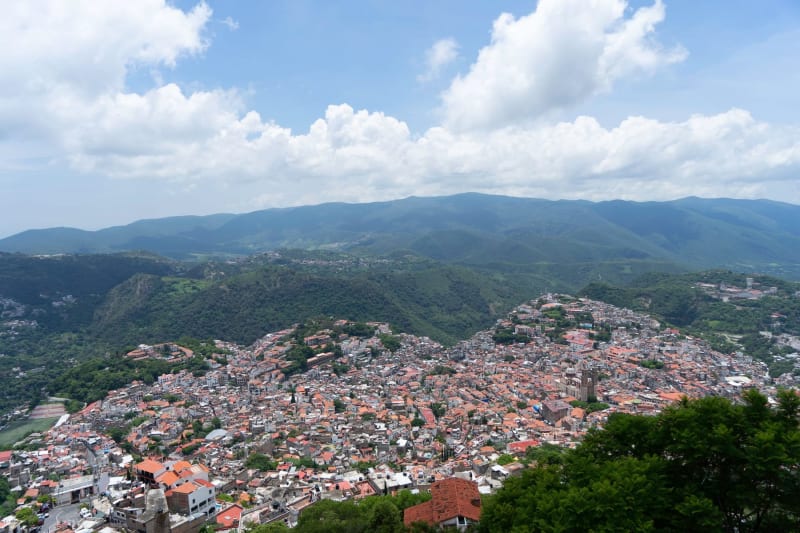
Mexico's silver city — a steep baroque hillside in Guerrero where artisan workshops, colonial callejones, and the best silverwork in the Americas share every cobblestone street.
Explore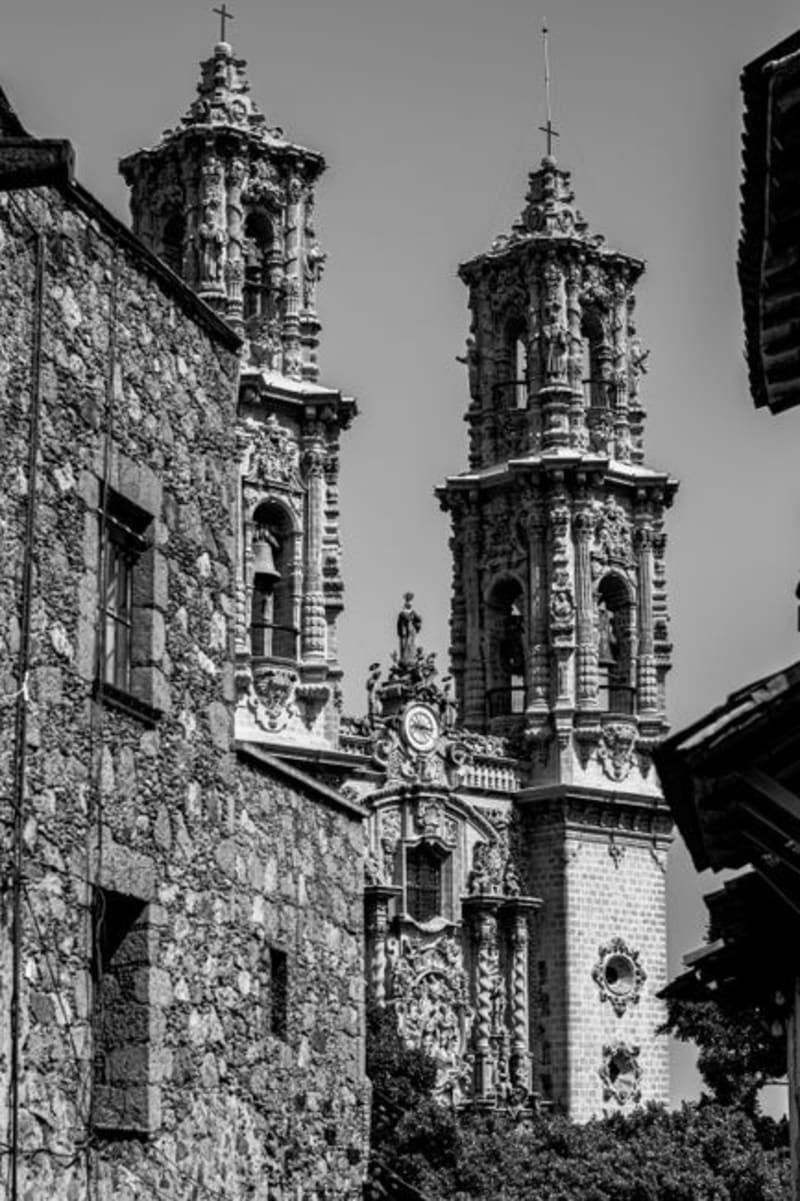 mexico
 Iguala de la Independencia
Iguala is where Mexico was officially born — on February 24, 1821, Agustín de Iturbide and Vicente Guerrero proclaimed the Plan de Iguala here and raised the first tricolor flag, ending three centuries of colonial rule. Most travelers on the Autopista del Sol pass straight through toward Acapulco without stopping, which keeps the colonial center quiet and the enormous Monumento a la Bandera largely to itself.
Explore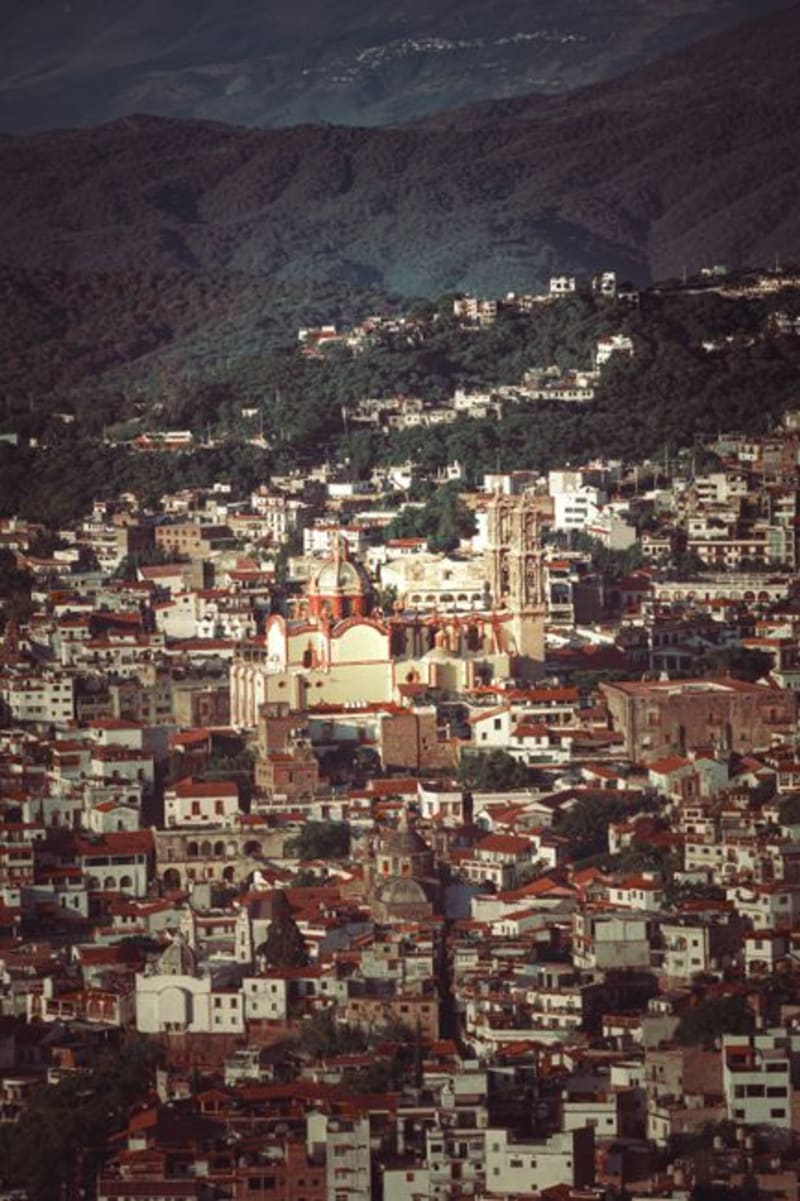 mexico
 Ixcateopan de Cuauhtémoc
A whitewashed sierra town whose colonial church holds — or is claimed to hold — the bones of Cuauhtémoc, the last Aztec emperor. The 1949 discovery has never been confirmed or disproved, and the town carries that unresolved weight with quiet dignity and almost no visitors.
Explore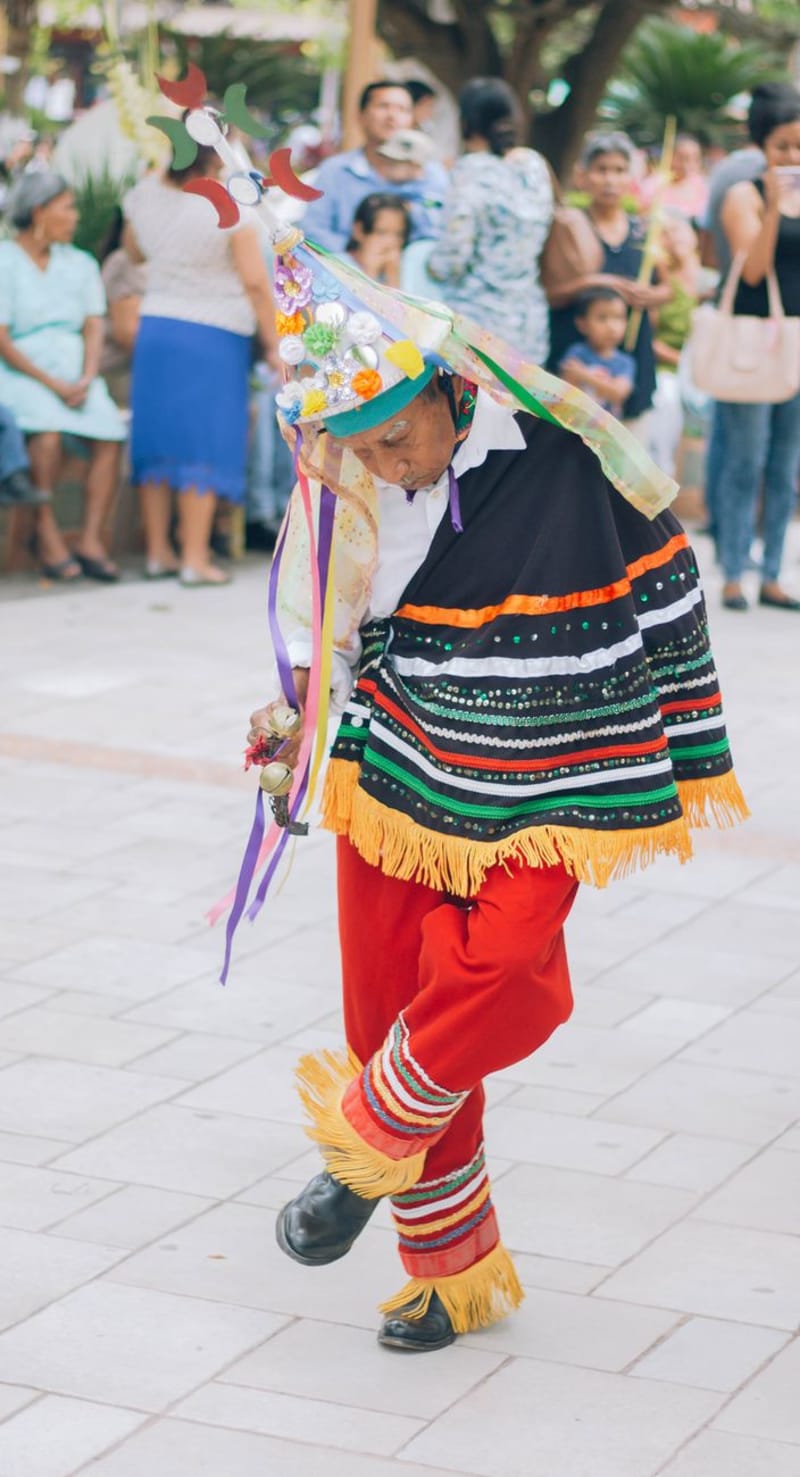 mexico
 Olinalá
A remote mountain town in northern Guerrero producing the finest lacquerware in Mexico — a technique using linaloe wood and multiple layers of mineral-pigment lacquer, scratched into geometric and floral designs with a cactus thorn, practiced here since before the Spanish arrived.
Explore mexico
 Chilapa de Álvarez
Chilapa de Álvarez is a market city in the Montaña highlands of Guerrero where Nahua, Mixtec, and Tlapanec communities have been trading since before the colonial roads arrived. The Sunday market is one of the great indigenous markets in Mexico — basketwork, lacquerwork, hammocks, dried chiles, medicinal herbs — and the lacquered gourds made here are among the finest in the country. I got lost in it within four minutes, found the lacquerware section, bought a bowl I could not afford, and ate tamales in the shade for an hour.
Explore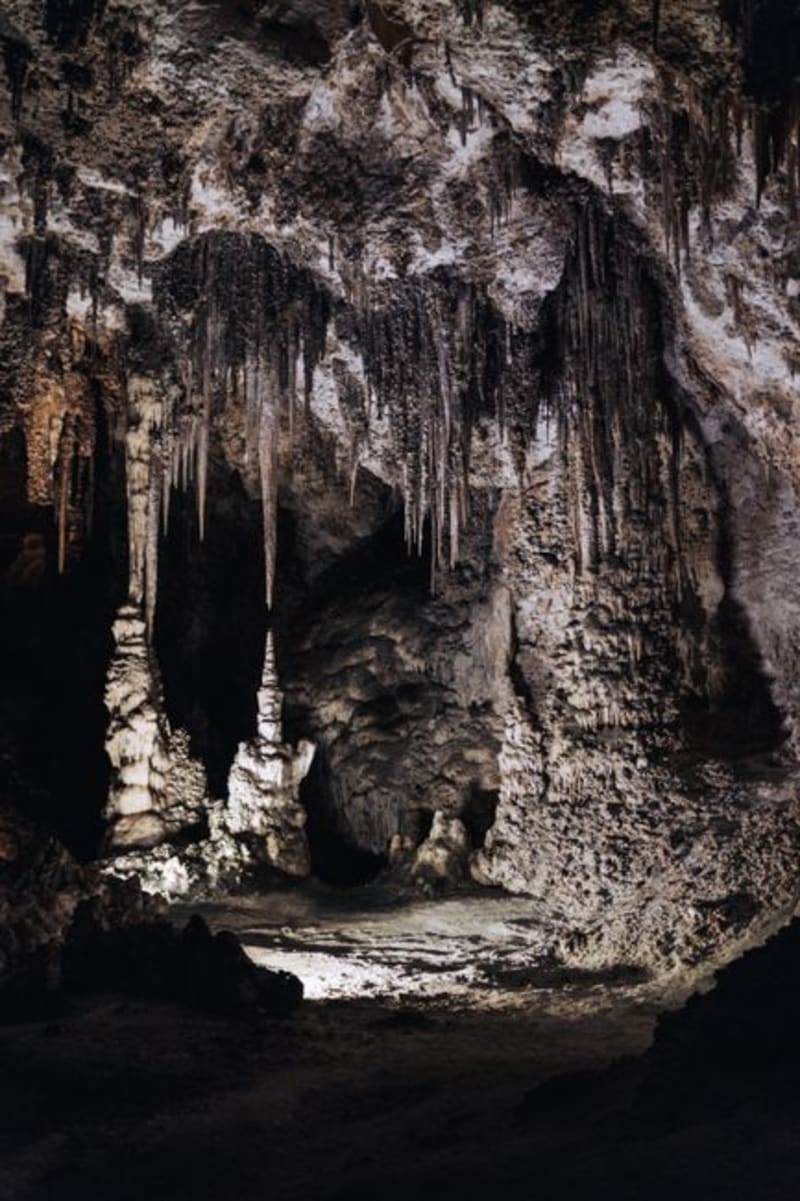 mexico
 Grutas de Juxtlahuaca
Three kilometers inside a mountain near the small town of Colotlipa, someone painted figures in red, yellow, and black roughly three thousand years ago — and they are still there. Juxtlahuaca is one of the longest cave systems in Mexico and one of the oldest known art sites in Mesoamerica, a place that takes about three hours to walk through and considerably longer to process.
Explore