Pénjamo
"The plaza at noon, the smell of carnitas from the market, the church bells — Pénjamo is Mexico doing what it does quietly and well."
A small agricultural town on the Guanajuato-Jalisco border, Pénjamo is the birthplace of Agustín de Iturbide and a place where carnitas, birria, and local aguardiente define the table. Unpretentious and easy to underestimate, it rewards the traveler willing to stay past the plaza.

I came through Pénjamo on a Thursday, following a back road from Lagos de Moreno that I had no particular reason to trust. The bus dropped me at the central market and I stood there a moment — carnitas smoke drifting across the street, a vendor arranging mangoes with the patience of someone who has been doing it for decades — and realized I was not going to leave the same day I arrived. That is, more or less, what Pénjamo does. It does not announce itself. It simply operates, and you either notice or you don’t.
Carnitas, Birria, and the Mercado Municipal
The Mercado Municipal on Calle Insurgentes is where the morning earns its keep. By nine the carnitas stalls are already picked over if you are not paying attention — the good cuts, the maciza and the buche, go early. I ate at a narrow counter near the south entrance, no name on the stall, a woman in a blue apron who handed me a plate without asking what I wanted. It was the right call. The birria here leans Jalisco-style, red and fatty, meant to be consumed with tortillas and nothing else getting in the way. On my second morning I found the aguardiente. A local brand, bottled without ceremony, sold from a pulquería tucked beside a hardware store. It tastes of sugarcane and the particular confidence of a product that has never needed marketing.

The Plaza and the Weight of Iturbide
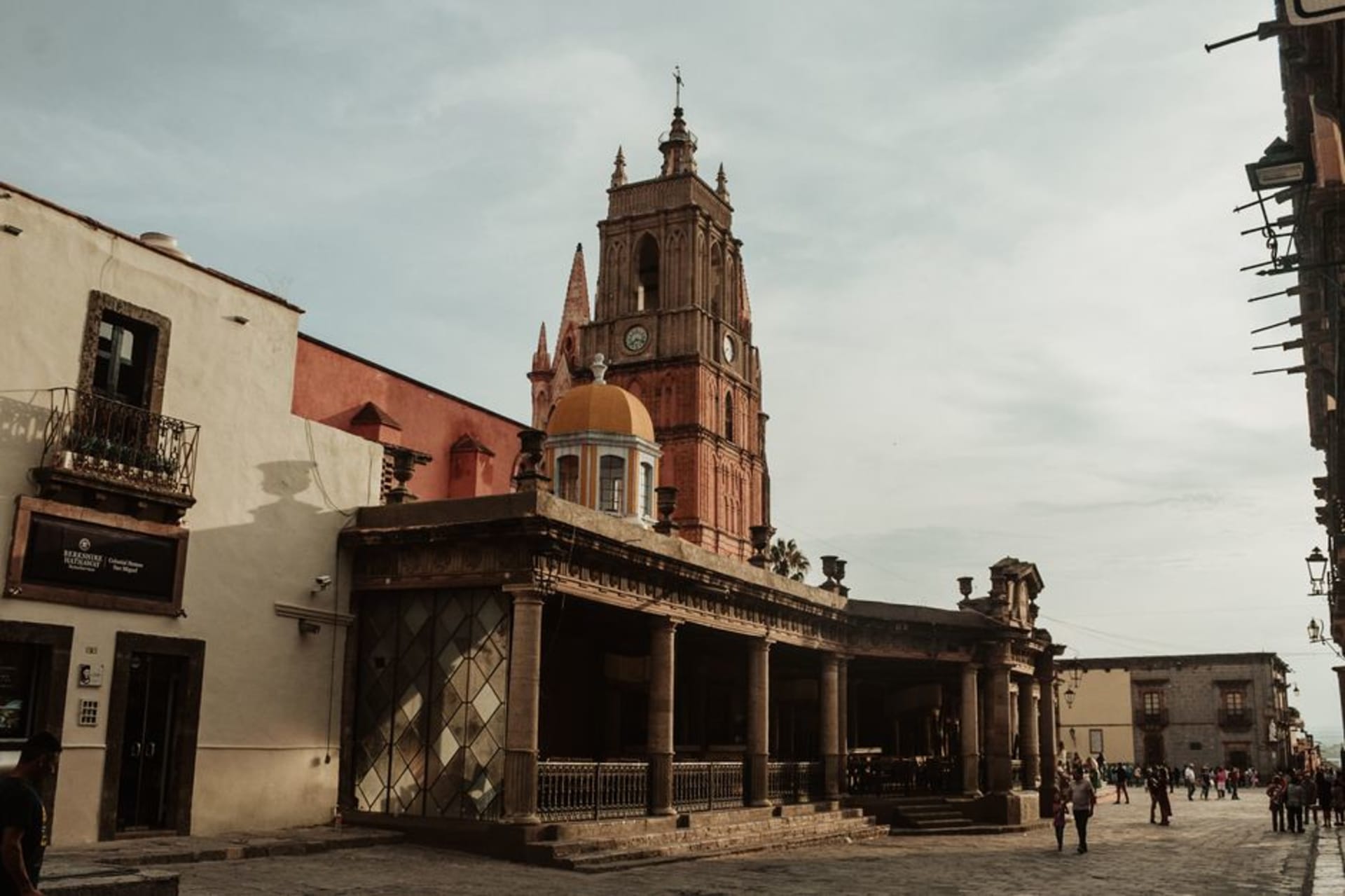
The jardín principal is shaded by old laurel trees and anchored by the Parroquia de San Francisco de Asís, whose facade has the restrained baroque solidity of a church that was built to last and has. Agustín de Iturbide was born here in 1783 — the man who negotiated Mexican independence from Spain, declared himself emperor Agustín I, ruled for eleven months, and ended in front of a firing squad in Padilla. There is a plaque. There is always a plaque. But the plaza itself is better than the history lesson: old men on iron benches, schoolchildren crossing at noon, the bells marking the half-hour with more authority than most things I have encountered. I sat on the north side with a coffee from the small café on the corner and watched it for an hour. Nobody was performing anything. That is the thing about Pénjamo.

The Agricultural Edge of Town
Walk fifteen minutes east of the centro and the town gives way to farmland — fields of sorghum and agave, the Sierra Madre del Sur going blue in the distance. The air changes. There is a small road that runs toward the ejido and in the late afternoon it is quiet in a way that reminds me why I keep taking back roads. A rancher I passed nodded without slowing down. I turned around at a cattle gate and walked back into town as the streetlights came on.

Getting There
Pénjamo sits on Federal Highway 90, roughly midway between León and Lagos de Moreno. ETN and Primera Plus both serve the route. From León, the ride is about ninety minutes. From Guadalajara, count on two and a half hours. The central bus station is a short walk from the jardín.
Keep exploring
More of Guanajuato
Keep exploring
More from Guanajuato
 mexico
 Pénjamo
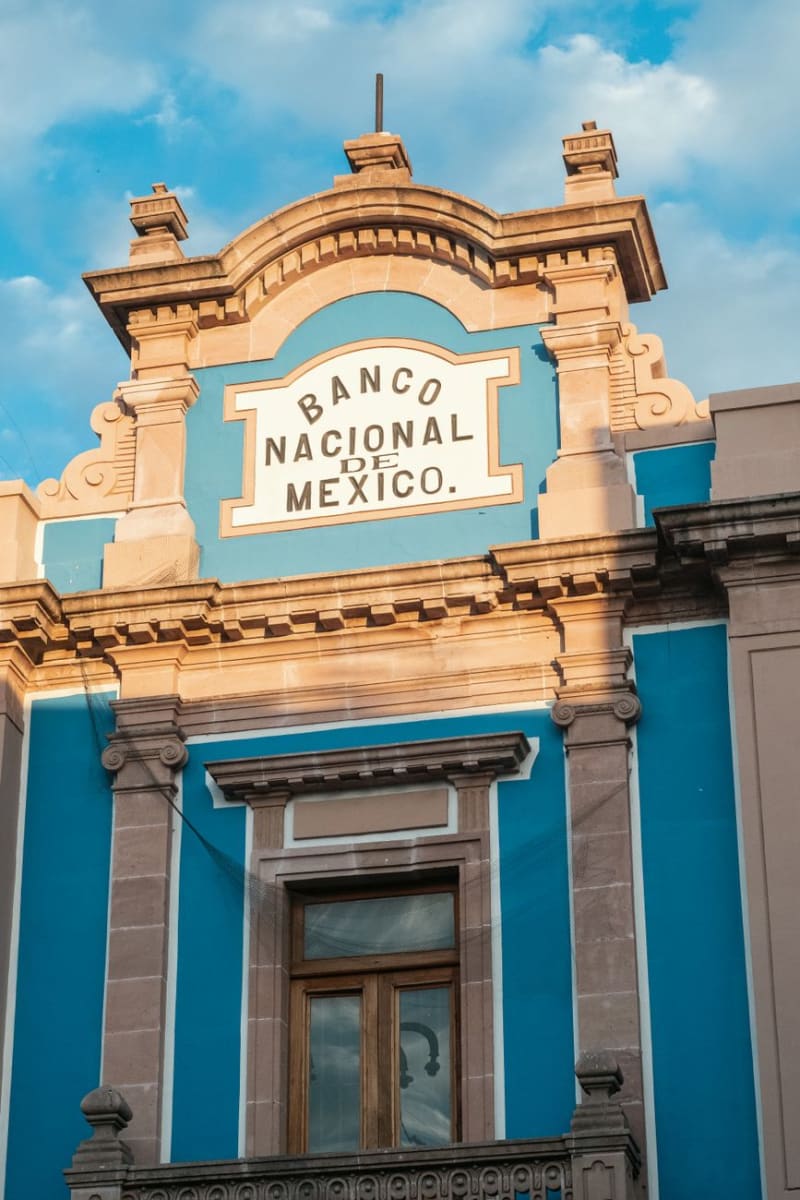
Pénjamo is a small Bajío city on the Lerma River that most people drive through on the way to somewhere else, which is their loss. It was born here — Guadalupe Victoria, Mexico's first president, who fought alongside Hidalgo and then outlasted every rival to take office in 1824. The surrounding countryside is thick with eighteenth-century haciendas and agave fields at the edge of the tequila zone. I visited the birthplace museum and bought a bottle of local mezcal on the way out.
Explore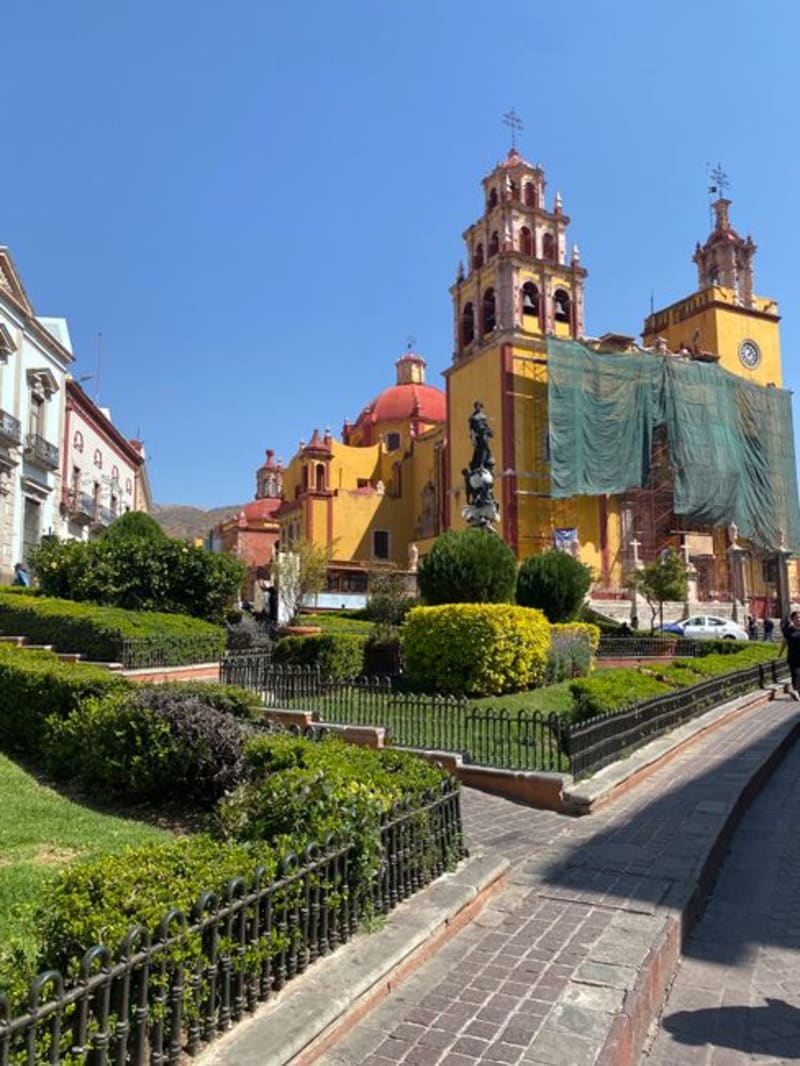 mexico
 Abasolo
Abasolo is a small colonial town in the Bajío region of Guanajuato whose entire identity revolves around the Gran Baño, an enormous thermal mineral pool that has been drawing families from across central Mexico for generations. Come on a Sunday and you will understand immediately why this town needs no other justification.
Explore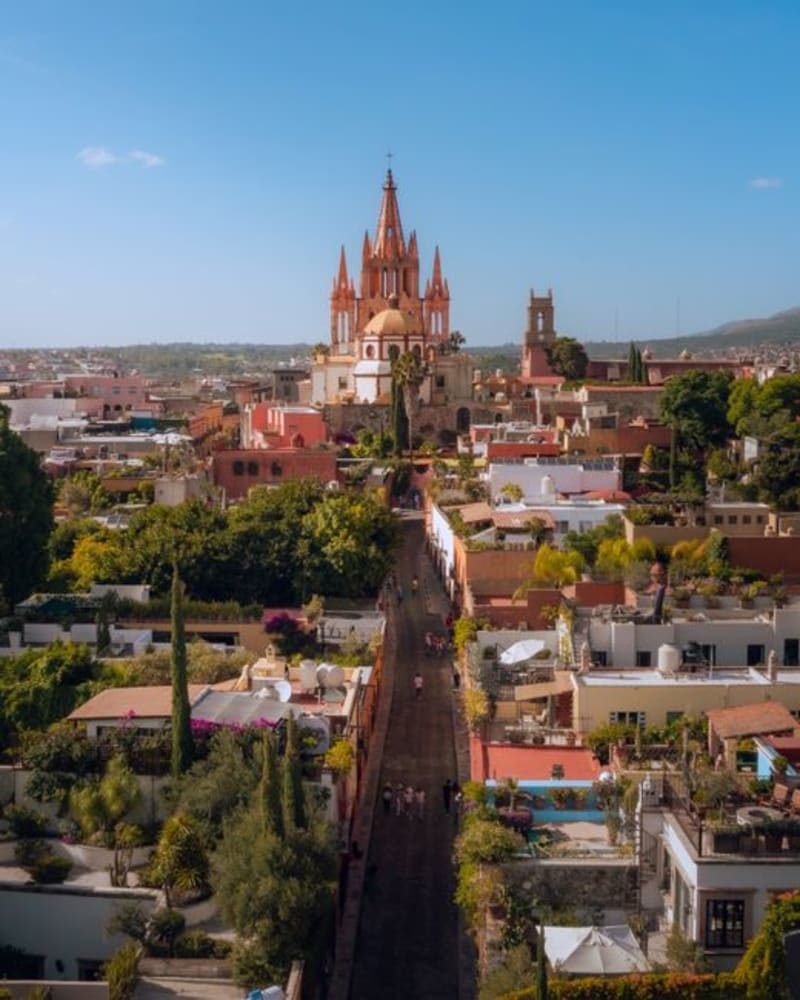 mexico
 San Francisco del Rincón
San Francisco del Rincón is the shoe and leather capital of Mexico — a fact that sounds industrial until you walk through the workshops and realize the artisans here supply markets from Guadalajara to Mexico City. The colonial center is anchored by a proud Parroquia, and the Altos Catholic gravity touches everything from the food to how strangers greet you on the street.
Explore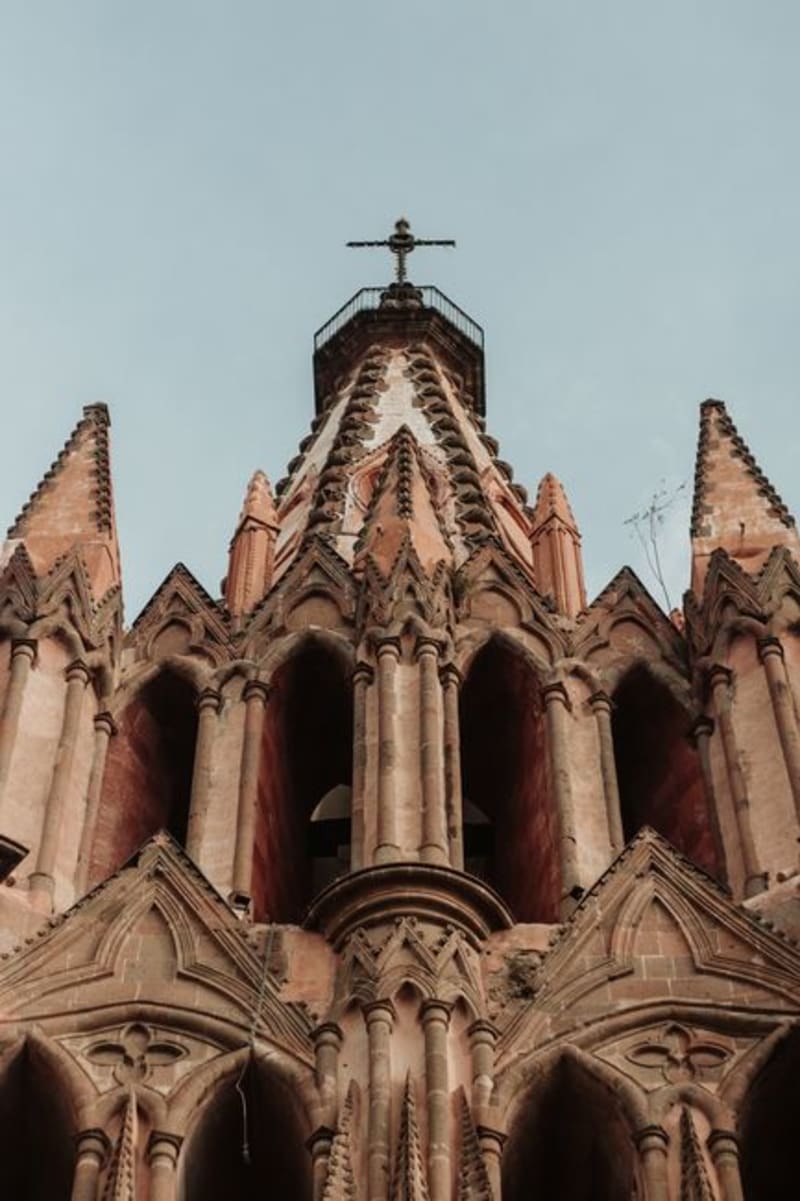 mexico
 Purísima del Rincón
A small Pueblo Mágico in Guanajuato's Los Altos corridor, Purísima del Rincón organizes its life around a handsome colonial church and a plaza that local people actually use. The town is known for leather workshops, Sunday menudo, and a December calendar that runs on its own logic entirely.
Explore mexico
 Irapuato
Irapuato is the strawberry capital of Mexico with only slight exaggeration — the fields around the city are extraordinary in spring, the mercado sells fresas con crema in quantities that should be regulated, and the graceful ex-convento and shaded central plaza reward anyone willing to stay past the first bowl.
Explore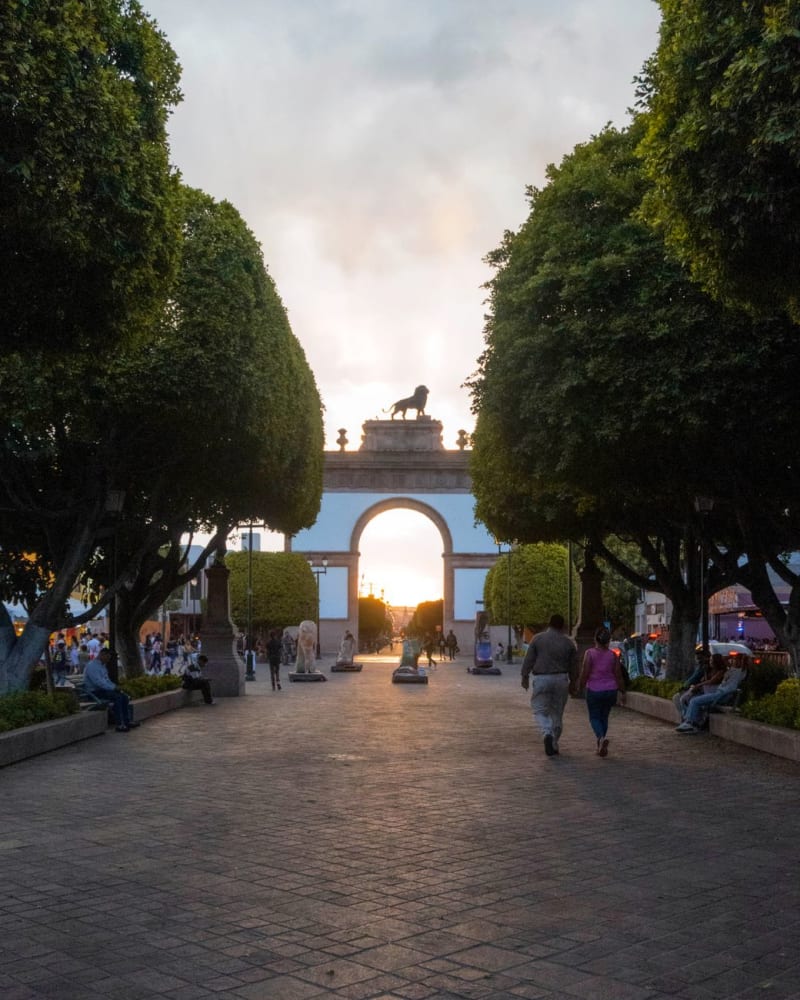 mexico
 Yuriria
A small lakeside town on the shore of the Laguna de Yuriria — the largest natural lake in Guanajuato — dominated by a monumental sixteenth-century Augustinian convent-fortress that makes everything around it look provisional.
Explore