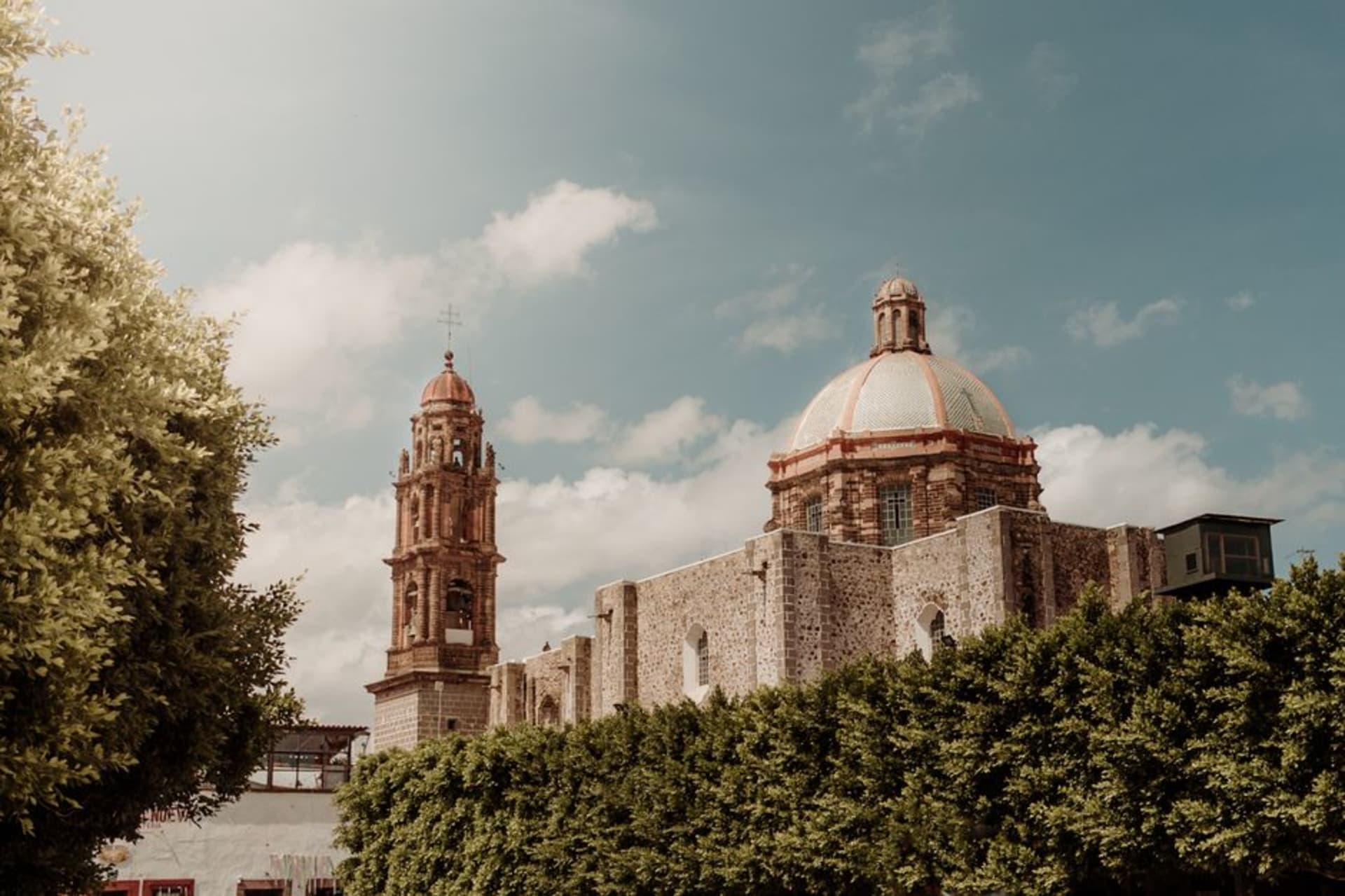
San Francisco del Rincón
"I bought boots here for less than a quarter of what they would cost anywhere else, and two years later they are still the best boots I own."
San Francisco del Rincón is the shoe and leather capital of Mexico — a fact that sounds industrial until you walk through the workshops and realize the artisans here supply markets from Guadalajara to Mexico City. The colonial center is anchored by a proud Parroquia, and the Altos Catholic gravity touches everything from the food to how strangers greet you on the street.

I came to San Francisco del Rincón for the boots. That sounds reductive, but I had been told — by a shoemaker in León, which is not a city that gives away compliments easily — that if I was serious about footwear, I should go to Rinconada. I arrived on a Tuesday morning in November, the Bajío plain still pale in the early light, and walked straight into a street that smelled of tanned hide and fresh dye. I had planned to spend one afternoon. I ended up staying three days, which is what happens when a place turns out to be stranger and more interesting than you expected.
Workshop Country
The leather trade here is not artisanal in the precious sense — it operates at genuine industrial scale, which is exactly what makes it remarkable. The streets south of the centro, particularly around Calle Morelos and the lanes feeding into the Mercado de Artesanías, are lined with talleres where you can watch a single worker cut, stitch, and last a boot in less time than it takes to drink a coffee. These are not tourist workshops. The craftspeople inside are filling wholesale orders for markets across the Republic, and the fact that you can walk in and buy a single pair at near-wholesale prices is a side effect rather than a business model.
I found one taller run by a family whose grandfather had trained in León and relocated here in the sixties when rents were cheaper and the hide suppliers closer. The pair I left with — dark brown, vaquero-cut, pointed toe I initially dismissed as too regional — cost eight hundred pesos. I wore them two days later in Guadalajara and someone stopped me on Avenida Chapultepec to ask where I had bought them.

The Weight of Sunday
San Francisco del Rincón sits in the Altos de Jalisco cultural orbit despite being just across the Guanajuato state line, and the Catholicism here has a particular density that you feel before you see. The Parroquia de San Francisco de Asís anchors the main plaza with the solid self-assurance of a building that has never once doubted its importance. On Sunday mornings the plaza fills in a specific sequence: elderly couples in formal dress first, then young families, then teenagers performing studied indifference around the kiosk while clearly being there on purpose.
For food, look for the lonche stands near the mercado that open before eight and serve a pork-focused breakfast making no concessions to anything: carnitas folded into bolillos, chicharrón in salsa verde, café de olla strong enough to recalibrate your morning. The comida corrida at Fonda La Guadalupana on Calle Hidalgo runs to forty pesos and the pozole rojo is the version I think about when I am eating lesser versions elsewhere.

How I Would Do It Again
Arrive early enough to reach the workshops before the wholesale buyers have already moved through. Budget two mornings for the talleres — one to orient yourself and identify which workshops do custom work, one to actually buy. The craftspeople in Rinconada are not accustomed to tourists, and most will take you seriously if you behave seriously: know roughly what you want and do not ask for the cheapest version of everything.
The Mercado Municipal on Calle Juárez has a produce section in the back that functions as a genuine neighborhood market — good for understanding what the Altos actually eats. In the evenings, sitting at the kiosk in the main plaza with an agua de jamaica while the cathedral light shifts is enough reason on its own to have come.

Getting There
San Francisco del Rincón is roughly forty minutes west of León by bus — Primera Plus and local services run frequently from the León bus terminal. From Guadalajara it is about two hours northeast, with connections through Lagos de Moreno. The town is compact enough to navigate entirely on foot once you arrive; the talleres, the mercado, and the centro are all within easy walking distance of each other.
Keep exploring
More of Guanajuato
Keep exploring
More from Guanajuato
 mexico
 Purísima del Rincón
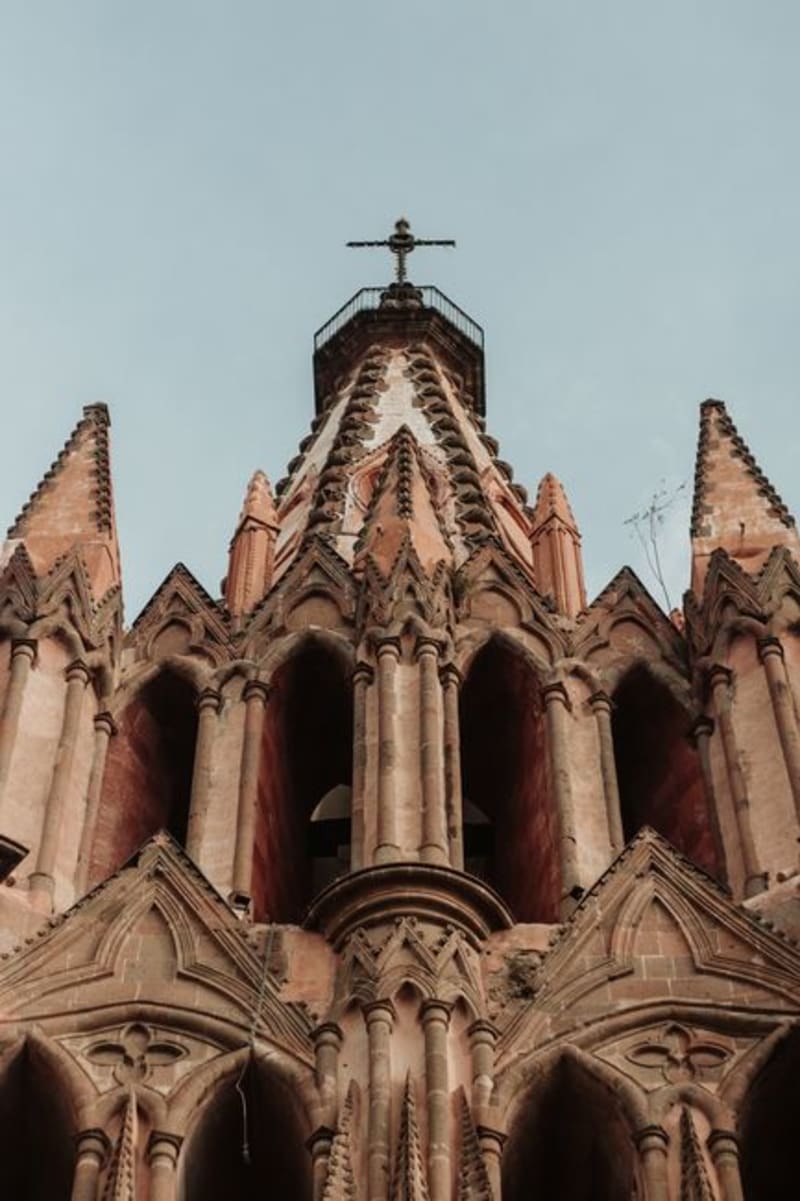
A small Pueblo Mágico in Guanajuato's Los Altos corridor, Purísima del Rincón organizes its life around a handsome colonial church and a plaza that local people actually use. The town is known for leather workshops, Sunday menudo, and a December calendar that runs on its own logic entirely.
Explore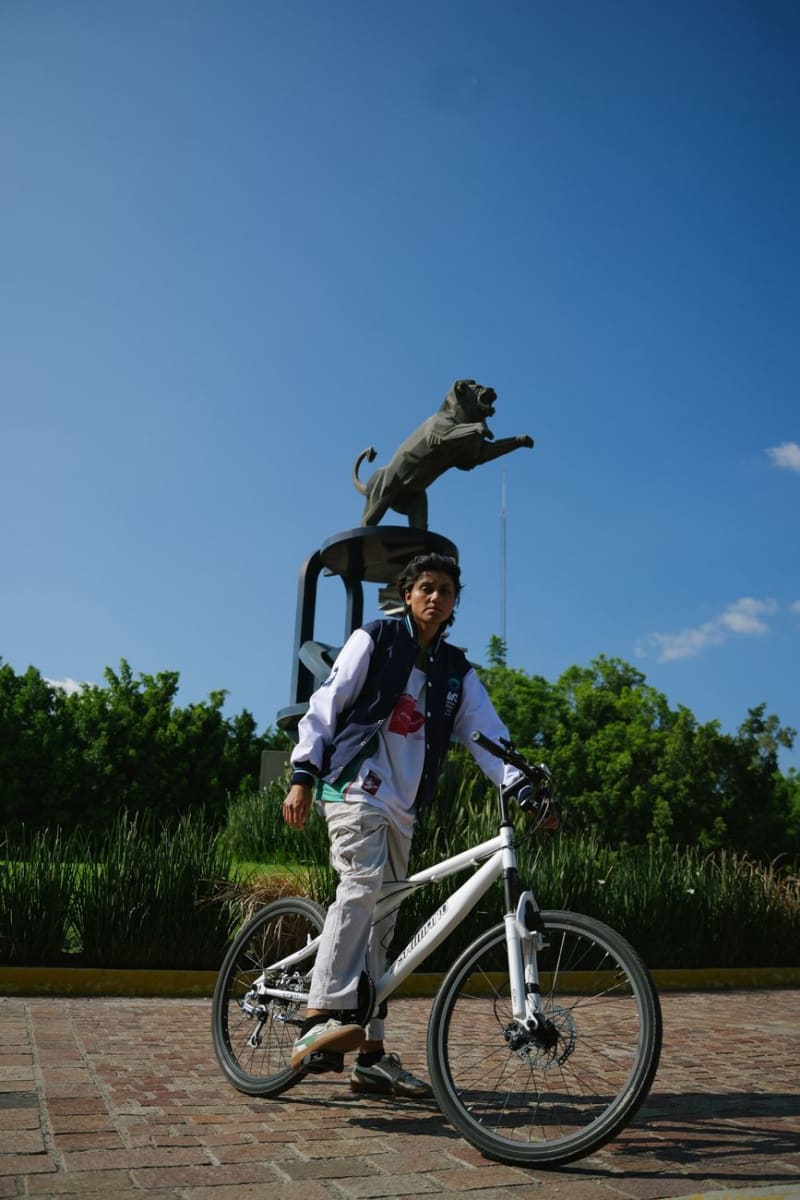 mexico
 León
León is Mexico's leather capital and one of its most honestly overlooked industrial cities, where an 18th-century centro holds genuine grandeur alongside workshops that will build you a pair of boots by sundown. It rewards the traveler who skips it on the way to Guanajuato city and stops here instead.
Explore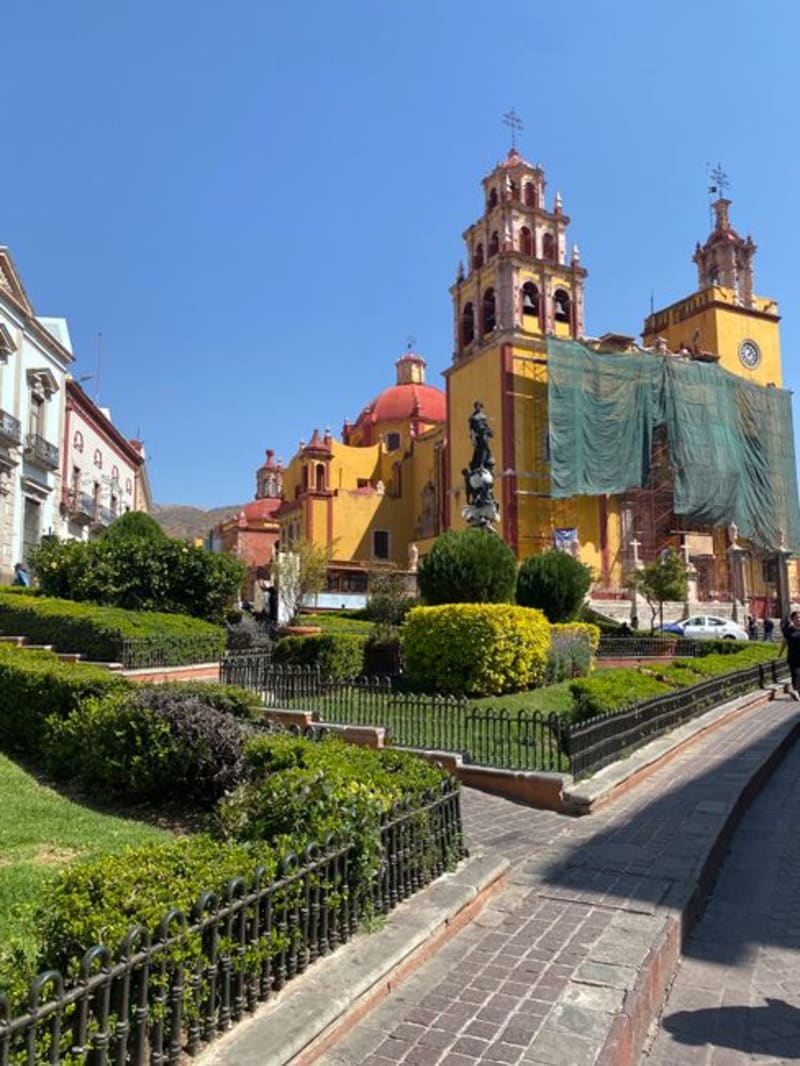 mexico
 Abasolo
Abasolo is a small colonial town in the Bajío region of Guanajuato whose entire identity revolves around the Gran Baño, an enormous thermal mineral pool that has been drawing families from across central Mexico for generations. Come on a Sunday and you will understand immediately why this town needs no other justification.
Explore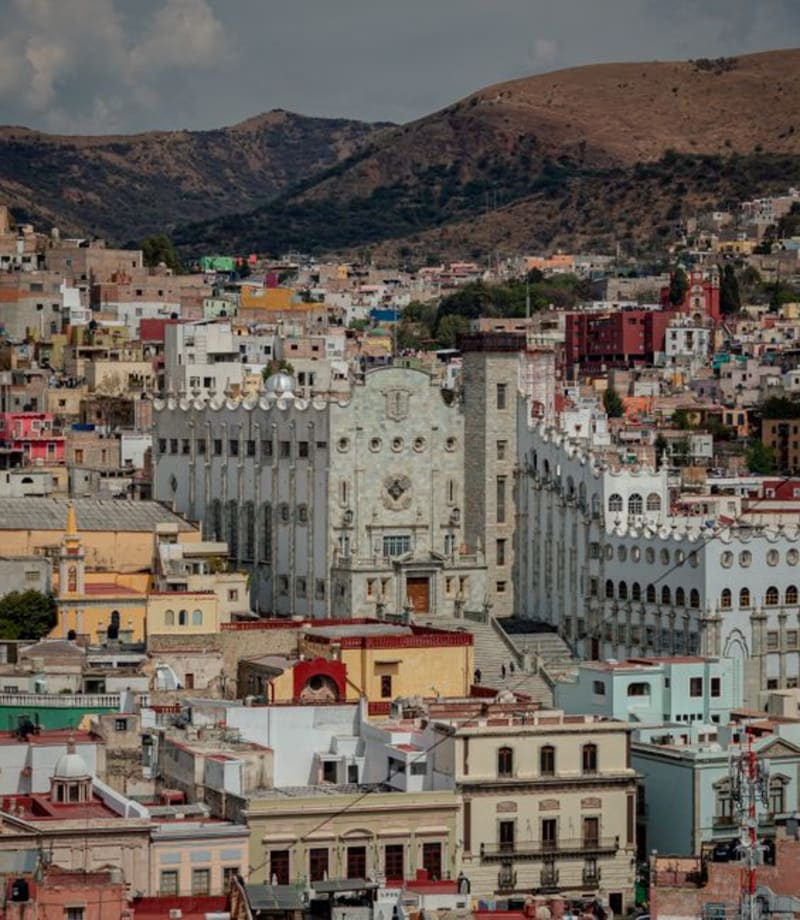 mexico
 Irapuato
Irapuato is the strawberry capital of Mexico with only slight exaggeration — the fields around the city are extraordinary in spring, the mercado sells fresas con crema in quantities that should be regulated, and the graceful ex-convento and shaded central plaza reward anyone willing to stay past the first bowl.
Explore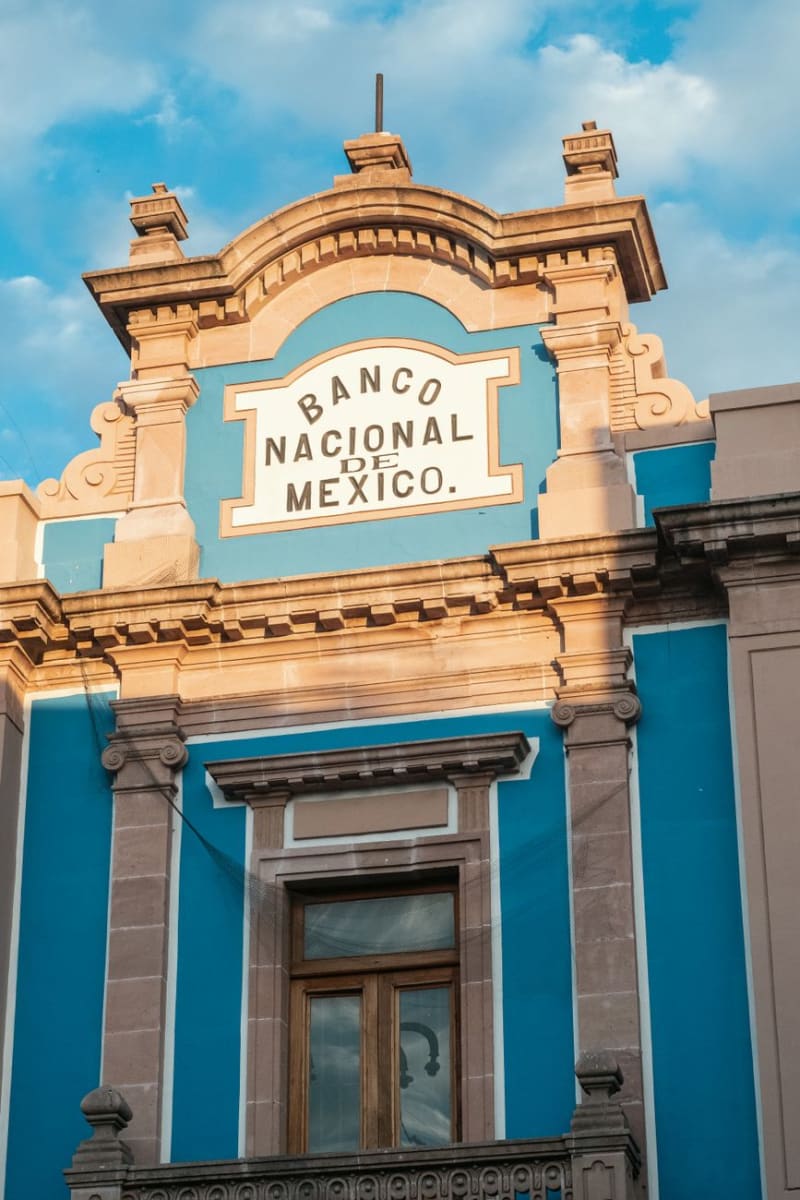 mexico
 Pénjamo
Pénjamo is a small Bajío city on the Lerma River that most people drive through on the way to somewhere else, which is their loss. It was born here — Guadalupe Victoria, Mexico's first president, who fought alongside Hidalgo and then outlasted every rival to take office in 1824. The surrounding countryside is thick with eighteenth-century haciendas and agave fields at the edge of the tequila zone. I visited the birthplace museum and bought a bottle of local mezcal on the way out.
Explore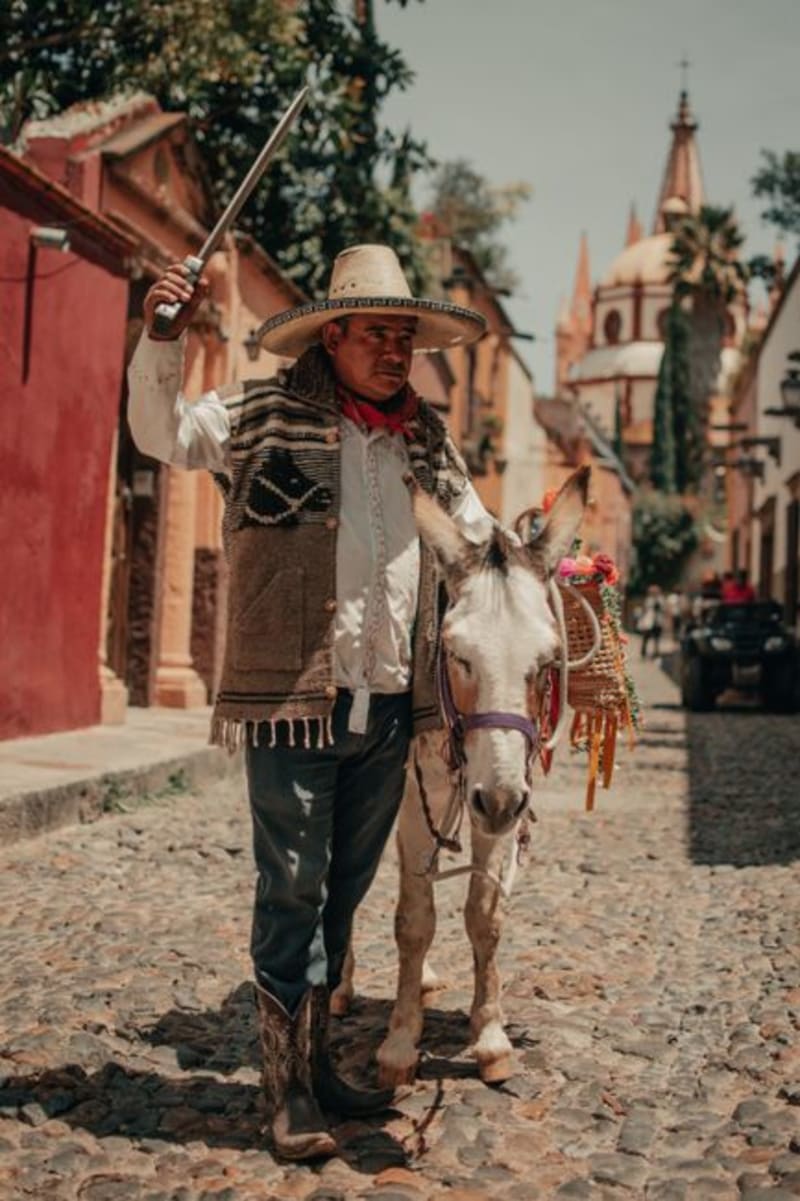 mexico
 Pénjamo
A small agricultural town on the Guanajuato-Jalisco border, Pénjamo is the birthplace of Agustín de Iturbide and a place where carnitas, birria, and local aguardiente define the table. Unpretentious and easy to underestimate, it rewards the traveler willing to stay past the plaza.
Explore