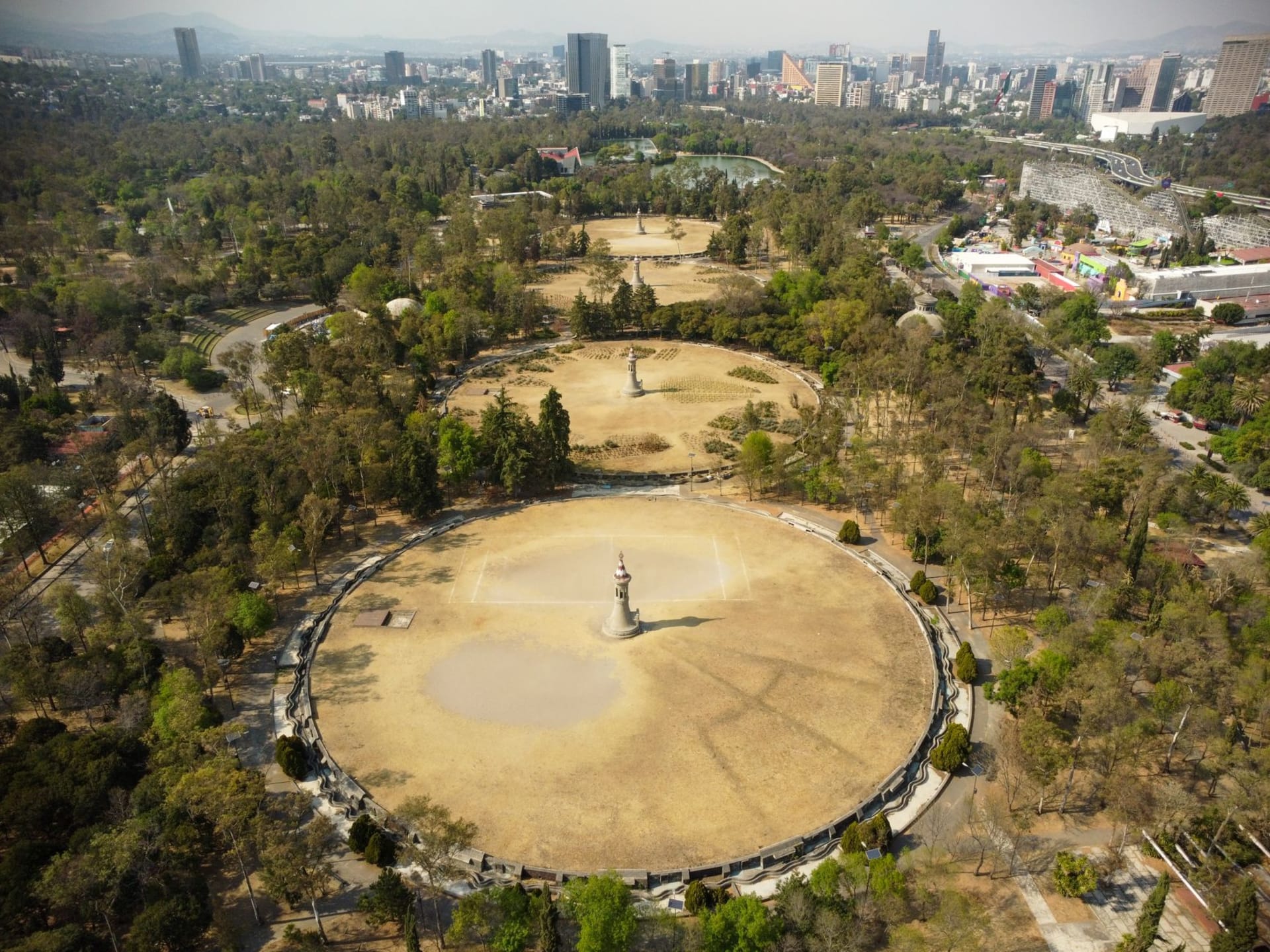
Pénjamo
"Mexico's first president was born here. The museum was almost empty, the mezcal was excellent, and nobody was trying to sell me anything."
Pénjamo is a small Bajío city on the Lerma River that most people drive through on the way to somewhere else, which is their loss. It was born here — Guadalupe Victoria, Mexico's first president, who fought alongside Hidalgo and then outlasted every rival to take office in 1824. The surrounding countryside is thick with eighteenth-century haciendas and agave fields at the edge of the tequila zone. I visited the birthplace museum and bought a bottle of local mezcal on the way out.

I stopped in Pénjamo because I had been reading about Guadalupe Victoria and wanted to see where he came from. This is an unusual reason to visit a place, and the town seemed mildly surprised by it — not in an unwelcoming way, more in the way of a place that is not used to being a destination. Pénjamo sits in the southern Bajío, on the Lerma River, in the flat fertile heartland of Guanajuato state. Corn, sorghum, agave. The landscape has the productive orderliness of the Bajío, the breadbasket of Mexico, where the land has been organized and farmed at scale since the colonial period.
The town is small and functions as a market center for the surrounding agricultural region. The central plaza is correct: a kiosk, benches, the church on one side, commercial buildings on the others. There was a man selling elotes from a cart near the church, and I bought one before going to find the museum, and it was exactly what an elote should be — corn on the cob slathered with mayonnaise and lime and chile and cotija cheese, which is one of those combinations that sounds excessive in description and is perfect in practice.
Guadalupe Victoria and the Museum
José Miguel Ramón Adaucto Fernández y Félix — Guadalupe Victoria was a name he chose himself, after the Virgin of Guadalupe and the victory of independence — was born in Tamazula, in what is now the municipality of Pénjamo, in 1786. He fought in the War of Independence, was wounded multiple times, survived years in hiding when the royalist forces had essentially destroyed the insurgency, and then — when independence finally came in 1821 and the subsequent Empire of Iturbide collapsed — emerged as the first elected president of the Mexican Republic in 1824.
He served his full term, which nobody in Mexico managed to do for the next several decades.
The Museo Casa Natal de Guadalupe Victoria is in the town center, in a building that has been preserved and modestly curated to tell his story. I arrived to find one other visitor, a man who appeared to be a local retired teacher on the basis of how carefully he was reading every label. The museum is exactly the kind of provincial history museum I love: serious about its subject, not trying to entertain, trusting the material to be interesting enough. Portraits of Victoria at various ages, maps of the independence campaigns, reproductions of documents, a section on his presidency and the almost impossible task of constructing a functioning state from the wreckage of three centuries of colonial administration.
He died in 1843, in poverty, which is its own kind of comment on the republic he had built.

Haciendas and Agave
The surrounding countryside is where Pénjamo’s other story lives. The Bajío in the eighteenth century was hacienda country — the great agricultural estates that organized the region’s land and labor for the colonial economy — and Pénjamo’s municipality has some of the most intact hacienda complexes remaining. Hacienda La Gavia, east of town, is among the best-preserved: a substantial complex with chapel, storehouses, and the main house still structurally coherent. I drove out to look at it from the road, which is free and requires no plan, and spent twenty minutes walking around its perimeter wondering about the accounting of it all — the land, the labor, the sugar and grain that moved through it.
At the edge of the municipality, the agave fields begin. This is the borderland of the denomination zone — not Jalisco, but close enough that the culture follows. A tienda on the road out of town had a shelf of local mezcal, unlabeled bottles produced in the municipality from agave varieties that I did not recognize. The man behind the counter poured me a taste from two different bottles without being asked. One was smooth and slightly sweet. The other was smokier, longer, more austere. I bought a bottle of the second one.

Getting There
Pénjamo is on Federal Highway 90 between Irapuato and La Piedad, about 45 minutes west of Irapuato. First-class buses from Guadalajara, León, or Irapuato stop here. The town itself is walkable; the haciendas require a car. A half-day is enough for the plaza and the museum; a full day if you want to explore the countryside.
Keep exploring
More of Guanajuato
Keep exploring
More from Guanajuato
 mexico
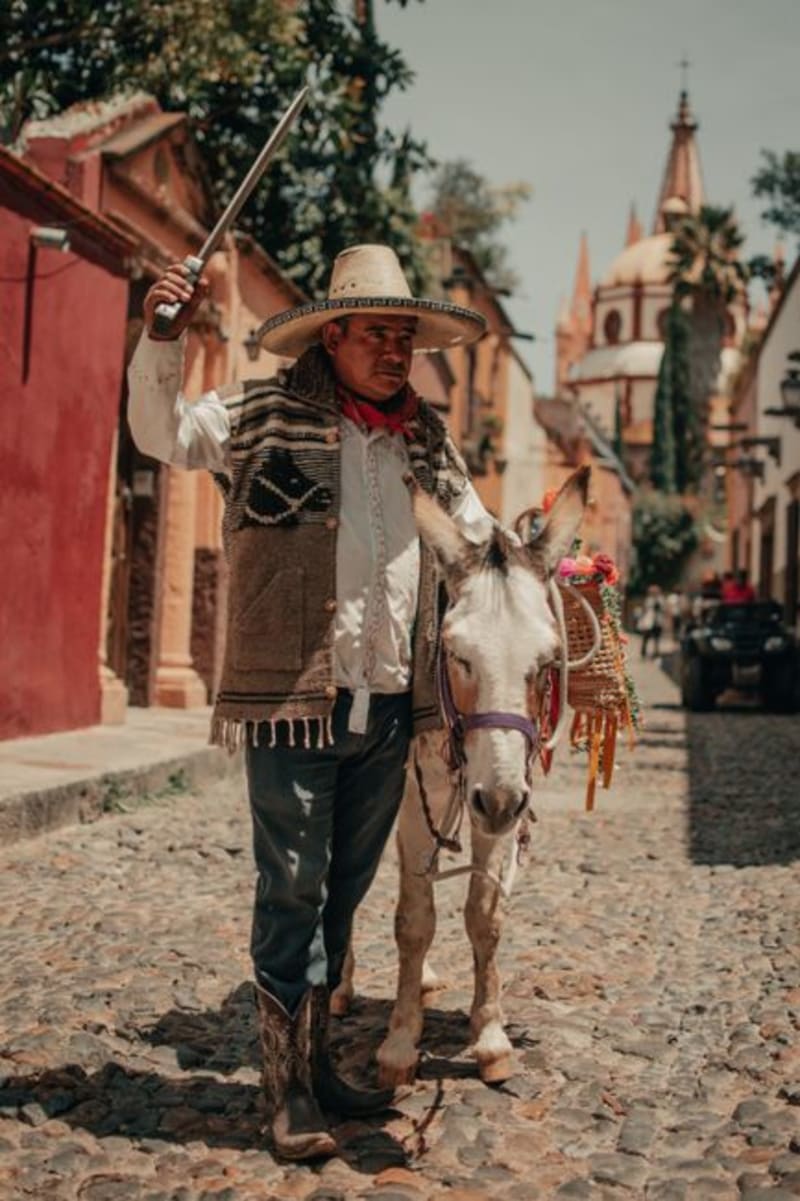
 Pénjamo
A small agricultural town on the Guanajuato-Jalisco border, Pénjamo is the birthplace of Agustín de Iturbide and a place where carnitas, birria, and local aguardiente define the table. Unpretentious and easy to underestimate, it rewards the traveler willing to stay past the plaza.
Explore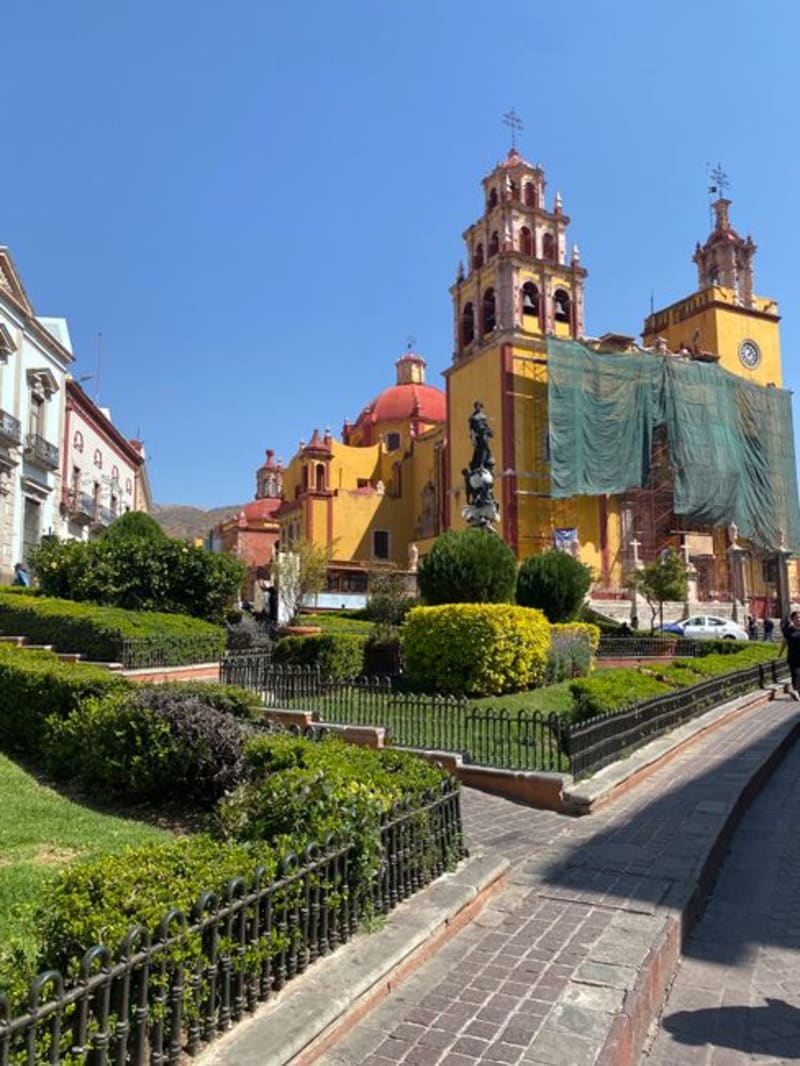 mexico
 Abasolo
Abasolo is a small colonial town in the Bajío region of Guanajuato whose entire identity revolves around the Gran Baño, an enormous thermal mineral pool that has been drawing families from across central Mexico for generations. Come on a Sunday and you will understand immediately why this town needs no other justification.
Explore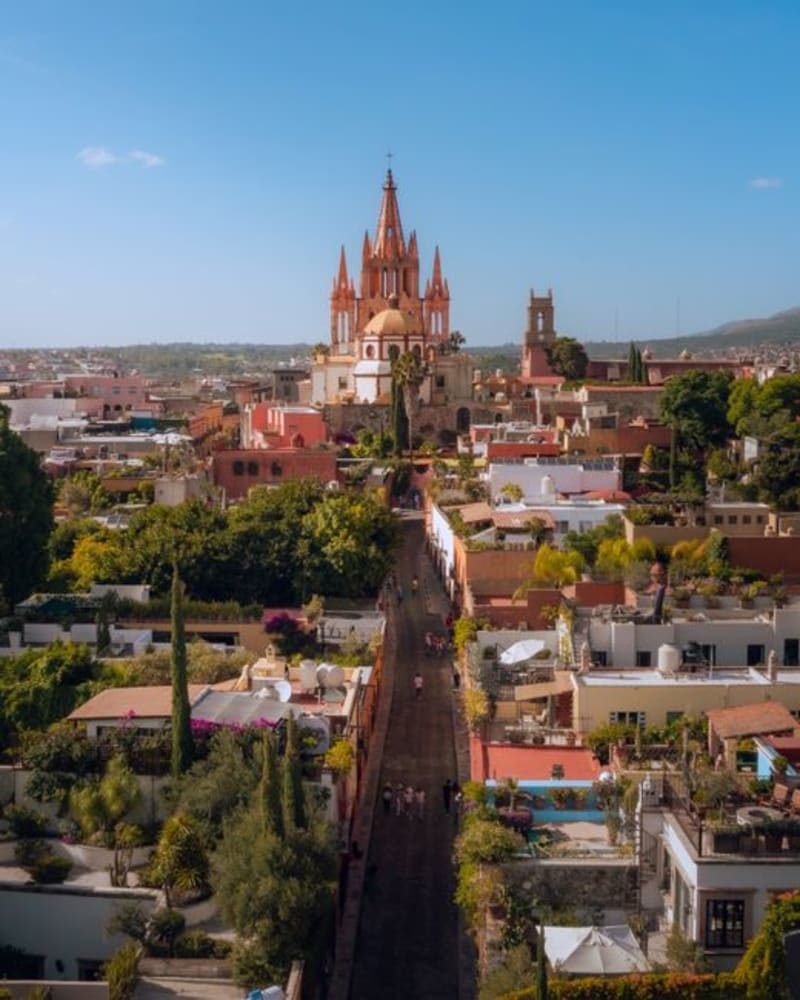 mexico
 San Francisco del Rincón
San Francisco del Rincón is the shoe and leather capital of Mexico — a fact that sounds industrial until you walk through the workshops and realize the artisans here supply markets from Guadalajara to Mexico City. The colonial center is anchored by a proud Parroquia, and the Altos Catholic gravity touches everything from the food to how strangers greet you on the street.
Explore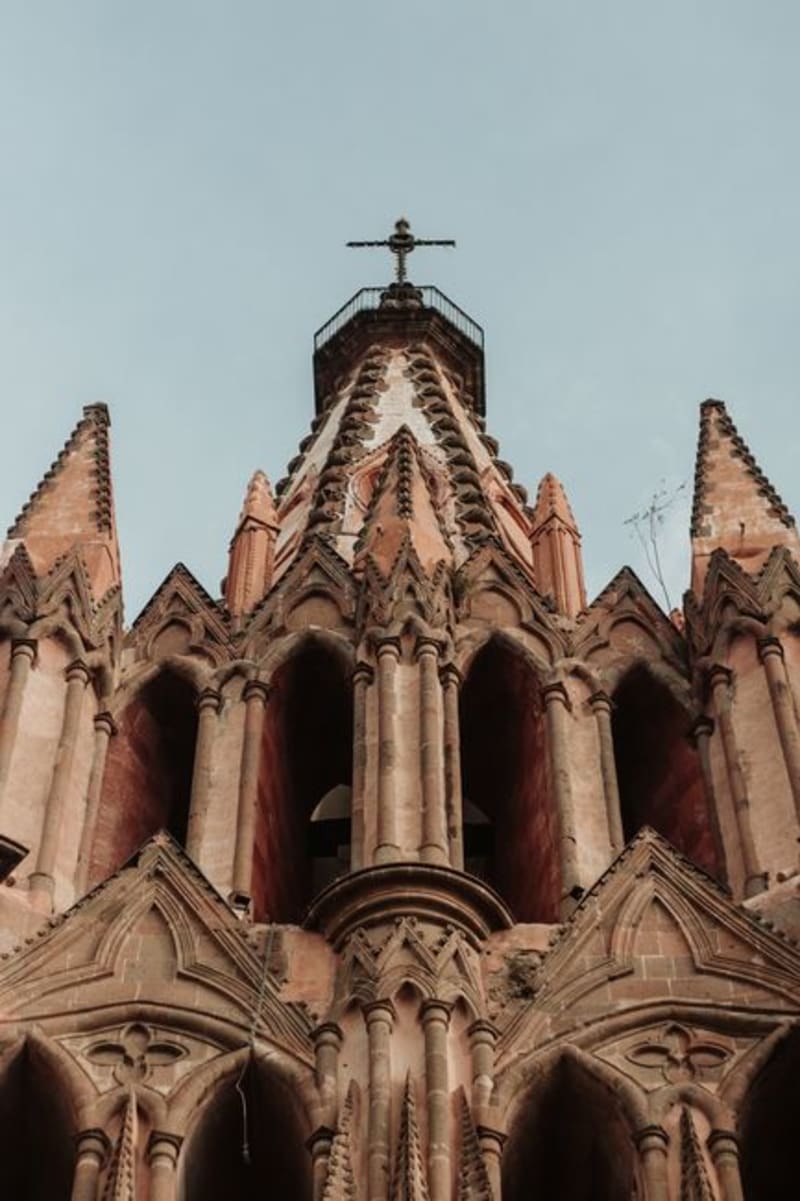 mexico
 Purísima del Rincón
A small Pueblo Mágico in Guanajuato's Los Altos corridor, Purísima del Rincón organizes its life around a handsome colonial church and a plaza that local people actually use. The town is known for leather workshops, Sunday menudo, and a December calendar that runs on its own logic entirely.
Explore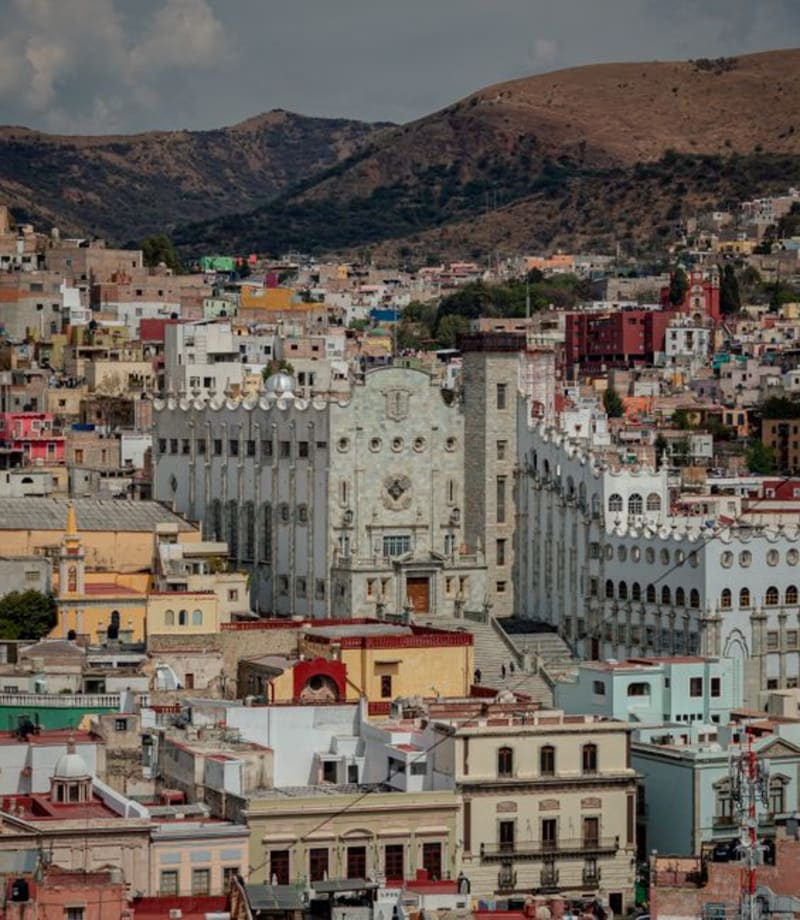 mexico
 Irapuato
Irapuato is the strawberry capital of Mexico with only slight exaggeration — the fields around the city are extraordinary in spring, the mercado sells fresas con crema in quantities that should be regulated, and the graceful ex-convento and shaded central plaza reward anyone willing to stay past the first bowl.
Explore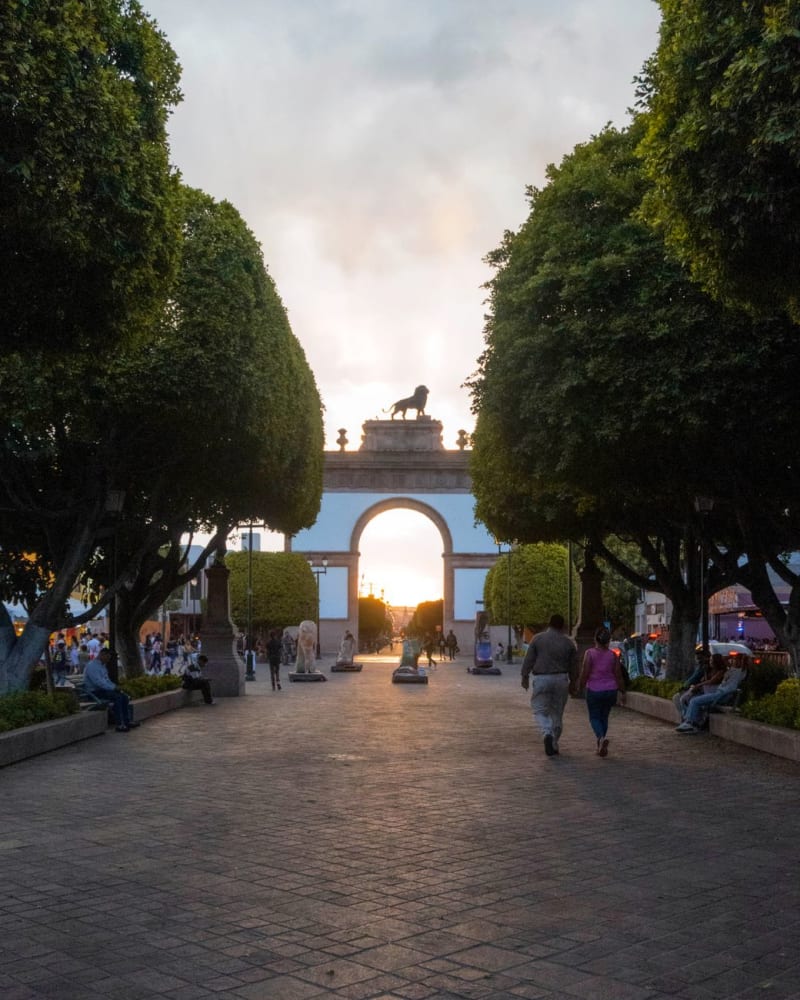 mexico
 Yuriria
A small lakeside town on the shore of the Laguna de Yuriria — the largest natural lake in Guanajuato — dominated by a monumental sixteenth-century Augustinian convent-fortress that makes everything around it look provisional.
Explore