
Purísima del Rincón
"Purísima del Rincón is a Guanajuato Pueblo Mágico that earns the designation without particularly trying to — which is the highest compliment I know."
A small Pueblo Mágico in Guanajuato's Los Altos corridor, Purísima del Rincón organizes its life around a handsome colonial church and a plaza that local people actually use. The town is known for leather workshops, Sunday menudo, and a December calendar that runs on its own logic entirely.

I arrived on a Sunday, which turned out to be the correct day to arrive. By eight in the morning the plaza was already doing what plazas here do best — old men on benches, a woman selling gorditas from a folding table, a cluster of teenagers who had apparently been there since the night before. Someone directed me toward a side street off Calle Hidalgo where a woman named Graciela had been selling menudo from the same doorway since, by local estimate, approximately forever. I sat on a plastic stool and ate a bowl that took forty minutes and fixed whatever was wrong with me. That was before I had even looked at the church.
The Plaza and the Parroquia
The Parroquia de la Purísima Concepción dominates the main plaza in the way that colonial churches in this part of Guanajuato tend to — confidently, without apology. The facade is the warm ochre-pink of the local cantera stone, and in the late afternoon it goes a shade darker that makes everything around it look theatrical by comparison. What makes Purísima different from similar towns is that the plaza in front of it has not been stage-managed for visitors. There are no artisan vendors arranged in photogenic rows, no signage explaining what you are supposed to feel. There are benches, a kiosk that sells aguas frescas, and on weekend evenings a modest sound system that someone drags out for no apparent reason beyond the pleasure of music. I spent two evenings on those benches and felt, both times, that I was intruding on something private in the best possible sense — a town comfortable enough in itself that it did not particularly register my presence.

Leather and the Workshop Quarter
León gets the credit, and the exports, but the leather tradition in this corridor of Guanajuato runs through smaller towns too — Purísima among them. There are a handful of talleres along the streets behind the market, the kind of workshops where the front room is a showroom and the back room is where the actual work happens. I wandered into one on Calle Morelos and spent an uncomfortable twenty minutes pretending to weigh a purchase I could not afford while watching a man cut and stitch a saddle bag with the particular focus of someone doing work they have done ten thousand times. I bought a belt instead. It was reasonably priced and excellently made, and it has held up in ways that most things I buy do not. The market itself, Mercado Municipal, is worth an hour on any morning — cheese from the surrounding ranchos, dried chiles, good coffee from a counter near the entrance where they do not rush you.

December, and What It Costs to Wait
The town’s December calendar is built around the feast of the Inmaculada Concepción on the eighth, and what surrounds it — the posadas, the castillos of fireworks set off in the plaza at midnight, the processions that move through the streets with a seriousness that has nothing performative about it. I was there in early October and heard about all of this from several people who mentioned it the way people mention something they assume you already know. If your travel schedule has any flexibility and December is possible, it is worth adjusting around. Towns that observe their patronal feast with genuine investment are becoming rarer, and Purísima has not lost the thread.

Getting There
Purísima del Rincón sits about 15 kilometers from León, making it straightforward to reach from that city by local bus or taxi. From San Francisco del Rincón the distance is shorter still — around six kilometers. If you are coming from Guadalajara, the drive is roughly two hours through Los Altos country. There is no train and no direct long-haul bus, but León’s Central de Autobuses connects well to most of the country.
Keep exploring
More of Guanajuato
Keep exploring
More from Guanajuato
 mexico
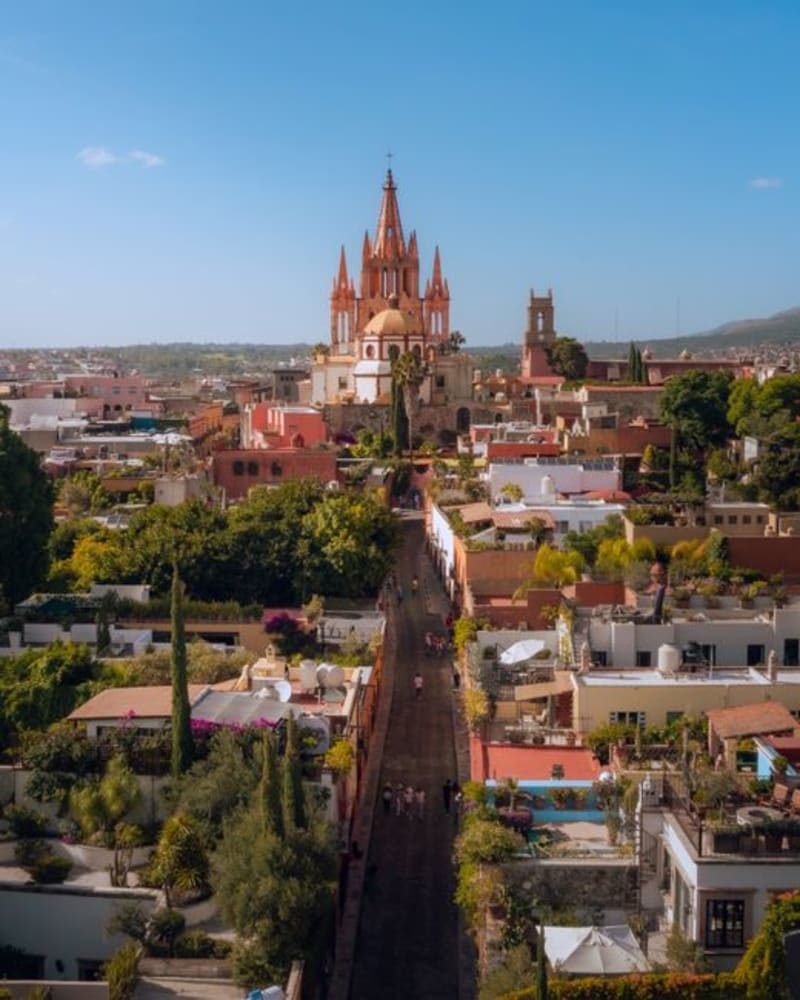
 San Francisco del Rincón
San Francisco del Rincón is the shoe and leather capital of Mexico — a fact that sounds industrial until you walk through the workshops and realize the artisans here supply markets from Guadalajara to Mexico City. The colonial center is anchored by a proud Parroquia, and the Altos Catholic gravity touches everything from the food to how strangers greet you on the street.
Explore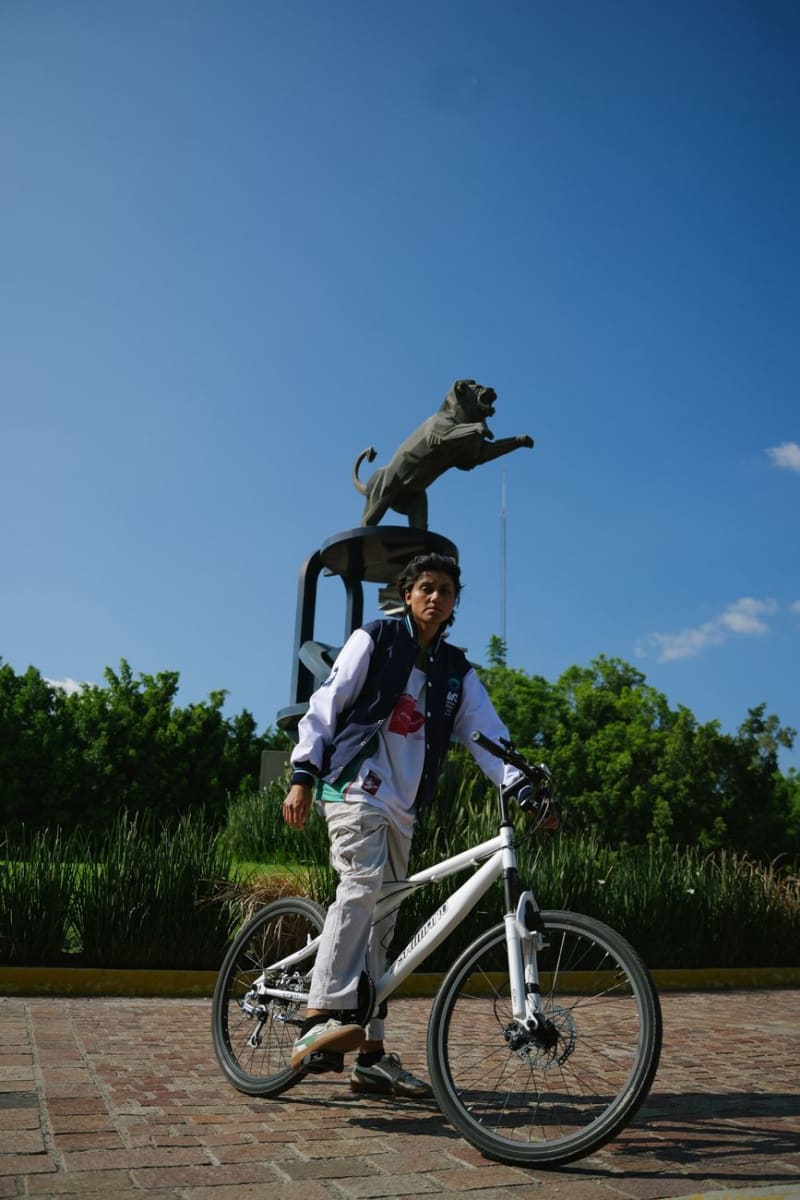 mexico
 León
León is Mexico's leather capital and one of its most honestly overlooked industrial cities, where an 18th-century centro holds genuine grandeur alongside workshops that will build you a pair of boots by sundown. It rewards the traveler who skips it on the way to Guanajuato city and stops here instead.
Explore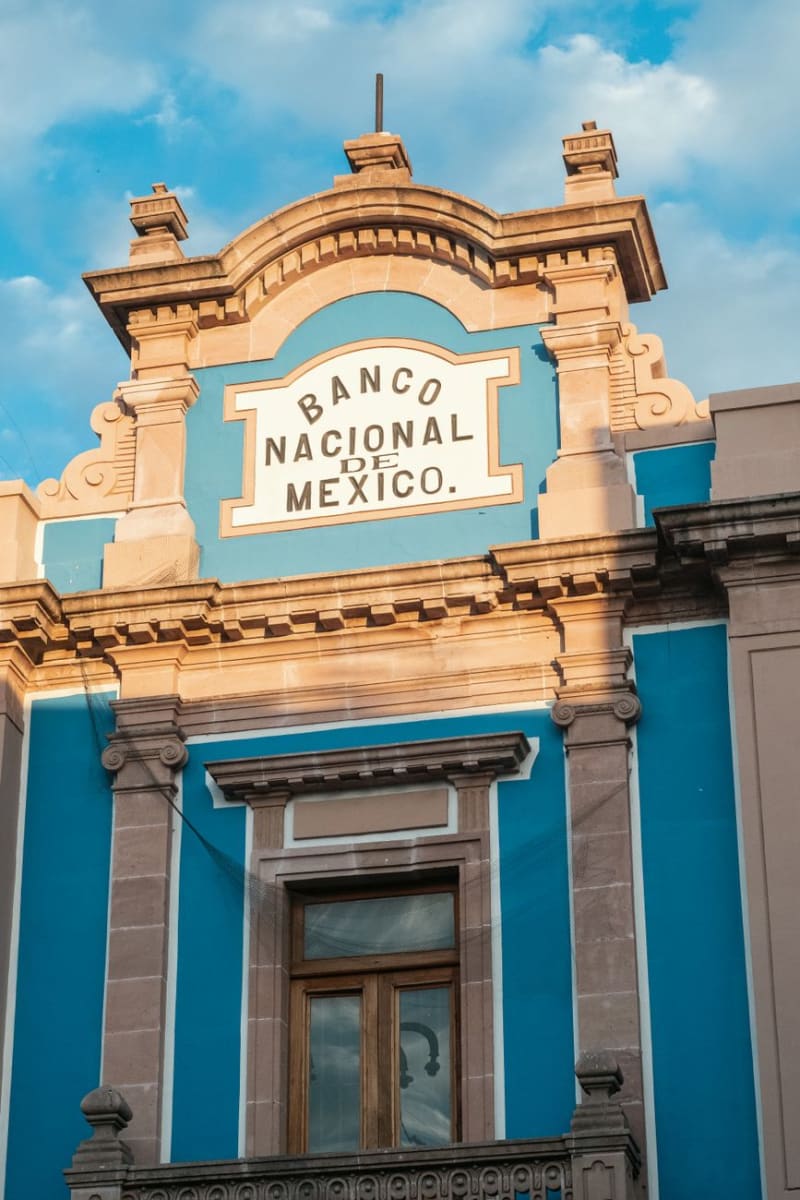 mexico
 Pénjamo
Pénjamo is a small Bajío city on the Lerma River that most people drive through on the way to somewhere else, which is their loss. It was born here — Guadalupe Victoria, Mexico's first president, who fought alongside Hidalgo and then outlasted every rival to take office in 1824. The surrounding countryside is thick with eighteenth-century haciendas and agave fields at the edge of the tequila zone. I visited the birthplace museum and bought a bottle of local mezcal on the way out.
Explore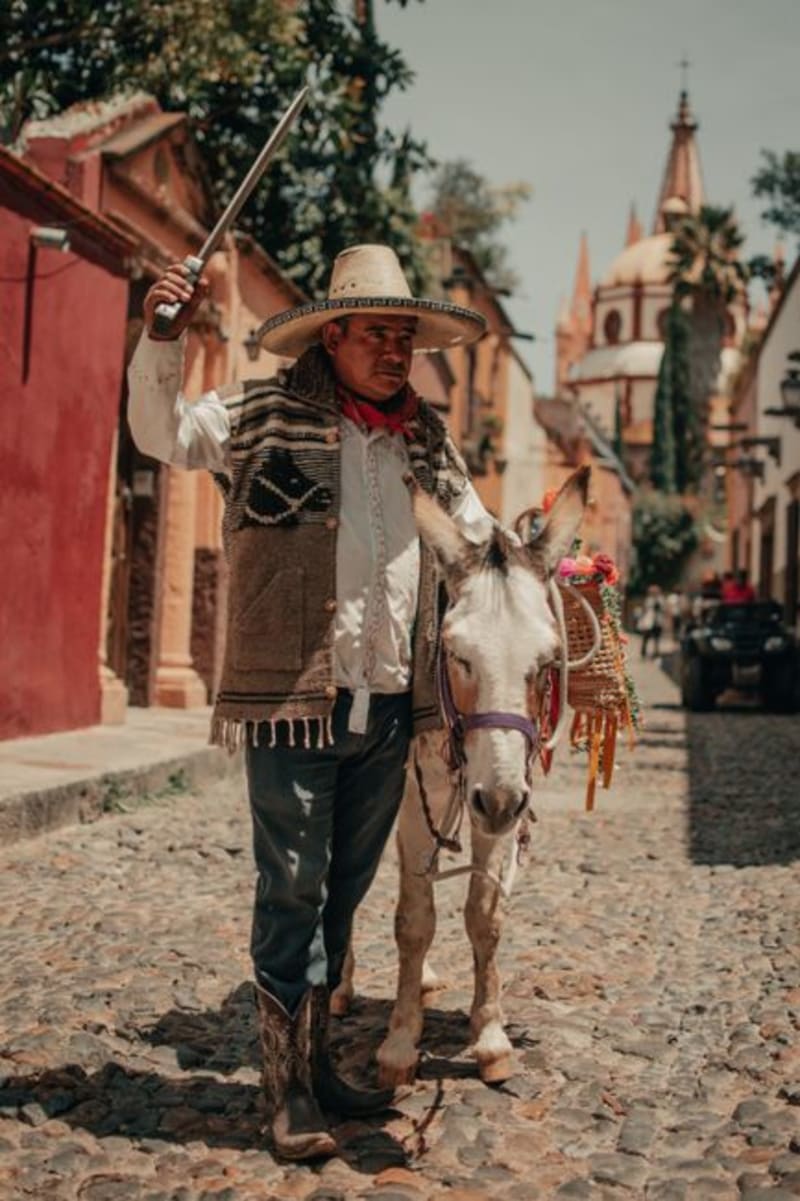 mexico
 Pénjamo
A small agricultural town on the Guanajuato-Jalisco border, Pénjamo is the birthplace of Agustín de Iturbide and a place where carnitas, birria, and local aguardiente define the table. Unpretentious and easy to underestimate, it rewards the traveler willing to stay past the plaza.
Explore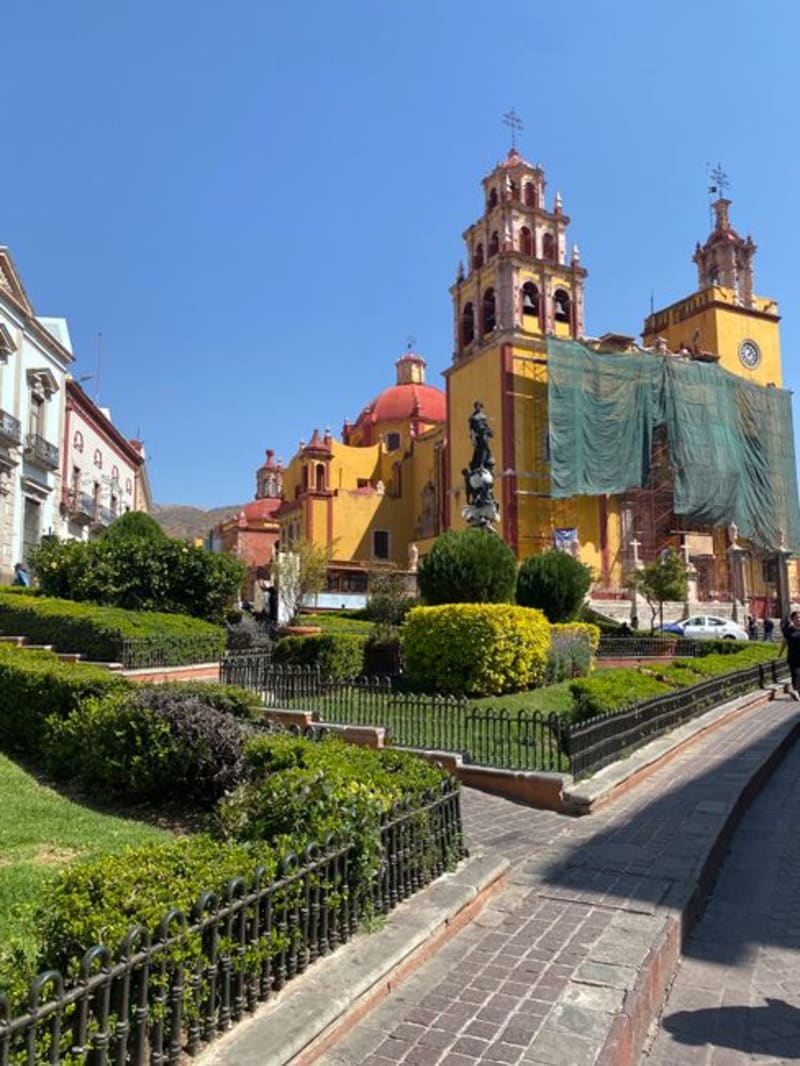 mexico
 Abasolo
Abasolo is a small colonial town in the Bajío region of Guanajuato whose entire identity revolves around the Gran Baño, an enormous thermal mineral pool that has been drawing families from across central Mexico for generations. Come on a Sunday and you will understand immediately why this town needs no other justification.
Explore mexico
 Irapuato
Irapuato is the strawberry capital of Mexico with only slight exaggeration — the fields around the city are extraordinary in spring, the mercado sells fresas con crema in quantities that should be regulated, and the graceful ex-convento and shaded central plaza reward anyone willing to stay past the first bowl.
Explore