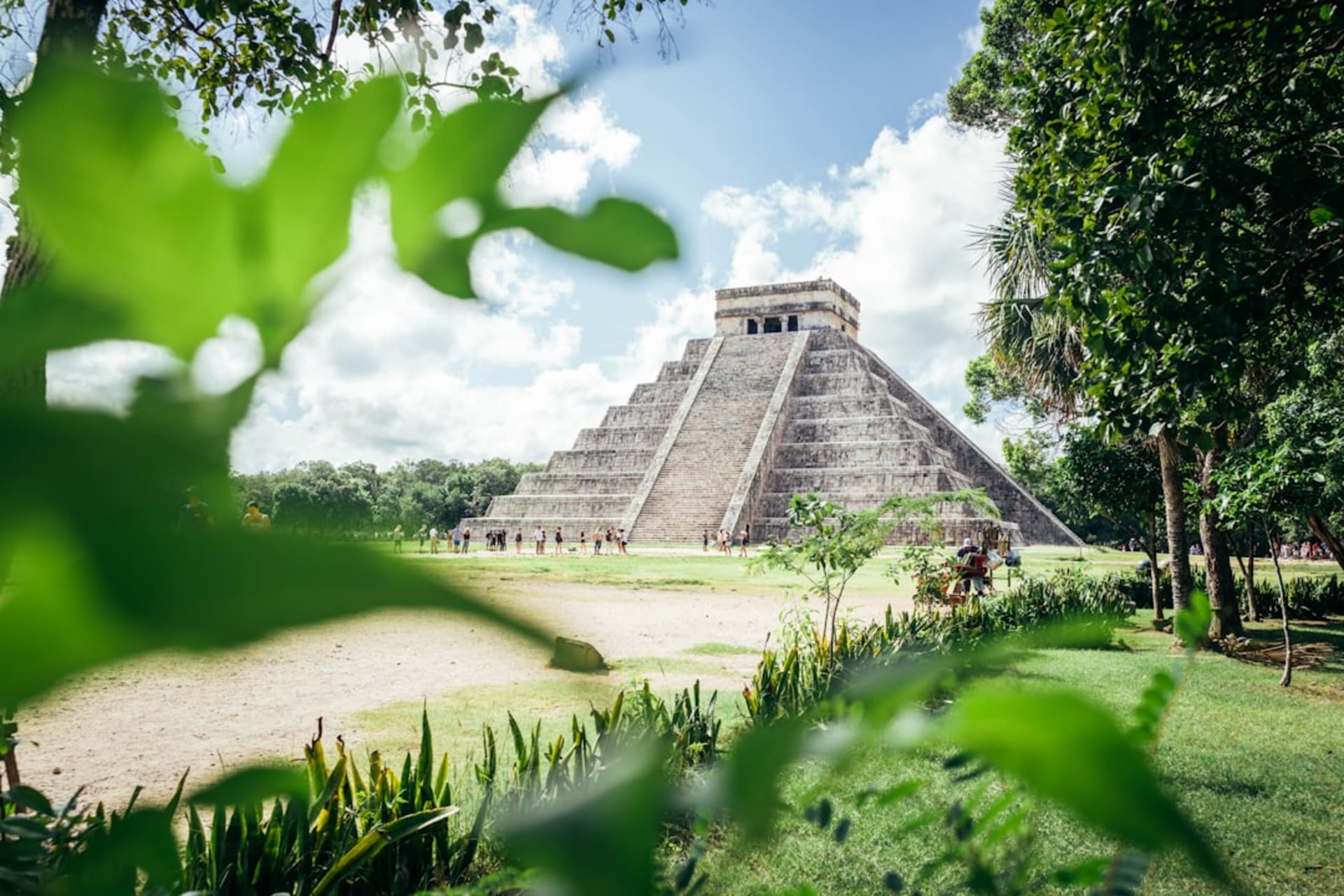
Dzibalchén
"At Hochob, I was alone for two hours. The monster-mouth doorway stared back. I walked through it three times just to feel what that meant."
Dzibalchén is a small market town in the Campeche interior, unremarkable until you understand it is the closest bed you will find to the Chenes Maya sites — Hochob and Dzibilnocac — where entire temple facades were carved into enormous monster mouths and you enter the god rather than observe it. Almost nobody comes out here, which is either the problem or the whole point.

I arrived in Dzibalchén on a Tuesday, when the market behind the main square was winding down and the last vendors were folding banana leaves over tamales and conducting arguments about prices that had already been settled. The plaza has that particular Campeche interior stillness — a cathedral slightly too large for its congregation, a few plastic chairs distributed into the shade, dogs engaged in slow territorial diplomacy in the dust. I found a room above a pharmacy for three hundred pesos. The pharmacist told me I was the first foreigner she had seen in about a month. I believed her.
The Monster-Mouth Temples of the Chenes
The Chenes architectural tradition does something no other Maya style does with quite the same conviction: it turns the entire building into a deity. At Hochob, twenty-three kilometers of unpaved road from Dzibalchén over terrain that rewards a vehicle with clearance, the principal temple presents a facade that is a face. Enormous carved stone teeth form the lower jaw. Serpent eyes rise above the doorway. The entrance is the mouth. You do not admire the structure from a respectful distance — you walk into it.
I spent two hours alone on that site. No ticket booth, no roped-off areas, no other visitors. A man from the nearest village arrived on a bicycle midway through, watched me sketch in my notebook for perhaps ten minutes, then cycled away without speaking. At Dzibilnocac, reached by a different dirt track closer to town, three towers have partly collapsed back into the jungle, but the monster-mouth motif persists on the surviving panel — patient, staring, completely intact. Both sites feel genuinely uncurated, which is increasingly rare and worth protecting.

Market Days and the Long Afternoon
Dzibalchén’s market operates with the unhurried logic of a town performing nothing for nobody. On Wednesdays and Sundays, farmers from the surrounding milpa villages bring in squash, dried chiles, and bundles of chaya. Near the entrance, a woman makes panuchos filled with black bean paste and topped with turkey in a smoke-darkened recado negro. She sets up before seven and runs out before ten — time it accordingly, or do not bother.
The afternoon heat between noon and four is serious and non-negotiable. I spent mine at a table in the comedor on the south side of the square, drinking jamaica and eating a plate of frijoles con epazote that arrived without my ordering it, because it was included and the woman running the kitchen had already decided what I was having. I did not argue. The countryside you drive through to reach the sites — flat, dry, studded with henequen and low scrub — looks close to what it must have looked like when the Chenes builders were still working. That is not a romantic exaggeration. It is just what the road looks like.

Moving Between Sites
The Chenes zone has no infrastructure — no drinking water, no shade beyond the trees, no resident guards. Bring two liters minimum per site, start Hochob before nine before the heat becomes definitive, and tell someone in town where you are going. The road is passable in a standard sedan during dry season but deteriorates fast after rain. I hired a man in Dzibalchén with a truck for five hundred pesos for the full day. He waited in the shade at each site and looked unsurprised by everything. His name was Everardo. He knew exactly where the collapsed secondary structures were and showed me without being asked.

Getting There
Hopelchén is forty kilometers north on Highway 261, roughly forty minutes by road, and Campeche city is two hours beyond that. ADO and local colectivos connect Dzibalchén to both. The dry season runs November through April — come then. Colectivos circulate between surrounding villages but do not serve the archaeological sites; arrange private transport through your accommodation or the market, where someone will know someone with a truck.
Keep exploring
More of Campeche
Keep exploring
More from Campeche
 mexico
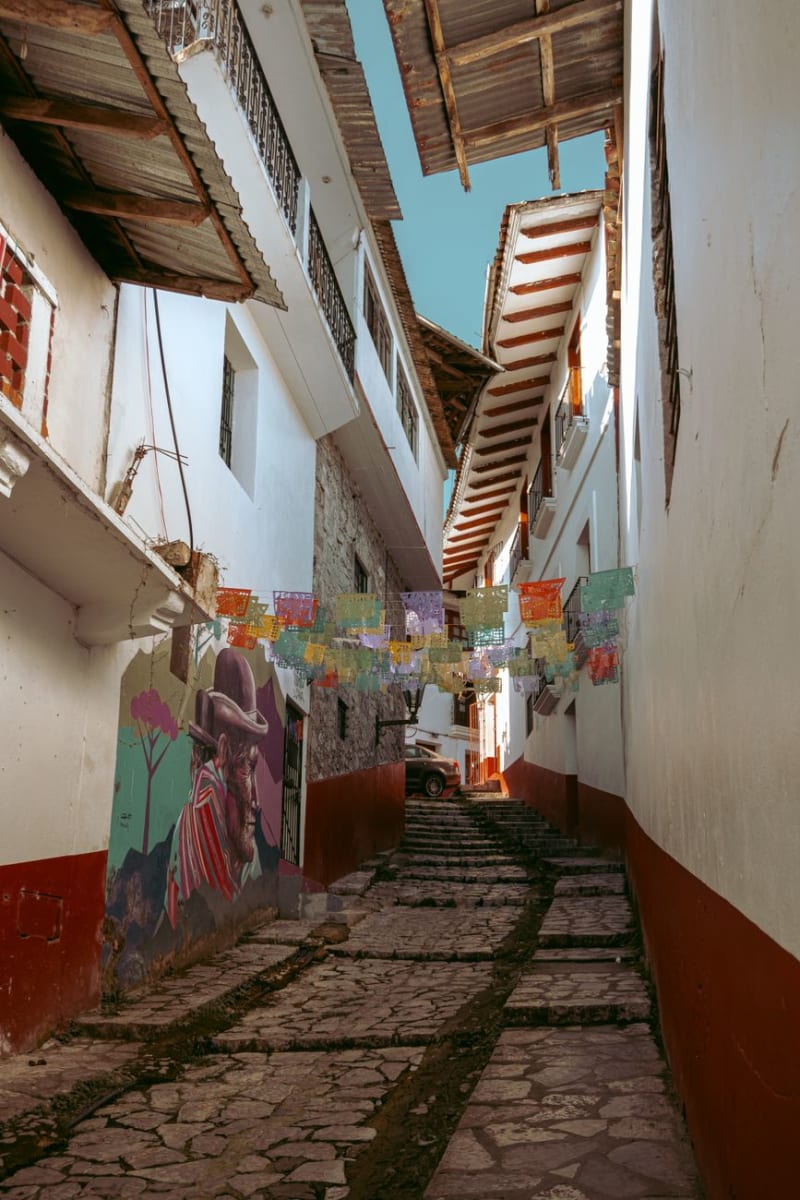
 Hopelchén
Gateway to the Chenes Maya region, Hopelchén sits among a cluster of archaeological sites — Hochob, Dzibilnocac, Santa Rosa Xtampak — where monster-mouth doorways built to resemble the open jaws of serpent gods still stop you cold. The town squares it all with a Franciscan monastery that has been quietly standing since the 1540s, and a market where the food deserves your full attention.
Explore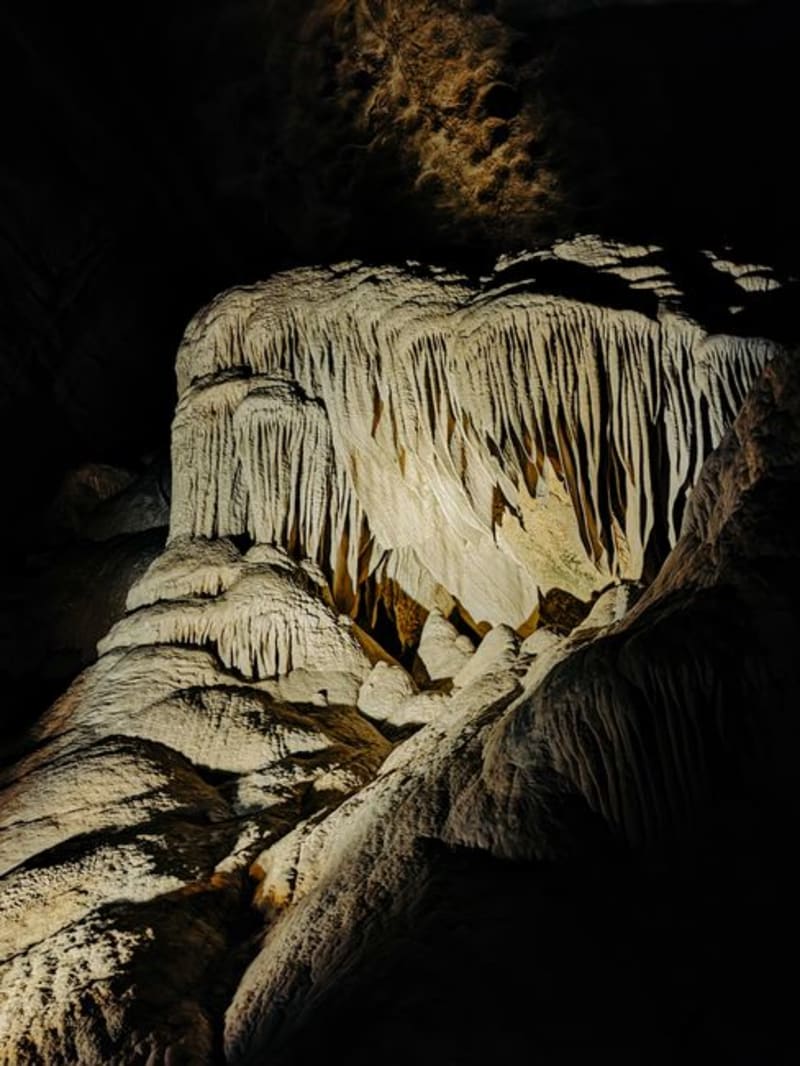 mexico
 Bolonchén de Rejón
A quiet Campeche town that barely hints at what lies beneath it: the Xtacumbilxunaan caves, where the ancient Maya descended more than 150 meters underground on wooden ladders to collect water during droughts. The cave name means hidden lady in Yucatec Maya, and the whole place has that quality — something extraordinary tucked beneath an ordinary afternoon.
Explore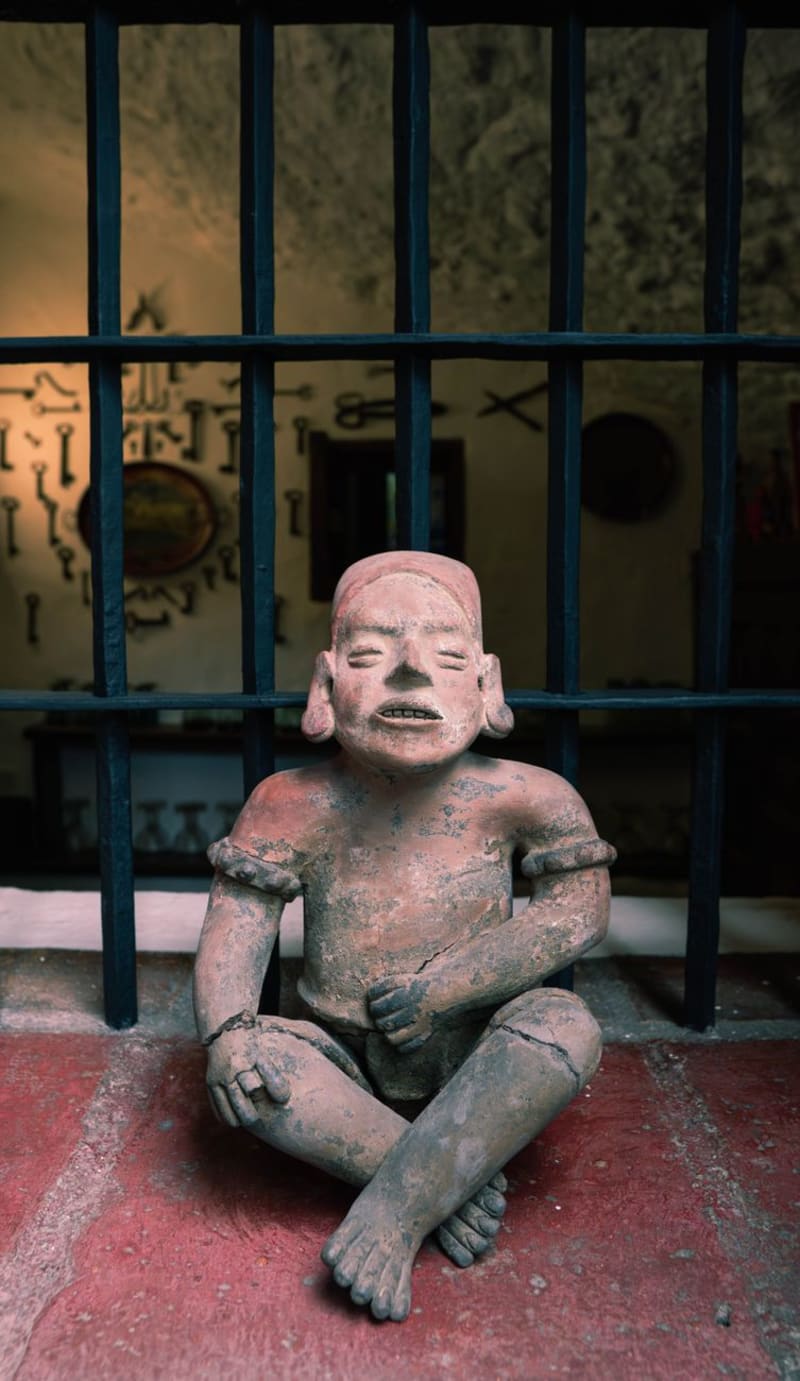 mexico
 Edzná
Edzná is a Maya archaeological site 60km from Campeche city whose centrepiece — a five-story palace that is also a pyramid, rising from a massive platform above the jungle — is among the most architecturally complex structures in the Maya world. Almost no one goes. When I was there on a Tuesday morning in December, I counted eleven other visitors across the entire site. The largest iguana I have ever seen was sitting on a carved stele and had no opinion about sharing it.
Explore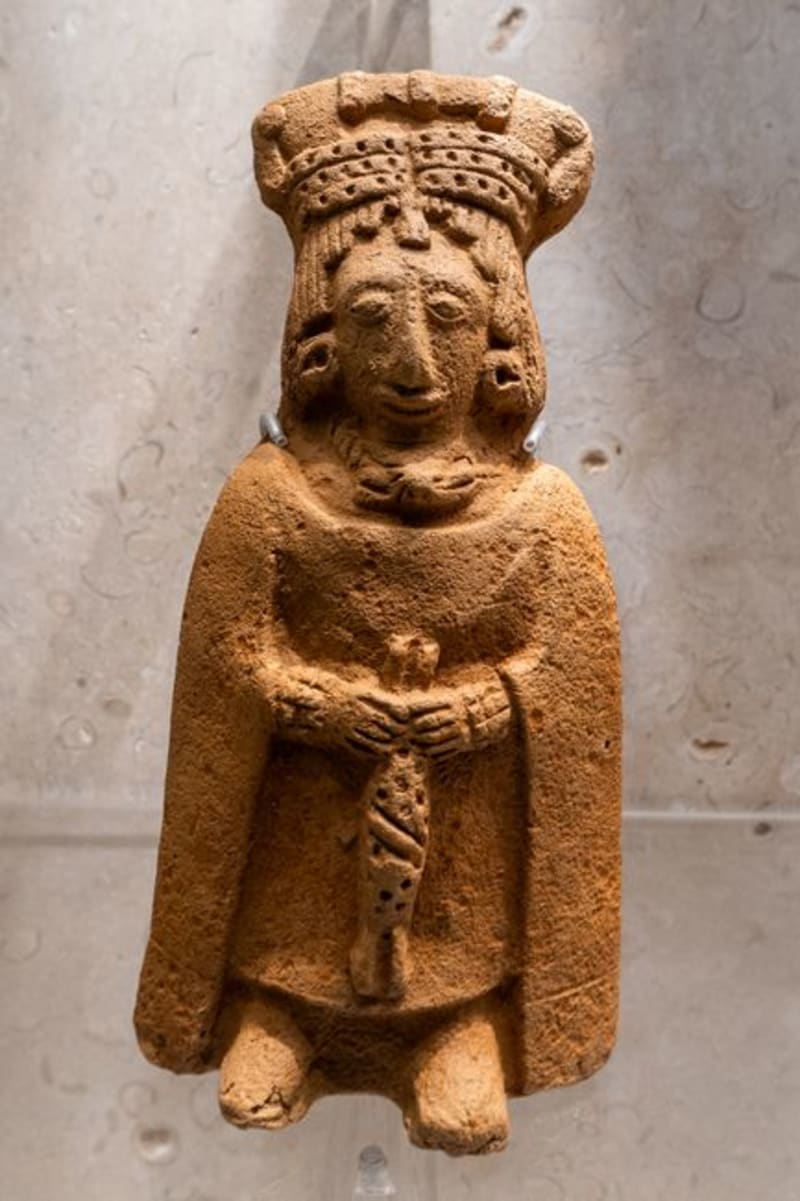 mexico
 Hecelchakán
A quiet colonial town on the Campeche plain whose modest museum holds the finest collection of Jaina Maya ceramic figurines I have encountered anywhere on the peninsula — tiny hand-formed portraits of warriors, scribes, and nobles buried centuries ago on a funerary island offshore. Most people drive straight through. That is their loss.
Explore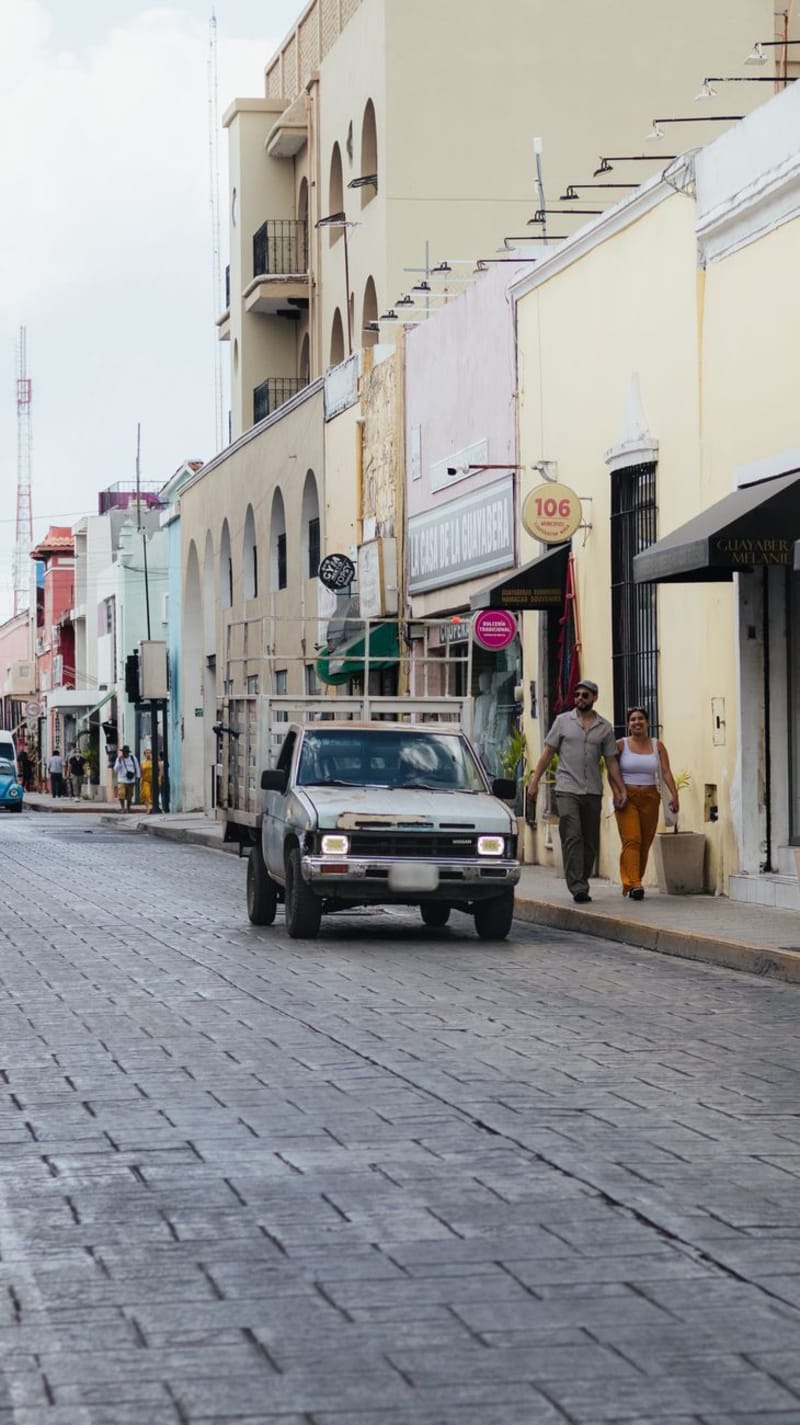 mexico
 Champotón
Champotón sits where the Champotón River meets the Gulf — a working port town with a colonial fort, a malecón lined with seafood comedores, and a civic pride rooted in the 1517 battle where the Maya sent the Spanish home badly diminished. The shrimp here are fresh in a way that makes the concept of frozen shrimp seem like a personal affront.
Explore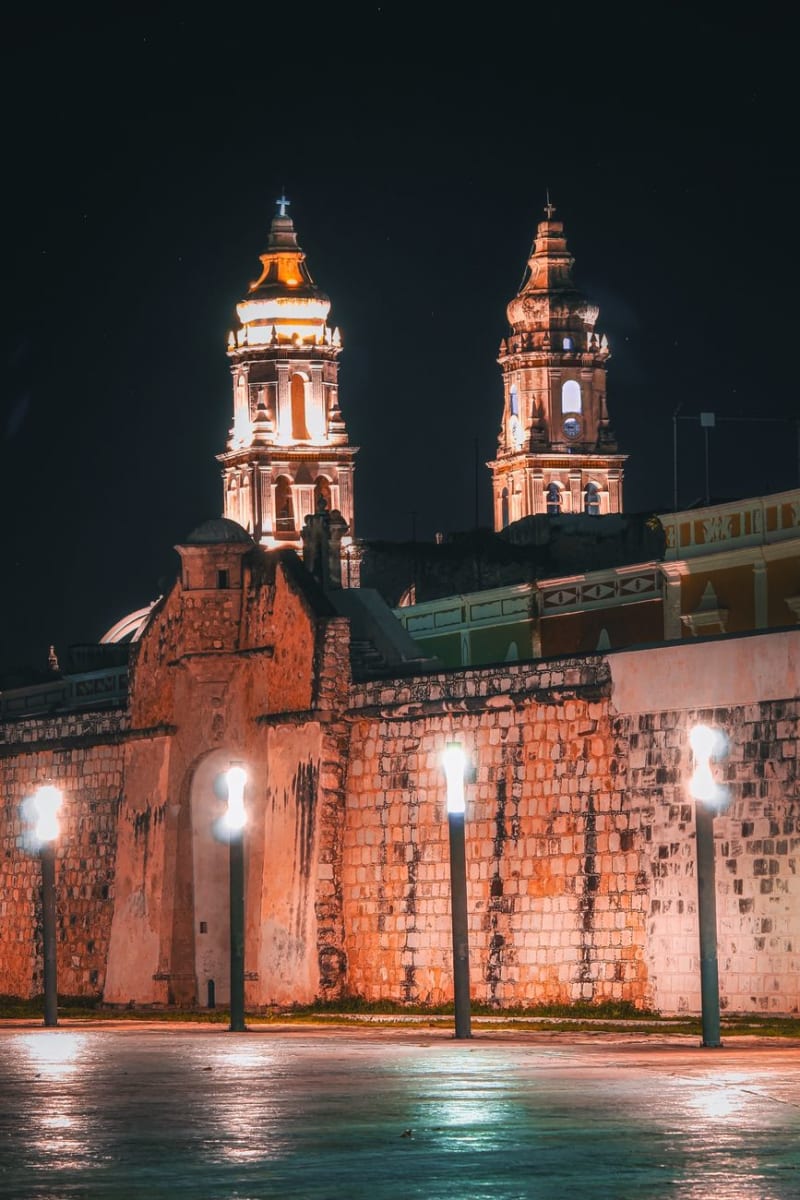 mexico
 Campeche City
Campeche City is a UNESCO-listed colonial port on the Gulf of Mexico whose walled historic center is painted in a density of pastel colors — ochre, sage green, turquoise, terracotta — that photographs cannot quite prepare you for. Built to withstand pirate raids, its bastions and sea walls are still the skeleton of a living city where people go to work and argue and eat pan de cazón, a baked layered dish of blue corn tortillas, black beans, and shredded dogfish shark that I am still thinking about. Two nights minimum; one is not enough.
Explore