
Middle East
Jordan
"The country that made the desert feel like an ocean."
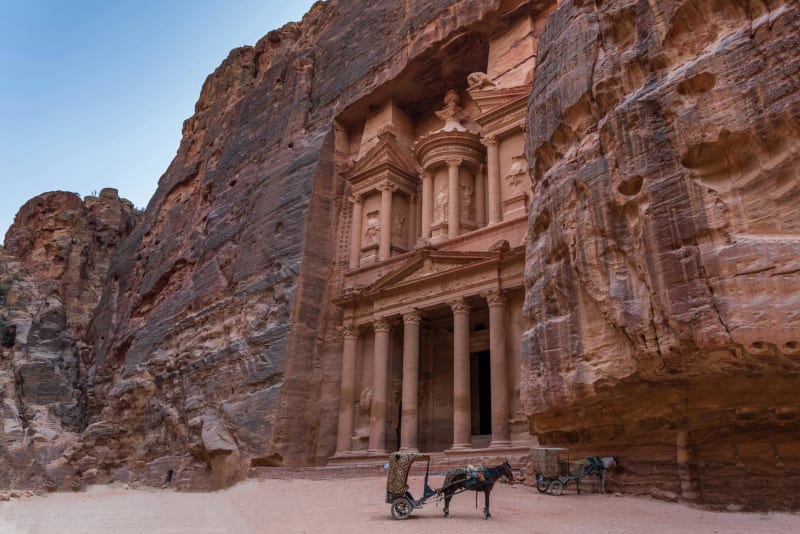
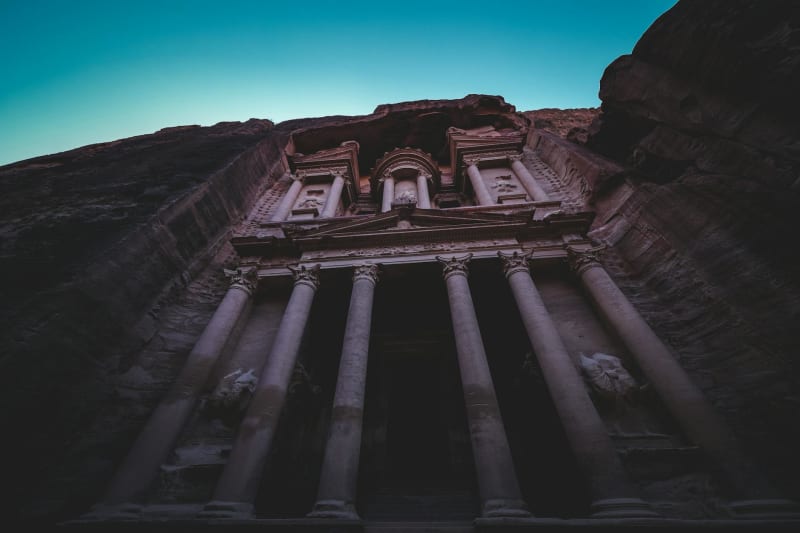
Petra deserves every superlative it has ever received. Walking through the Siq — the narrow sandstone canyon that serves as the entrance — is one of the great theatrical experiences in travel. The walls rise forty meters on either side, the light shifts from amber to pink, and then the canyon opens and the Treasury appears, carved directly into the rock face, impossibly detailed, impossibly intact. But Petra is not one building. It is an ancient city spread across a valley and up into the surrounding mountains, and most visitors see perhaps ten percent of it. The climb to the Monastery — 800 steps up and worth every one — delivers a structure even larger than the Treasury with a fraction of the crowd.
Wadi Rum is the other Jordan that rearranges your sense of scale. A desert valley of red sand and sandstone formations that Lawrence of Arabia described as “vast, echoing, and godlike.” Spending a night in a Bedouin camp here — tea brewed on coals, meat buried in sand ovens, stars so dense they look like static — is not a tourist exercise. It is a genuine encounter with a landscape and a hospitality tradition that predates every border on the modern map. The Dead Sea, the lowest point on earth, and the Roman ruins at Jerash round out a country that is remarkably small and almost absurdly dense with extraordinary experiences.
When to go: March to May and September to November are ideal — warm days, cool nights, and manageable sun. Summer (June to August) brings extreme heat, especially in Wadi Rum and the Dead Sea valley. Winter is mild but Petra can be cold and occasionally wet.
What most guides get wrong: They rush Petra. A single day is a highlight reel. Two days lets you explore properly — the Monastery, the High Place of Sacrifice, the less-visited Royal Tombs. And Wadi Rum is not a half-day excursion. Sleep in the desert. Wake up for sunrise. That is where Jordan stops being a destination and becomes something you carry with you.
Explore
Places in Jordan

Ajloun
A forested hilltop crowned by a twelfth-century castle, surrounded by olive groves and the greenest corner of Jordan.

Amman
A city of seven hills where Roman ruins crown the skyline and the hospitality runs deeper than the history.

Aqaba
Jordan's only coastal city, where Red Sea coral meets desert mountains in a setting of improbable beauty.
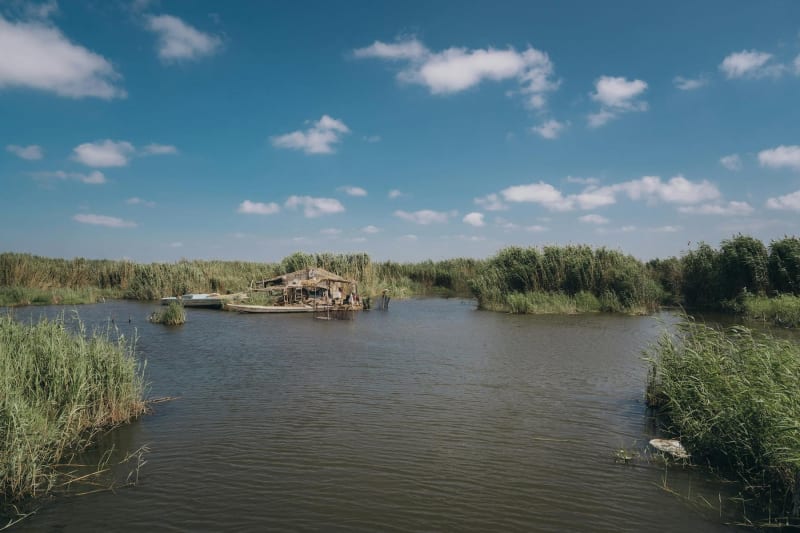
Azraq Wetlands
A rare desert oasis where hundreds of thousands of migratory birds stop to rest in an ocean of sand.

Baptism Site
The place on the Jordan River where tradition holds that Jesus was baptised — a site of profound pilgrimage and quiet power.
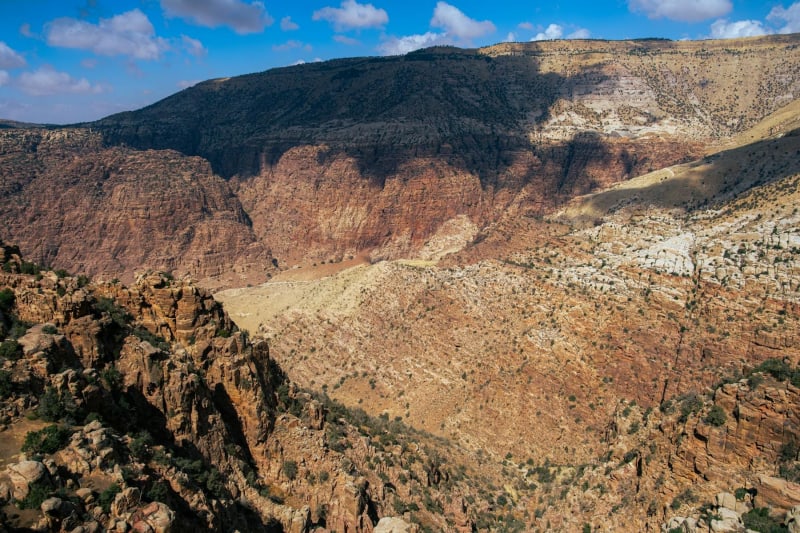
Dana Biosphere Reserve
Jordan's largest nature reserve descending from sandstone cliffs to desert, with a stone village untouched since the 15th century.
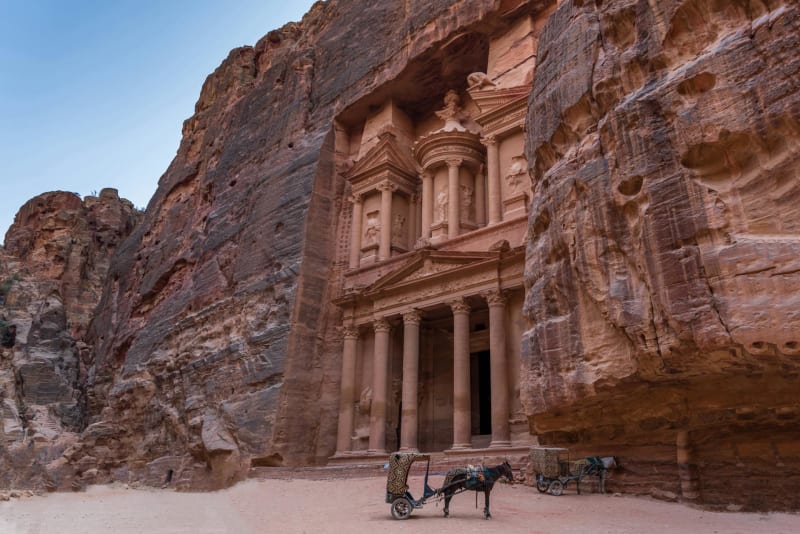
Dana Reserve
Jordan's largest nature reserve, where sandstone canyons drop from mountain ridges to the floor of the Rift Valley.
Dead Sea
The lowest point on Earth, where you float effortlessly in water so mineral-rich it rewrites the rules of swimming.

Jerash
One of the best-preserved Roman provincial cities on Earth, standing in golden stone an hour north of Amman.

Madaba
The City of Mosaics, where a sixth-century map of the Holy Land lies embedded in a church floor.

Petra
A city carved into rose-red cliffs by the Nabataeans, hidden in a desert canyon for nearly a thousand years.

Shobak Castle
A 12th-century Crusader fortress perched on a cone-shaped hill, surveying the road to Petra.

Wadi Mujib
A spectacular river gorge carved into the Dead Sea escarpment — Jordan's answer to the Grand Canyon.

Wadi Rum
A Martian landscape of red sand and towering rock formations where Bedouin camps dot an ancient desert.
Free download
Get the Jordan Guide
A curated PDF itinerary with honest picks, real restaurants, and the details that matter — the kind you'd actually print and bring.
Download the guide